• What are the signs of excessive chlorine in spa jacuzzi tub water?
    1. A significantly stronger, pungent chlorine smell 2. Dry, stinging, or itchy skin after bathing 3. Stinging and tearing eyes during soaking 4. Slight turbidity or floating debris in the water 5. Slight discoloration or corrosion on the spa jacuzzi tub nozzle, cover, or even metal fittings 6. Significantly increased surface foam
    2026-02-12
  • Why is Epsom salt corroding my outdoor spa jacuzzi tub?
    Epsom salt is an inorganic salt composed of magnesium (Mg²⁺) and sulfate (SO₄²⁻). While Epsom salt is safe for bathing, it may not be safe for the metal components, nozzles, pumps, heaters, and piping systems inside an outdoor spa jacuzzi tub.
    2026-02-11
  • What are the differences between a swim spa tub and a jacuzzi tub?
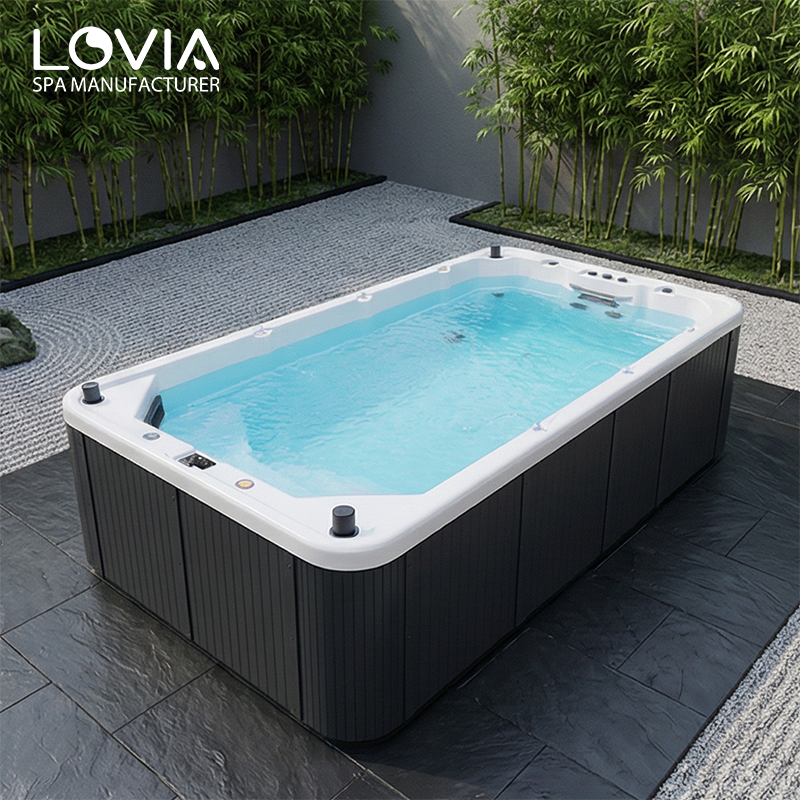
    Jacuzzi tubs primarily focus on "relaxing the body and relieving stress." Swim spa tubs, on the other hand, have a more comprehensive design philosophy. They not only provide hydro-massage functions similar to jacuzzi tubs but also feature "constant-temperature swimming training."
    2026-02-10
  • Will Excessive Shock Make a Swim Spa Tub Cloudy?
    "Excessive shock" in a swim spa tub generally refers to the water being subjected to excessively strong, frequent, or uneven dynamic forces. These shocks disrupt the stability of the water, causing suspended solids and chemical particles to redisperse, potentially leading to turbidity.
    2026-02-09
  • Will a swim spa tub make my muscles tighter?
    The jets of water in a swim spa tub are quite strong, deeply stimulating muscle tissue. This high-pressure water flow promotes blood circulation, but if the local stimulation lasts too long, it can cause a temporary muscle contraction response, making the surface of the muscles feel slightly tight. This is a neurological reflex, not true muscle stiffness.
    2026-02-06
  • Can I turn off the whirlpool hot tub when not in use?
    Many people believe that turning off the heating system saves electricity, but in reality, frequent heating consumes more energy. For example, heating from room temperature (20°C) to the operating temperature (38°C) consumes approximately the same amount of energy as maintaining the temperature for two days.
    2026-02-05

Get the latest price? We will reply as soon as possible (within 12 hours)