

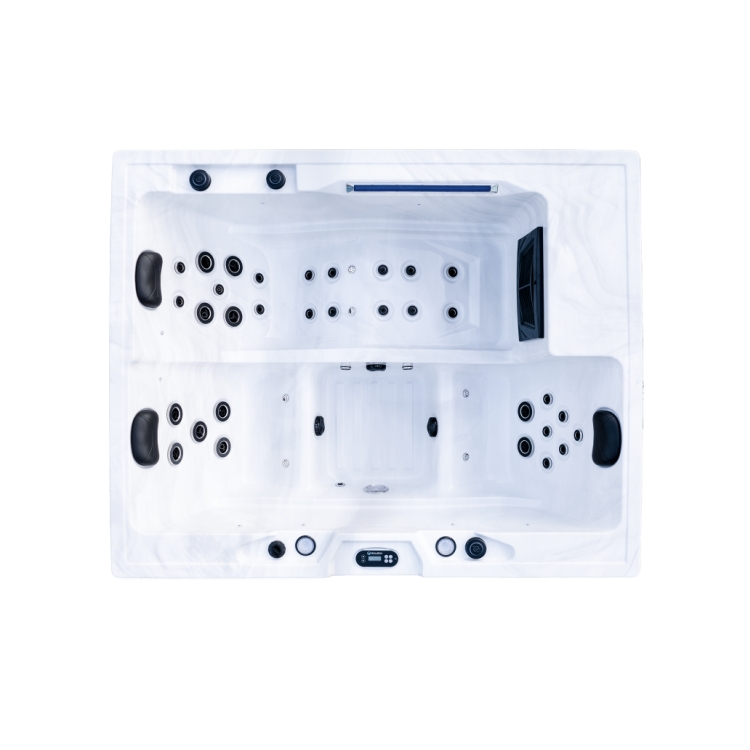
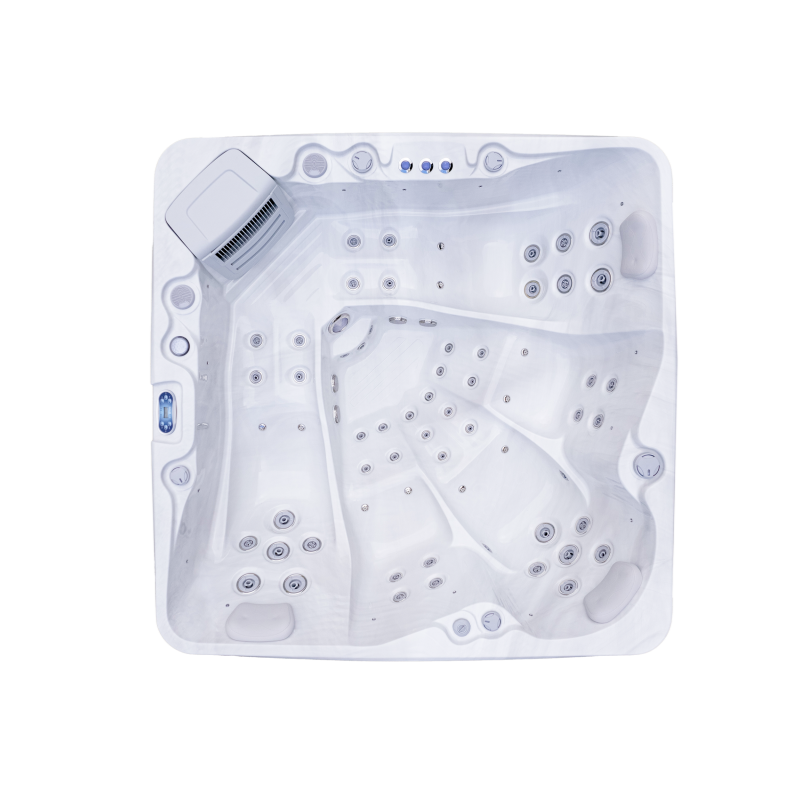
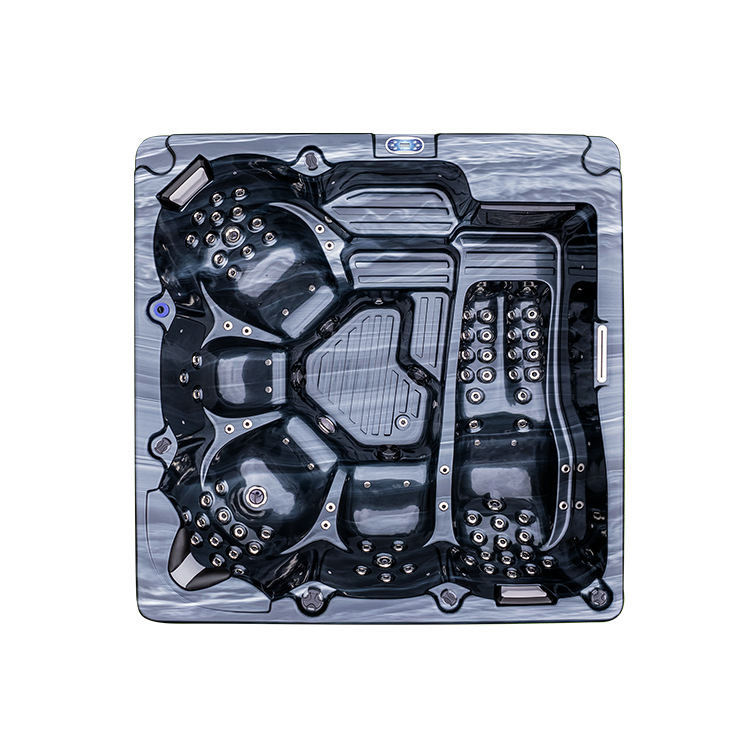
When people first encounter a swim spa tub, they are often attracted by its multifunctional design: it can be used for swimming and fitness, as well as for spa relaxation, seemingly a combination of a home swimming pool and a jacuzzi.
However, many people ask a core question before purchasing:
"Is a swim spa tub heated?"
The answer is—of course.
In fact, a heating system is one of the most essential functions of a modern swim spa tub. Whether it's for temperature-controlled swimming training in cold weather or enjoying a soothing spa massage after exercise, a constant and comfortable water temperature is key to the experience.
This article will systematically analyze the heating principle, control method, energy consumption, advantages and disadvantages, and maintenance points of a swim spa tub, helping you understand why the "heating" function is an indispensable part of a swim spa tub.
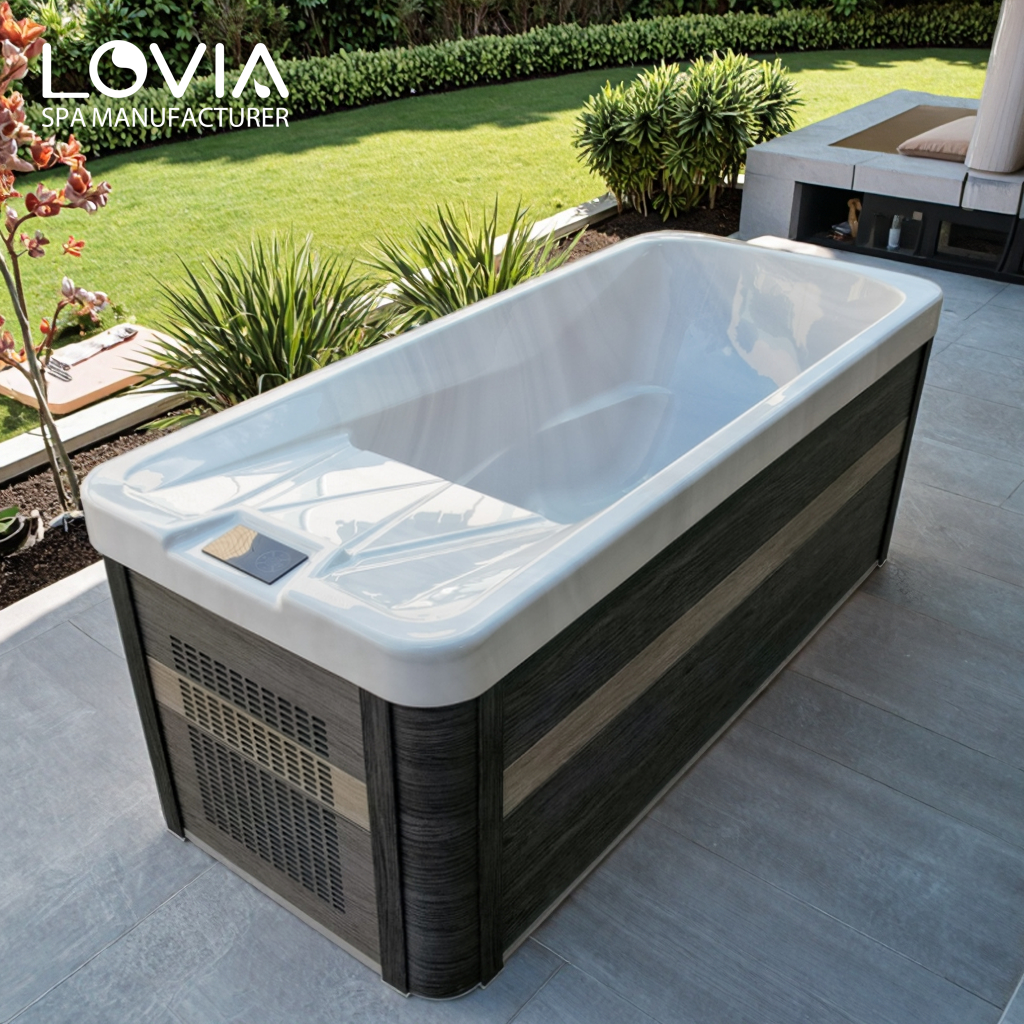
Why does a swim spa tub need a heating function?
A swim spa tub is different from a regular swimming pool; it not only serves a sports function but also provides recreation, rehabilitation, and spa benefits. To achieve these experiences, a heating system is essential.
1. Maintaining Ideal Body Temperature
When the human body comes into contact with cold water, it rapidly consumes heat, causing muscle contraction and affecting athletic performance. For swimming training, a water temperature of 26°C–30°C is ideal, while a temperature of 34°C–38°C is more suitable for spa relaxation.
Only a swim spa tub equipped with a high-efficiency heating system can freely switch between different modes, balancing exercise and comfort.
2. Increasing Year-Round Usability
Ordinary outdoor swimming pools are almost unusable in autumn and winter, while swim spa tubs with heating systems can maintain a constant temperature year-round, regardless of air temperature.
3. Enhancing Spa Effects
Hot water has a natural relaxing effect. As the temperature rises, water molecules move faster, blood circulation improves, and muscle tension is relieved. This is the biggest advantage of a swim spa tub compared to an ordinary swimming pool.
How is a swim spa tub heated?
To understand the principle behind a swim spa tub's ability to be heated, we need to start with its internal structure and energy system.
1. Electric Heating System
Most modern swim spa tubs use electric heating devices. The core of this system is the conversion of electrical energy into heat energy through resistance wires or heating elements, rapidly raising the water temperature.
• High heating efficiency and fast response;
• Precise control, allowing for precise temperature settings;
• Simple maintenance and high degree of automation.
2. Heat Pump Heating System
High-end models are typically equipped with air-source or water-source heat pumps, achieving energy-efficient heating by absorbing ambient heat.
• Lower energy consumption than electric heating;
• Enables constant temperature circulation;
• Suitable for homes or health centers with long-term use.
3. Dual-System Hybrid Heating
Some swim spa tubs combine electric heating with a heat pump system, allowing for rapid heating while maintaining energy-efficient operation during the constant temperature phase. This combination balances speed and economy and is increasingly popular in the high-end market.
What is the ideal temperature for a swim spa tub?
Different uses require different water temperatures.
Purpose of Use | Recommended Water Temperature (°C) | Description
Swimming Training | 26–30 | Simulates a standard swimming pool environment, maintaining physical output
Light Relaxation | 31–33 | Suitable for family leisure or restorative exercise
Spa Massage | 34–38 | Activates the circulatory system, relieves muscle tension
Joint Rehabilitation | 36–38 | Promotes blood circulation and joint flexibility
Therefore, a high-quality swim spa tub must have a wide temperature control range to meet the needs of various scenarios.
Does the heating system affect the energy consumption of the swim spa tub?
1. Energy consumption is directly proportional to the tub's capacity
The capacity of a swim spa tub is typically between 5,000 and 10,000 liters. The larger the water volume, the more energy is required for heating.
2. Heating time affects power usage
Heating water from cold to 35°C usually takes 2–5 hours, depending on the power and ambient temperature.
Common electric heating power ranges from 3 to 6 kilowatts (kW). When combined with an insulated cover and a thermostatic system, energy consumption can be significantly reduced.
3. Insulation Structure is Key
Modern swim spa tubs generally employ multi-layered insulation materials and high-density foam layers, effectively preventing heat loss. Combined with an automatic thermostatic function, it can significantly save energy while maintaining a comfortable temperature.
Summary:
Energy consumption depends not only on heating power but also on the insulation structure and usage habits.
How is the heating system of a swim spa tub controlled?
1. Intelligent Temperature Control Panel
Almost all swim spa tubs are equipped with a digital control panel, allowing users to freely set their target temperature. The system automatically detects the water temperature and adjusts the heating intensity to ensure temperature stability.
2. Remote Control via App
Some high-end models support mobile app connectivity, enabling remote on/off control and temperature adjustment. For example, preheating the water before arriving home allows for immediate use upon arrival.
3. Automatic Thermostat and Safety Protection
The modern control system features built-in overheat protection, low water level protection, and leakage protection to ensure a safe and reliable heating process.
Why is the heating system of a swim spa tub more efficient than that of a regular swimming pool?
1. Closed-Loop Structure for Better Insulation
The swim spa tub has a thick outer shell and insulation layer, far superior to the open environment of a traditional swimming pool. Less heat loss results in higher heating efficiency.
2. Smaller Capacity, Faster Thermal Response
Although it looks like a swimming pool, the water volume of a swim spa tub is much smaller than that of a standard swimming pool, thus heating up faster and consuming less energy.
3. Intelligent System Automatically Optimizes Heating Cycles
The temperature control system automatically adjusts the heating time and power output based on usage frequency to maintain a stable temperature and avoid energy waste.
What are the benefits of a heated swim spa tub?
1. All-Season Usage Experience
Whether it's a cold winter or a cool night, the thermostated swim spa tub provides a stable and comfortable environment for swimming, allowing you to enjoy it year-round.
2. Enhanced Spa Effects
Hot water combined with jets deeply stimulates muscle tissue, relieving stiffness and soreness. This is the best way to relax for daily fitness enthusiasts or those who work long hours.
3. Promotes Blood Circulation and Metabolism
The warm water environment dilates blood vessels, promoting metabolism and cardiovascular health, resulting in significant recovery and relaxation effects.
4. Improved Athletic Performance
Suitable water temperature allows muscles to be in an optimal state of flexibility, reducing the risk of injury and improving exercise efficiency.
How safe is the swim spa tub heating system?
Safety is paramount for any electric heating device. Modern swim spa tubs are designed with the special characteristics of both electrical and aquatic environments in mind.
1. Double Insulation and Grounding Protection
All electric heating components are waterproofed and grounded, ensuring no risk of electric leakage in humid environments.
2. Intelligent Temperature Control and Overheat Protection
The system automatically detects water temperature changes and automatically cuts off the power if the set value is exceeded.
3. Automatic Power-Off to Prevent Dry Burning
If the bathtub water level is too low, a sensor will prevent the heating system from starting, preventing damage from dry burning.
Conclusion:
The swimming spa tub's heating system is completely safe as long as proper operating procedures are followed.
How long does it take to heat the swimming spa tub?
The main factors affecting heating time include:
• Initial water temperature (cold or warm water added);
• Heater power (higher kW, faster heating);
• Bathtub water volume;
• Ambient temperature and insulation performance.
General empirical values are as follows:
• Electric heating system (5kW): approximately 1.5–2°C increase per hour;
• Heat pump system: slightly slower heating speed, but more energy-efficient;
• To raise the temperature from 15°C to 36°C, it takes approximately 3–4 hours.
How to maintain a constant temperature in the swimming spa tub?
1. Use an insulated cover
Covering the tub when not in use effectively prevents heat loss and reduces evaporation loss.
2. Regularly Clean the Filter System
Dirty deposits reduce heating efficiency; keeping the filter clean helps ensure smooth heat exchange.
3. Set the Temperature Range Appropriately
Avoiding frequent heating and cooling extends heater life and saves energy.
4. Automatic Nighttime Cooling Mode
Some intelligent systems automatically lower the temperature at night to reduce energy consumption.
Does the swim spa tub heating system require maintenance?
Yes, regular maintenance ensures stable and efficient operation.
• Check the heating element for scale buildup every 3 months;
• Test the temperature control system sensitivity every 6 months;
• Have a professional technician perform a circuit and sealing inspection annually.
Maintenance effectively prevents heating delays, power loss, or safety hazards.
Will the heating function affect the swim spa tub's lifespan?
No. On the contrary, a constant temperature environment can extend the equipment's lifespan.
The reasons are as follows:
• Constant temperature reduces material expansion and contraction due to temperature changes;
• Control system avoids frequent start-stop cycles;
• The insulation layer operates in a stable thermal environment for extended periods, making it more durable.
This is provided that users adhere to correct usage and maintenance guidelines.
How Does LOVIA SPA Support Competitive Pricing?
LOVIA SPA supports competitive pricing by operating as a factory-based manufacturer. By controlling production, labor, and material sourcing, the company offers low-price advantages without compromising quality. Wholesale buyers and distributors can request detailed quotes and benefit from factory-direct pricing on spa hot tubs, outdoor spas, and swim spas.
