

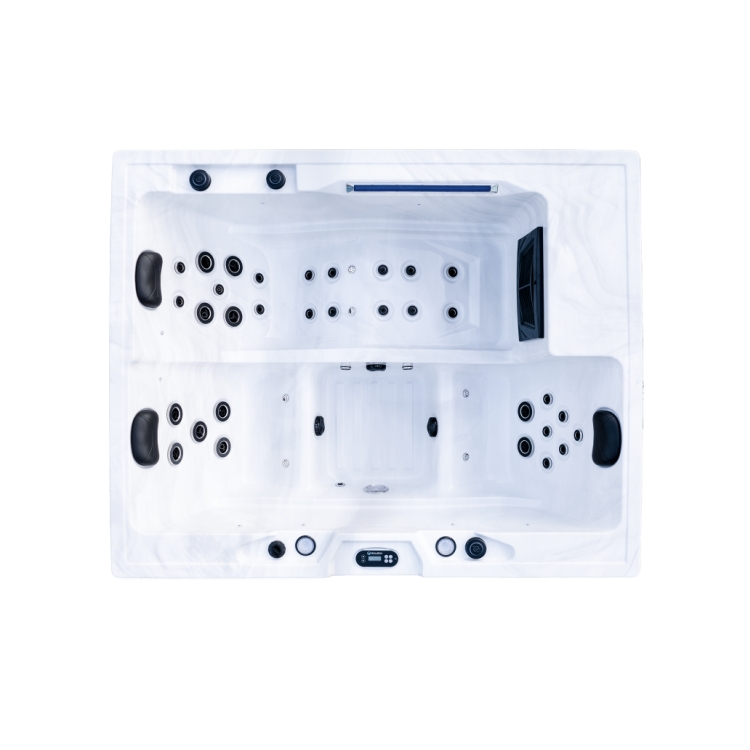
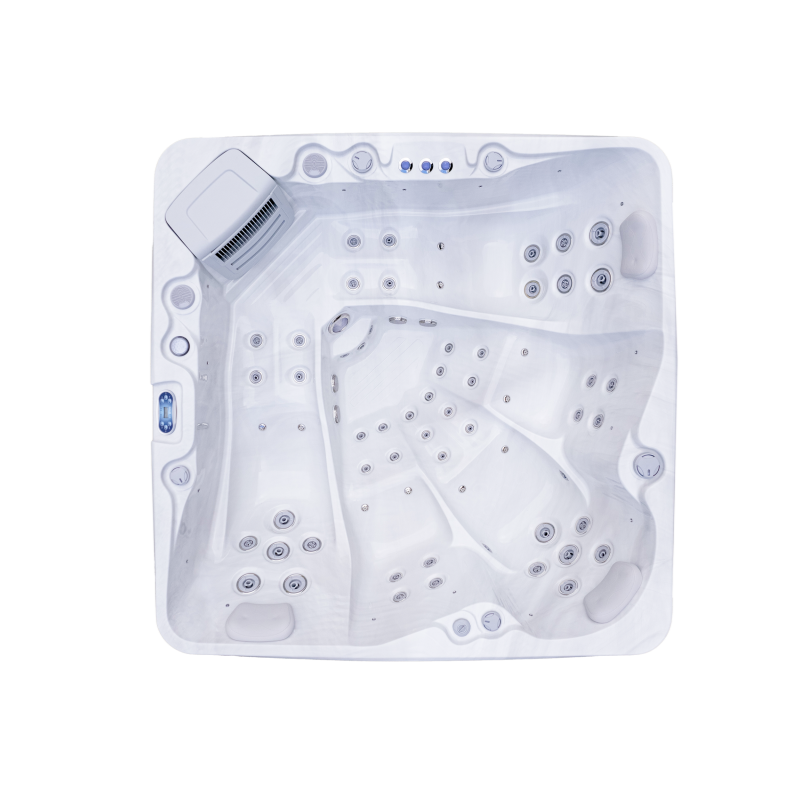
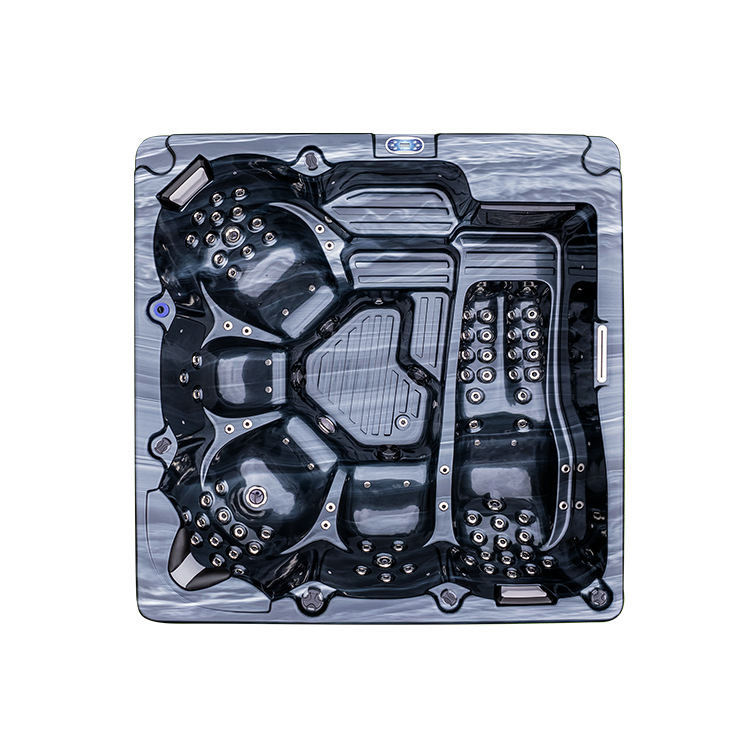
A swim spa tub is a high-end device that combines swimming and spa functions, providing a comfortable and relaxing experience through constant temperature circulation, jet water flow, and massage functions.
However, many people, immersed in this comfort, easily overlook one problem: what are the effects of staying in a swim spa tub for too long on the body, water quality, and even the equipment?
This article will systematically answer this question from the perspectives of physiology, water quality, and equipment maintenance, helping you understand safe usage time, potential risks, and scientific usage principles.
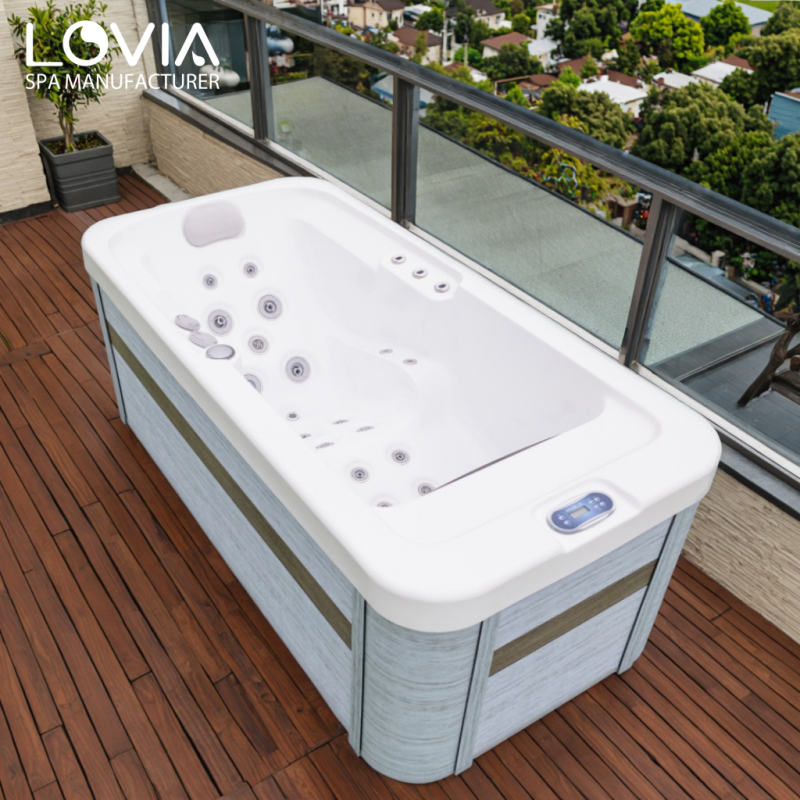
Why should the usage time of a swim spa tub be controlled?
Soaking in a regular bathtub for 30 minutes may seem fine, but the environment of a swim spa tub is completely different. It features constant temperature, jet massage, and high water flow circulation, all of which significantly affect the body's physiological state.
1. The Continuous Effect of Water Temperature on the Body
Most swim spa tubs are set at a temperature between 34°C and 40°C.
While this temperature can soothe muscles, prolonged exposure can lead to:
• Continued vasodilation, causing a drop in blood pressure;
• Increased heart rate to maintain circulation;
• Increased burden on the body's thermoregulatory center;
• Excessive sweating leading to dehydration.
In other words, prolonged immersion in a high-temperature environment can cause a mild form of heatstroke.
2. Physical Stimulation from Massage Nozzles
Swim spa tubs stimulate muscle groups with high-pressure water flow, which can relieve tension and stiffness in the short term. However, if continued for too long, it can cause:
• Localized muscle soreness;
• Skin redness or mild irritation;
• Numbness in sensitive nerve areas.
3. The Burden of Water Circulation on the Body
Swim spa tubs are designed for prolonged use with continuous water flow, creating a constant thrust on the body. Prolonged exposure to this water pressure forces the body to perform constant micro-muscle resistance movements, leading to energy depletion and fatigue accumulation.
Therefore, even if you feel comfortable and relaxed, your body may already be working overtime.
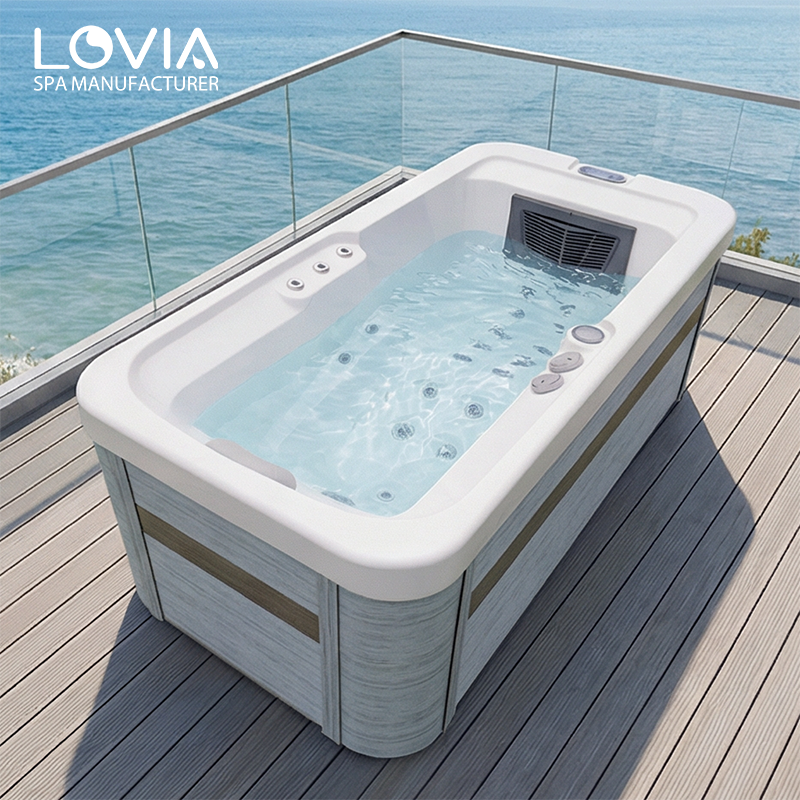
What are the effects on the body if you stay in a swim spa tub for too long?
Different people have different tolerances to hot water and massage, but generally, prolonged soaking will lead to a series of physiological reactions.
1. Increased Body Temperature and Risk of Heatstroke
The human body cannot effectively dissipate heat through sweating in hot water.
When the core body temperature exceeds 38.5°C, the following may occur:
• Dizziness, weakness;
• Nausea or mild vomiting;
• Increased heart rate;
• Confusion.
This is a typical thermosensitive stress response. Continued exposure to high temperatures may develop into mild heatstroke or heat exhaustion.
2. Dehydration and Electrolyte Imbalance
In hot water, the body sweats continuously but imperceptibly.
Prolonged exposure leads to the loss of water and electrolytes (sodium, potassium, magnesium, etc.), resulting in:
• Muscle cramps;
• Decreased blood pressure;
• Fatigue and weakness.
3. Excessive Blood Circulation Dilation
Warm water causes blood vessels in the skin's surface to dilate, helping to dissipate heat.
However, prolonged dilation can cause:
• Temporary insufficient blood supply to the brain, causing dizziness;
• Orthostatic hypotension upon standing (i.e., "standing dizziness").
4. Skin Problems
Prolonged immersion in a swim spa tub causes the skin's stratum corneum to absorb water and swell, leading to:
• Wrinkled and pale skin;
• Decreased barrier function, making the skin more susceptible to bacterial irritation;
• Mild allergies or folliculitis may occur if the water is unclean.
5. Cardiovascular Burden
For individuals with weaker heart function, prolonged exposure to high temperatures may lead to:
• Abnormally rapid heart rate;
• Blood pressure fluctuations;
• In extreme cases, even arrhythmias.
Therefore, individuals with heart disease, high blood pressure, or diabetes should strictly control their usage time.
What is the optimal usage time for a swim spa tub?
1. Standard Recommendations
Based on recommendations from most manufacturers and health organizations:
• At water temperatures of 37°C, the recommended soaking time is no more than 20–30 minutes;
• If the water temperature is close to 40°C, the time should be shortened to no more than 15 minutes.
If you wish to soak multiple times consecutively, allow at least 10–15 minutes between soaks and replenish with sufficient water.
2. Factors Affecting Usage Time
The following conditions will shorten the safe soaking time:
• High water temperature (>38°C);
• Heart, blood pressure, or circulatory system problems;
• After drinking alcohol or on an empty stomach;
• High ambient temperature (poor indoor ventilation).
Conversely, if using a low-temperature circulation mode (e.g., 30–33°C), the soaking time can be appropriately extended to approximately 40 minutes.
3. How to Recognize Signs of "Soaking Too Long"
Leave the swim spa tub immediately if any of the following occur:
• Dizziness, chest tightness, rapid heartbeat;
• Noticeably red or itchy skin;
• Blurred vision or mild dizziness;
• Feeling unusually tired or sleepy.
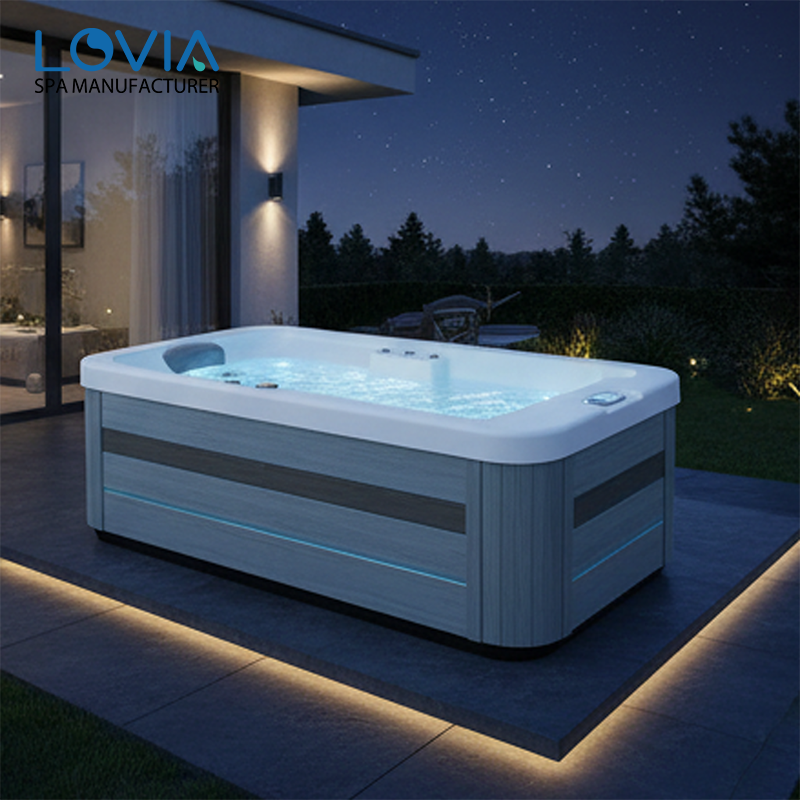
Besides health issues, will staying in the swim spa tub for too long affect water quality?
Many people only focus on their own safety but ignore the damage that prolonged use can cause to water quality. In fact, the rate of water quality deterioration is directly related to the duration of use.
1. Accumulation of Sweat and Oil
When the human body is continuously sweating in the water, sweat and sebum react with chemicals in the water, forming turbidity and foam.
This will lead to:
• Turbid water;
• Foam buildup;
• Increased burden on the filter cartridge.
2. Accelerated Disinfectant Consumption
Prolonged soaking will rapidly deplete the chlorine or bromine disinfectants in the water, thereby reducing their bactericidal ability and increasing the risk of bacterial growth.
3. pH Fluctuations
Skin secretions and exhaled carbon dioxide can lower the pH of the water, leading to:
• Reduced disinfection effectiveness;
• Acidification of the water, corroding metal fittings or acrylic surfaces.
4. Filter Cartridge and Circulation System Pressure
If used by multiple people for extended periods, the filtration system needs to run continuously to maintain cleanliness.
This increases pump wear and shortens filter cartridge life.
Therefore, to maintain the long-term stability of the swim spa tub, controlling the duration of each use is crucial not only for personal safety but also for equipment maintenance.
What long-term risks might prolonged immersion in the swim spa tub cause?
Even without immediate discomfort, frequent and prolonged soaking can have chronic effects on the body and the equipment.
1. Chronic Dehydration and Electrolyte Imbalance
Frequent and prolonged soaking can lead to chronic, mild dehydration, affecting metabolism and skin health.
2. Skin Sensitivity or Dryness
Hot water continuously dissolves the skin's surface oils; over time, this weakens the skin barrier, causing dryness or sensitivity.
3. Decreased Immune System Adaptability
Improper water quality maintenance and repeated exposure to low-concentration bacterial environments may lead to recurring mild skin inflammation.
4. Accelerated Equipment Aging
Prolonged high-temperature operation accelerates the aging of rubber seals, nozzles, and water pump bearings, reducing the overall lifespan of the machine.
Who is more susceptible to the effects of prolonged soaking?
1. Elderly Individuals
Due to decreased thermoregulation, the elderly are more prone to dizziness or heart rate fluctuations in high-temperature environments.
2. Pregnant Women
Pregnant women already have a higher core body temperature; prolonged soaking may cause fetal discomfort or maternal dehydration, so caution should be exercised.
3. Children
Children have a relatively large body surface area, resulting in rapid heat dissipation but weaker thermoregulation. Prolonged soaking in a swim spa tub can easily cause their body temperature to rise too quickly.
4. Individuals with Cardiovascular Disease or Diabetes
These individuals are more sensitive to temperature changes and should use the tub under medical supervision, strictly controlling the time and temperature.
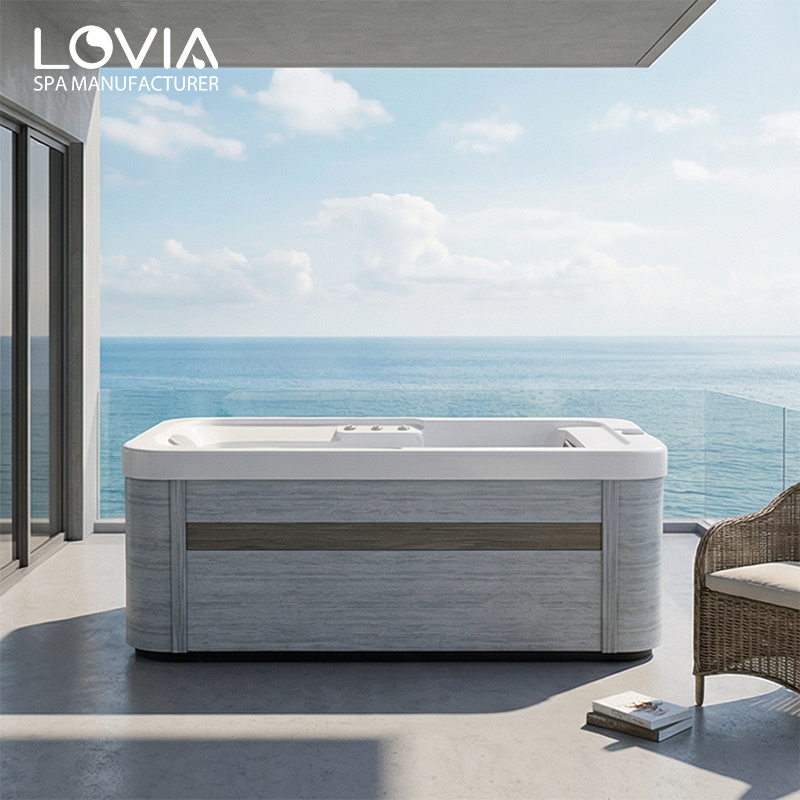
How to Enjoy a Swim Spa Tub Safely?
To avoid health and water quality problems caused by prolonged soaking, please follow these scientific recommendations:
1. Control Time and Temperature
• Maintain the temperature between 36°C and 38°C;
• Do not soak for more than 30 minutes at a time;
• If longer soaking is necessary, take breaks between soaks.
2. Stay Hydrated
Drinking a glass of water before and after using the swim spa tub helps prevent dehydration. Avoid alcohol and caffeinated beverages.
3. Regularly Test Water Quality
Ensure chlorine, pH, and alkalinity are within safe ranges.
If multiple people are using the tub, add an appropriate amount of disinfectant after each use.
4. Avoid Using After Meals or on an Empty Stomach
Soaking immediately after meals may affect digestion; soaking on an empty stomach can easily lead to hypoglycemia or dizziness.
5. Close the lid Immediately After Use
This reduces heat loss, prevents external contamination, and maintains a stable temperature inside the swim spa tub.
How does LOVIA SPA help Buyers control costs when purchasing hot tubs?
LOVIA SPA helps Buyers manage costs by offering factory-direct pricing, flexible order quantities, and configuration options that suit different budgets. Our Factory optimizes production efficiency to maintain Low price without sacrificing quality.
Buyers can request multiple Quotes to compare configurations and select the best value option. For Wholesale Purchasing, we also provide volume Discounts and long-term pricing agreements.
