

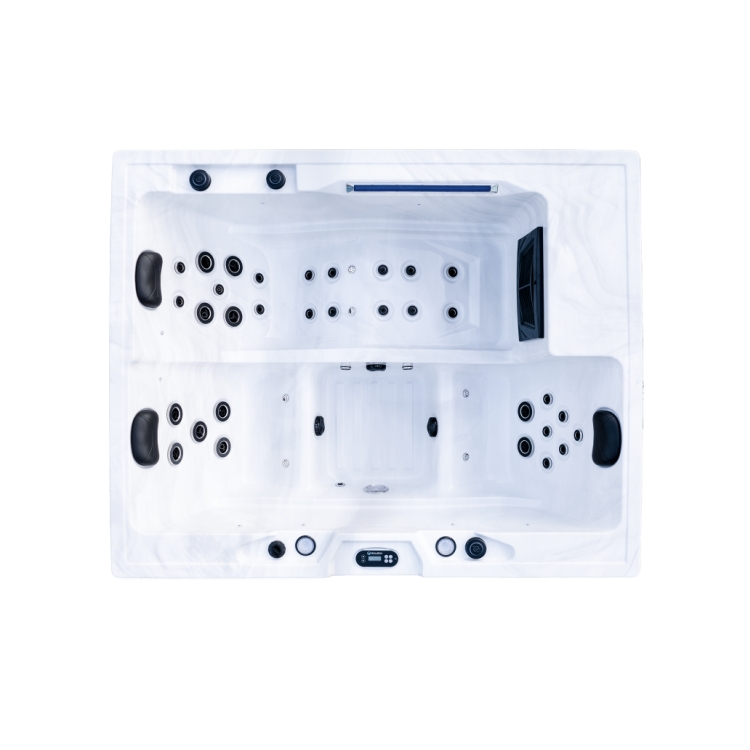
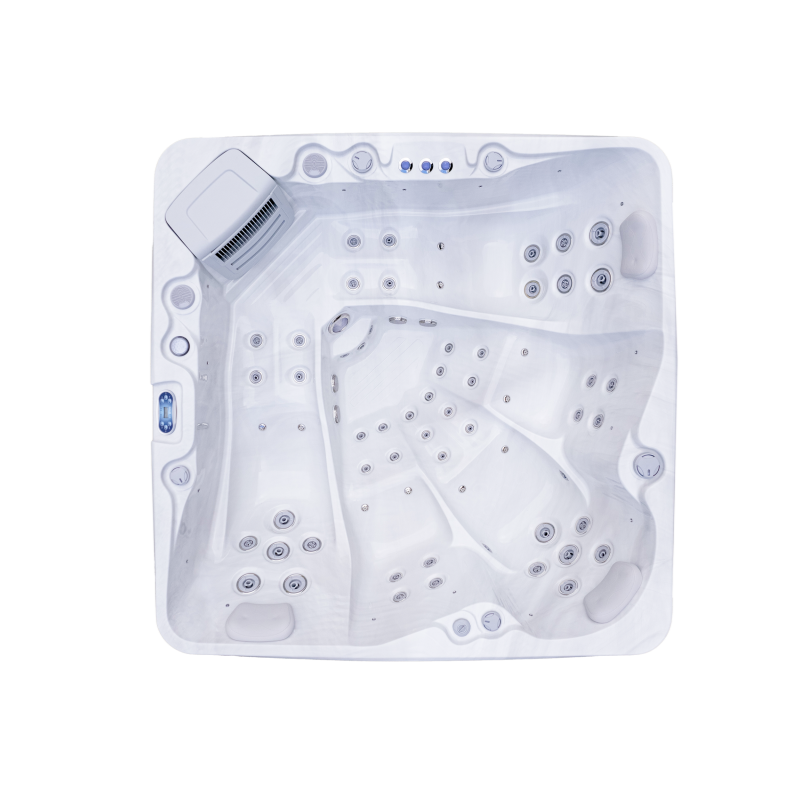
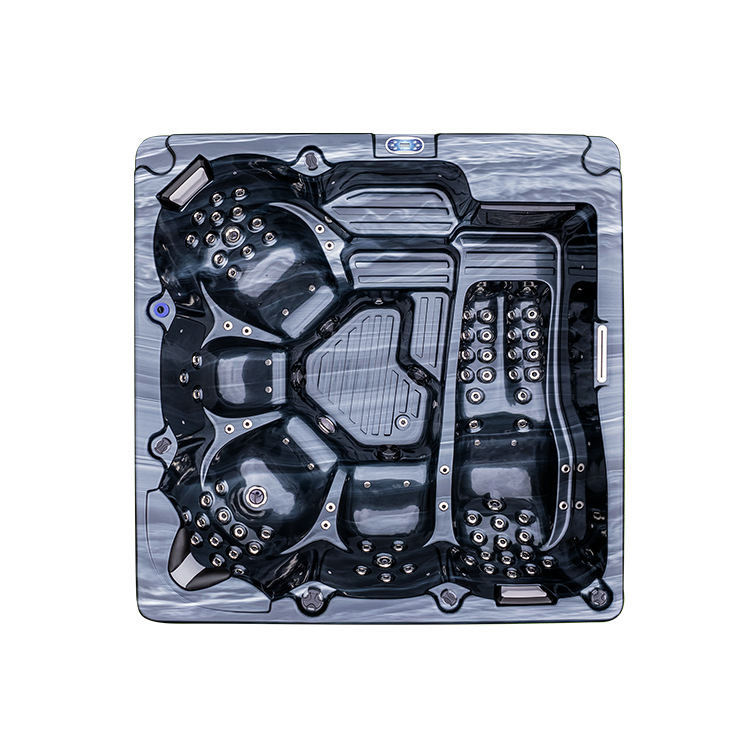
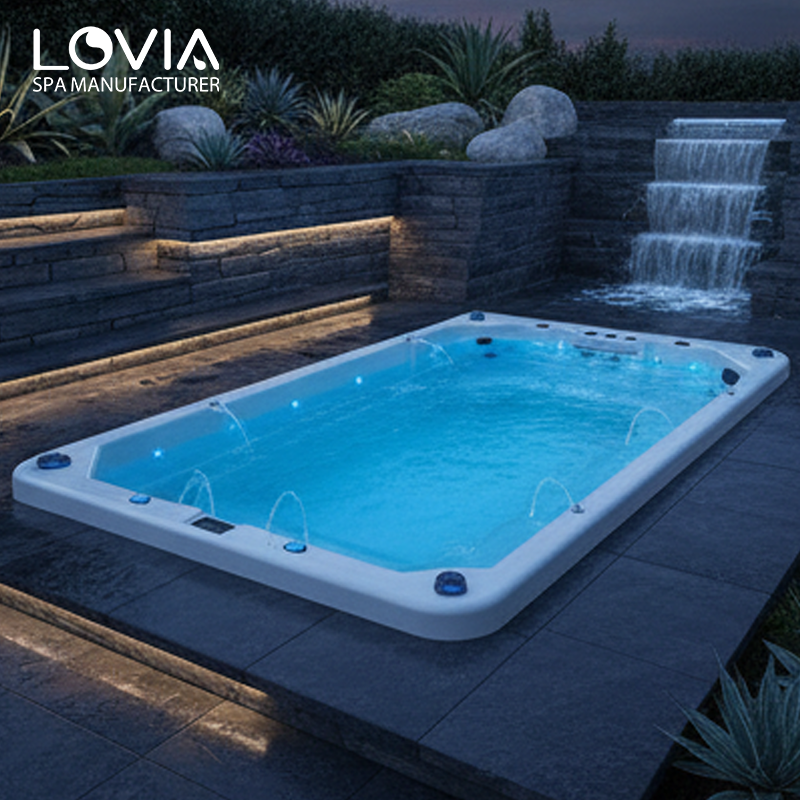
A swim spa tub combines the functions of a swimming pool and a spa massage tub, making it a popular recreational feature in many homes and fitness spaces. It provides a temperature-controlled swimming experience while allowing users to relax and rejuvenate under high-pressure water.
However, no matter how advanced your swim spa tub system is, it requires a fundamental maintenance step—regular water changes.
Many users, in an effort to save time or money, may overlook the importance of water changes, even relying on filtration systems or disinfectants to maintain water quality for extended periods. So, what happens if you never change the water in your swim spa tub?
This article will systematically analyze the consequences of not changing the water for a long time, from multiple perspectives, including water quality changes, bacterial growth, chemical balance, equipment wear and tear, and health risks. It will reveal the serious consequences of not changing the water regularly through scientific principles and practical operational logic.
Why does the water in a swim spa tub need to be changed regularly?
Unlike a regular bathtub, a swim spa tub is a circulating system. Water continuously flows between filters, heaters, nozzles, and pumps to maintain a constant temperature and pressure. While filtration systems remove large particles and chemical disinfectants (such as chlorine or bromine) inhibit some bacteria, they cannot maintain water quality indefinitely.
The main reasons are as follows:
1. Accumulation of Dissolved Solids (TDS)
Every time a swim spa tub is used, human skin flakes, sweat, skincare product residue, shampoo, and even airborne dust are introduced into the water. These organic and inorganic substances form Total Dissolved Solids (TDS). TDS rises continuously, eventually causing the water to become cloudy, lose its transparency, and affect the effectiveness of chemical disinfectants.
2. Chemical Imbalance
The water chemistry in a swim spa tub needs to be maintained within a stable range, such as pH (7.2–7.8), alkalinity (80–120 ppm), and calcium hardness (150–250 ppm). Over time, disinfectant residue, evaporation concentration, and the introduction of foreign substances can cause these parameters to shift, leading to corrosion, scaling, or foaming problems.
3. Biofilm Formation
Bacteria, fungi, and algae can form a slimy biofilm on the internal structures of pipes, nozzles, and filters. Even with disinfectants in the water, these microorganisms can survive and multiply within this film. Regular water changes and system flushing are among the only effective ways to break up biofilms.
In summary, regular water changes are not only a hygiene issue but also a core element in maintaining the performance and lifespan of your swim spa tub.
What physical changes occur if the water in your swim spa tub is not changed for a long time?
When you don't change the water in your swim spa tub for months or even a year, the first changes will be in appearance and feel. These phenomena are often signals of more serious problems.
1. The water becomes cloudy or yellowish
Due to the accumulation of skin oils, skincare product residue, and dust, the concentration of particulate matter in the water gradually increases. When the TDS exceeds a reasonable range, the refractive index of the water changes, causing it to appear cloudy, yellowish, or even greenish to the naked eye.
2. Foam and Oil Film on the Surface
The powerful jet function of the swim spa tub agitates the water, causing dissolved organic matter to form foam. Foam not only affects appearance but also reduces the efficiency of the filtration system. An oil film on the surface indicates a significant accumulation of organic pollutants.
3. Odor Generation
The decomposition of organic matter in the water releases gases such as ammonia and sulfides, resulting in a pungent "stinky water smell" or "chemical odor." This odor indicates that the water has lost its balance, and disinfectants are not working effectively.
Will bacteria grow if the water in the swim spa tub is not changed?
The answer is yes. In fact, bacterial growth is one of the most serious consequences of not changing the water for a long time.
The temperature in a swim spa tub is usually between 30–38°C, a temperature range that is the ideal growth environment for most bacteria. When the disinfectant concentration decreases or is neutralized by organic matter, bacteria in the water will multiply rapidly.
1. Common Bacterial Types
• Pseudomonas: Prone to skin infections and folliculitis.
• Legionella: Can cause severe Legionnaires' disease.
• Staphylococcus: Can survive in warm water and cause skin ulcers.
• Mold and algae: While not necessarily pathogenic, they can make surfaces slippery and clog filters.
2. The Protective Role of Biofilms
Bacteria often aggregate to form "biofilms," adhering to the inner walls of pipes and nozzles. This film is naturally resistant to disinfectants, meaning that even if the water surface appears clear, potential health hazards may lurk beneath. These microorganisms can only be effectively removed by regularly changing the water and using pipe cleaners.
Will not changing the water in the swim spa tub affect the equipment's lifespan?
Yes. Not changing the water for a long time not only damages water quality but also accelerates equipment aging and wear.
1. Chemical Corrosion
When the pH value is consistently low (acidic), metal components such as heaters, pump shafts, and joints will corrode; if the alkalinity is too high (alkaline), it will cause scaling and clog nozzles. Both situations reduce circulation efficiency and may even lead to equipment malfunction.
2. Increased Burden on Filters and Pumps
When filters are clogged with organic impurities, water flow decreases, and pump operating pressure increases. Prolonged operation under high load can easily burn out the motor.
3. Sensor and Heating System Malfunctions
Changes in water quality cause mineral deposits to accumulate on sensors, leading to inaccurate temperature or flow readings and ultimately causing erroneous responses from the automatic control system.
What Health Risks Lie in Not Changing the Water in the Swim Spa Tub?
The water in the swim spa tub comes into direct contact with the human body, so the health risks of water contamination cannot be ignored.
1. Skin and Eye Irritation
Residual ammonia compounds, chloramines, and bacterial metabolites in the water can cause itchy skin, rashes, or burning sensations. Eyes exposed to unclean water are also prone to congestion or inflammation.
2. Respiratory Problems
If Legionella bacteria multiply in the water, inhaling the bacteria-laden mist from the nozzles can cause serious lung infections.
3. Higher Risk for Individuals with Weakened Immune Systems
For the elderly, children, or those with weakened immune systems, even low bacterial concentrations in the water can lead to infection.
Can Filter Cartridges and Disinfectants Replace Water Changes?
Many users mistakenly believe that regularly changing filter cartridges and adding disinfectants will maintain water quality indefinitely. This is a common misconception.
Filters physically remove particulate matter, not dissolved impurities; while disinfectants kill some bacteria, they cannot remove dead cells and chemical residues.
Over time, these dead cells and residues accumulate, leading to "chemical saturation" of the water. Therefore, even if tests show normal chlorine levels, the water may still be "expired."
In other words, filter cartridges and disinfectants are maintenance methods, not replacements. Regular water changes remain crucial for maintaining a healthy cycle in your swim spa tub.
How Often Should You Change the Water in Your Swim Spa Tub?
The ideal replacement cycle depends on the tub's size and frequency of use. A general rule of thumb is:
Water change cycle (days) = (Bathtub water volume ÷ Average number of users per day ÷ 3)
• For example, a 6000-liter swim spa tub used by an average of 2 people per day: 6000 ÷ 2 ÷ 3 ≈ 1000 days → Water should be changed approximately every 3 months.
For household users, it is generally recommended:
• Light use (1–2 times per week): Change the water every 4–5 months.
• Frequent use (daily or shared by multiple people): Change the water every 2–3 months.
In addition, a thorough pipe cleaning should be performed before each water change to prevent bacteria from the old water from contaminating the new water.
Will not changing the water in the swim spa tub for a long time lead to increased energy consumption?
Yes. Aging water not only affects hygiene but also increases energy consumption.
When the concentration of impurities in the water increases, the filtration system needs more time to maintain clean water flow; scale buildup on the inner wall of the heater reduces heat transfer efficiency, leading to longer heating times and increased power consumption.
Studies show that for every 1 mm increase in scale thickness, energy consumption can increase by 10%–15%. Therefore, maintaining clean water not only improves the user experience but also significantly reduces electricity bills.
Can a swim spa tub that doesn't have its water changed still pass testing?
If you wish to apply for warranty or testing services, manufacturers usually require a water quality report. If the test results show:
• TDS exceeding the standard;
• pH value significantly deviating;
• Bacterial concentration exceeding safety standards;
• The manufacturer may determine that it is due to improper user maintenance and refuse warranty coverage.
In other words, regularly changing the water in the swim spa tub is not only a health practice but also a warranty compliance requirement.
Will not changing the water in the swim spa tub affect the spa experience?
Of course. The core of a spa massage lies in the dynamics and comfort of the water flow. When impurities increase in the water and pipe resistance rises, the pressure of the nozzles and the water flow pattern will change, affecting the spa experience. Furthermore, stale water can develop an unpleasant odor, a sticky feel, or foam, ruining the relaxing atmosphere and making what should be a comfortable treatment unpleasant.
How to scientifically maintain the water quality of a swim spa tub?
To avoid the above problems, here are some scientific maintenance recommendations:
• Regular water changes: Change the water every 2–4 months.
• Maintain chemical balance: Regularly check pH, alkalinity, and calcium hardness.
• Clean the filter: Flush it weekly and replace it every 1–2 months.
• Use pipe cleaner: Run the filter for 20–30 minutes to clean the inside before each water change.
• Cover the filter: Reduce dust and insects from entering and prevent sunlight from accelerating algae growth.
• Maintain water circulation: Run the filtration system for at least 4 hours daily to ensure water flow.
