

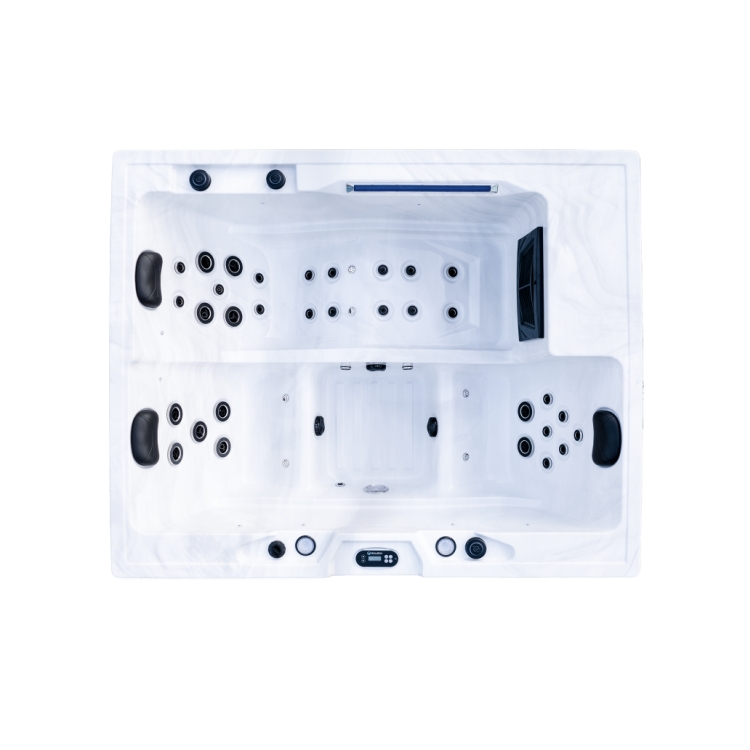
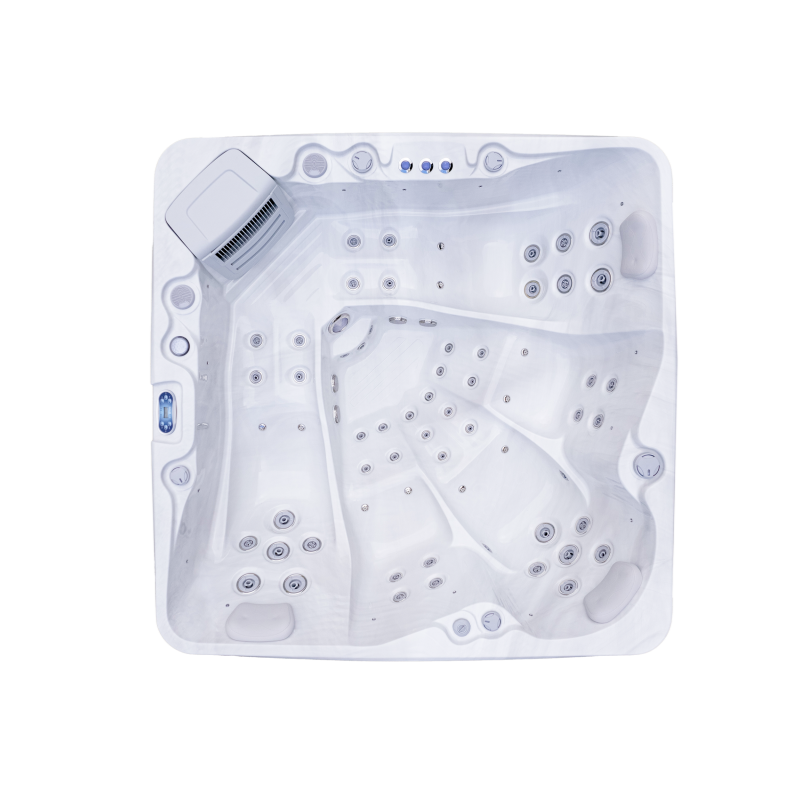
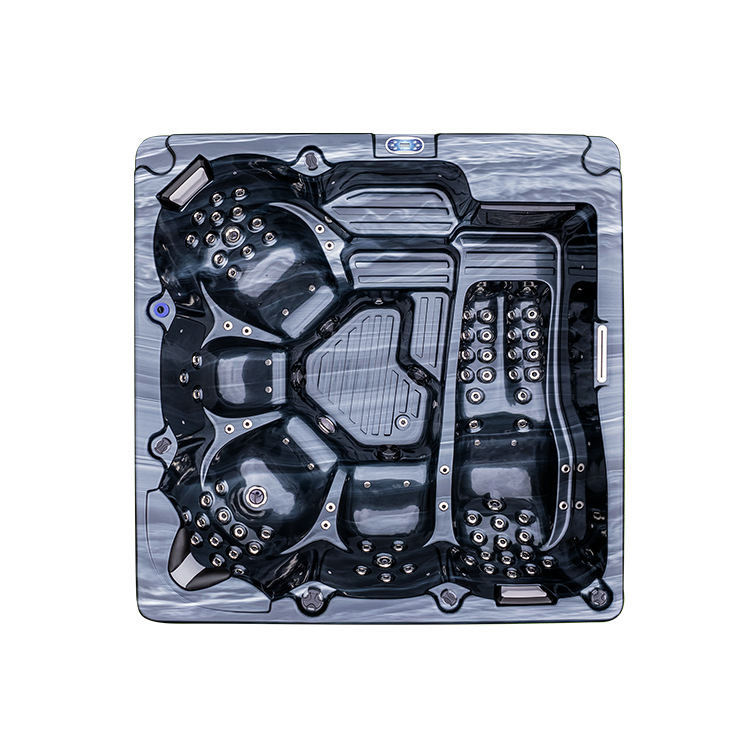
Swim spa tubs are becoming increasingly popular in modern homes and recreational facilities. They not only provide the benefits of aquatic exercise but also offer muscle relaxation and stress relief through hydro-massage.
However, many users have questions about swim spa tub maintenance, and one of the most common questions is: How often should you drain your swim spa tub?
This article will comprehensively answer this question from multiple perspectives, including water quality management, safety, drainage cycles, cleaning and maintenance, and operational details, to help you scientifically manage your swim spa tub, extend its lifespan, and ensure safe use.
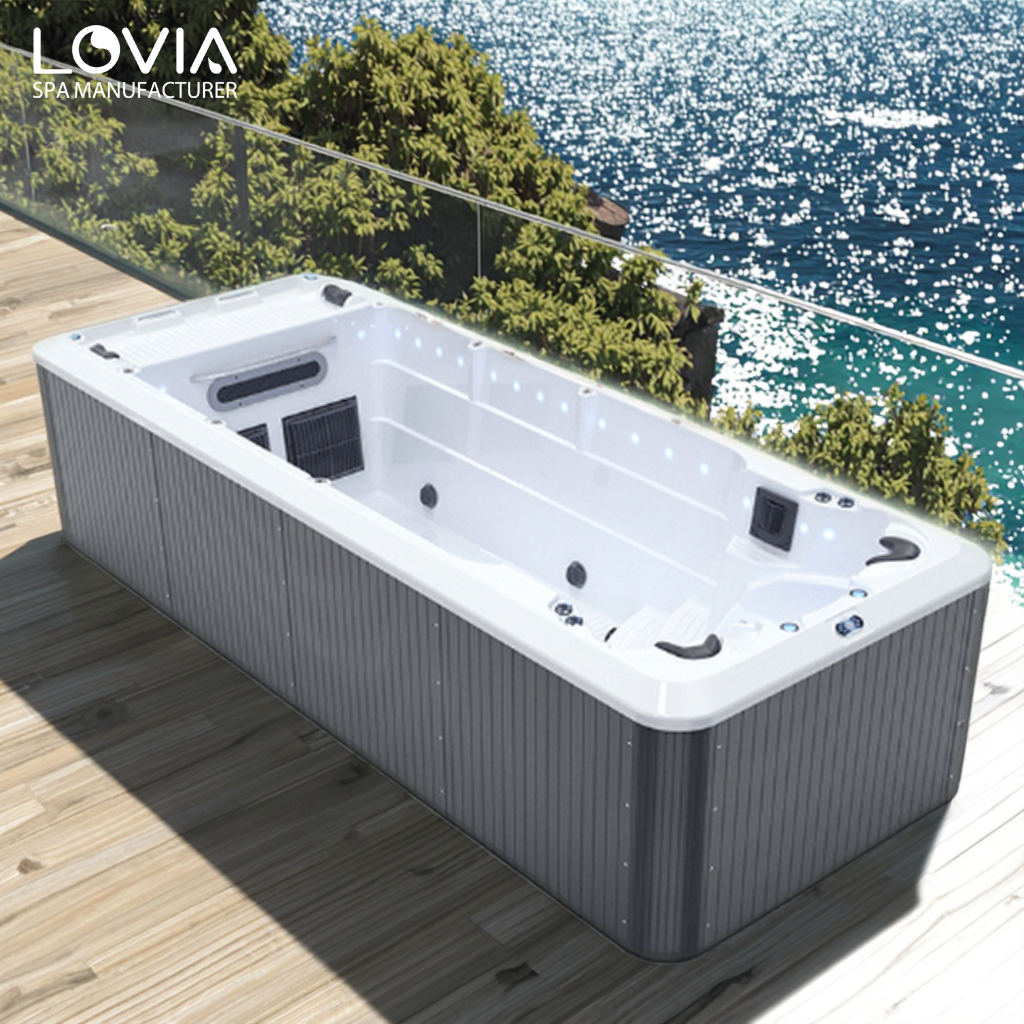
Why does a swim spa tub need regular draining?
Although the water in a swim spa tub is disinfected, it is still continuously contaminated during use. Failure to drain the water regularly will lead to water quality deterioration, affecting the user experience and health. Here are the specific reasons:
1. Accumulation of organic matter
When using a swim spa tub, the body introduces sweat, skin cells, cosmetics, skincare products, and even small amounts of urine. These organic substances gradually accumulate with increased use, and the disinfectants in the water may not be able to completely break them down, leading to cloudy water and becoming a breeding ground for bacteria and algae.
2. Disinfectant consumption and ineffectiveness
Swim spa tubs typically use chlorine, bromine, or other disinfectants to kill bacteria. However, with the continuous addition of organic matter, the disinfectant is rapidly consumed, and the residual bactericidal capacity in the water decreases. If the water is not drained for a long time, even with daily replenishment of disinfectant, the water quality may still be unsafe.
3. Scale and sediment accumulation
Minerals such as calcium and magnesium in the water will deposit on the pipes, nozzles, and bathtub surface, forming scale. Failure to drain and clean for extended periods can lead to pump blockage, reduced heater efficiency, and even damage to the swim spa tub's piping system.
4. Decreased water temperature and comfort
Water that has been used for a long time may experience uneven temperature, odors, or slight cloudiness, affecting the user's comfort. Regularly draining and refilling with fresh water ensures clear water and a comfortable temperature in the swim spa tub.

How often should a swim spa tub be drained?
The drainage cycle of a swim spa tub varies depending on the frequency of use, the number of users, the disinfection method, and the water quality. The following is a detailed analysis:
1. Light Home Use
• Usage frequency: 1-2 times per week, with a small number of users (1-2 people).
• Recommended draining cycle: Every 3-4 months.
Principle: Swim spa tubs with light use have relatively less water contamination, and disinfectants can maintain water quality for a longer period. However, regular draining and cleaning of pipes and surfaces are still necessary to prevent the accumulation of organic matter.
2. Moderate to Heavy Home Use
• Usage frequency: More than 3 times per week, or multiple users simultaneously.
• Recommended draining cycle: Every 2-3 months.
Principle: Swim spa tubs with moderate use accumulate organic matter in the water more quickly, increasing disinfectant consumption. Draining earlier can maintain clear water quality and extend the equipment's lifespan.
3. Commercial Use
• Usage frequency: High-frequency daily use, with many users.
• Recommended draining cycle: Every 1-2 months.
Principle: Commercial swim spa tubs have higher water quality requirements. High-frequency use leads to rapid water contamination, so the draining cycle must be shortened to ensure safe use.
How to determine if your swim spa tub water needs draining?
In addition to draining according to a fixed schedule, you can also determine whether draining is needed earlier based on water quality and equipment condition:
1. Cloudy or abnormal water color
If the swim spa tub water appears green, yellow, or cloudy, it indicates excessive accumulation of organic matter or algae growth in the water. The water should be drained and cleaned immediately.
2. Obvious odor
A pungent chlorine or ammonia smell is a clear sign of deteriorating water quality. Especially if the chlorine smell is unusually strong, it indicates that organic matter in the water has reacted with the disinfectant to form chloramines, reducing the sterilization capacity, and requiring draining.
3. Increased floating debris on the water surface
Skin flakes, hair, or cosmetic residue floating on the water surface indicate serious contamination of the swim spa tub water. Draining and cleaning can prevent microbial growth.
4. Clogged pipes or nozzles
If not drained for a long time, scale or sediment can clog the nozzles or pipes, affecting water flow and massage effects, and increasing the load on the water pump. Draining and cleaning are necessary.
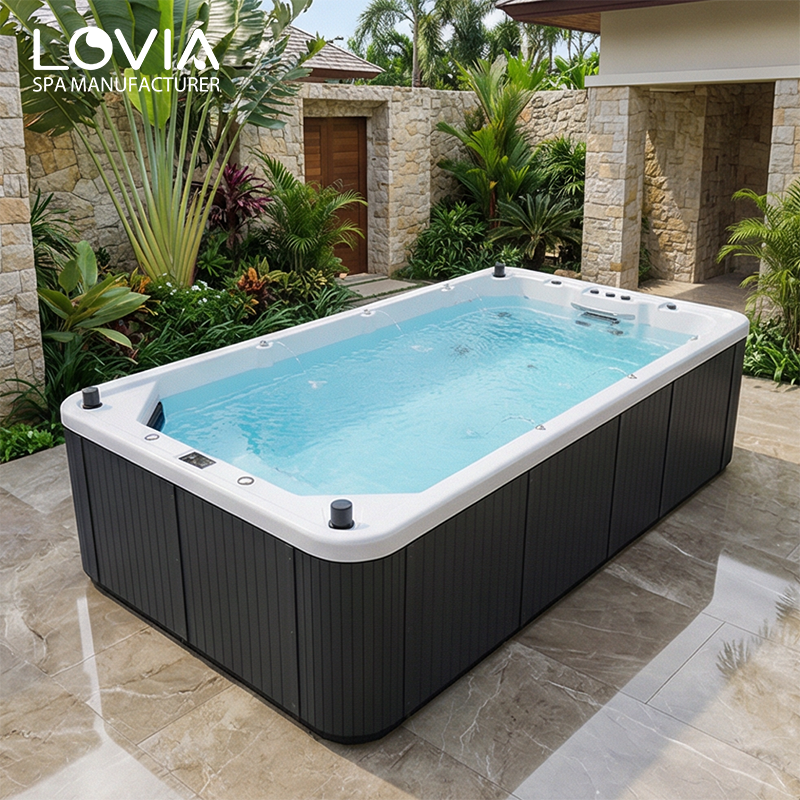
Cleaning and Maintenance After Draining the Swim Spa Tub
Draining is only the first step; scientific cleaning and maintenance are essential to ensure safe water quality and extend the lifespan of your swim spa tub.
1. Bathtub Surface Cleaning
• Clean the inner walls with a neutral detergent and a soft cloth, avoiding strong acids, alkalis, or metal brushes to prevent damage to the material.
• Pay attention to cleaning the nozzles, suction ports, and pump inlet to prevent blockages.
2. Piping System Cleaning
• Use a pipe cleaning agent to circulate and flush the system, removing deposits and bacteria.
• Regularly inspect pipe joints, valves, and pumps to ensure there are no leaks or corrosion.
3. Adding New Water and Adjusting Water Quality
• After draining, add new water and adjust the pH to 7.2–7.8 to ensure neutral water quality.
• Add disinfectant (free chlorine 1–3 ppm) to ensure the water has sufficient bactericidal capacity.
• Use water quality testing tools to monitor the water and ensure safety.
4. Equipment Maintenance
• Check the water pump, heater, nozzles, and filter, remove deposits, and ensure normal operation.
• The filter should be replaced or cleaned every time the tub is drained to ensure smooth water circulation.
Relationship between Swim Spa Tub Drainage Cycle and Water Treatment Methods
The drainage frequency is also affected by the water treatment method:
1. Conventional Chlorine Disinfection
• The most common method; the swim spa tub drainage cycle mainly depends on the frequency of use and water quality, generally around 3 months.
• Regular draining helps maintain clear water quality and extends the life of pipes and pumps.
2. Ozone or UV-assisted Disinfection
• Can extend the water usage time, but cannot completely replace draining and cleaning.
• When using these technologies, the drainage cycle can be extended by 1-2 weeks, but still needs to be determined based on water quality.
3. Water Softening or Ionization Systems
• Can reduce scale buildup and keep the water clear, but has limited control over the accumulation of organic matter and microorganisms.
• The drainage cycle still needs to be determined based on the frequency of use and water quality test results.
Risks of Delayed Swim Spa Tub Drainage
Neglecting drainage can lead to several negative consequences:
1. Water Quality Deterioration
The swim spa tub water becomes cloudy, and bacteria and algae proliferate, increasing the risk of skin infections and respiratory irritation.
2. Disinfectant Ineffectiveness
Chlorine or bromine is consumed too quickly, and the water cannot maintain its bactericidal effect, reducing safety.
3. Equipment Damage
Water pumps, heaters, pipes, and nozzles are susceptible to clogging or corrosion from sediment, increasing maintenance costs.
4. Reduced User Experience
The swim spa tub water may develop unpleasant odors, abnormal colors, or reduced massage effectiveness, impacting comfort and usability.
Scientific Procedure for Draining a Swim Spa Tub
To ensure safety and efficiency, the draining of a swim spa tub should follow these steps:
1. Turn off the power and equipment
Avoid running the water pump or heater during the draining process to prevent equipment damage.
2. Drain the water
Completely drain the water using the drain valve or water pump, ensuring minimal residual water remains in the pipes.
3. Clean the inner walls and nozzles
Use a neutral detergent to clean the inner walls of the tub. The nozzles and suction ports can be removed for cleaning to remove sediment.
4. Flush the piping system
Circulate and flush the piping system to ensure smooth water flow and prevent blockages and sediment buildup.
5. Add new water and adjust water quality
After adding new water, adjust the pH value, add disinfectant, and start the circulation system for even mixing.
6. Water quality monitoring
Use testing tools to check free chlorine, total chlorine, and pH levels to ensure water quality safety.
What kind of documentation does LOVIA SPA provide for resellers?
LOVIA SPA supplies resellers with technical manuals, product descriptions, specification sheets, and compliance documents. These materials help buyers promote products professionally and meet local regulatory needs. Wholesale partners can also request customized documentation under their own brand name.
Our factory ensures all information is accurate and up-to-date. This documentation support adds value to every purchase and strengthens reseller credibility in competitive markets.
