

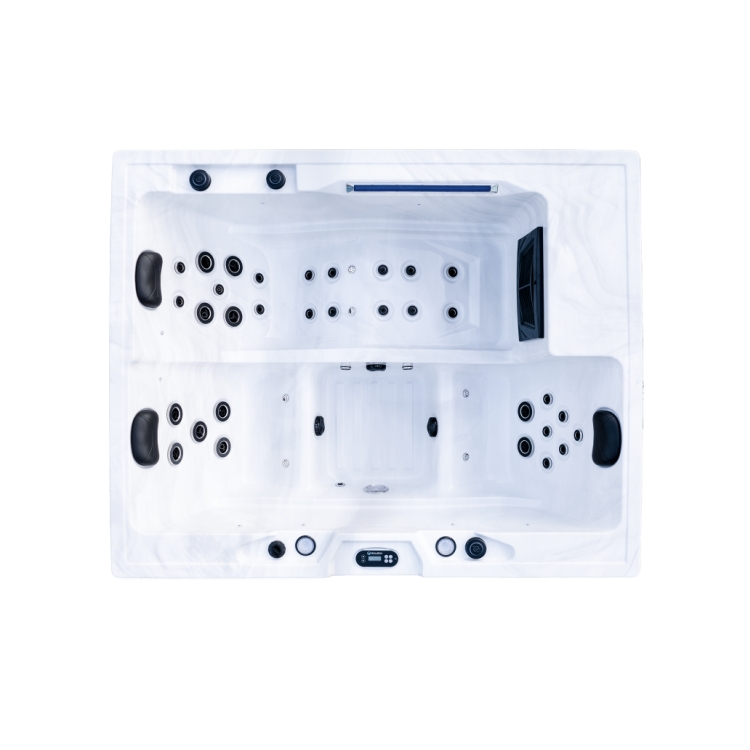
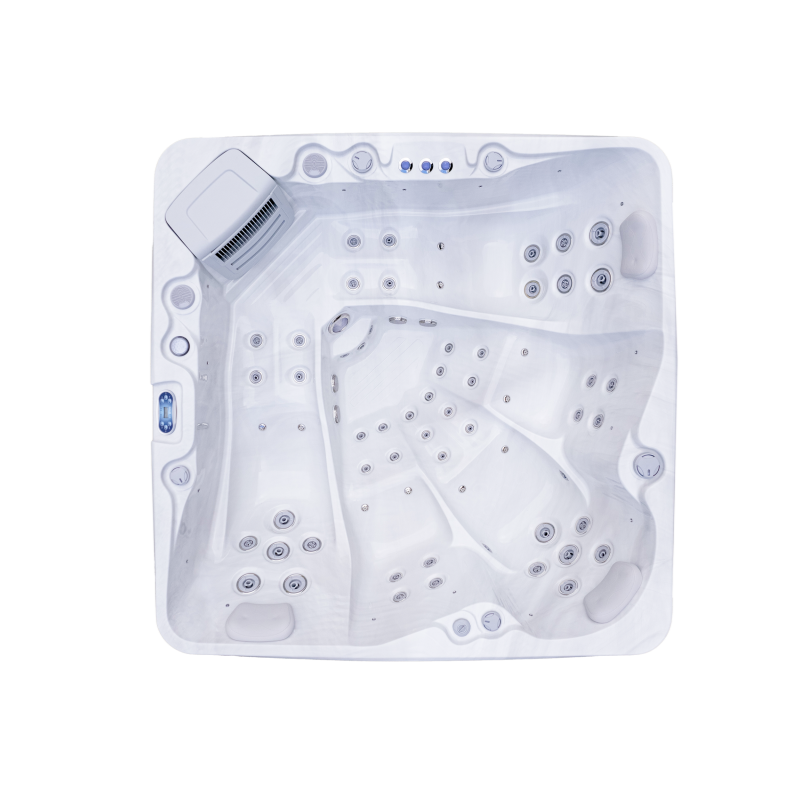
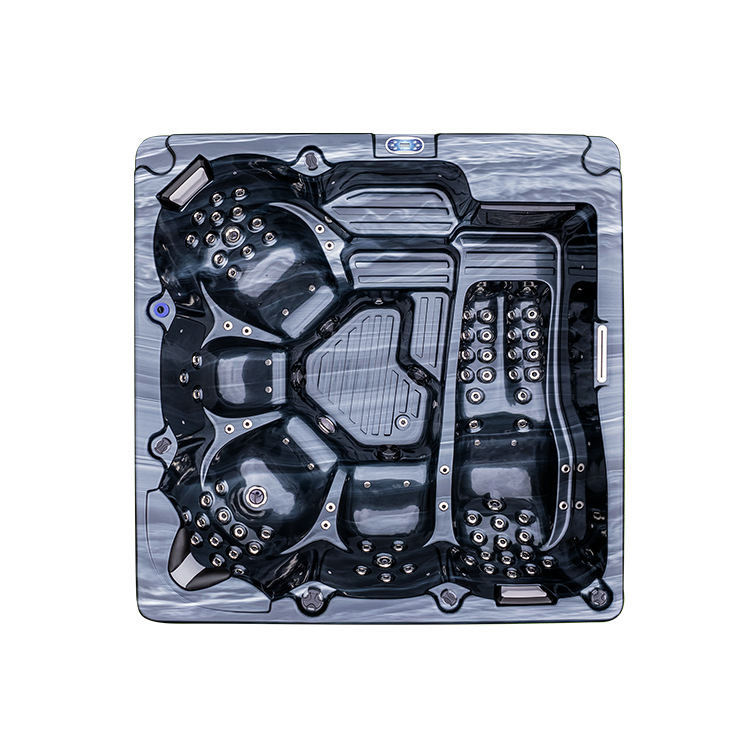
Maintaining clean and safe water in a whirlpool spa hot tub is crucial for daily use. Whether used in a home garden, on a balcony, or in a spa center, the frequently circulating and high-temperature water of a whirlpool hot tub easily becomes a breeding ground for bacteria.
To maintain clear water and prevent the growth of algae and germs, regular addition of chlorine tablets is essential.
However, many users have questions: How many chlorine tablets are actually needed for a whirlpool spa hot tub? Will too many tablets irritate the skin? Will too few tablets affect the disinfection effect?
This article will provide a detailed explanation of the scientific dosage of chlorine tablets for whirlpool spa hot tubs, influencing factors, and maintenance points.
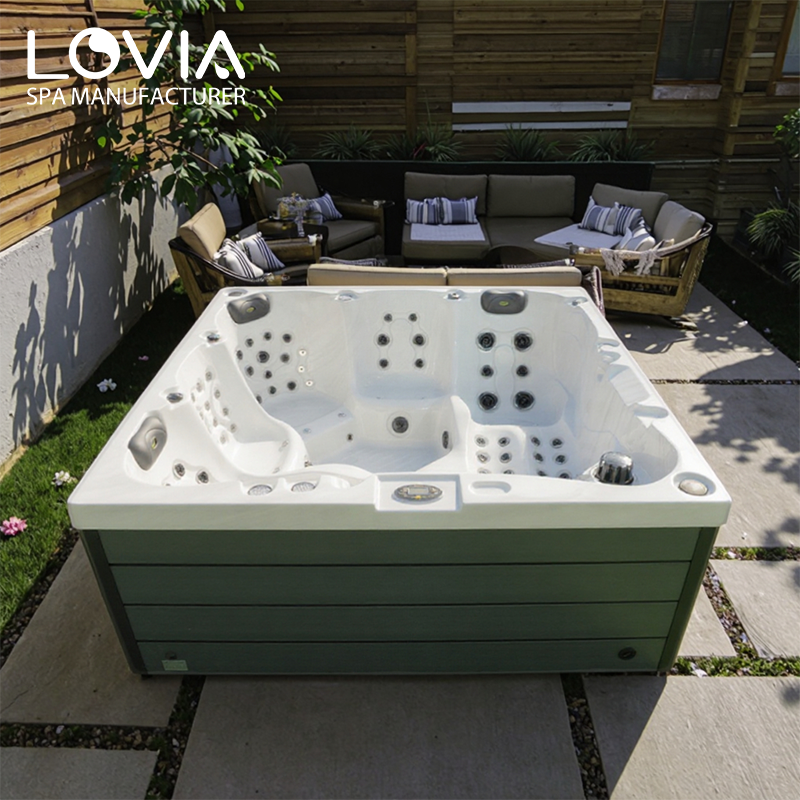
Why is it necessary to use chlorine tablets in a whirlpool hot tub?
The biggest difference between a whirlpool spa hot tub and a regular bathtub is that it has a circulation system and a jet bubble system. This continuously heated and circulating water environment easily becomes a breeding ground for bacteria. When people bathe, they release skin cells, sweat, oils, and other organic matter. If not purified promptly, the water quality will quickly become cloudy and even produce unpleasant odors.
The main functions of chlorine tablets include:
• Killing bacteria and fungi: Chlorine tablets effectively destroy the cell structure of microorganisms, preventing the growth of pathogens in the water.
• Decomposing organic pollutants: They remove substances such as human secretions and cosmetic residues.
• Preventing algae formation: They keep the water transparent and prevent the growth of green or slimy algae on the bathtub walls.
• Continuous disinfection: Chlorine tablets dissolve slowly, maintaining an effective chlorine concentration for a longer period.
Therefore, using chlorine tablets in a whirlpool spa hot tub is a key measure to ensure healthy water quality, and the correct dosage must be applied regardless of the bathtub capacity or frequency of use.
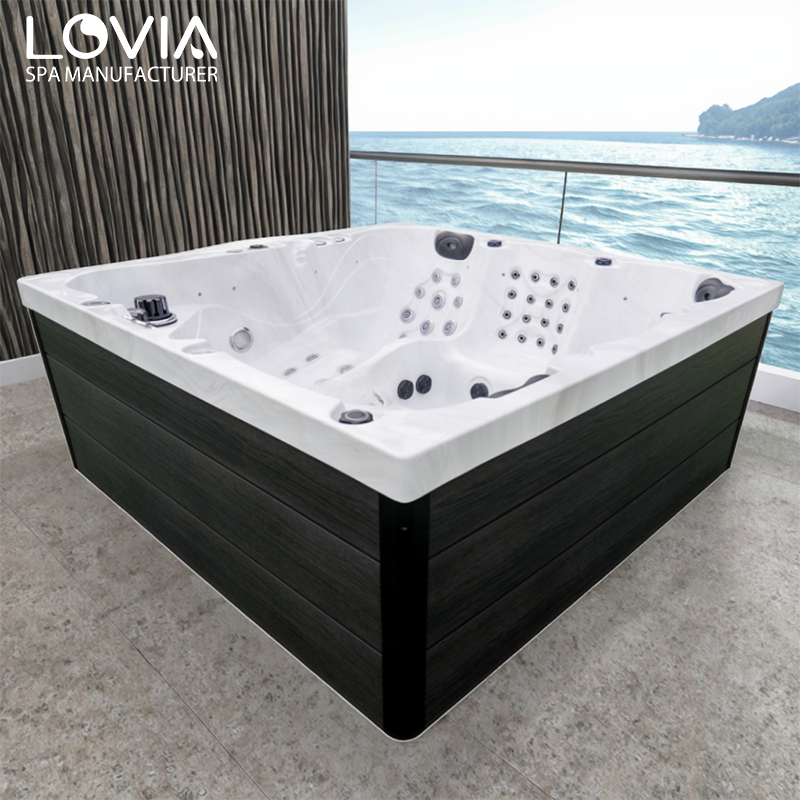
How many chlorine tablets are appropriate for a whirlpool hot tub?
1. Calculating the standard dosage of chlorine tablets based on water volume
Generally, the recommended dosage of chlorine tablets is calculated per 1000 liters of water. The standard dosage for most commercially available chlorine tablets (containing approximately 90% chlorine) is as follows:
• Add 1 to 2 tablets (approximately 20 grams) per 1000 liters of water to maintain an effective chlorine concentration between 1.5–3 ppm (parts per million). • If your whirlpool spa hot tub has a capacity of 1500 liters, it is recommended to add 1.5 to 3 chlorine tablets.
• For hot tubs with higher water temperatures (above 37°C), the dosage can be appropriately reduced to approximately 1.5 tablets per 1000 liters to prevent excessive chlorine evaporation.
✅ Tip: It is recommended to add fewer chlorine tablets when filling the tub for the first time, and then test the water quality with test strips and adjust accordingly. This maintains disinfection effectiveness while avoiding the irritating odor caused by excessive chlorine.
Why do different whirlpool hot tubs require different amounts of chlorine tablets?
Not all whirlpool spa hot tubs require the same amount of chlorine tablets. Several key factors affect the dissolution rate and effectiveness of chlorine tablets.
1. Hot Tub Capacity and Circulation System Differences
The larger the capacity, the more chlorine tablets are naturally needed; and systems with faster circulation speeds will cause the chlorine tablets to dissolve and diffuse more quickly.
• Large outdoor whirlpool hot tubs (>2000 liters): Recommended starting dosage of 3–4 chlorine tablets.
• Medium-sized home whirlpool hot tubs (1000–1500 liters): Recommended dosage of 1–2 tablets.
• Small single-person tubs (<800 liters): 1 tablet is sufficient.
2. Frequency of Use
For frequently used hot tubs, more organic matter is introduced by users, and chlorine is consumed faster. Half to one chlorine tablet should be added after each use.
If the hot tub has not been used for a long time, the chlorine tablets should be removed or the dosage reduced to prevent excessive oxidation of the water.
3. Water Temperature and pH Value
The temperature of whirlpool spa hot tubs is usually between 36–40°C, and chlorine decomposes faster in high-temperature environments.
In addition, if the pH value is too high (>7.8), the bactericidal ability of chlorine will significantly decrease; therefore, maintaining a pH value between 7.2 and 7.6 is crucial.
This means that in high-temperature or unstable pH conditions, you may need to slightly increase the amount of chlorine tablets.
What happens if you add too many chlorine tablets?
Some users worry about unclean water and blindly add too many chlorine tablets, which is actually very dangerous. Excessive chlorine tablets not only fail to improve water quality but can also lead to the following problems:
• Skin and respiratory irritation: High concentrations of chlorine can irritate the skin, eyes, and respiratory system, causing redness or stinging.
• Damage to whirlpool nozzles and seals: Long-term excessive chlorine can corrode rubber seals, metal nozzles, and water pump components, shortening the lifespan of the bathtub.
• Strong odor: When there is excess chlorine in the water, a noticeable pungent odor will be emitted, affecting the user experience.
• Disruption of water balance: Excess chlorine reacts with organic matter in the water to produce chloramines, causing the water to turn yellow or cloudy.
Therefore, the correct method is to regularly test the chlorine level to ensure that the effective chlorine concentration remains between 1.5–3 ppm.
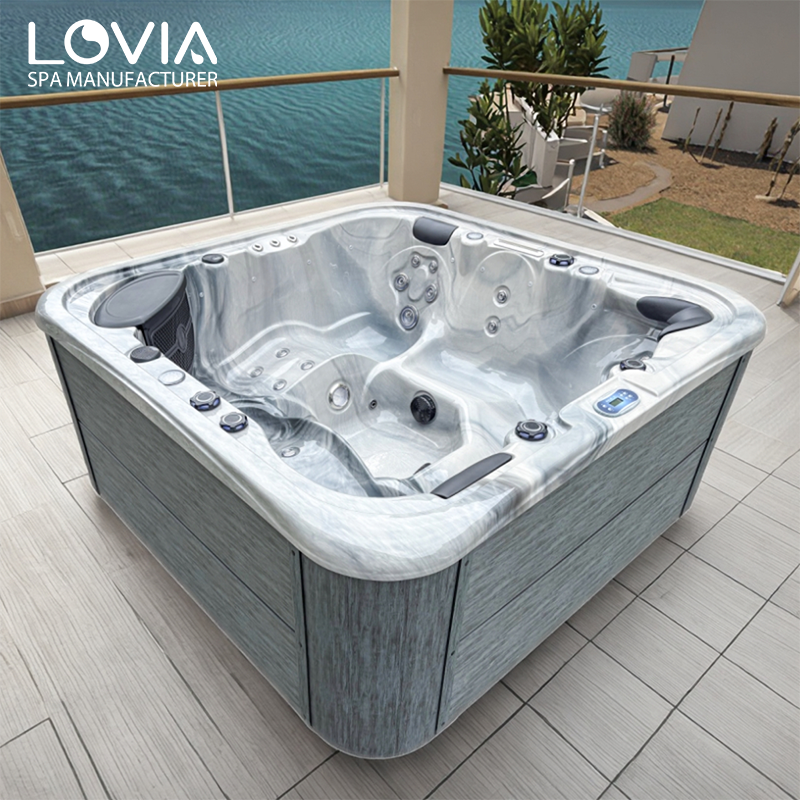
What happens if too little chlorine is added?
Conversely, if insufficient chlorine tablets are added, the water will also deteriorate rapidly:
• Rapid bacterial growth: Especially in warm water at 37°C, E. coli and fungi can multiply rapidly within a few hours.
• Water becomes cloudy or green: Algae will grow in nutrient-rich, chlorine-deficient environments.
• Odor or foam appears: Organic pollutants in the water are not fully decomposed, producing odors or surface foam.
• Affects jet system performance: Microorganisms growing in the pipes may clog the nozzles or affect water circulation.
Therefore, too much or too little chlorine will disrupt the balance; scientific dosing and regular testing are key to maintaining healthy water quality in your whirlpool spa hot tub.
How to test the chlorine level in a whirlpool hot tub?
The simplest method is to use test strips specifically designed for swimming pools or hot tubs. Simply dip the test strip in the water for 2 seconds, then compare it to the color chart to read the chlorine concentration value.
Ideally:
• Effective chlorine: 1.5–3 ppm
• pH value: 7.2–7.6
• Alkalinity: 80–120 ppm
If the chlorine concentration is too low, add half a chlorine tablet; if it is too high, temporarily stop adding chlorine and open the lid for 1–2 hours to allow the chlorine to evaporate naturally.
What is the correct way to add chlorine tablets to a whirlpool hot tub?
To ensure even dissolution of chlorine tablets, the following operating sequence is crucial:
• First, start the circulation system to allow the water to flow freely.
• Place the chlorine tablets in a floating dispenser or a dedicated filter compartment. Do not throw them directly into the bottom of the bathtub to avoid excessively high local concentrations.
• Maintain water circulation for 1–2 hours to allow the chlorine to distribute evenly.
• Test and adjust the water quality: Fine-tune the dosage based on the test strip results.
⚠️ Note: Avoid adding chlorine tablets while users are in the bathtub. This should be done one hour before or after use to ensure stable chlorine concentration in the water.
Are there any alternatives to chlorine tablets?
While chlorine tablets are the most common disinfection method, some whirlpool spa hot tub users also choose alternative products:
• Bromine Tablets: More stable in high-temperature water, with a milder odor, but slightly more expensive.
• Ozone or UV sterilization systems: Can help reduce chlorine usage, but cannot completely replace the function of chlorine.
• Chlorine-free oxidizers: Can temporarily purify the water, but lack continuous sterilization capabilities.
However, from a long-term maintenance and economic perspective, chlorine tablets remain the most effective and common disinfection solution for whirlpool spa hot tubs.
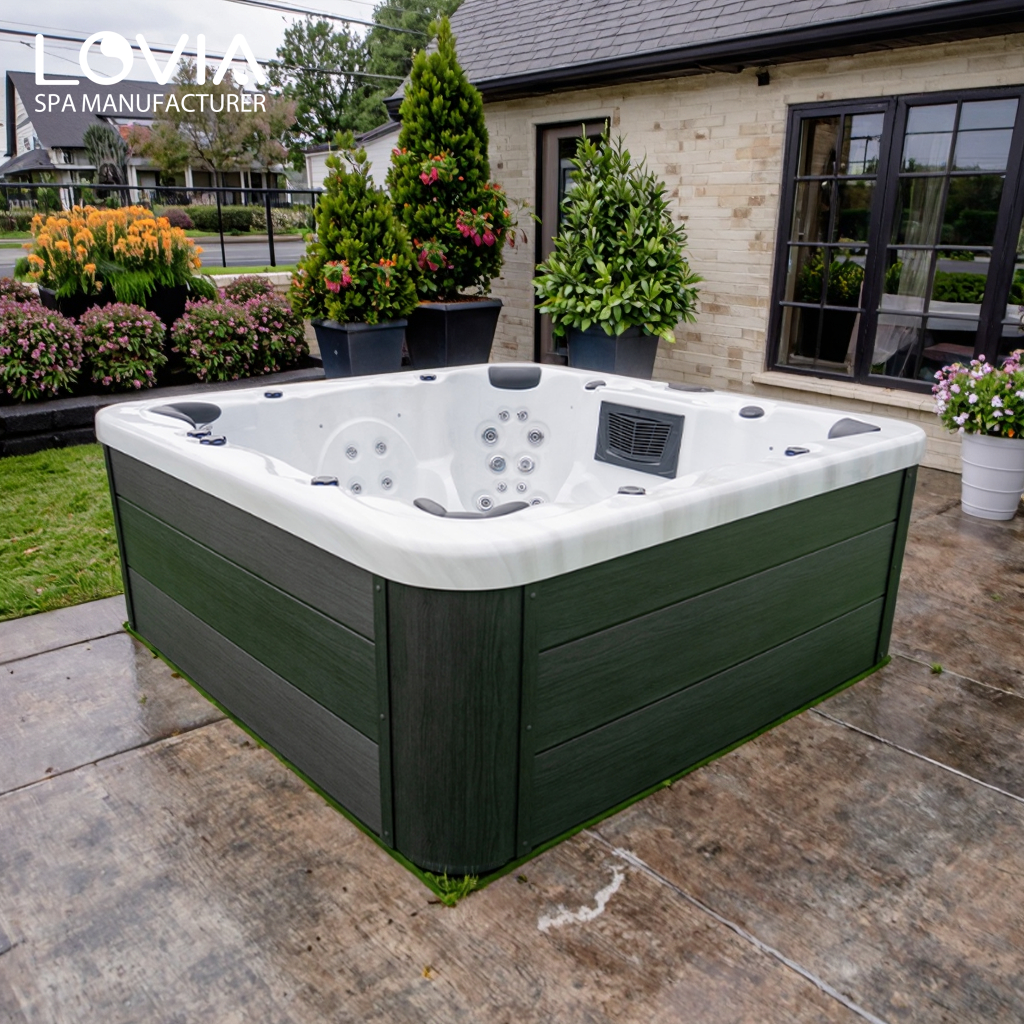
How to maintain stable water quality in a whirlpool hot tub long-term?
In addition to regularly adding chlorine tablets, the following maintenance habits are equally crucial:
• Test chlorine concentration and pH twice a week.
• Completely change the water and clean the filter every 2 to 3 months.
• Rinse your body before entering the tub after each use to reduce grease and cosmetics entering the water.
• Keep the cover clean and sealed to prevent external dust or leaves from contaminating the water.
Scientific Chlorine Use Extends the Lifespan of Your Whirlpool Hot Tub
In summary, the amount of chlorine tablets needed for a whirlpool hot tub depends on the tub capacity, water temperature, frequency of use, and water quality.
General recommendations:
• Add 1–2 chlorine tablets per 1000 liters of water;
• Maintain an effective chlorine concentration of 1.5–3 ppm;
• Test regularly and replenish as needed;
• Avoid overdosing or underdosing.
Only through scientific water quality management can your whirlpool spa hot tub remain clear, hygienic, and comfortable, truly fulfilling its purpose of relaxing the body and relieving stress.
How does LOVIA SPA manage order changes after confirmation?
LOVIA SPA understands that business needs can evolve, so we allow limited adjustments during early production stages. Our Sales and Factory teams communicate closely to assess feasibility and cost impact. Buyers are informed transparently about any changes to Prices or delivery timelines.
This flexible yet structured approach helps clients manage Purchasing with fewer risks. By Buying from an experienced Manufacturer, you gain a partner capable of balancing flexibility with production efficiency.
