

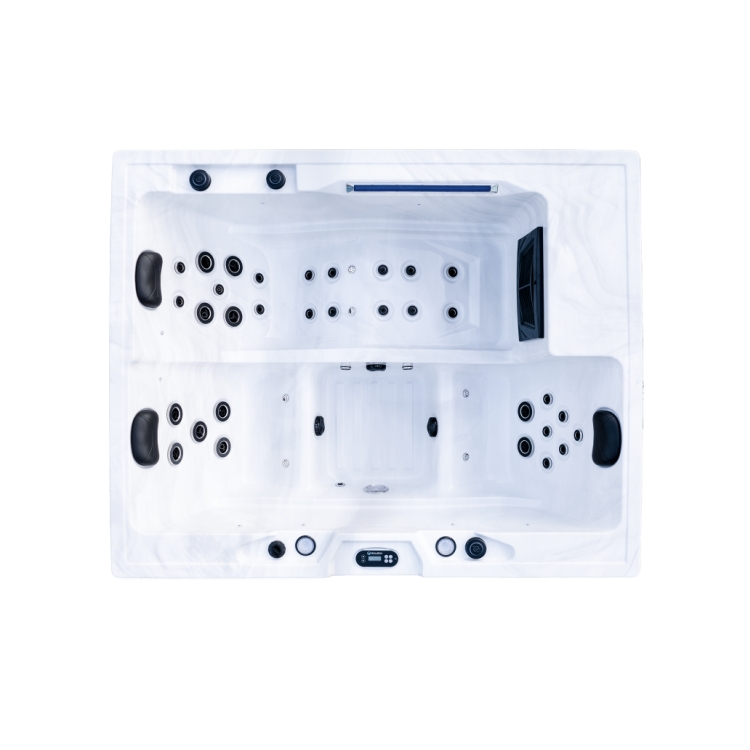
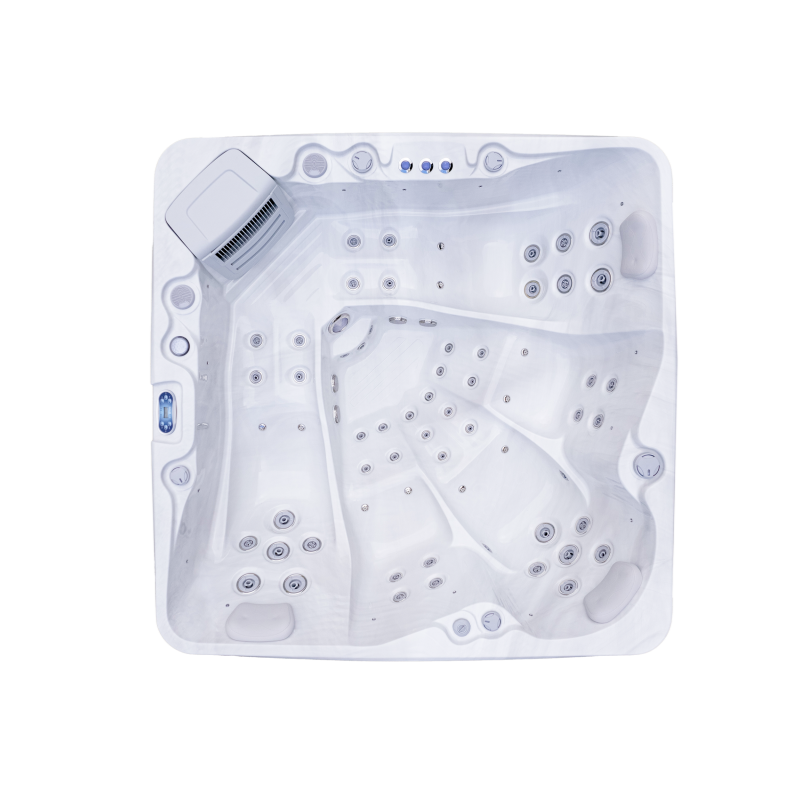
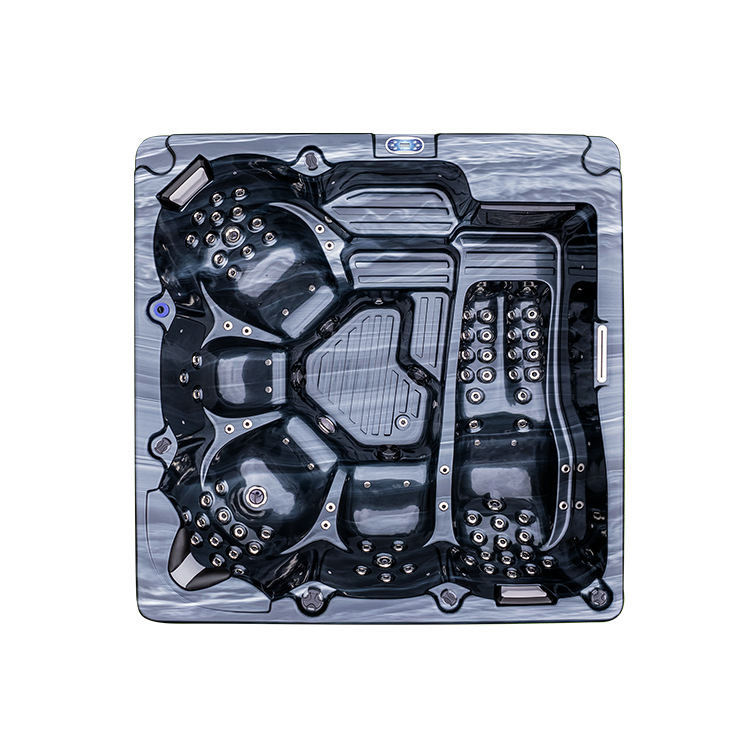
While the incidence of UTIs in men is lower than in women, it remains a health concern. In recent years, whirlpool spa hot tubs have become increasingly popular as a way to relax, unwind, and rejuvenate, but many people worry: can men get UTIs from using spa hot tubs?
This article will focus on "spa hot tubs" providing a comprehensive analysis from bacterial sources, infection mechanisms, water quality management, usage precautions, and prevention strategies to help men scientifically assess the safety of using whirlpool spa hot tubs.

What is a UTI? How does it differ between men and women?
A UTI is an inflammatory response caused by pathogenic microorganisms invading the urethra, bladder, ureters, or kidneys. Women have a higher infection rate due to their shorter urethra and proximity to the anus; UTIs are relatively rare in men, but they are often more complex and may be related to the prostate, urethral structural abnormalities, stones, or immune dysfunction.
Common symptoms of urinary tract infection (UTI) in men:
• Frequent urination, urgency, and painful urination
• Lower abdominal or back discomfort
• Cloudy or bloody urine
• Accompanied by mild fever or general malaise
While bathing or showering itself does not directly cause UTIs, if the water is unclean or the method of use is improper, bacteria from the spa hot tub can enter the urinary tract through the urethra or minor skin abrasions, thus increasing the risk of infection.
Why do whirlpool spa hot tubs easily breed bacteria?
1. Warm and humid environment
Spa hot tubs are typically maintained at a water temperature of around 35°C to 40°C, which is the optimal temperature for most bacteria to grow. Residual sweat, skin flakes, urine, cosmetics, and other organic matter in the water provide ample nutrients for bacteria. If the water remains stagnant for a long time without adequate disinfection, the bacterial concentration will increase rapidly.
2. Showerhead, bubble nozzle, and circulation system
The circulation system and showerhead of a spa hot tub may have water stagnant areas that are difficult to thoroughly clean and disinfect. Residual moisture and dirt can easily form biofilms, allowing bacteria to survive for extended periods. These bacteria may also come into contact with the urethra or minor skin injuries during use, increasing the risk of infection.

What are some common types of bacteria found in spa hot tubs?
Common pathogens found in spa hot tubs include:
• Escherichia coli: The most common pathogen causing urinary tract infections in men. It is usually found in the intestines and enters the body through the urethra.
• Pseudomonas aeruginosa: Proliferates easily in warm water and can cause skin and urinary tract infections.
• Staphylococcus aureus: Transmitted through skin contact, it can occasionally cause urethral or bladder infections.
• Other Gram-negative bacteria: Such as *Klebsiella* spp., can also infect the urinary tract through water contact.
However, if the water contains a high concentration of pathogens, and the man has the following conditions, the risk of infection may increase:
• Small wounds or inflammation at the urethral opening
• Prostate or bladder dysfunction
• Weakened immunity
• Long-term or frequent use of a spa hot tub with improper water quality management
Therefore, whirlpool spa hot tubs are more of an environmental factor that aggravates or induces urinary tract infections than a direct cause.
How does poor spa hot tub water quality aggravate urinary tract infections?
1. High bacterial concentration
When spa hot tub water is not changed for a long time or is not adequately disinfected, bacteria may accumulate in large quantities in the nozzle, bubble opening, and circulation pipes. If the water comes into direct contact with the urethral opening or minor skin wounds, bacteria can enter the urinary tract and cause infection.
2. Insufficient disinfectant
When the concentration of residual chlorine or other disinfectants is insufficient, pathogens in the water cannot be effectively inhibited. Long-term exposure to this environment, even in men with good health, may increase the risk of urinary tract infections.
3. Excessive Temperature
While excessively high water temperatures may feel comfortable, they can reduce the stability of disinfectants and accelerate bacterial growth. This is a crucial factor to consider for safe use of a spa hot tub.
How to Determine if Spa Hot Tub Water Quality is Safe?
1. Water Quality Testing Indicators
• pH Value: Ideal range 7.2~7.8. Deviations from this standard will reduce the effectiveness of disinfectants.
• Residual Chlorine/Active Chlorine: Maintain 1-3 ppm to effectively inhibit most bacteria.
• Turbidity and Odor: Clear water without a pungent odor indicates good water quality.
• Temperature: 35℃~40℃ is the suitable range; excessively high temperatures will accelerate bacterial growth.
2. Equipment Inspection
• Nozzle and Aerator: Clean weekly to prevent water accumulation and dirt buildup.
• Filter: Flush weekly or replace monthly.
• Circulation Pipes: Flush and disinfect regularly to prevent biofilm formation.
By regularly testing water quality and maintaining the equipment, the potential threat of bacteria in the whirlpool spa hot tub to the male urinary tract can be significantly reduced.

What risks should men be aware of when using a spa hot tub?
1. Urethral health
If there are minor tears, inflammation, or during the recovery period after surgery at the urethral opening, bacteria from the spa hot tub can more easily invade the urinary tract, increasing the risk of infection.
2. Prostate or bladder health
Men with prostatitis or bladder dysfunction are more susceptible to irritation from bacteria in the water, which can trigger urinary tract infections or worsen symptoms.
3. Immune status
Men with weakened immune systems or chronic diseases should pay special attention to water hygiene when using a spa hot tub to reduce the risk of infection.
What are the early symptoms that indicate infection after using a spa hot tub?
Even if the spa hot tub is not the direct cause, if bacteria enter the urinary tract through minor skin abrasions, men may experience the following early symptoms:
• Frequent urination, urgency, and painful urination
• Cloudy or bloody urine
• Mild discomfort in the lower abdomen or lower back
• Occasionally accompanied by a low-grade fever
If these symptoms occur, stop using the whirlpool spa hot tub immediately and seek medical attention.
How to reduce the risk of urinary tract infection when using a spa hot tub?
1. Personal Hygiene Measures
• Rinse your body before bathing to reduce sweat and skin flakes entering the water.
• Keep the urethral opening clean and avoid contact with residual dirt in the water.
• Rinse the vulva and urethral opening immediately after use to reduce bacterial retention time.
2. Spa Hot Tub Management
• Change and disinfect the water regularly: Change the water weekly and use disinfectants such as chlorine or bromine.
• Maintain a suitable temperature: 35℃~40℃, avoiding excessively high temperatures that accelerate bacterial growth.
• Clean the equipment regularly: The nozzle, filter, and circulation pipes must be cleaned and flushed regularly.
3. Usage Habits
• Control bathing time; 20~30 minutes per session is generally recommended.
• Frequent users should strengthen water quality monitoring and personal hygiene.
• If you have minor wounds or urinary tract discomfort, you should temporarily avoid using the hot tub.
Water Quality Management Guidelines for Home Spa Hot Tubs
• Test Residual Chlorine and pH Levels: Test with test strips or a digital water quality meter before each use.
• Change Water Regularly: Change the water weekly or every two weeks, depending on usage frequency.
• Clean Shower Heads and Filters: Flush the shower head weekly and replace or thoroughly clean the filter monthly.
• Flush the Circulation Pipeline: Remove biofilm and scale at least monthly with a professional cleaning agent.
• Observe Water Quality Changes: If the water becomes cloudy, has an unusual odor, or produces abnormal foam, stop using the spa immediately and clean and disinfect it.

What to Do If Symptoms Appear After Using a Spa Hot Tub?
• Stop Using the Spa Hot Tub: To avoid worsening symptoms.
• Seek Medical Attention: Determine if an infection is present through urine analysis and bacterial culture.
• Take Medication as Prescribed: If diagnosed with a urinary tract infection, take antibiotics as prescribed.
• Recovery Period: After symptoms disappear, maintain personal hygiene and ensure good water quality in the whirlpool spa hot tub.
Common Misconceptions Clarified
Myth 1: Bathing or swimming directly causes urinary tract infections (UTIs).
In fact, bathing, hot baths, swimming pools, or seawater do not directly cause UTIs.
Myth 2: Hot water is safe.
High temperatures do not kill all bacteria; water quality management is key.
Myth 3: Only public bathtubs pose a risk.
Even home spa hot tubs can increase the risk of infection if disinfection and cleaning are inadequate.
Can using a spa hot tub cause a UTI?
Spa hot tubs themselves do not directly cause UTIs in men, but unclean water can be an environmental factor that aggravates or triggers infection.
Water quality management (disinfection, temperature, cleaning of nozzles and filters) and personal hygiene (rinsing the body, keeping the urethral opening clean) are crucial.
High-risk groups (prostatitis, urethral wounds, weakened immune systems) need to be especially careful.
If you experience UTI symptoms, seek medical attention immediately and stop using the whirlpool spa hot tub.
