

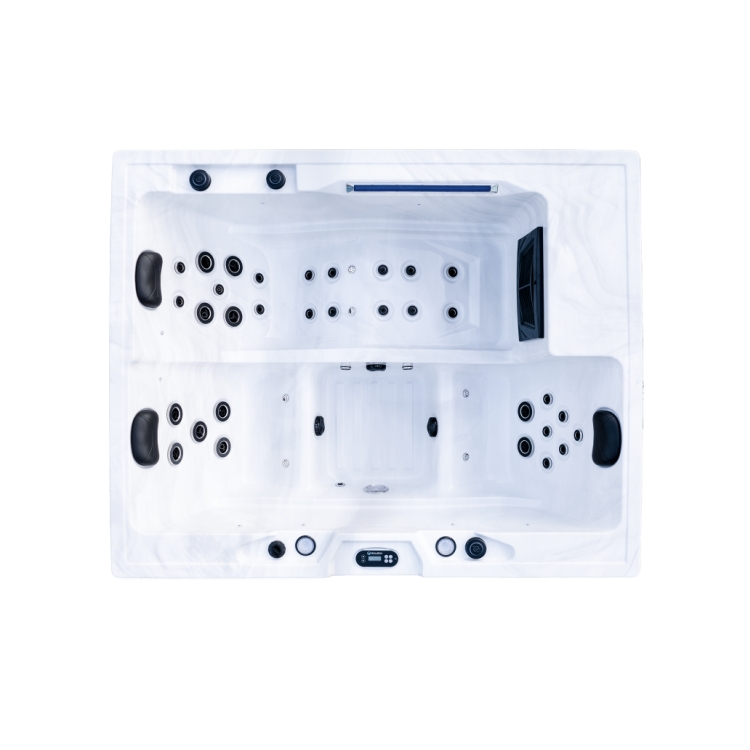
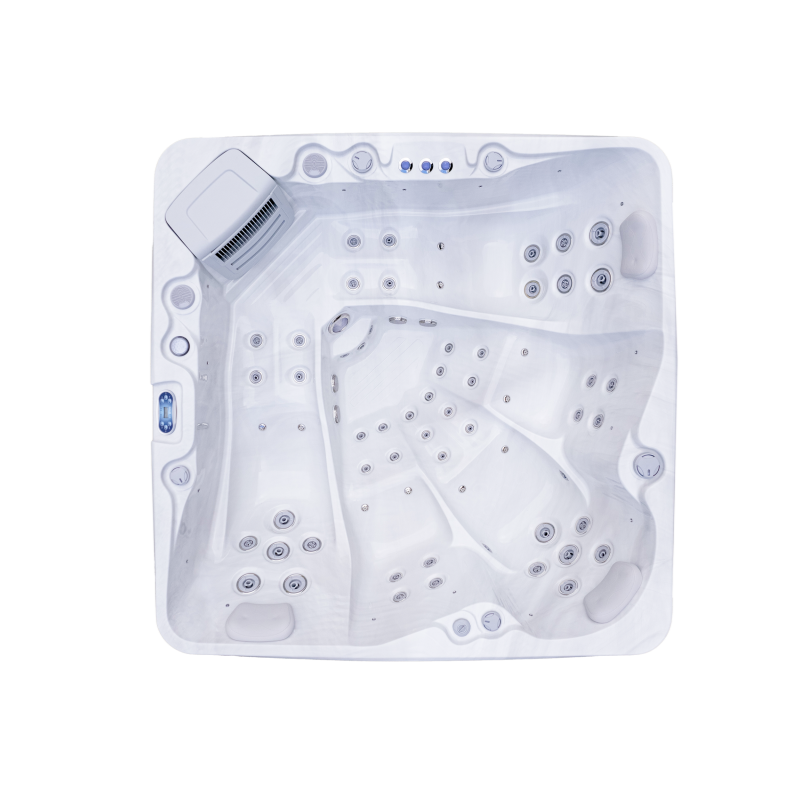
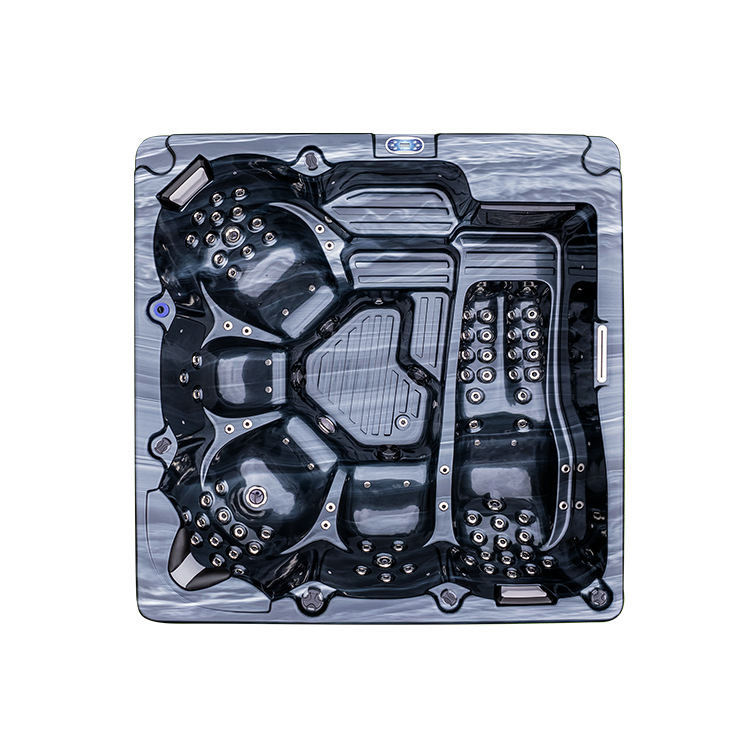
A swim spa tub is a high-end spa device that integrates exercise, therapy, and relaxation. It combines the comfort of a traditional jacuzzi with the performance of a constant-flow swimming pool, allowing users to train and relax underwater in a confined space. So, how exactly does a swim spa tub work?
How do its internal structure and system achieve this unique function? The following will comprehensively analyze the operating mechanism of a swim spa tub from the aspects of principles, system composition, energy control, and user experience.
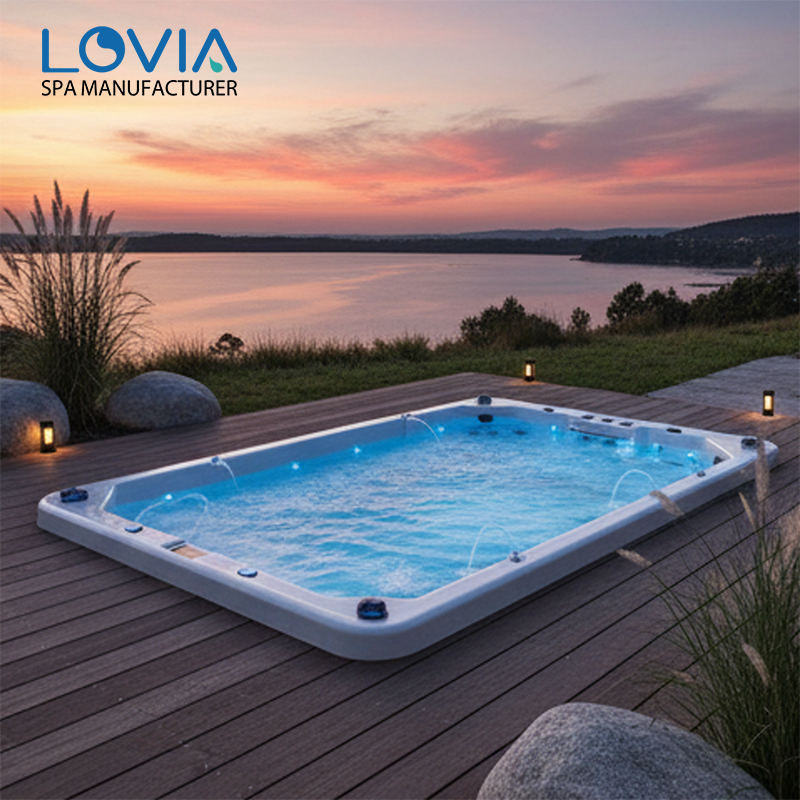
What is the core operating principle of a swim spa tub?
To understand the operating principle of a swim spa tub, you must first understand its basic working logic: a high-powered water pump and jet system generate an adjustable counter-current water flow, allowing the user to "swim in place" within a confined space.
This counter-current water flow creates a stable hydrodynamic environment in which the user can swim continuously without being propelled against the tub walls. Simultaneously, the spa nozzles at the other end of the tub provide massage water flows of varying intensities, achieving muscle relaxation and promoting circulation.
Specifically, the operation of a swim spa tub can be divided into two core components:
1. Water Flow Drive Principle
• A high-powered water pump generates a continuous water flow, the speed of which is regulated by a control system.
• The angle and number of nozzles determine the direction and coverage of the water flow.
• The water flow creates a stable "reverse hydrodynamic zone" within the tub, allowing users to conduct swimming training of varying intensities.
2. Circulation and Filtration Principle
• The system is equipped with a circulation pump that repeatedly purifies the water through a filtration system.
• Some models are equipped with ozone or ultraviolet sterilization systems to maintain water cleanliness and safety.
In other words, the core function of a swim spa tub comes from the synergistic effect of three major systems: hydrodynamics + temperature control + filtration and circulation.
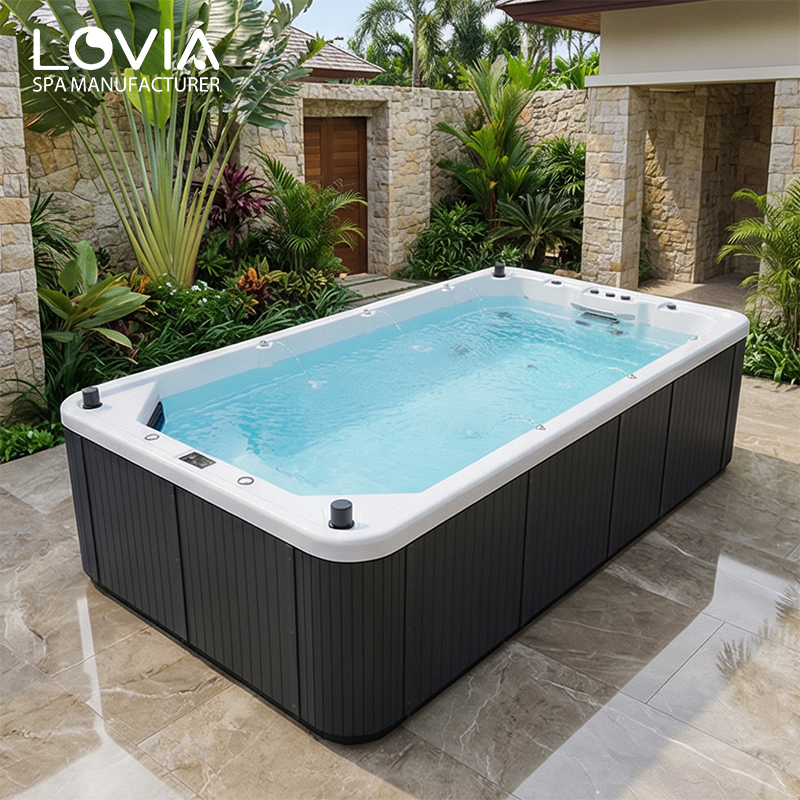
How does the hydrodynamic system in a swim spa tub work?
The hydrodynamic system is the "heart" of the swim spa tub, determining whether swimmers can obtain a smooth and balanced water flow experience.
1. High-Power Water Pumps Provide Water Flow Power
Swim spa tubs are typically equipped with 2 to 4 high-power water pumps, each with a power output between 3 and 5 horsepower. After the pumps draw in water, a pressurization system propels the water at high speed towards the front nozzles, creating a counter-current. The water flow speed can be adjusted via an electronic panel or remote control to suit users of different skill levels.
2. Nozzle Design Determines Water Flow Pattern
The number and arrangement of nozzles directly affect the balance and stability of the water flow. High-end swim spa tubs often employ a symmetrical layout of three or four nozzles, with the nozzles angled slightly upwards. This creates a balanced resistance between the water flow and the swimmer's body, reducing drift and turbulence.
3. Water Flow Guiding Devices Balance the Water Surface
Some swim spa tubs have deflectors on both sides of the tub to control water flow distribution and prevent water concentration or eddies. This keeps the water surface stable, thereby improving swimming stability.
In summary, the hydrodynamic system not only provides strong fluid resistance but also achieves a constant flow state through a scientifically designed layout, allowing the swim spa tub to simulate the environment of a natural swimming lane within a limited space.
How does the thermostatic system in a swim spa tub maintain a comfortable water temperature?
Temperature control is a crucial component of the comfortable experience offered by a swim spa tub.
1. Heating System Principle
The thermostatic system in a swim spa tub primarily relies on an electric heater or heat pump system. As the water circulates, it passes through the heater, and the temperature is monitored in real time and automatically adjusted to maintain a constant value.
Common water temperature settings range from 32℃ to 38℃, catering to various usage scenarios:
• Low temperature (32℃–34℃) is suitable for sports swimming;
• Medium temperature (35℃–36℃) is suitable for relaxation and recovery;
• High temperature (37℃–38℃) is suitable for hydrotherapy.
2. Intelligent Temperature Control Mechanism
Most models are equipped with a temperature sensor and automatic control module, which automatically starts and stops heating within ±1℃ of the set temperature fluctuation. This saves energy and prevents discomfort caused by sudden temperature changes.
3. Thermal Insulation Design
The space between the outer shell and inner tank of the swim spa tub is typically filled with multiple layers of insulation material (such as polyurethane foam), and the outer cover features a heavy-duty heat-resistant design to minimize heat loss. This structure ensures that the ideal water temperature is maintained even when used outdoors in winter.
Therefore, the swim spa tub's thermostatic system works synergistically through heating, detection, and insulation mechanisms to ensure the water temperature remains within a comfortable range.
How does the swim spa tub achieve water purification and circulation?
To ensure cleanliness over extended use, the swim spa tub is designed with an independent circulation and purification system. Its core objective is to maintain clear, sterile, and odorless water.
1. Continuous Circulation Pump Operation
When not swimming, the circulation pump automatically starts, drawing water from the bottom, passing it through the filter screen, filter canister, and disinfection system, before returning it to the tank. This process can run continuously for several hours to maintain water flow and purification.
2. Multi-Stage Filtration System
The filtration system generally includes a primary filter screen, a paper filter cartridge, and a fine filter layer. Primary filtration intercepts hair and large particles, while the filter cartridge adsorbs fine suspended matter. Some high-end swim spa tubs also include an activated carbon layer to further remove odors and residual chlorine.
3. Disinfection and Sterilization System
In addition to physical filtration, swim spa tubs often employ ozone or ultraviolet (UV) sterilization technologies:
• Ozone systems decompose organic matter and kill bacteria;
• UV systems achieve chemical-free disinfection by disrupting the DNA structure of microorganisms.
This combined purification method allows swim spa tubs to maintain hygiene and safety without frequent water changes.
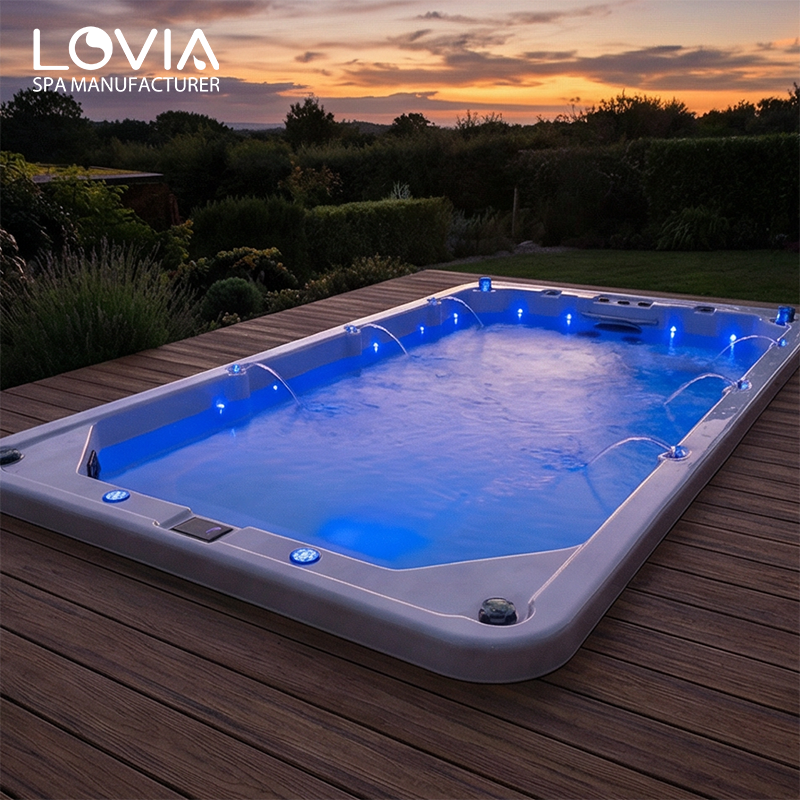
How does the control system of a swim spa tub coordinate its various functions?
Modern swim spa tub control systems typically use a fully automatic electronic panel, coordinating the operation of various subsystems through a microcomputer module.
1. Central Control Module
This is the "brain" of the entire unit, connecting the heater, water pump, nozzles, lighting, and sound system. Users can set the following via touch panel, wireless remote control, or mobile app:
• Water flow intensity and nozzle combination;
• Temperature adjustment and heat preservation mode;
• Light color, brightness, and energy-saving mode;
• Massage zone start/stop control.
2. Safety Protection Mechanism
The control system is equipped with overheat protection, water pump overload protection, and leakage detection functions. When the system detects an abnormality, it will automatically cut off power to ensure the safety of the equipment and the user.
3. Intelligent Energy-Saving Logic
The swim spa tub control system can automatically adjust the operating time according to the ambient temperature and usage frequency. For example, during low-frequency use, the system will reduce the circulation pump rate to reduce energy consumption.
Therefore, the coordination and intelligence of the control system are key to the stable and efficient operation of the swim spa tub.
How does the swim spa tub's structural design ensure stability and safety?
Beyond functionality, the swim spa tub's structural design also determines the user experience and safety.
1. Tub Structure
The tub body is typically made of high-strength fiberglass reinforced acrylic (Acrylic + FRP) material, with a smooth, corrosion-resistant surface and a reinforced internal structure to withstand several tons of water pressure. The outer shell is supported by a stainless steel frame or aluminum alloy to ensure stability.
2. Non-slip Base and Stable Handrails
The swimming area features a non-slip textured bottom with anti-collision strips along the edges to prevent slipping. The massage area often has stainless steel handrails to help users maintain balance when entering and exiting the tub.
3. Drainage and Overflow System
An automatic drain valve is located at the bottom, and an overflow outlet prevents overflow due to excessive water level. High-end models also feature a water level sensor that monitors and automatically adjusts the water flow in real time.
4. Lighting and Nighttime Design
A built-in LED lighting system provides soft light for nighttime use while enhancing visual appeal. The light color is adjustable to meet human eye comfort standards.
These details ensure that the swim spa tub not only operates for extended periods but also provides a safe and comfortable environment for use.
How does a swim spa tub combine exercise and massage?
The swim spa tub is popular because it combines exercise training with hydrotherapy massage functions.
1. Swimming Area: Exercise Training Function
The counter-current system provides swimmers with constant water resistance, allowing for freestyle, breaststroke, or butterfly training. Different speed settings simulate varying resistance environments such as rivers and pools, enabling endurance and strength training.
2. Massage Area: Relaxation and Therapy Function
After swimming, users can move to the massage area. This area features multiple adjustable nozzles that provide high-pressure water jet massage for the back, waist, legs, and feet.
The nozzles are designed with bubble mixing channels to create a "water-air" combined massage effect, promoting blood circulation and relieving muscle soreness.
3. System Synergy
In most models, the swimming and massage areas can operate independently or simultaneously. Users can activate either the swimming or massage function separately as needed for immediate post-exercise relaxation and a truly hydrotherapy-like balanced experience.
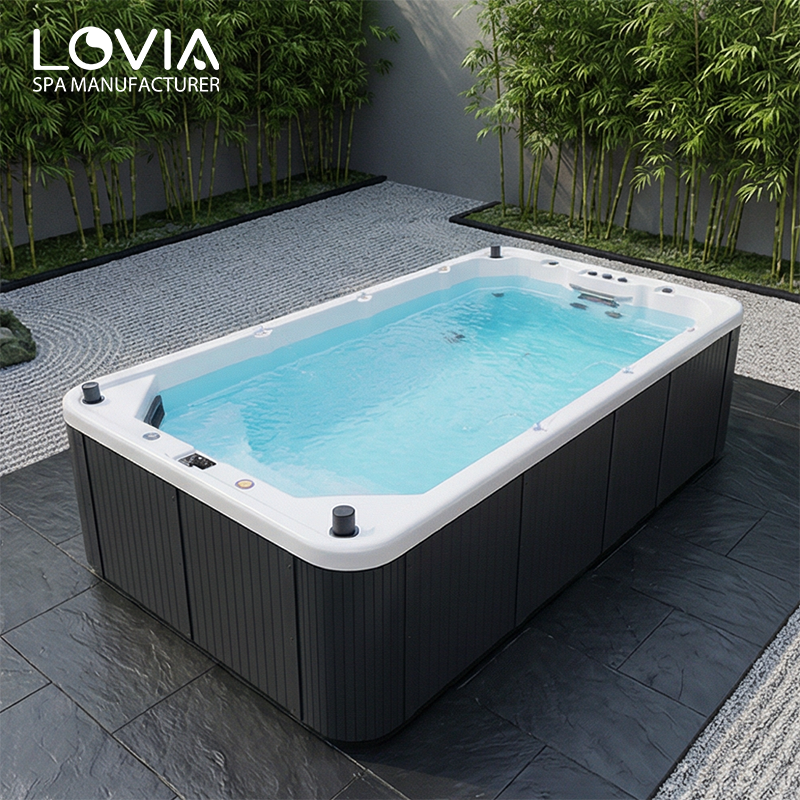
How does the swim spa tub's energy and electrical system maintain high efficiency?
Despite its powerful features, the swim spa tub prioritizes high energy efficiency.
1. Tiered Energy Control
The system dynamically adjusts power output based on usage. For example:
• Swimming mode activates a high-power water pump;
• Massage mode activates only some nozzles;
• Standby mode reduces the circulation pump speed.
2. Thermal Insulation and Energy Saving
Thick insulation materials minimize heat loss, and an intelligent thermostatic system prevents waste from frequent heating.
3. Electrical Safety
All electrical components meet IP waterproof standards and are equipped with grounding protection and short-circuit protection systems, ensuring long-term stable operation.
This systematic energy management allows the swim spa tub to balance performance and energy efficiency, meeting the high standards required for everyday home or private spaces.
Can LOVIA SPA provide flexible jet configurations for customized therapy experiences?
Yes. LOVIA SPA offers customized jet arrangements, including various jet sizes, positions, rotation types, and therapy combinations. Buyers can create unique hydrotherapy patterns suited for luxury projects or private label Brands. Our Factory engineers will adjust plumbing layouts and control settings accordingly.
Wholesale Buyers can Buy exclusive designs to strengthen their market identity. With customized Quotes and competitive Prices, LOVIA SPA helps clients differentiate their product offerings and attract premium customers.
