

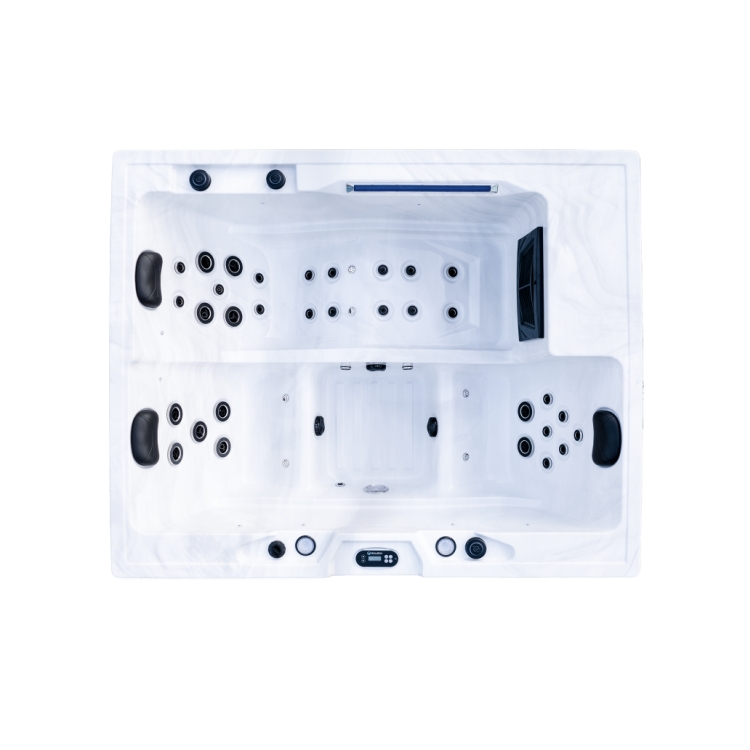
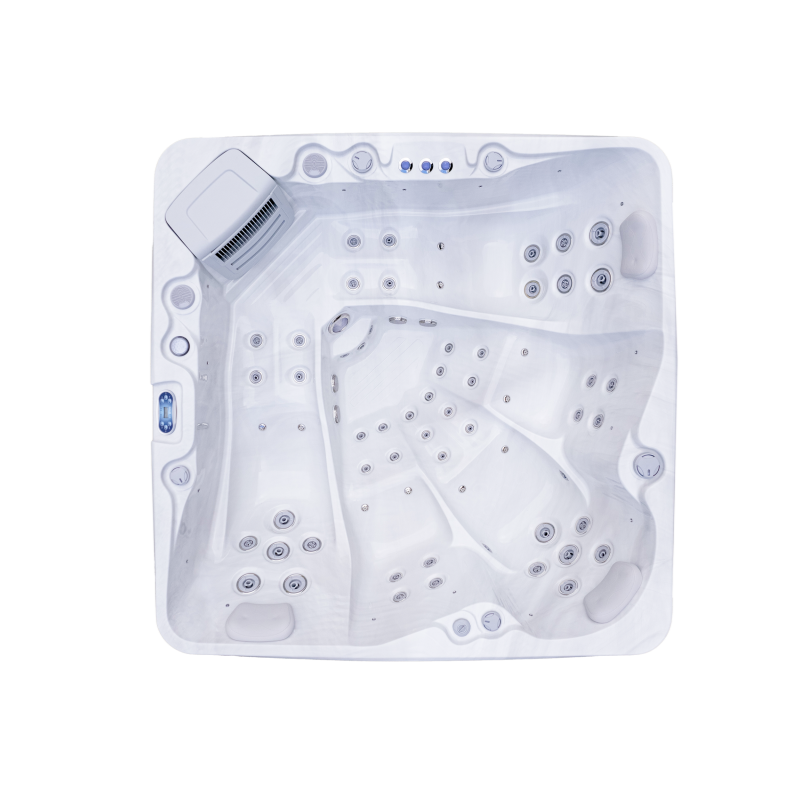
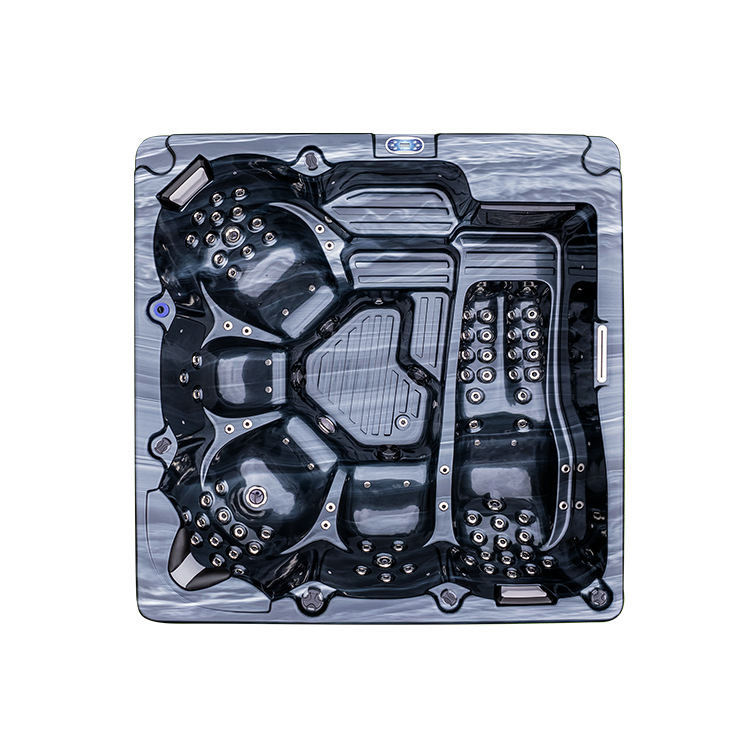
A swim spa tub perfectly combines the functions of a swimming pool and a jacuzzi, offering both aquatic fitness and the relaxing effects of a spa massage. With its widespread use in homes and commercial settings, more and more people are concerned about the quality of their spa experience and water safety.
In actual use, many users find that their spa tubs sometimes become cloudy, which not only affects the appearance but may also compromise water safety. A common question is: Will excessive shock make a swim spa tub cloudy?
This article will systematically analyze the impact of shock on water quality, the causes of cloudiness, prevention, and maintenance methods from a professional perspective, helping users maintain clear water and ensure the long-term normal operation of the equipment.
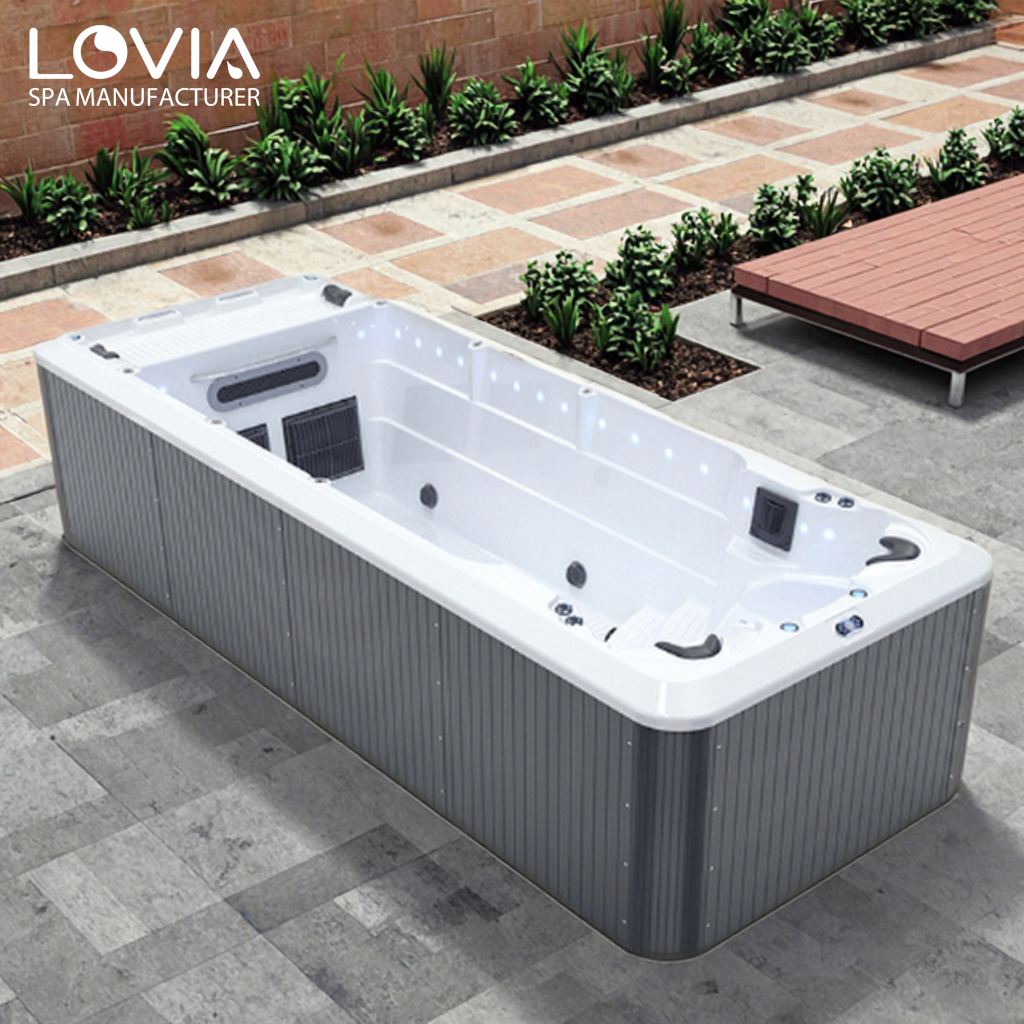
What is "Excessive Shock" in a Swim Spa Tub?
"Excessive shock" in a swim spa tub generally refers to the water being subjected to excessively strong, frequent, or uneven dynamic forces. The main manifestations include:
• Water Flow Shock: Excessive pump flow or excessive jet pressure leads to rapid water flow.
• User activity impact: Waves generated by rapid swimming, jumping, or vigorous movement in the water.
• External impact: Disturbance caused by cleaning tools stirring the water or dropping large objects.
These impacts disrupt water stability, redispersing suspended solids and chemical particles, potentially leading to turbidity.
What are the main causes of turbidity in swim spa tubs?
Turbidity is usually the result of multiple factors:
1. Increased suspended particles in the water
Dust, hair, skin flakes, and cleaning agent residue are common in swim spa tubs. Excessive impact can resuspend these substances from sediment or filters, causing the water to become turbid for a short time.
2. Water chemical imbalance
When the pH, calcium hardness, or disinfectant concentration in the water is unbalanced, impact can accelerate chemical reactions. For example:
• Calcium and magnesium ions form tiny particles that float in the water.
• Disinfectants react with organic matter in the water to form colloidal substances.
These chemical particles increase turbidity, making the water appear unclear.
3. Decreased Filter or Filtration System Efficiency
The primary function of a swim spa tub filtration system is to remove suspended solids from the water. Shock can cause particles captured by the filter to temporarily re-enter the water, especially when the filter is clogged or aging, making turbidity more pronounced.
4. Suspended Microorganisms and Algae
Although swim spa tubs are disinfected, small amounts of microorganisms or algae may still be present. When the water is subjected to shock, these microorganisms are resuspended, increasing the perceived turbidity.

The Relationship Between Excessive Shock and Swim Spa Tub Turbidity
1. Short-Term Turbidity
Turbidity caused by excessive shock is usually temporary. Suspended solids in the water will clear up through settling and filtration, and especially when the filter is functioning properly, the turbidity may disappear within hours.
2. Risk of Long-Term Turbidity
If shock is frequent and accompanied by poor water quality management, such as aging filters, pH imbalance, or insufficient disinfectant, turbidity may persist, affecting the spa experience and even increasing the risk of microbial growth.
3. Impact on Equipment
• Increased Filter Load: Increased suspended solids accelerate filter clogging and wear.
• Accelerated Pump Wear: Solid particles cause friction against the pump impeller, reducing its lifespan.
• Decreased Water Quality Stability: Prolonged suspension time of chemical particles leads to greater fluctuations in pH and disinfectant concentration.
How to Prevent Turbidity Caused by Excessive Impact on the Swim Spa Tub?
1. Control Water Flow Intensity
• Adjust pump flow rate; avoid using a full-power pump in a small spa.
• Distribute nozzle pressure to ensure even water flow and avoid localized excessive impact.
2. Limit Vigorous User Movements
• Avoid jumping into the swim spa tub or engaging in rapid movements in the water.
• Instruct users to perform gentle swimming or massage movements.
3. Use Cleaning Tools Properly
• Operate gently when removing sediment; avoid excessive agitation of the water.
• Clean sediment in batches to avoid creating a large amount of suspended particles at once.
4. Regularly Maintain the Filtration System
• Clean or replace the swim spa tub filter to ensure effective particle capture.
• Check the water pump and piping to ensure there is no sediment blockage and to maintain circulation efficiency.
5. Water Balance Management
• Maintain pH at 7.2-7.8 and calcium hardness at 150-250 ppm.
• Use an appropriate disinfectant concentration, with chlorine at 1-3 ppm.
• Remove impurities and sediment promptly to ensure clear water.
Personal Precautions for Using a Swim Spa Tub
1. Shower and Cleanse Your Body
Wash away sweat, skincare products, and cosmetics to reduce water contamination.
2. Control Activity Levels
Vigorous movements can cause excessive impact; use slow, steady movements in the water.
3. Replenish Hydration
Sweating may occur during spa treatments; replenishing fluids helps maintain fluid balance and comfort.
4. Observe Water Quality Changes
Check water clarity before and after use. If turbidity is observed, discontinue use and adjust the water quality. Is turbidity in a swim spa tub permanent?
Most turbidity caused by shock is temporary and will clear up with filtration and settling.
Can filters completely eliminate turbidity caused by shock?
Filters effectively capture suspended particles, but short-term turbidity may still occur if shock is too frequent or the filter is worn out.
Can adjusting the water flow and reducing shock completely prevent turbidity?
It can significantly reduce the probability of turbidity, but it still needs to be combined with water quality management, filter maintenance, and sediment removal.
Does turbid water affect health?
Short-term turbidity usually does not directly harm health, but if accompanied by insufficient disinfectant or microbial accumulation, there is a health risk.
Post-Swim Spa Treatment and Maintenance
• Water circulation: Circulate the water for 10-15 minutes after the spa to help suspended particles settle.
• Clean the filter: Remove captured impurities and maintain filtration efficiency.
• Remove sediment: Gently remove bottom sediment to reduce the risk of turbidity during the next shock.
• Water Quality Testing: Check pH levels, calcium hardness, and disinfectant concentration to ensure stable water quality.
• Equipment Inspection: Regularly inspect the water pump, nozzles, heater, and safety devices to maintain good equipment condition.
Advanced Maintenance Recommendations for Swim Spa Tubs
1. Regular Deep Cleaning
Perform a deep cleaning at least once a month, including the filter, nozzles, pump, and piping, to ensure long-term stability of the swim spa tub and water quality.
2. Water Quality Recording and Monitoring
Use water quality testing tools to record pH levels, calcium hardness, and disinfectant concentration, analyze trends, and adjust water quality promptly.
3. Suspended Particulate Prevention
When cleaning the swim spa tub, use a dedicated vacuum cleaner or water purifier to reduce suspended particulate generation.
4. Using Impact Ratings
Develop impact rating standards based on water volume, number of users, and exercise intensity to avoid excessive water disturbance.
Can LOVIA SPA Support Customized Spa Manufacturing?
Yes, LOVIA SPA provides customized manufacturing services to meet different market and project requirements. As a factory-based manufacturer, we can support customization in product configuration, component selection, and functional features. Customized orders allow buyers to differentiate their brands while benefiting from our production expertise and stable supply chain.
Whether for wholesale distribution or private label sales, LOVIA SPA offers professional support for customized spa manufacturing with competitive prices and reliable quality control.
