

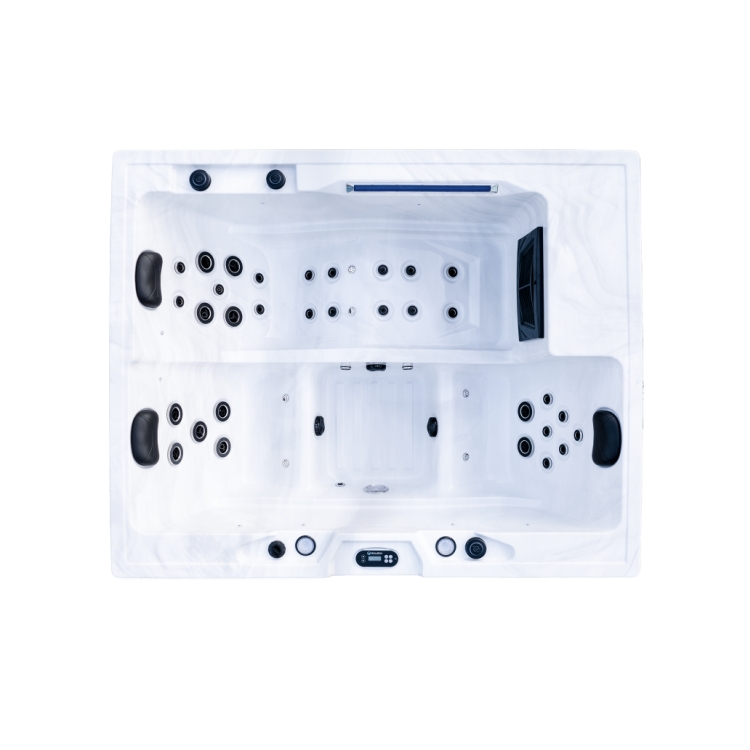
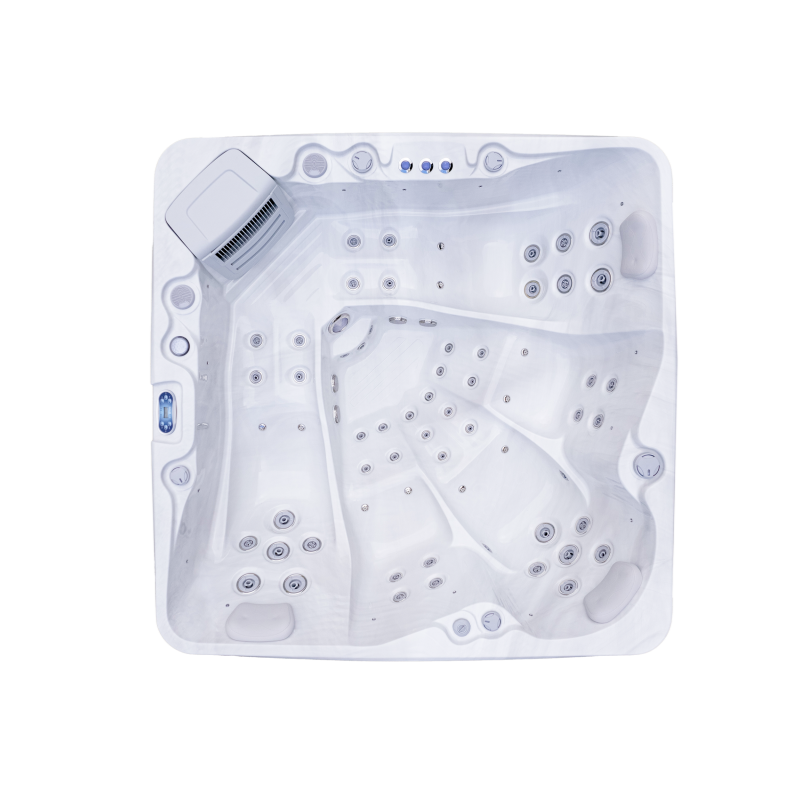
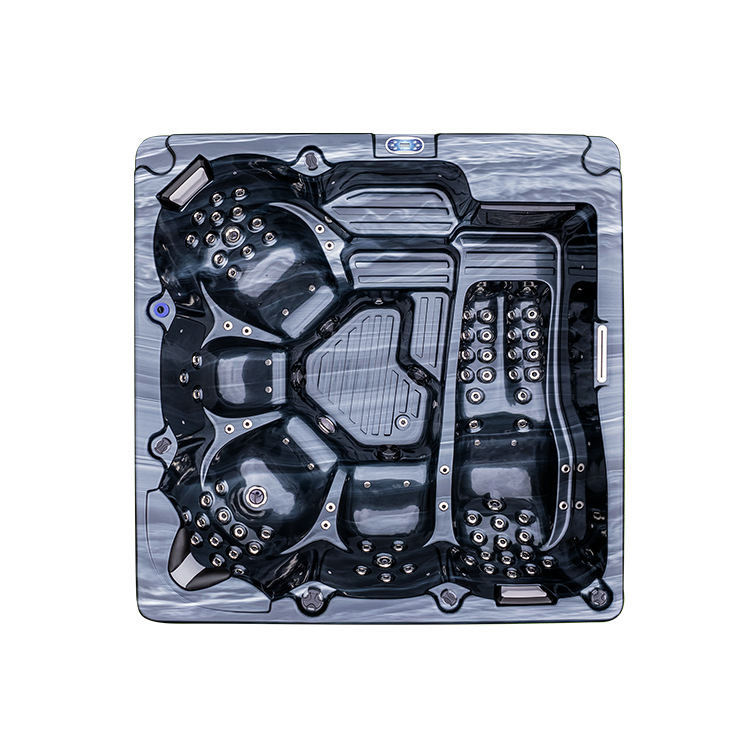
In modern home wellness concepts, the swim spa tub has become a popular relaxation and exercise device. It combines the water resistance of a swimming machine with the hydrotherapy effect of a jacuzzi, allowing for both aerobic exercise and soothing body massage through water flow.
Many users have a question when first experiencing a swim spa tub: "Will a swim spa tub make my muscles tighter?"
This question seems simple, but it actually involves multiple aspects, including water temperature, pressure, the circulatory system, and muscle physiological responses. This article will systematically analyze the impact of a swim spa tub on muscle tightness from a professional health and exercise physiology perspective, helping you understand and use it correctly.
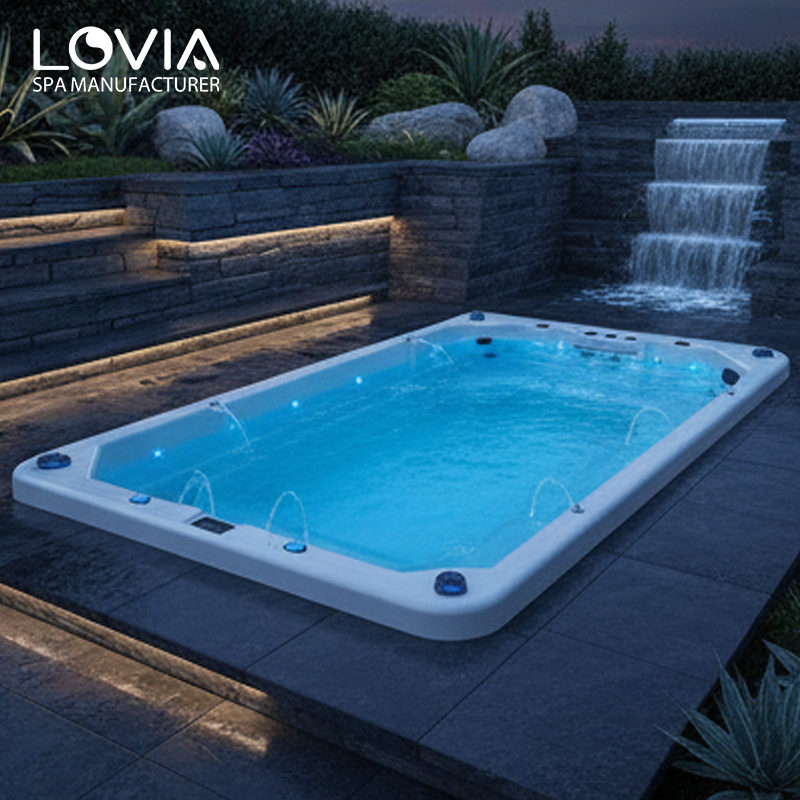
Why do some people feel their muscles are tighter in a swim spa tub?
First, it's important to clarify that muscle "tightness" is not the same as "muscle stiffness" or "increased strength." This subjective feeling can stem from multiple factors such as temperature changes, blood circulation, nerve excitation, or water pressure.
1. Water Temperature and Muscle Response
Swim spa tubs are typically maintained at a constant temperature of 35℃ to 39℃. The warm environment dilates blood vessels, increases blood flow, and helps remove metabolic waste products (such as lactic acid) from muscles more quickly, thus promoting relaxation.
However, if the water temperature is too high or the time spent in the tub is too long, it may lead to dehydration or mild muscle fatigue, creating a false sense of "tightness."
2. Stimulation from Water Pressure
The jets of water in a swim spa tub are quite strong, deeply stimulating muscle tissue.
This high-pressure water flow promotes blood circulation, but if the local stimulation lasts too long, it can cause a temporary muscle contraction response, making the surface of the muscles feel slightly tight. This is a neurological reflex, not true muscle stiffness.
3. Bathing Immediately After Exercise
Some people like to enter a swim spa tub immediately after high-intensity exercise. At this time, muscles are still in a high metabolic state, blood vessels are dilated, and tissue temperature is high. Hot water will increase local blood flow, making muscles feel more "full" or "tight" in a short period of time.
✅ Summary:
Swim spa tubs themselves do not actually make muscles tighter. Any feeling of "tightness" is mostly temporary water stimulation or a nerve response.
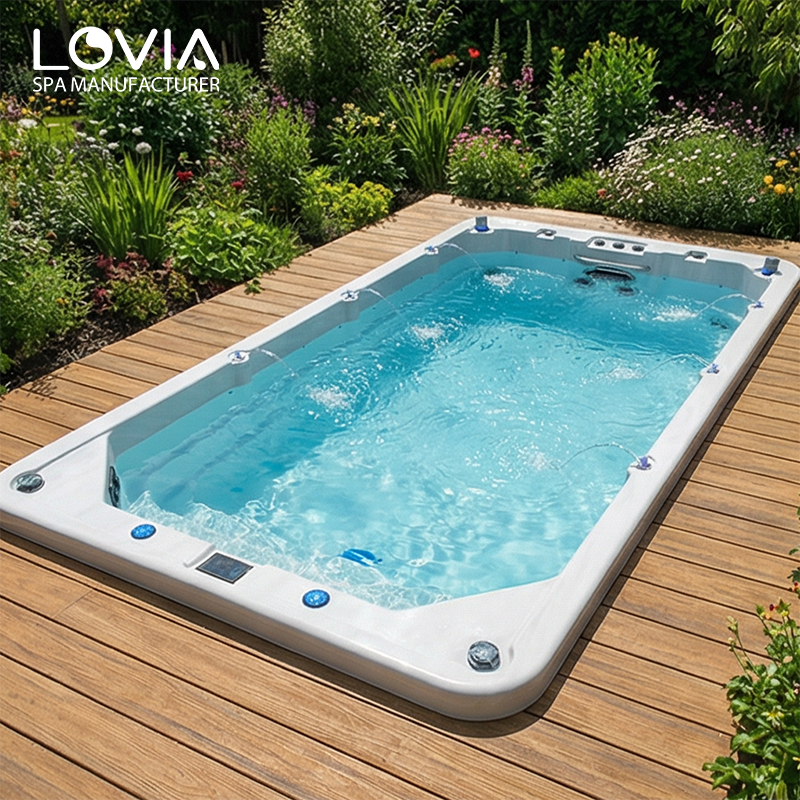
Will the water pressure of a swim spa tub cause excessive muscle contraction?
Many people worry that the strong water flow from a spa jet will "damage" or stiffen their muscles. In reality, the effect of water flow on muscles depends on the water pressure, angle, and duration.
1. The essence of water massage is "mechanical relaxation"
When water flows at moderate pressure onto muscles, it promotes fascia release and increases local blood flow, thereby reducing muscle tension.
This is one of the important functions of a swim spa tub: relieving muscle tension and reducing lactic acid buildup through water massage.
2. Overstimulation may trigger reflexive contractions
If the water flow is too strong or concentrated in the same area for too long, local muscles may experience a brief defensive contraction response. This is similar to the "muscle tightness" after a sensitive point is pressed during a massage, and is a natural reflex.
3. How to avoid this phenomenon?
• Slightly spread the spray nozzle angle; avoid continuously spraying the same spot.
• Control the water pressure within a comfortable range.
• Do not massage each area for more than 5 minutes.
✅ Conclusion:
The water flow from a swim spa tub does not cause muscle stiffness; on the contrary, it is an effective way to relax muscles and promote recovery.
Does the water temperature in a swim spa tub affect muscle relaxation?
Water temperature is a key factor affecting muscle condition. Different temperatures of hydrotherapy have different effects on muscles.
1. Warm Water (36℃~39℃)
• Promotes blood circulation: Vasodilation, increased oxygen and nutrient supply;
• Relaxes muscles: Helps reduce stiffness and soreness;
• Relieves tension: Temperature relaxes the nervous system and reduces stress response.
This temperature range is the standard setting for most swim spa tubs and is most beneficial for muscle relaxation.
2. Excessively Hot Water (>40℃)
Excessively high water temperatures can lead to increased heart rate, excessive sweating, and mild dehydration and electrolyte loss. At this time, muscles may experience slight twitching or fatigue, which may be mistaken for "tightening."
3. Cool Water (30℃~34℃)
If the temperature is too low, blood vessels constrict, muscle tension increases, and a person will feel "tight." This is why a swim spa tub that is too cold can actually cause discomfort.
✅ Recommendation:
Maintaining a constant temperature of approximately 37℃ in the swim spa tub best promotes muscle relaxation and recovery.
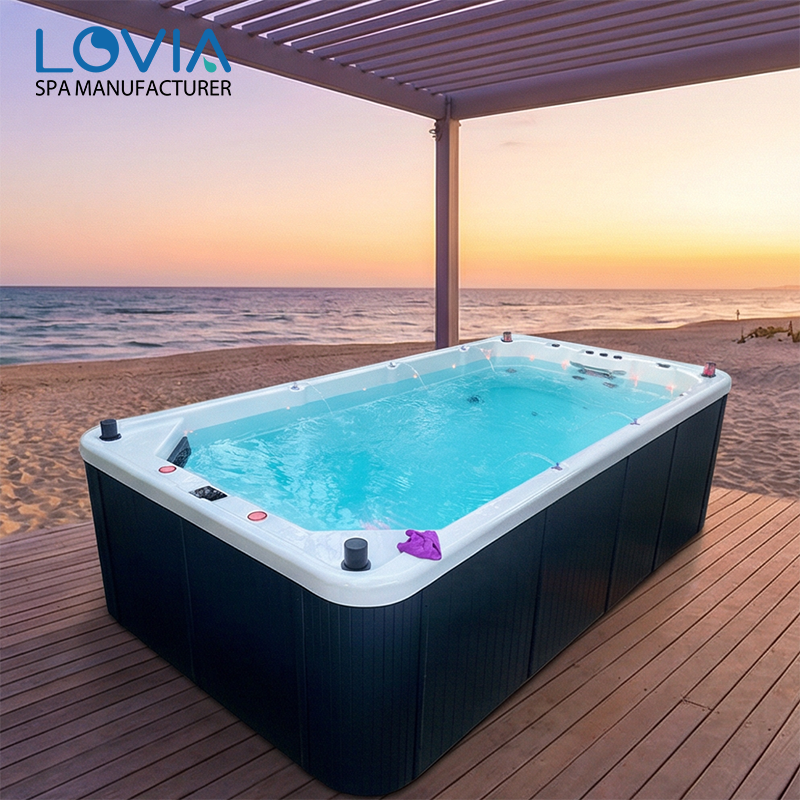
Will using a swim spa tub slow down muscle recovery after exercise?
This question is common among fitness enthusiasts and athletes. Many people worry that taking a bath after training will "tighten" their muscles or affect recovery.
1. Hydrotherapy can promote the removal of metabolic waste
Muscles produce lactic acid and metabolic byproducts after exercise. The temperature and pressure of hydrotherapy can promote blood flow and accelerate the removal of these substances.
2. Reduces Delayed Onset Muscle Soreness (DOMS)
Studies have shown that hydrotherapy massage can effectively reduce muscle soreness 24–48 hours after exercise. This is because warm water relaxes muscle fibers and reduces inflammation.
3. It does not hinder muscle growth
Some people worry that hot baths will affect muscle repair. In fact, the hot water in a swim spa tub has no negative impact on protein synthesis. As long as the time is controlled (15-20 minutes), it will not "block growth" at all.
✅ Summary:
Using a swim spa tub is an auxiliary method for post-exercise recovery. It will not make muscles tighter; on the contrary, it helps with relaxation and repair.
Why do some people feel tighter after using a swim spa tub?
If you feel tightness or stiffness after soaking, it is usually caused by the operation or environmental factors, not a problem with the tub itself.
1. Too long a time
Soaking for a long time (more than 30 minutes) may lead to excessively high body temperature and mild dehydration, resulting in muscle electrolyte imbalance.
2. Not replenishing water in time
The hydrotherapy process accelerates sweating. If water is not replenished in time, muscles are prone to contractile tightness.
3. Excessive Water Pressure or Improper Posture
Maintaining the same posture for a prolonged period or being subjected to concentrated water flow on a specific area can cause discomfort in localized tissues.
4. Temperature Setting Too High
Water temperatures exceeding 40℃ can stimulate the sympathetic nervous system, putting the body in an excited state and hindering muscle relaxation.
✅ Recommendations:
• Limit usage time to 15–25 minutes;
• Drink a glass of warm water before and after use;
• Maintain water temperature around 37℃;
• Clean the filtration system regularly to maintain healthy water quality.
How Does Buoyancy of a Swim Spa Tub Affect Muscle Tension and Relaxation?
Besides temperature and water pressure, buoyancy is also a crucial factor in muscle relaxation with a swim spa tub.
1. Buoyancy Reduces Joint and Muscle Burden
The buoyancy of water can reduce body weight by approximately 90%, so in a spa environment, muscles do not need to support the entire body weight. This decompression helps relax deep muscle groups, especially the lower back and leg muscles.
2. Helps with Posture Correction and Flexibility Improvement
Light stretching or floating exercises in a swim spa tub can increase joint range of motion and enhance muscle fiber extensibility, thereby reducing tightness.
3. Enhances Circulatory System Function
The combined effect of buoyancy and water pressure promotes venous return, allowing metabolic waste products in muscles to be removed more quickly, which is very effective in preventing muscle stiffness.
Does muscle response differ among different individuals when using a swim spa tub?
Yes, different individuals have different physical conditions and muscle states, so their response to a swim spa tub will vary.
Target Audience | Muscle response characteristics | Recommended water temperature and time |
| Sedentary office workers | Stiffness in the shoulders, neck, lower back | 37℃~38℃, 20 minutes |
| People who exercise | Muscle soreness and high metabolic waste | 36℃~37℃, 15 minutes |
| Senior citizens | Decreased muscle elasticity and slow blood circulation | 37℃, 10–15 minutes |
| People under high stress or with poor sleep | Nervous tension leading to muscle tightness | 38℃, less than 20 minutes |
✅ Conclusion:
The swim spa tub can regulate muscle function according to individual conditions, and proper use will almost never cause muscle tightness.
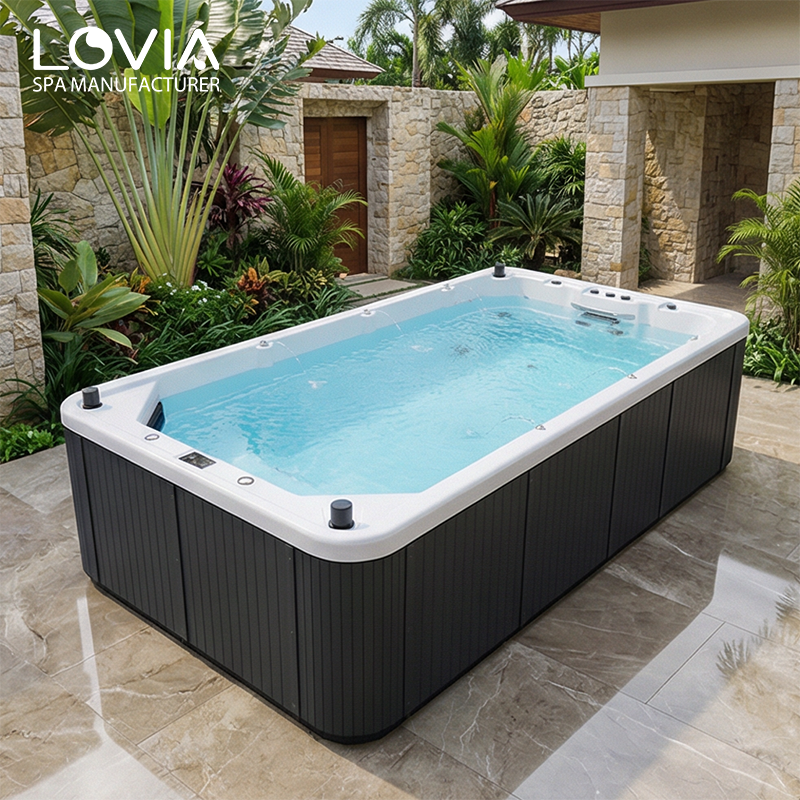
How to use a swim spa tub correctly to relax rather than tighten muscles?
• Time Control: 15-25 minutes per session is recommended;
• Maintain Moderate Water Temperature: 36-38℃ is suggested;
• Adjust Water Flow Intensity: Avoid prolonged strong water flow impacting the same area;
• Relaxed Breathing: Deep breathing helps relax the nervous system;
• Gentle Stretching After Soaking: Helps muscles regain their natural length;
• Hydration: Prevents dehydration and muscle contraction.
What Warranty Does LOVIA SPA Provide for Its Spa Products?
LOVIA SPA offers a clear and structured warranty policy to support buyer confidence and long-term product value. The spa structure is covered for 5 years, the acrylic shell for 3 years, and components such as jets, valves, drains, pillows, plumbing, skirts, and suction fittings are covered for 2 years. Electrical parts and filters also receive 2-year warranty coverage.
This warranty system reflects our manufacturing confidence and helps buyers reduce after-sales risk when purchasing high-quality spa products directly from the factory.
