

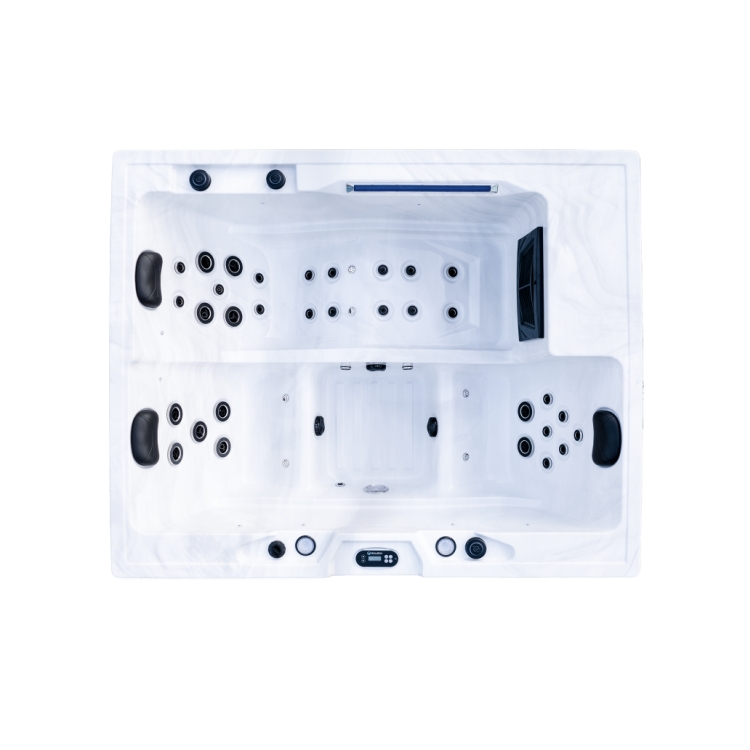
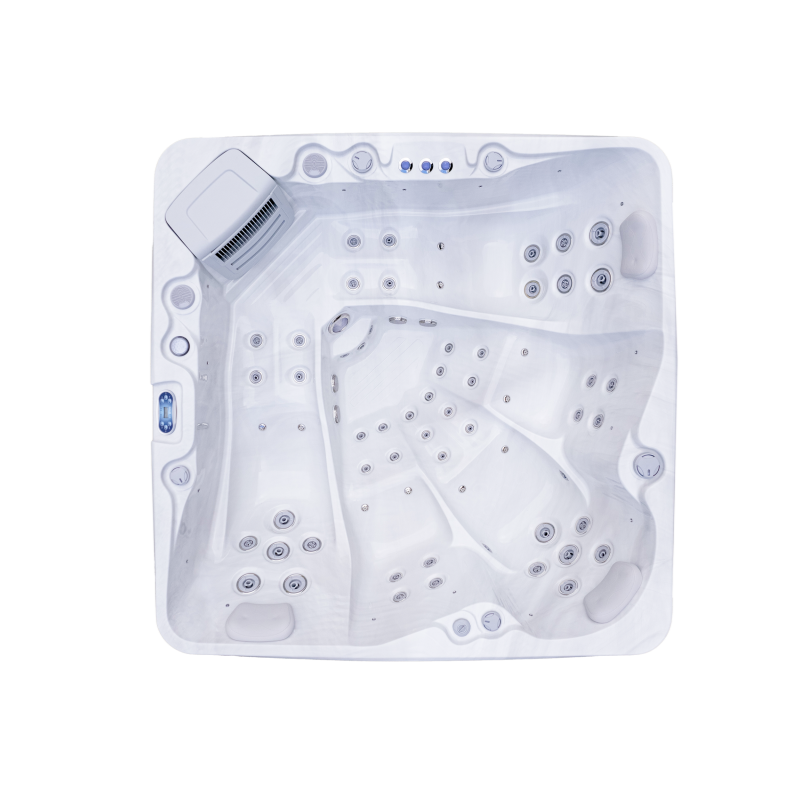
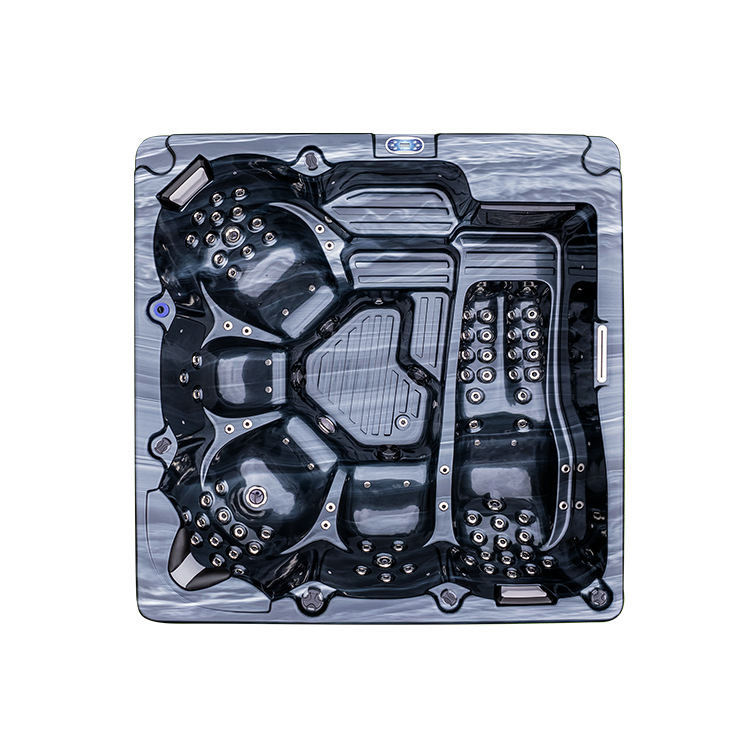
A swim spa tub is a multi-functional spa device that combines the functions of a swimming pool and a jacuzzi. It can be used for daily relaxation, rehabilitation therapy, and home fitness, and its small footprint, low energy consumption, and comprehensive functions have made it a common feature in modern homes and high-end villas.
However, even with a sophisticated design and advanced manufacturing process, swim spa tubs may still experience some common operational or maintenance problems during long-term use.
This article will systematically analyze the topic of "What problems typically occur with swim spa tubs," addressing issues from the perspectives of water quality, equipment structure, circulation system, electrical control system, and usage and maintenance, helping users understand the root causes of problems and scientific solutions.
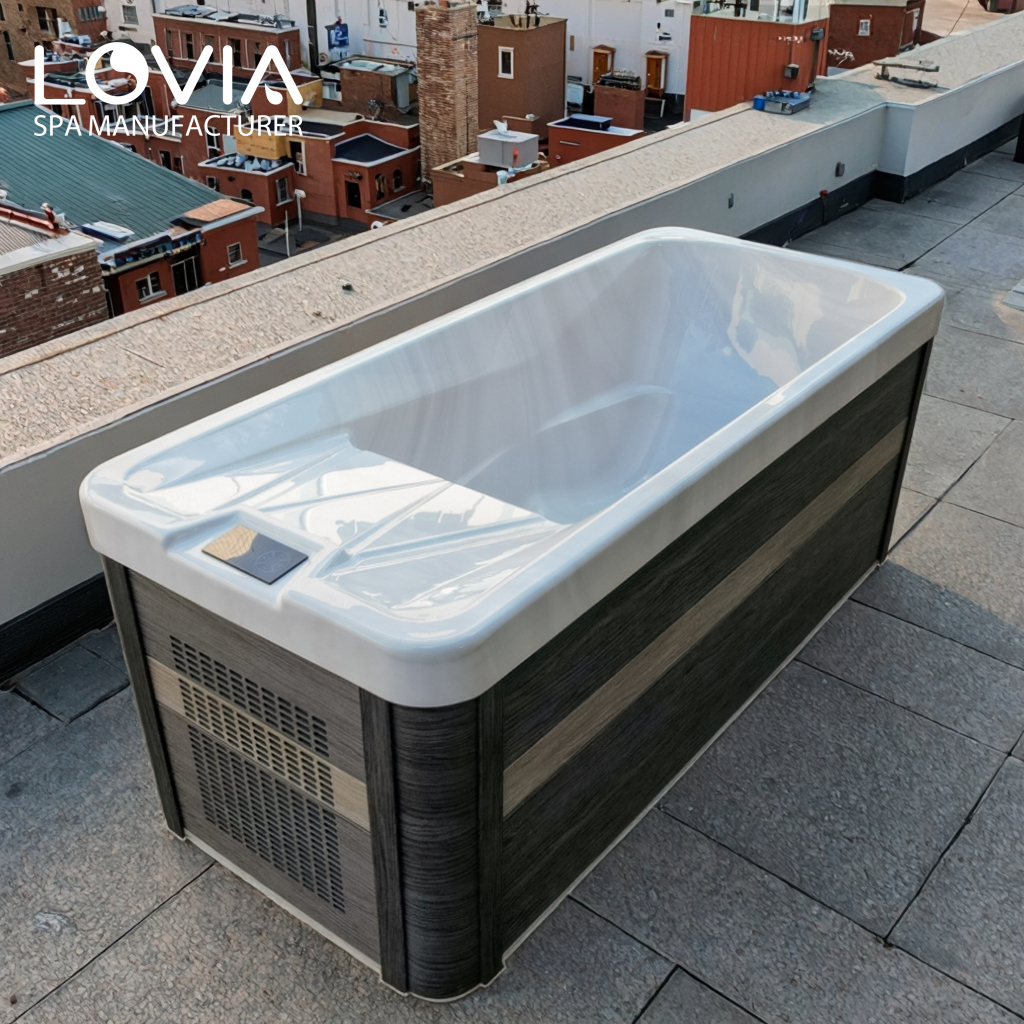
Why do swim spa tubs experience problems?
Regardless of brand or model, problems with swim spa tubs mainly stem from three aspects:
• Improper water quality management – including chlorine imbalance, pH fluctuations, and impurity accumulation;
• Equipment aging or insufficient maintenance – nozzles, filtration systems, and circulation pumps are prone to performance degradation after prolonged use;
• Improper operation – users ignore instruction manual requirements or operate in extreme environments such as high or low temperatures.
Because swim spa tubs combine swimming and hydrotherapy functions, their system complexity is far greater than that of ordinary jacuzzi, and the potential for problems is also wider. Below, we will analyze different types of problems and their formation mechanisms one by one.
What are some common water quality problems with swim spa tubs?
1. What causes the water to be cloudy or green?
"Cloudy water" is one of the most common phenomena observed during the use of a swim spa tub. Main causes include:
• Accumulation of organic matter in the water: Human sebum, sweat, and cosmetics accumulate during circulation;
• Clogged filtration system: Infrequent cleaning of the filter cartridge prevents impurities from being filtered out;
• pH and chlorine imbalance: When the pH is too high or free chlorine is insufficient, the bactericidal ability decreases, algae proliferate, and the water turns green.
Solutions include: Regularly monitoring the pH (maintaining it between 7.2 and 7.6), maintaining an appropriate chlorine content, cleaning the filter weekly, and performing regular chlorine shock treatment.
2. Why does the swim spa tub have an odor?
Odors usually originate from bacteria or chemical residues in the water.
• If the water tastes "rotten," it's likely due to bacterial growth;
• If there's a strong "bleach" odor, it indicates excessive chlorine concentration or an excessive amount of bound chlorine (chloramine).
In this case, the normal balance should be restored by replacing part of the water, adding fresh water, and adjusting the disinfectant dosage.
3. Why is there too much foam?
Excessive foam in swim spa tub use can negatively impact the massage experience and reduce visual cleanliness. Foam is mostly caused by:
• Shower gel/shampoo residue;
• High water hardness;
• Poor filtration.
Avoid using bath products containing oils; add foam suppressants if necessary.
What are some mechanical issues with swim spa tubs?
1. Uneven water flow or no pressure from the nozzles?
When users notice reduced water flow or unstable jets, possible causes include:
• Nozzle blockage: Fine impurities or mineral deposits adhere to the nozzle outlet;
• Air in the circulation pump: Air blockage leads to reduced flow;
• Pump or motor aging: Wear on the internal impeller affects pressure output.
The nozzles should be cleaned regularly with a soft brush. Check the pump system for air bubbles or leaks, and ensure the water level is above the suction port.
2. Signs of decreased filtration system efficiency?
The filtration system is one of the core components of the swim spa tub, determining the efficiency of water circulation and cleaning. Common problems include:
• Noticeably slower water flow;
• Unusual noise from the filter;
• Filter cartridge surface accumulates dirt.
It is recommended to clean the filter cartridge every two weeks and replace it every 3–6 months to maintain efficient filtration.
3. Excessive pump noise or vibration?
If abnormal noise or vibration occurs, check:
• Whether the pump bearings are worn;
• Whether the base is loose;
• Whether cavitation is caused by air entering the system.
Tightening the pump body fixing screws promptly and maintaining the water inlet system's seal can effectively reduce noise problems.
What are some common malfunctions of the swim spa tub's electrical control and heating systems?
1. Water temperature cannot be heated or is unstable?
This is usually related to the heater or temperature control probe.
• If the heating system is completely malfunctioning, check if the heating element is burnt out;
• If the temperature fluctuates wildly, it may be due to temperature sensor error or poor contact in the control panel.
For swim spa tubs using a thermostatic control system, maintain a stable power supply and avoid frequent switching on and off.
2. Control panel unresponsive or displaying abnormalities?
Electrical control problems often stem from:
• Moisture in the circuitry;
• Aging control board;
• Loose wiring.
The installation location should be away from high humidity environments. Use a waterproof cover to protect the control system and ensure power is disconnected before each cleaning operation.
What problems might occur with the circulation and drainage system?
1. Why does the circulation system of the swim spa tub malfunction?
The circulation system is responsible for continuously filtering, heating, and recirculating the water. If circulation is interrupted:
• Floating debris appears on the water surface;
• The water temperature becomes uneven;
• Disinfectant distribution.
Common causes include a stuck circulation pump, air blockage in the pipes, or valve malfunction. Maintaining a sufficient water level and regularly venting air can effectively prevent these issues.
2. What causes poor drainage?
Clogged drain outlets are the main cause; impurities or hair can easily get stuck in the drain valve. Regularly clean the drain channels with a soft brush or high-pressure water jet, and ensure valves open and close smoothly.
Energy Consumption and Energy Saving of Swim Spa Tubs
Many users find their electricity bills increase significantly after a period of use.
This is usually related to:
• Frequent heating system activation;
• Excessive filtration time;
• Decreased heat retention.
Keeping the cover sealed, setting a proper filtration cycle (2–4 hours daily), and turning off the massage function when not in use can effectively reduce energy consumption and extend the life of the equipment.
What are the potential hazards of improper swim spa tub maintenance?
• Excessive bacterial colony: Infrequent water changes can lead to bacterial growth;
• Corrosion of parts: High concentrations of chemicals can corrode nozzles and pipes;
• Risk of electrical leakage: Water ingress into the electrical system or poor grounding can lead to safety hazards.
Therefore, daily maintenance of swim spa tubs must be standardized: regularly check water quality, electrical controls, heating and circulation systems, keep the environment dry, and use genuine parts.
How to prevent problems with swim spa tubs?
• Maintain water balance: Regularly test chlorine and pH levels;
• Control usage time: Avoid prolonged continuous operation;
• Standardize cleaning cycles: Weekly shallow cleaning, monthly deep cleaning;
• Inspect seals and piping: Prevent air from entering the system;
• Electrical system safety inspection: At least one comprehensive inspection per year.
Why Do Buyers Choose LOVIA SPA for Long-Term Cooperation?
Buyers choose LOVIA SPA for long-term cooperation due to our stable production capacity, clear warranty policy, and professional manufacturing standards. With decades of experience and international certification compliance, we provide reliability that supports repeat purchasing and brand development. LOVIA SPA focuses on consistent quality and transparent business practices, helping buyers reduce risk while maintaining competitive pricing and dependable supply relationships.
