

A swim spa tub combines the functions of a swimming pool and a hot tub, offering an ideal experience for relaxation, rehabilitation, and fitness. Compared to ordinary swimming pools or hot tubs, swim spa tubs are more versatile, but they also require higher standards for water quality, equipment maintenance, and user preparation.
Preparation before a spa session directly affects the comfort of the experience, the lifespan of the equipment, and water safety. Neglecting preparation can lead to unclean water, equipment damage, or user discomfort.
This article will detail how to prepare for a swim spa tub spa session, covering equipment inspection, water quality management, personal preparation, safety precautions, and post-spa treatment.
Why is preparing for a swim spa tub spa session important?
1. Equipment Protection and Extended Lifespan
Swim spa tubs are equipped with core components such as water pumps, heaters, jets, and filtration systems. Unprepared spa sessions can lead to equipment overload, increased wear and tear, or corrosion caused by poor water quality. Checking equipment status and maintaining water quality can effectively extend the equipment's lifespan.
2. Water Safety Assurance
Untreated water may contain bacteria, algae, or impurities. Proper water preparation helps prevent skin irritation, eye discomfort, and other health problems. Water safety not only protects personal health but also ensures the effectiveness of disinfectants during the spa session.
3. Enhanced Spa Experience
Thorough preparation ensures appropriate water temperature, even massage effects, and smooth water flow, providing users with a comfortable and relaxing spa experience. Insufficient preparation may result in uneven temperature, insufficient bubbles, or poor water flow, reducing the effectiveness of the spa treatment.
Equipment Inspection Before a Swim Spa Tub Spa Session
1. Check the Water Pump and Jets
The water pump is the core of the swim spa tub's circulation and massage system.
• Water pump inspection: Ensure there are no abnormal noises, leaks, or vibrations.
• Jet inspection: Ensure the water jets are pointing in the correct direction and are not clogged. Clogged jets can reduce the massage effect and cause uneven water flow.
Regular cleaning and inspection of the jets ensure smooth water flow and extend their lifespan.
2. Check the Heater and Temperature Control System
The heater controls the water temperature, directly affecting the spa experience.
• Heater operation: Ensure that it heats the water quickly and evenly.
• Temperature Control System: The temperature display should be accurate and adjustable to the ideal water temperature (usually 37-40℃).
Excessively high water temperature in a swim spa tub can cause increased heart rate or skin discomfort, while excessively low temperatures will reduce the relaxation effect.
3. Check the Filtration System
The filtration system is responsible for removing impurities and particles from the water.
• Filter Cleaning: The filter should be cleaned regularly to prevent clogging.
• Filtration Circulation: Ensure that the circulation flow is normal and the water flows smoothly.
A malfunctioning swim spa tub filtration system can lead to cloudy water, affecting the spa experience and increasing the risk of bacterial growth.
4. Check Safety Devices
• Emergency Stop Switch: Ensure that the equipment can be immediately shut off during the spa process.
• Overheating Protection Device: Prevents safety problems caused by excessively high water temperature.
• Anti-slip Measures: The anti-slip mats at the bottom or around the bathtub should be in good condition to prevent slips and falls.
These safety devices are crucial and should not be overlooked before using the swim spa tub, as they directly relate to the user's safety.
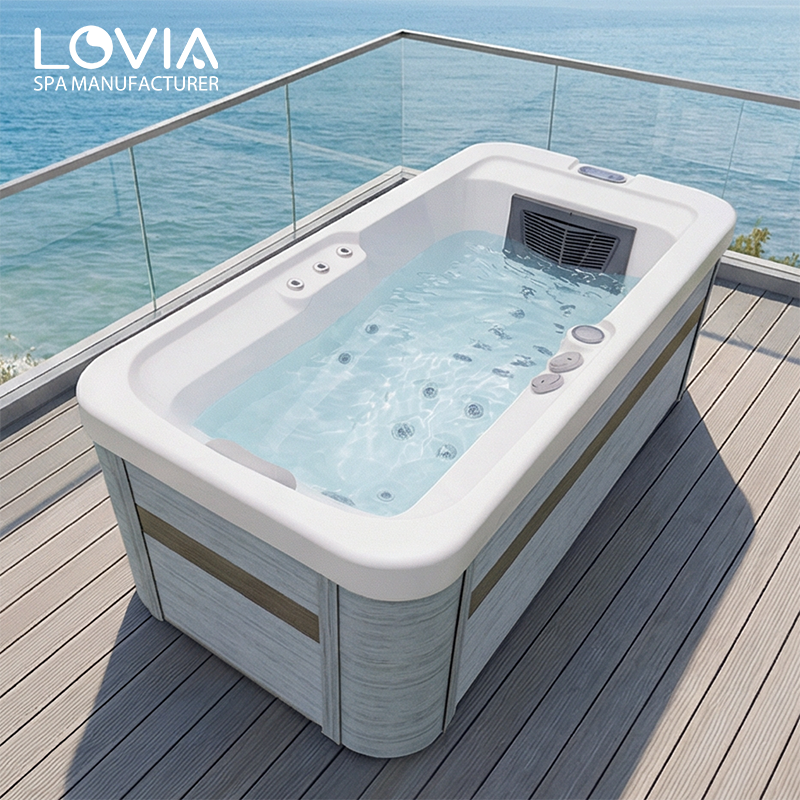
Swim Spa Tub Water Quality Management
Water quality is central to the spa experience and equipment protection. Water quality preparation includes the following aspects:
1. Measuring and Adjusting pH Value
The acidity and alkalinity of the water affect the efficiency of disinfectants and the durability of the equipment.
• Ideal pH value: 7.2-7.8.
• Adjustment Method: Use a pH increaser or decreaser to adjust to the ideal range.
• Reason: Low pH can corrode metal parts, while high pH easily causes scale buildup.
2. Testing Water Hardness and Calcium Content
Water hardness determines the calcium and magnesium content in the water, affecting equipment lifespan.
• Ideal Calcium Hardness: 150-250 ppm.
• Low Calcium Problems: May lead to equipment corrosion and unstable pH.
• High Calcium Problems: Easily causes scale buildup, affecting water flow and jet efficiency.
3. Adding Disinfectant
• Chlorine or Bromine: Commonly used disinfectants to ensure water hygiene.
• Concentration Testing: Use a test kit to measure the concentration to ensure it is within a safe range (chlorine 1-3 ppm).
• Note: Too high a concentration irritates the skin, while too low a concentration is ineffective in killing bacteria.
4. Cleaning Impurities and Sediment
• Method: Use a filter screen, manual cleaning, or a vacuum cleaner.
• Reason: Dust, hair, leaves, and other impurities in the water can affect water quality and clog the nozzles.
5. Change the water regularly
• Frequency: Every 2 weeks for commercial establishments, every 2-3 months for home users.
• Reason: Minerals, disinfectant residue, and impurities in the water will accumulate, affecting water quality and the effectiveness of the hydrotherapy.
Personal Preparation
1. Shower and clean your body
• Remove impurities: Sweat, skincare products, and makeup residue can contaminate the water.
• Method: Rinse your body thoroughly before entering the bath to ensure clean water.
2. Wear appropriate swimwear
• Comfort: Appropriate swimwear ensures freedom of movement and even water flow.
• Safety: Avoid metal jewelry that could scratch the bathtub surface or affect water quality.
3. Stay hydrated
• Reason: You may sweat during hydrotherapy; staying hydrated helps maintain fluid balance and prevents dehydration.
• Suggestion: Drink an appropriate amount of water before bathing, and replenish fluids as needed during hydrotherapy.
4. Control food intake
• Empty stomach or overeating: Overeating may cause digestive discomfort, while an empty stomach may lead to blood sugar fluctuations.
• Suggestion: Have a light meal and wait 1 hour before hydrotherapy.
5. Health assessment
• Considerations for specific groups: Individuals with heart disease, high blood pressure, or sensitive skin should assess their own condition.
• Suggestion: If you have any health problems, consult a doctor before undergoing hydrotherapy.
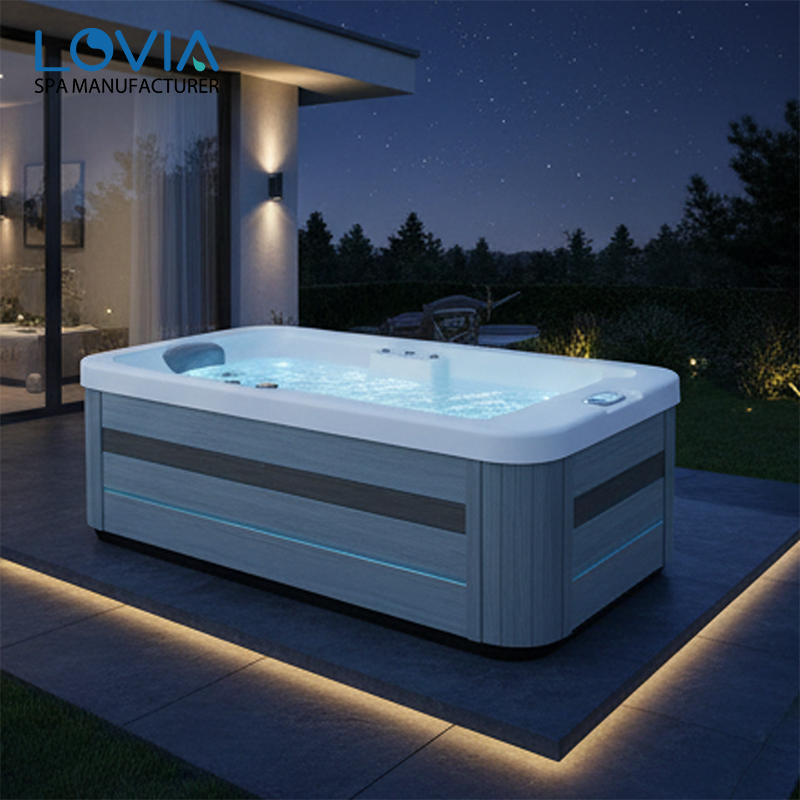
How to adjust the water temperature of the swim spa tub for optimal comfort?
The ideal water temperature is between 37-40℃. The temperature control system should accurately regulate the water temperature, avoiding temperatures that are too high (which can raise blood pressure) or too low (which can affect relaxation).
How long in advance do I need to check the equipment and water quality?
It is recommended to check the swim spa tub and measure the water quality 30-60 minutes before hydrotherapy to allow time for adjustments and preheating.
How to control the disinfectant concentration?
Chlorine concentration should generally be maintained at 1-3 ppm, and bromine concentration can be adjusted according to the manufacturer's instructions. Measurement and adjustment must be done carefully to ensure safety.
Do I need to stretch before hydrotherapy?
Moderate stretching of the shoulder, back, and leg muscles can reduce the risk of muscle tension or spasms during hydrotherapy.
Do children or the elderly need special preparation?
Children and the elderly are sensitive to water temperature and quality; therefore, water temperature and duration should be controlled, and adult supervision is required to ensure safety.
How to determine if the water quality is suitable for immediate use?
• Water is clear and free of floating impurities.
• pH value and disinfectant concentration are within the ideal range.
• Water temperature is suitable, and the equipment is functioning properly.
If the above conditions are not met, adjustments should be made first.
Swim Spa Tub: Post-Hydrotherapy Precautions
1. Drain or circulate the water
After hydrotherapy, the water should be drained or circulated to prevent the accumulation of impurities, disinfectants, and minerals in the water.
2. Clean the tub surface and jets
Remove deposits, hair, and limescale to protect the swim spa tub surface and jet function.
3. Drying and ventilation
Keep the area around the swim spa tub dry to prevent mold growth or moisture damage to the equipment.
4. Body care
• Rinse your body to remove residual disinfectant.
• Hydrate and moisturize to prevent dry skin.
• Relax muscles and promote blood circulation.
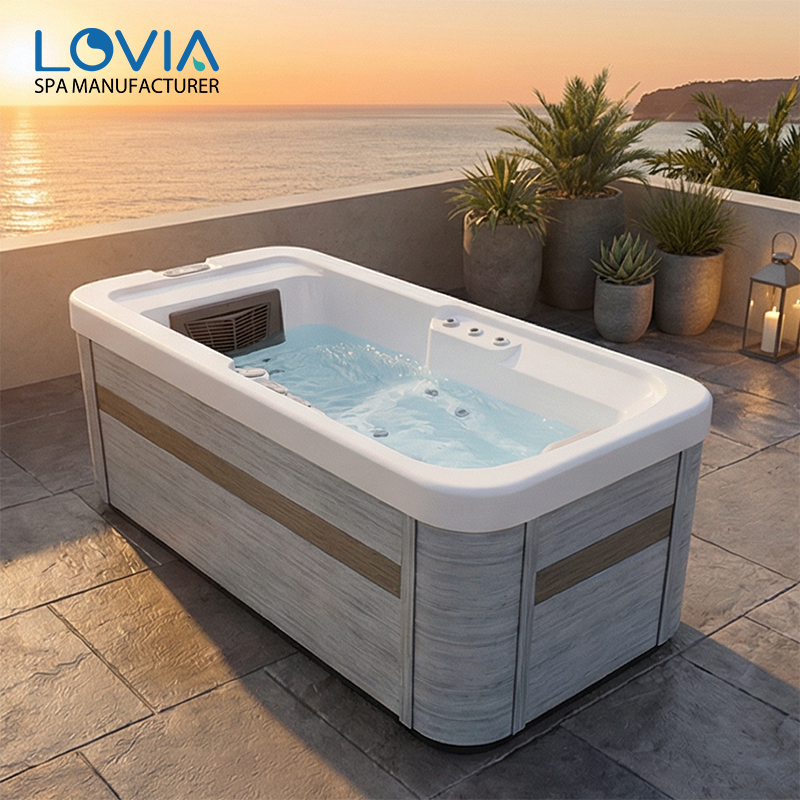
How to prepare for a swim spa hydrotherapy session?
Preparing for a swim spa tub hydrotherapy session is crucial for a safe, comfortable, and effective experience. Preparation includes:
• Equipment inspection: Ensure that the water pump, jets, heater, filtration system, and safety devices are functioning properly.
• Water quality management: Measure pH value and calcium hardness, add disinfectant, clean impurities, and change the water if necessary.
• Personal preparation: Clean your body, hydrate, wear appropriate swimwear, control food intake, and assess your health condition.
• Post-hydrotherapy treatment: Clean the equipment, drain the water, ventilate and dry, and perform body care.
Through scientific and systematic preparation, you can not only protect your swim spa tub equipment and extend its lifespan, but also ensure that every hydrotherapy session is safe, comfortable, and effective.
How does LOVIA SPA ensure water pressure consistency in spa systems?
LOVIA SPA engineers carefully balance pump capacity, pipe diameter, and jet placement to ensure consistent water pressure throughout the spa. Each unit is tested under operating conditions in our factory. Buyers receive products that deliver stable performance regardless of seating position.
This attention to engineering detail enhances user experience and reduces complaints. Wholesale clients who buy from LOVIA SPA benefit from high-quality design that supports long-term customer satisfaction and strong repeat sales.
