

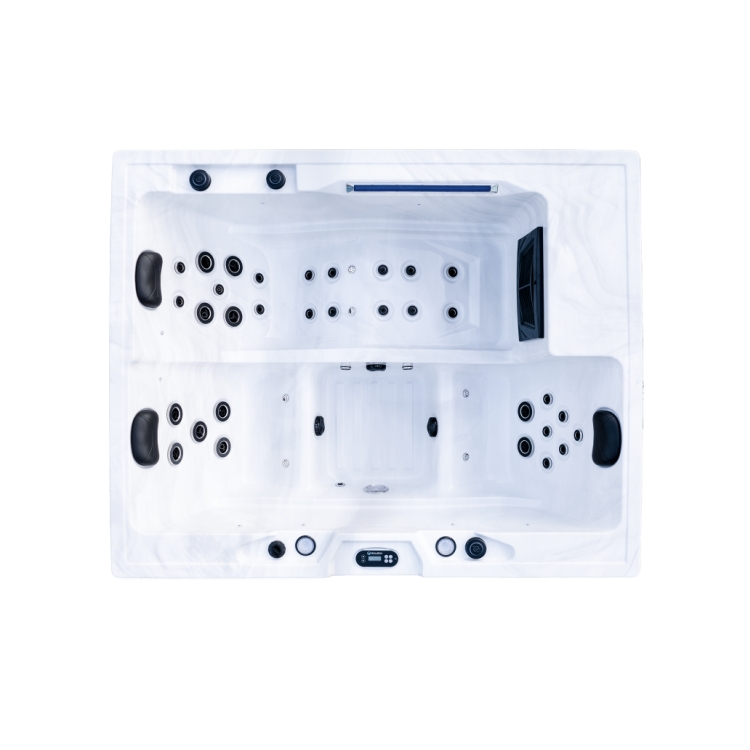
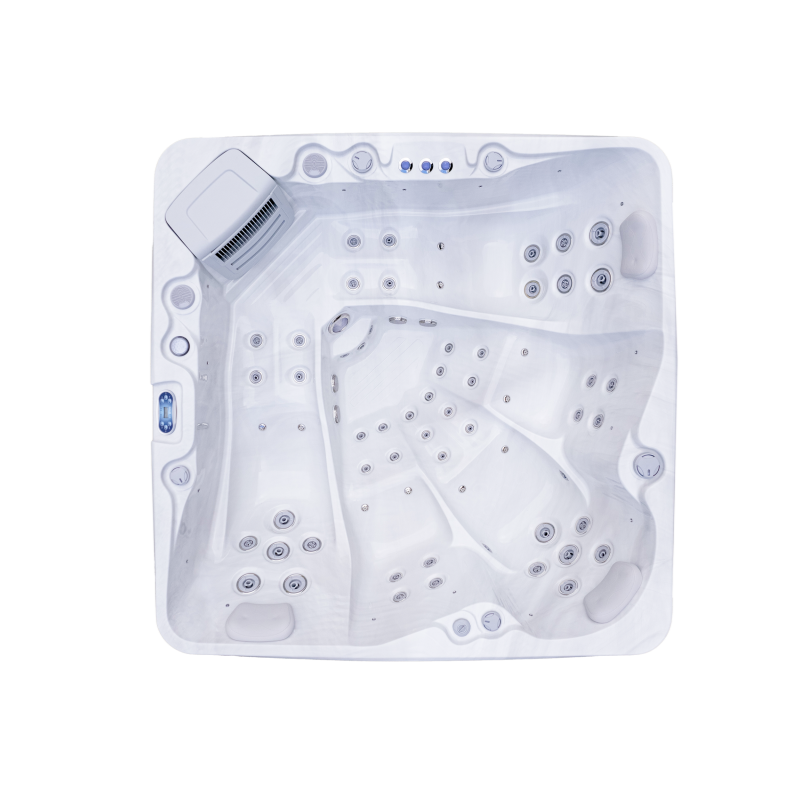
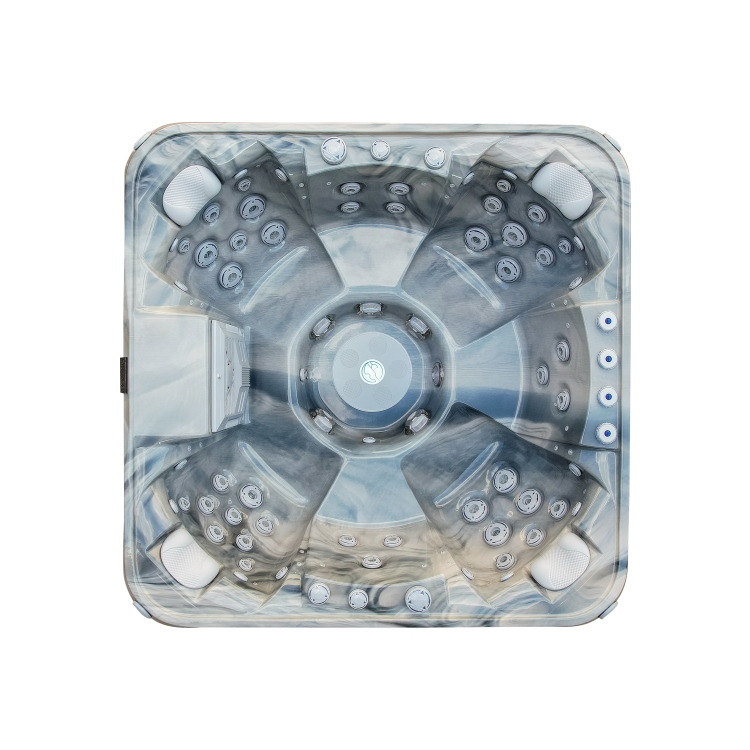
During the cold winter months, outdoor spa hot tubs remain an important relaxation facility for many homes and businesses. However, compared to other seasons, winter actually places higher demands on the water quality management of spa hot tubs. Low temperatures, changes in usage habits, and differences in equipment operation all directly impact water quality stability.
Improper water quality management in winter can lead to problems such as cloudy water, reduced disinfection efficiency, and increased odors in spa hot tubs. Therefore, a scientific and systematic understanding of the logic behind winter water quality management for outdoor spa hot tubs is key to maintaining a good user experience.
This article will provide an in-depth analysis from multiple professional perspectives on how to manage water quality in outdoor spa hot tubs during winter.
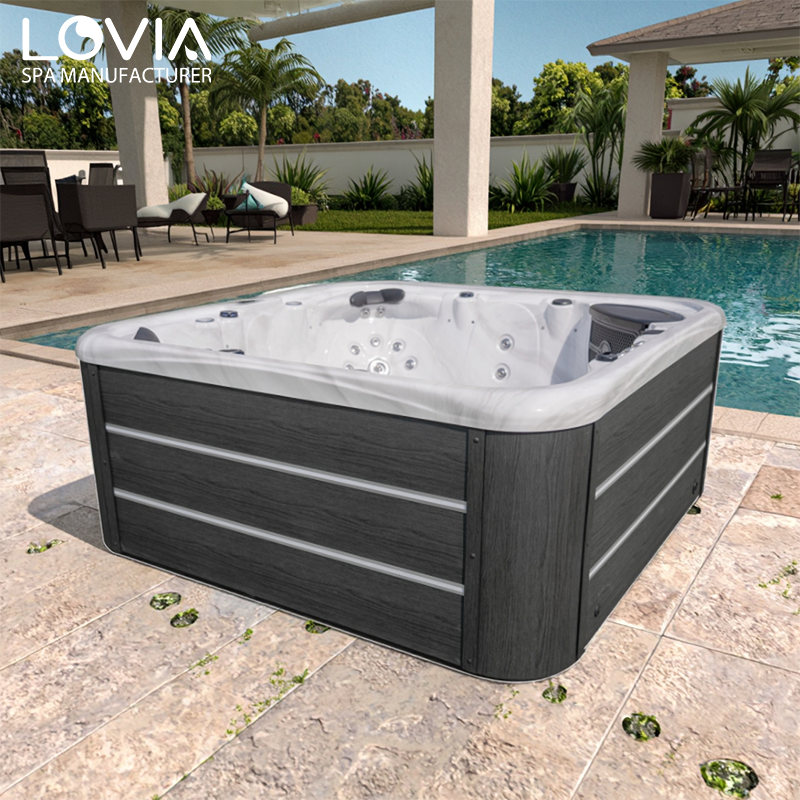
Why is it more difficult to manage water quality in outdoor spa hot tubs during winter?
Many people believe that low temperatures "inhibit pollution," but in actual use, winter actually presents more challenges for spa hot tub water quality management.
Reasons why spa hot tub water quality is more difficult to manage in winter:
• Larger outdoor temperature difference, resulting in consistently higher water temperatures.
• Slower water evaporation, leading to easier accumulation of contaminants.
• Concentrated usage frequency in winter, increasing the load on each use.
• Changes in equipment operating time and methods.
These factors combined make spa hot tub water quality more prone to imbalance in winter.
How does a low-temperature environment affect spa hot tub water chemistry?
Although the air temperature is lower in winter, the internal water temperature of spa hot tubs is usually maintained within a higher range. This "cold outside, hot inside" state amplifies the instability of water chemistry.
In winter:
• Increased heat loss from the water.
• Changes in chemical reaction rates.
• Uneven consumption of disinfectants.
If water chemical parameters (such as pH, alkalinity, etc.) are not controlled stably, it will lead to decreased water clarity and even affect disinfection effectiveness.
Why is spa hot tub water more prone to turbidity in winter?
In winter, turbidity in outdoor spa hot tub water is often not caused by a single reason.
Reasons for cloudy water in spa hot tubs during winter:
• Suspended particles in the water have difficulty settling naturally.
• Insufficient operating time of the filtration system.
• Accumulation rate of organic pollutants.
Due to lower air humidity in winter, airborne dust particles are more easily introduced into the water by users. If these tiny particles are not filtered in time, they will remain suspended for a long time, making the spa hot tub appear whitish or unclear.
How does disinfectant management differ for outdoor spa hot tubs in winter?
While the disinfection system remains a core component in managing spa hot tub water quality in winter, its operating logic differs from other seasons.
Characteristics of disinfection management for spa hot tubs in winter:
• Disinfectant is continuously consumed in high-temperature water.
• The disinfection load suddenly increases during concentrated use.
• Low-temperature air may affect dosing and dissolution efficiency.
If the disinfectant replenishment rhythm does not match the actual needs of the water, water quality fluctuations are likely to occur. Even with disinfectant present, the spa hot tub may still become cloudy or have an odor.
How important is the filtration system for spa hot tubs in winter?
The importance of the filtration system is further amplified in winter.
This is because:
• Water changes are typically less frequent in winter.
• Water contaminants accumulate for longer periods.
• Filtration becomes the primary physical purification method.
If filtration efficiency is insufficient, suspended solids in the spa hot tub will repeatedly circulate, leading to a chronically unstable water quality.

Should the filtration circulation time of the spa hot tub be extended in winter?
In many cases, appropriately extending the filtration circulation time in winter is very helpful for water quality management.
The reasons are:
• Impurities in the water rely more heavily on filtration for removal.
• Tiny particles need to pass through the filter multiple times.
• Water circulation helps to homogenize the water chemistry.
Proper filtration circulation helps maintain the overall clarity of the spa hot tub, not just relying on disinfectants.
Why are spa hot tubs more prone to odors in winter?
Odors are one of the more common water quality problems in winter.
Reasons for unpleasant odors in spa hot tubs during winter:
• Incomplete decomposition of organic matter
• Reaction of disinfectants with contaminants producing byproducts
• Insufficient water circulation leading to localized stagnation
When filtration and disinfection fail to work synergistically, even if the water appears acceptable, a spa hot tub may exhibit noticeable odor problems.
Does the spa hot tub require more attention to water chemical balance in winter?
The answer is yes.
In winter, fluctuations in water chemical parameters are more likely to affect the tub's water quality:
• pH deviations reduce disinfection efficiency
• Unstable alkalinity exacerbates water quality fluctuations
• Mineral imbalances may affect transparency
A stable water chemical environment is crucial for maintaining clear spa hot tub water in winter.
What impact will improper shutdown during winter have on spa hot tub water quality?
Some users may reduce usage frequency in winter but fail to adjust water quality management methods accordingly.
In this situation:
• Water remains stagnant for extended periods
• Impurities gradually accumulate
• Disinfectant distribution is uneven
Even if the spa hot tub is temporarily not in use, the water quality system still needs to maintain basic operation; otherwise, the water quality often fails to recover quickly upon reopening.
Why is systematic management of spa hot tub water quality even more necessary in winter?
Winter water quality problems are often not due to a single point of failure, but rather the result of multiple factors working together.
Only when the following systems operate in tandem can the tub water quality remain stable:
• Disinfection system
• Filtration system
• Circulation system
• Water chemical balance
Ignoring any of these components will amplify the adverse effects of the winter environment on the spa hot tub water quality.
What is the core logic of winter outdoor spa hot tub water quality management?
From a professional perspective, the core of winter water quality management is not about "doing more," but about "doing it right."
Its core logic includes:
• Maintaining a stable level of disinfection
• Ensuring the filtration system remains continuously efficient
• Guaranteeing sufficient water circulation
• Controlling water chemical parameters within a reasonable range
These fundamental tasks determine whether the spa hot tub can maintain its clarity, stability, and comfort throughout the winter.
What role does innovation play at Lovia Spa?
Innovation is a key focus at Lovia Spa. As a forward-thinking manufacturer, our company continuously improves spa hot tub and swim spa tub designs to meet changing market demands. By integrating modern technology and user-friendly features, we provide high-quality products that enhance user experience while maintaining competitive prices for wholesale buyers.
