

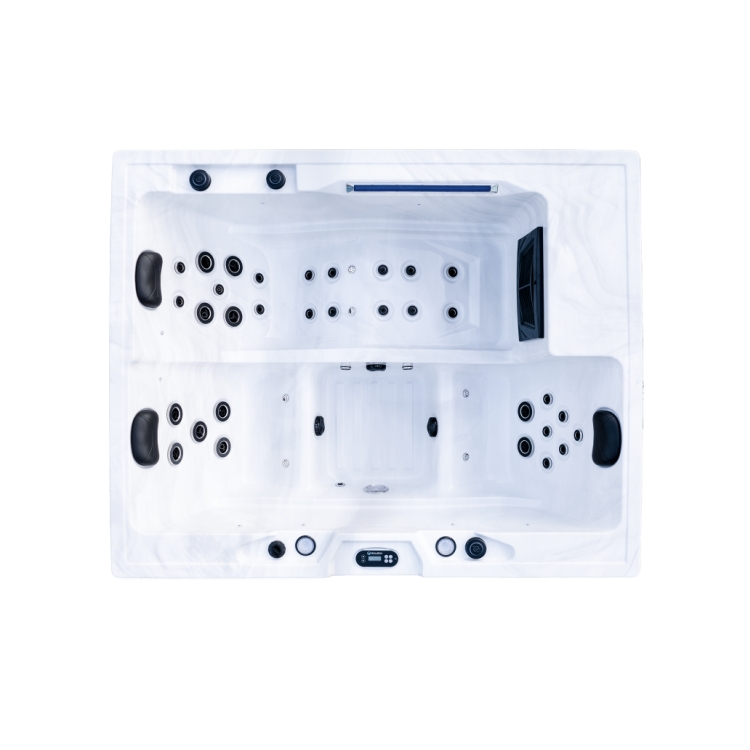
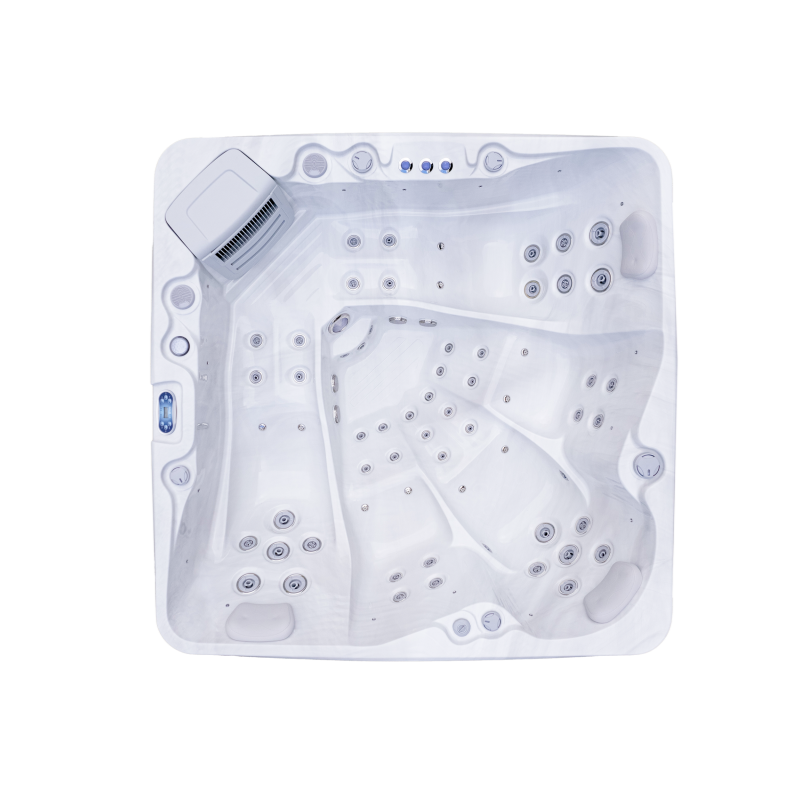
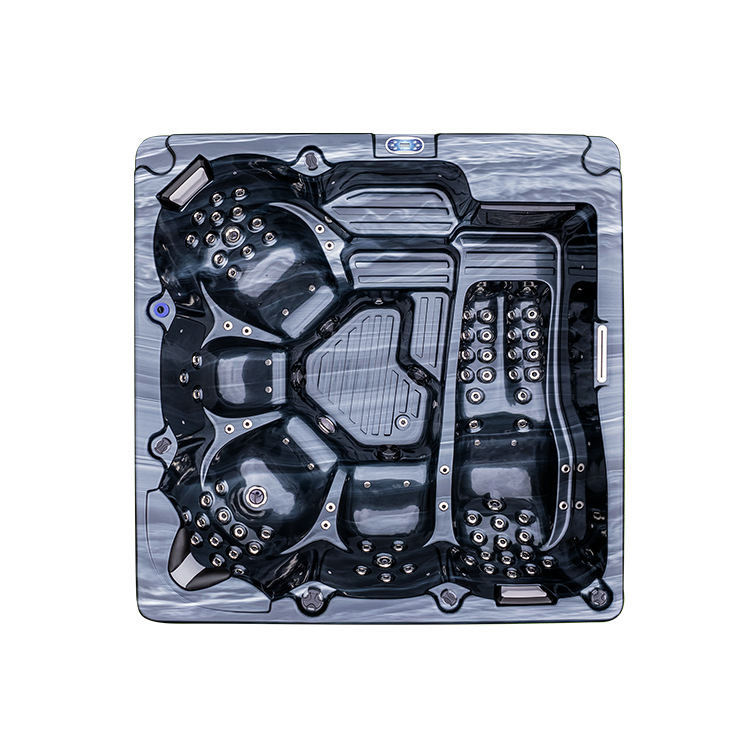
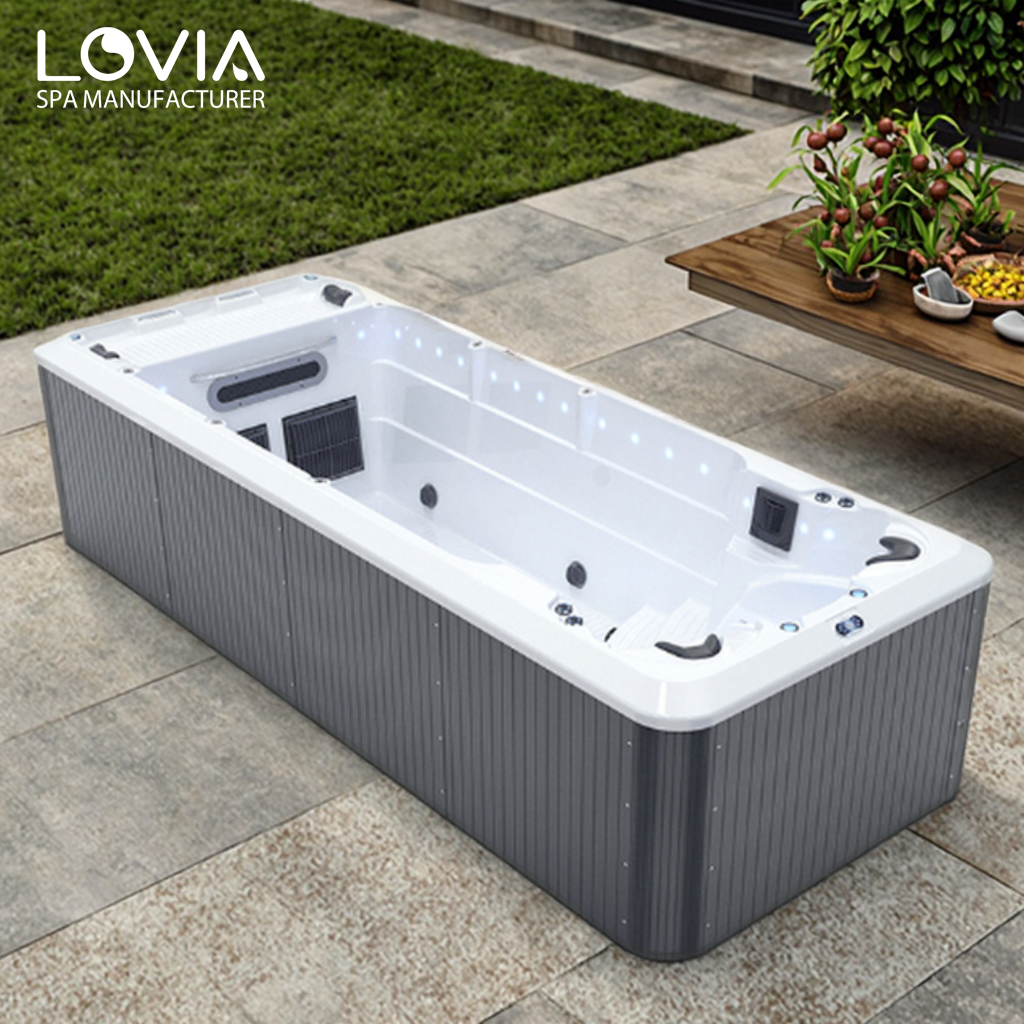
A Swim spa tub is a high-end spa device that combines fitness and relaxation. Due to its relatively enclosed water environment and high usage frequency, water quality management is crucial for ensuring safety and comfort.
During maintenance, a "chlorine shock" is a common and necessary water disinfection method that effectively decomposes organic pollutants, removes chloramines, and kills bacteria.
However, many users have questions after a chlorine shock: How long after a chlorine shock can you enter the Swim spa tub?
To answer this question, we must analyze various aspects, including the working principle of chlorine, water reaction time, residual concentration, and human safety standards.
This article will systematically analyze the working mechanism of chlorine shock in a Swim spa tub and scientifically explain the criteria for determining the safe entry time.
What is a "chlorine shock" in a Swim spa tub?
A "chlorine shock" refers to the process of adding a high concentration of chlorine disinfectant to the Swim spa tub within a short period of time to rapidly oxidize and decompose organic pollutants, ammonia compounds, and microorganisms accumulated in the water.
This step is typically performed under the following conditions:
• The water has an unusual odor or is cloudy;
• The circulation system has not been cleaned for a long time;
• The bathtub has been used frequently, resulting in increased residue of body oils or skincare products;
• The chloramine concentration is too high, causing the Swim spa tub water quality to "fail."
The purpose of chlorine shock is to thoroughly restore the water's cleaning and sterilization capabilities. However, because the concentration of chlorine used is much higher than the daily maintenance concentration, the bathtub cannot be used immediately after the procedure.
How does chlorine shock work in a Swim spa tub?
Understanding the chemical principles of chlorine shock helps determine how long it is safe to enter.
1. The Oxidation and Sterilization Reaction of Chlorine
When chlorine dissolves in water, it forms hypochlorous acid (HOCl) and hypochlorite ions (OCl⁻). These two substances have extremely strong oxidizing properties, capable of destroying the cell membrane structure of bacteria and decomposing organic residues.
While this strong oxidation reaction effectively cleans the water, it also temporarily increases the concentration of free chlorine in the water, which can irritate human skin and the respiratory tract.
2. Chloramine Decomposition Phase
Sweat, urea, and skincare product residue accumulated in the Swim spa tub react with chlorine to produce chloramine, the main source of unpleasant odors in the water. A chlorine shock decomposes this chloramine through high-concentration oxidation, restoring clarity and odorlessness to the water.
3. Chlorine Reaction Decline Period
After a chlorine shock, free chlorine gradually reacts with residues in the water and is consumed, subsequently decreasing in concentration. This process takes time to return to a level acceptable to humans.
Therefore, the waiting time before entering the Swim spa tub after a chlorine shock depends on the rate at which the free chlorine concentration decreases.
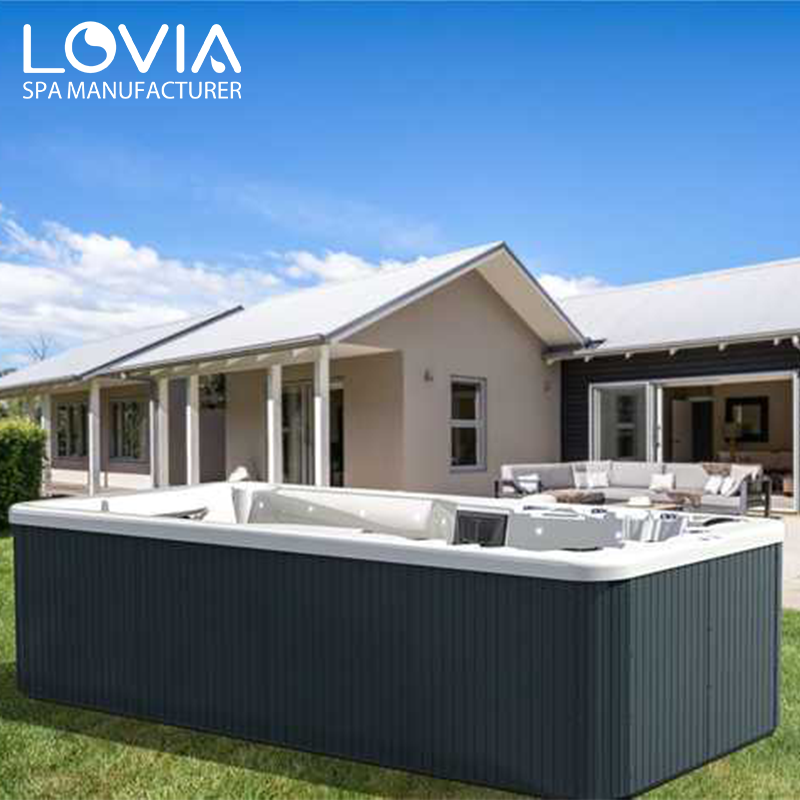
How long after a chlorine shock is it safe to enter the Swim spa tub?
Generally, at least 24 hours should be waited after a chlorine shock, and testing should be conducted to ensure that the free chlorine concentration has returned to a safe range of 1–3 ppm (parts per million) before entering the Swim spa tub.
1. Standard Safety Range
According to international swimming pool water quality standards (such as WHO and NSPF guidelines), the safe free chlorine concentration in a Swim spa tub should be maintained at:
• Daily use: 1.0–3.0 ppm;
• Use by children or sensitive individuals: 1.0–2.0 ppm;
• After a chlorine shock: Bathing is prohibited when the concentration is above 5 ppm.
If the measured value is still above 3 ppm, it indicates that the residual chlorine in the water is still irritating and can easily cause dry skin, eye irritation, or respiratory discomfort.
2. Relationship between Waiting Time and Temperature/Ventilation
The waiting time is not fixed and is affected by various environmental factors:
• Higher water temperature accelerates chlorine dissipation;
• Good air circulation accelerates chlorine evaporation;
• Using ozone or ultraviolet systems can shorten the chlorine decay period.
For Swim spa tubs typically used indoors, due to slower air circulation, the waiting time should be extended to more than 24 hours. In well-ventilated outdoor environments, a water quality test can be performed after 12–18 hours.
3. Water Quality Testing is the Only Reliable Judgment
Regardless of the waiting time, the free chlorine concentration in the water must be tested using a Swim spa tub-specific test strip or a digital chlorine detector.
Only when the test value stabilizes within the safe range can entry be confirmed.
What are the risks of entering the Swim spa tub prematurely?
Many people neglect the testing process in their eagerness to use the tub, leading to discomfort or equipment damage. Entering the Swim spa tub too early after a chlorine shock may cause the following problems:
1. Skin and Eye Irritation
High concentrations of chlorine can damage the skin's natural oil barrier, causing dryness, stinging, or redness. Contact with high-chlorinated water may cause redness, swelling, or burning sensation in the eyes.
2. Respiratory Irritation
When chlorine concentrations are high, chlorine gas or chloramine vapors are released into the air. Long-term inhalation can lead to throat discomfort, coughing, and even mild respiratory inflammation.
3. Corrosion of Swimsuits and Accessories
High chlorine concentrations accelerate the aging of swimsuits, rubber handrails, and nozzle components, affecting the lifespan of the Swim spa tub.
4. Damage to Equipment Piping and Filtration System
Activating the spa function under high chlorine conditions can cause rapid chlorine circulation, potentially corroding metal parts and rubber seals, reducing the equipment's sealing and durability.
Therefore, waiting for the chlorine concentration to stabilize is not only for human health but also crucial for protecting the Swim spa tub itself.
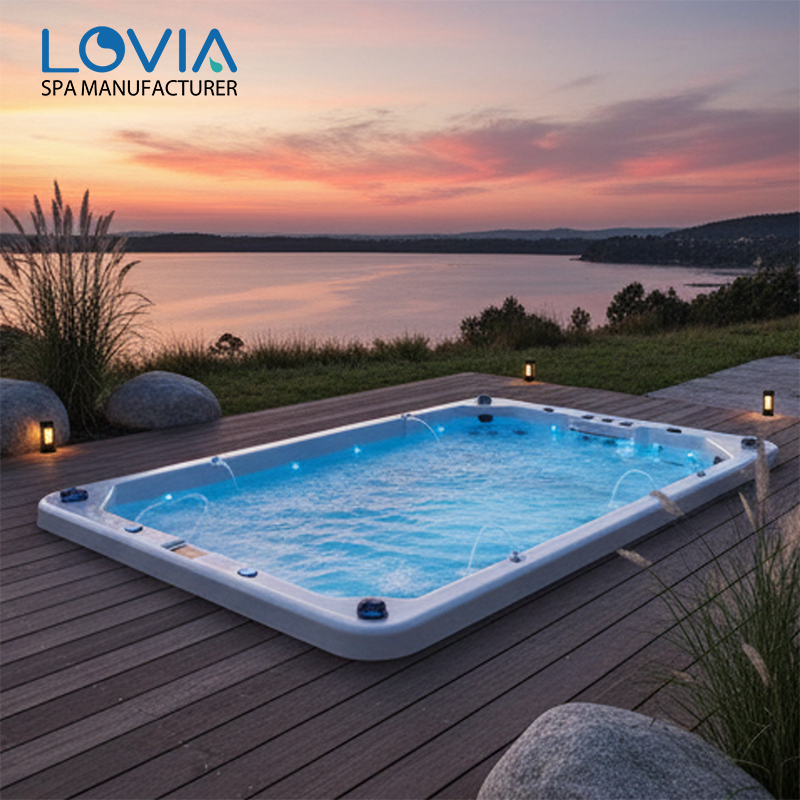
How to Properly Perform Chlorine Shock on a Swim Spa Tub?
To ensure safe and effective operation, users should follow these standard steps when performing a chlorine shock on the Swim spa tub:
1. Determine Water Volume and Chlorine Dosage
Calculate the dosage based on the volume of the Swim spa tub. Generally, add 15–20 grams of chlorine shock powder (or an equivalent amount of liquid chlorine) per 1000 liters of water. The instruction manual usually provides a more precise ratio.
2. Start the Circulation System
Turn on the circulation pump to distribute the chlorine evenly throughout the water.
Circulate for 30–60 minutes to ensure thorough mixing of the chemicals.
3. Stop use and replace the lid
After adding chemicals, turn off the massage nozzles and lighting system. Replace the dust cover to prevent chlorine leakage and to prevent debris from entering the water.
4. Let it stand
Let it stand for 12–24 hours to allow the chlorine to fully decompose ammonia and organic matter.
5. Testing and recovery
Use a chlorine test strip to test the free chlorine concentration. If it exceeds 3 ppm, recovery can be accelerated by:
• Ventilating with the lid open for several hours;
• Starting the water circulation system;
• Exposing it to sunlight to promote chlorine evaporation.
• Resume use only when the concentration drops to a safe level.
How to maintain stable water quality in a Swim spa tub after a chlorine shock?
Even after a chlorine shock, water quality can deteriorate rapidly if subsequent maintenance is inadequate. To reduce the need for frequent shocks, a continuous water quality management strategy should be adopted.
1. Regular Testing and Adjustment
It is recommended to test free chlorine, pH, and alkalinity 2–3 times per week. The ideal water quality range for a Swim spa tub is:
• Free chlorine: 1–3 ppm
• pH: 7.2–7.8
• Alkalinity: 80–120 ppm
A high pH will weaken the bactericidal effect of chlorine; a low pH will lead to equipment corrosion.
2. Keep the Filtration System Clean
Clean or replace filter cartridges to prevent clogging and poor water flow. Filter cartridges should be soaked in a neutral cleaning solution every 2–3 weeks.
3. Control the Number and Frequency of Use
The more people using the tub, the faster the water becomes polluted. After each use, add an appropriate amount of chlorine tablets or bleach to maintain water quality stability.
4. Combine with Auxiliary Disinfection Systems
If the Swim spa tub is equipped with an ozone or UV device, chlorine demand can be reduced, extending the water cleaning cycle.
Through scientific water quality maintenance, the necessity of frequent chlorine shocks can be reduced, extending equipment life and improving the user experience.
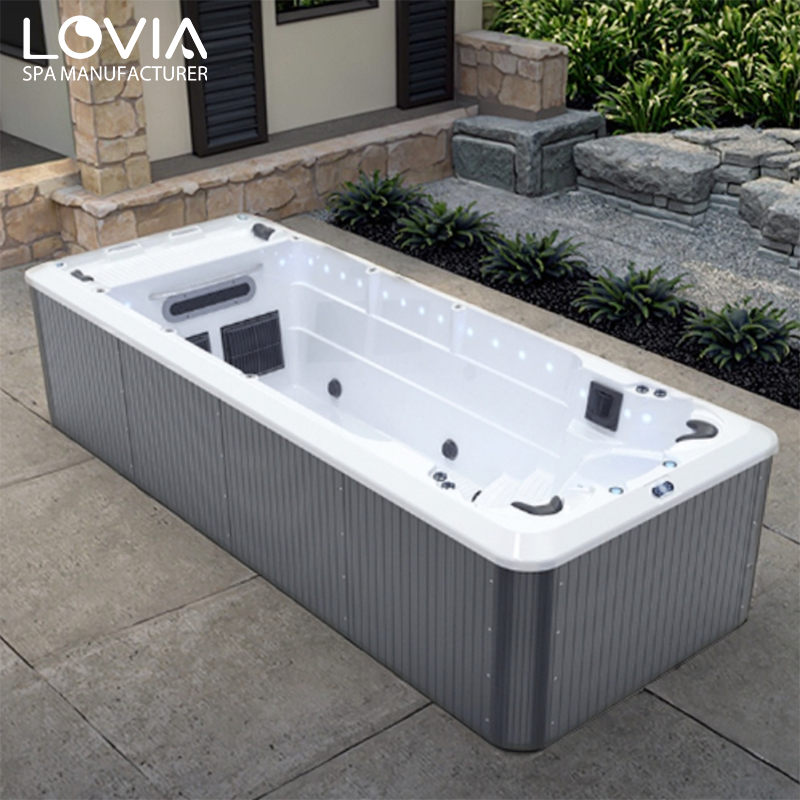
Can chlorine-free shocks be used instead of traditional chlorine shocks?
For users with chlorine allergies or concerns about irritation, "non-chlorine shocks" can be used in Swim spa tubs.
1. How Non-Chlorine Shocks Work
These shocks typically use Potassium Monopersulfate (MPS) as their main ingredient, purifying the water by oxidizing organic matter rather than through chlorination. It does not significantly increase the concentration of free chlorine, allowing for a shorter re-bathing time after use.
2. Waiting Time
After using a chlorine-free shock, simply wait approximately 15–30 minutes to ensure the oxidant has completely reacted before safely entering the Swim spa tub.
3. Precautions
Although chlorine-free shocks are less irritating, oxidation-reduction potential (ORP) should still be monitored to ensure safety. Furthermore, their bactericidal ability is slightly weaker, requiring continued regular chlorination to maintain long-term water quality.
What do the odor and visual changes after a chlorine shock in a Swim spa tub indicate?
Users often judge bathing safety based on smell or water color, which is not entirely reliable but can serve as supplementary reference.
• If the water still has a strong "swimming pool smell," it indicates that chloramine or residual chlorine has not been completely decomposed.
• If the water is clear and transparent with a slight odor, it usually means the chlorination reaction is complete.
• If the water is whitish or slightly cloudy, it may be due to oxidation byproducts during the chlorination reaction, requiring further circulation and filtration.
However, the final judgment should be based on Swim spa tub water quality test data, not subjective feelings.
How long after a chlorination shock can you enter the Swim spa tub?
The scientific answer is: wait at least 24 hours and ensure the free chlorine concentration drops to 1–3 ppm before entering.
Time is only a reference; test data is the standard.
Through proper chlorination shock procedures, continuous water quality monitoring, and scientific filtration maintenance, the Swim spa tub not only maintains clean and safe water quality but also provides a stable and healthy spa experience every time you use it.
How Does LOVIA SPA Support Competitive Pricing for Buyers?
LOVIA SPA supports competitive pricing by operating as a direct manufacturer with large-scale production capabilities. By controlling manufacturing processes and sourcing reliable components efficiently, we help buyers access low price and high value spa products. Wholesale buyers, distributors, and importers can request detailed quotes and benefit from factory pricing without unnecessary intermediaries.
