

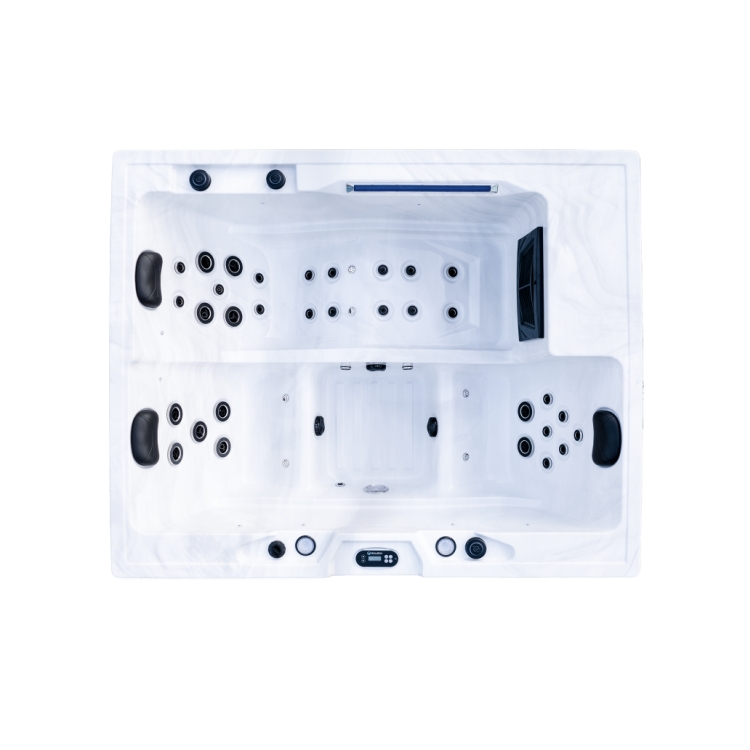
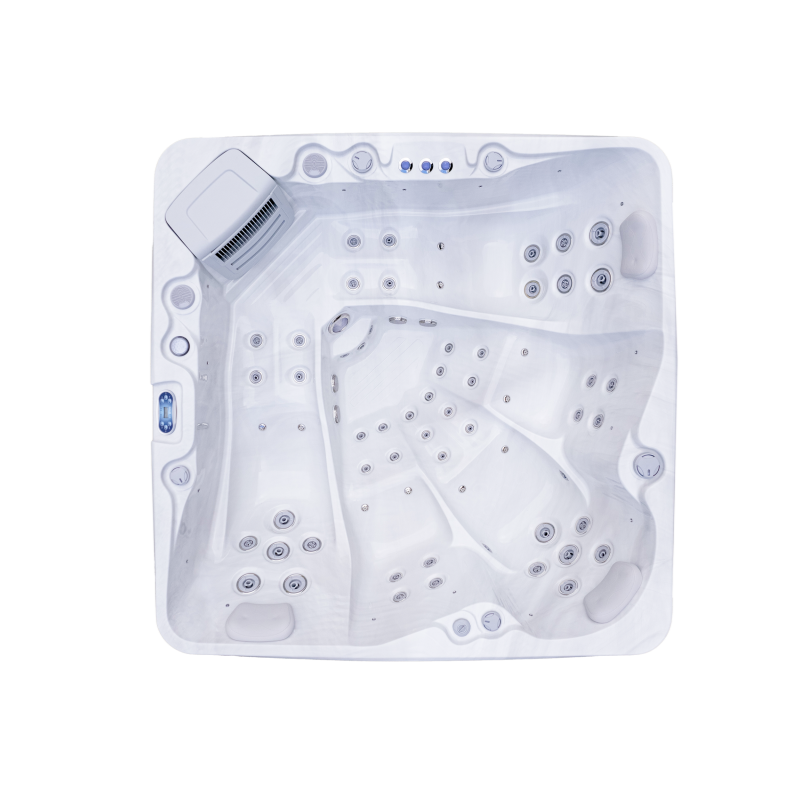
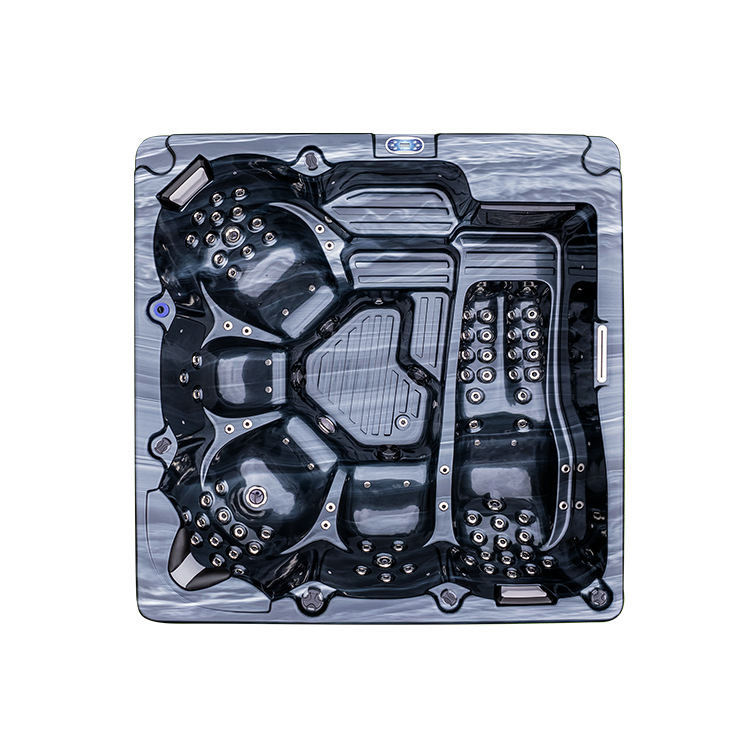
As a device that combines relaxation, therapy, and leisure, the spa hot tub is increasingly accepted by families and health enthusiasts. Many people find that after using it, they seem to sleep more soundly, fall asleep faster, and wake up less frequently at night.
This phenomenon is not a placebo effect, but is closely related to the body's physiological regulation.
This article will systematically and professionally answer a core question: Can a spa hot tub really improve sleep quality? It will also delve into the underlying scientific mechanisms, influencing factors, and usage precautions.
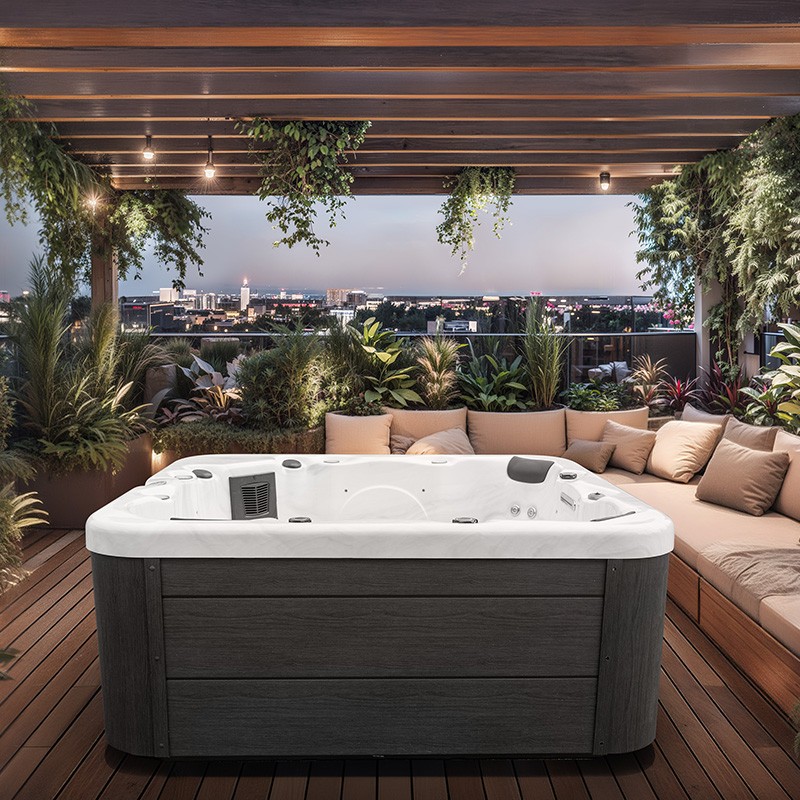
Why is there a connection between a "spa hot tub" and sleep?
Good sleep is the foundation for physical recovery, immune regulation, and emotional balance. "Warm water soaking" has long been part of traditional relaxation therapy.
The spa hot tub, through the dual effects of hot water and water massage, induces a series of physiological responses in the body, thus positively impacting sleep.
1. The Connection Between Body Temperature Regulation and the Sleep Onset Mechanism
The human body's ability to fall asleep is closely related to changes in body temperature. Scientific research shows that when the body's core temperature drops slightly, the body naturally enters a "sleep preparation state."
While soaking in a spa hot tub, the increased external temperature causes blood vessels to dilate, promoting blood circulation; after leaving the tub, the body temperature gradually decreases, and the brain receives a "time to rest" signal, making it easier to fall asleep.
2. Muscle Relaxation and Tension Relief
Modern people often experience muscle stiffness, neck and shoulder pain due to prolonged sitting, lack of exercise, or excessive stress.
The massage effect of the hot tub's water jets relaxes muscles and relieves lactic acid buildup, thereby reducing body tension and making the process of falling asleep more natural.
3. Psychological Relaxation Effect
The warm water environment stimulates the parasympathetic nervous system, helping people switch from a "tension" state to a "relaxation" mode.
This neural response lowers heart rate and stabilizes breathing, thus improving the speed of falling asleep and the depth of sleep.

What physiological changes occur in the body before and after soaking in a spa hot tub?
Understanding how a spa hot tub affects the body helps us understand its sleep-promoting mechanism.
1. Decreased Heart Rate and Stabilized Blood Pressure
The hot water environment dilates blood vessels and increases peripheral blood flow, temporarily reducing the burden on the heart.
Studies show that soaking in a spa hot tub for about 15–20 minutes can lower heart rate by about 10–15%, helping the body enter a stable state.
2. Reduced Stress Hormones
Chronic stress can lead to excessive cortisol secretion, disrupting sleep rhythms.
Warm water therapy can indirectly lower cortisol levels by soothing muscles and breathing rhythms, making it easier for the body to relax and fall asleep.
3. Promoted Melatonin Secretion
As body temperature drops after a bath, the pineal gland begins to secrete more melatonin—a key hormone regulating the sleep cycle.
Therefore, the period after soaking in a spa hot tub is often the optimal window for falling asleep.
How often should you soak in a spa hot tub to improve sleep?
Many people mistakenly believe that "the longer the better," but the opposite is true. The correct frequency and duration are crucial for achieving true relaxation and sleep-inducing effects.
1. Optimal Bath Time: 1 Hour Before Bedtime
Taking a bath immediately before bedtime, while the body is still warm, can actually delay falling asleep.
It is recommended to soak in a spa hot tub for about 60–90 minutes before bedtime to allow the body enough time to cool down and stimulate the natural sleep response.
2. Optimal Duration: 15–25 Minutes
Generally, a soak of 15–25 minutes is sufficient to promote blood circulation and body temperature regulation. Soaking for too long may lead to dehydration or unstable heart rate.
3. Recommended Frequency: 3–5 Times Per Week
If the goal is to improve sleep quality, you can soak every other day.
Consistent, regular use of a spa hot tub is more effective than occasional use.

Which sleep problems might benefit from a spa hot tub?
Not all sleep disorders can be improved with spa treatments, but it is particularly effective for difficulty falling asleep caused by tension, pain, or stress.
1. Mild insomnia or difficulty falling asleep
A warm bath can lower nerve excitation levels, helping you quickly enter a "relaxation phase," thus reducing sleep onset time.
2. Frequent nighttime awakenings
After the body relaxes, the proportion of deep sleep increases, reducing the number of nighttime awakenings.
3. Stress-related sleep disorders
Sleep problems caused by psychological stress can be effectively relieved through the dual physical and psychological relaxation effects of a spa hot tub.
4. Unstable sleep after exercise
Muscle tension and lactic acid buildup after exercise can interfere with sleep. A bath helps muscles recover, thereby improving sleep continuity.
How much does different water temperatures affect sleep improvement?
Temperature is one of the key factors affecting the effectiveness of a bath.
1. Recommended temperature range: 36°C–40°C
This temperature range promotes blood circulation without causing excessive heart rate increases.
For sleep regulation, 37°C–38°C is the ideal balance point.
2. Negative Effects of Excessively Hot Water
Water temperatures exceeding 41°C can cause mild dehydration and increased heart rate, potentially leading to fatigue rather than relaxation.
Therefore, extremely high temperatures should be avoided when using a spa hot tub.
3. Limited Effects of Low-Temperature Baths
If the water temperature is below 35°C, insufficient body temperature stimulation makes it difficult to trigger a relaxation response, resulting in a weaker effect on sleep improvement.
Does the massage function in a spa hot tub also affect sleep?
Yes, hydro-jet massage is a core feature that distinguishes spa hot tubs from ordinary hot tubs. It amplifies the relaxation effect through mechanical stimulation.
1. Promotes Local Blood Circulation
The water jets stimulate the muscles in the back, legs, and neck, accelerating the elimination of metabolic waste. After muscle relaxation, the body enters a more stable pre-sleep state.
2. Reduces Muscle Pain and Stiffness
Many people with difficulty falling asleep suffer from chronic pain. The massage function of a spa hot tub can relieve muscle and joint discomfort, thereby reducing sleep difficulties.
3. Soothing Response of the Nervous System
Water pressure stimulation triggers the release of endorphins, the "feel-good hormones" that not only improve mood but also stabilize emotions, promoting deeper sleep.
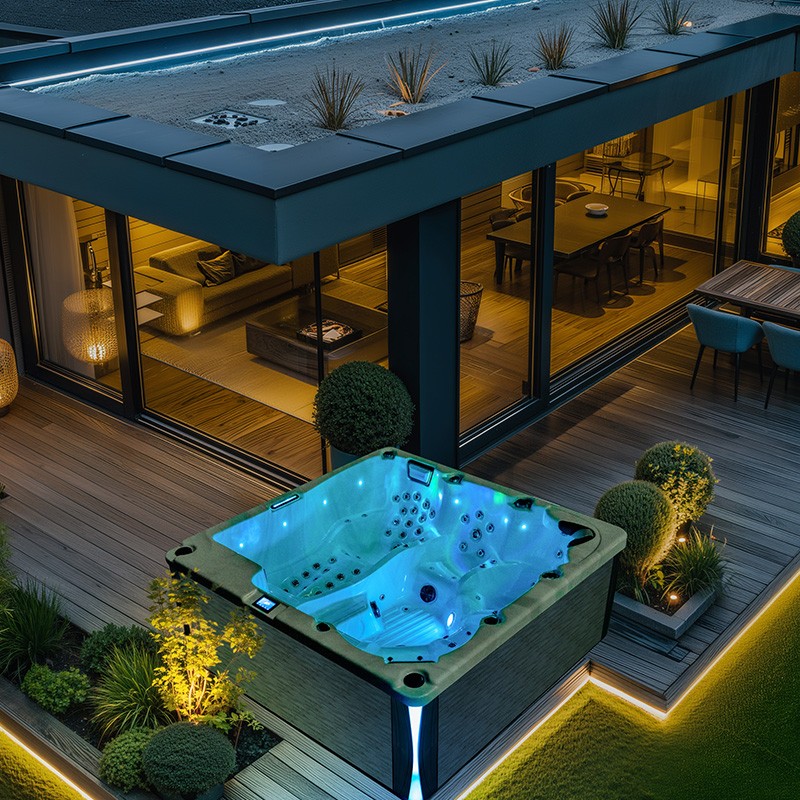
What precautions should be taken when using a spa hot tub to improve sleep?
Improper use can actually interfere with sleep. Here are some scientific and safe usage recommendations:
1. Avoid bathing immediately after meals
After eating, blood is concentrated in the digestive system. Soaking in hot water at this time can cause dizziness or stomach discomfort. Wait at least one hour after a meal.
2. Avoid prolonged or excessively hot soaking
Soaking for more than 30 minutes or in excessively hot water may cause fluctuations in blood pressure or overheating.
3. Maintain good water quality
If the water contains too many chemical residues or has a strong disinfectant odor, it can irritate the respiratory tract and hinder relaxation. Regularly changing the water and cleaning the filtration system is essential.
4. Avoid immediately entering a cold environment after soaking
Rapid temperature changes can cause blood vessels to constrict, potentially leading to headaches or colds. After bathing, rest for 10-15 minutes at room temperature.
5. Avoid stimulating drinks before bed
Caffeine or alcohol can weaken the relaxing effect of a spa hot tub and should be avoided before and after bathing.
Who benefits most from a spa hot tub for sleep?
1. People with high work stress and mental tension
Regular spa treatments can effectively release psychological burdens and relieve anxiety for those under chronic stress.
2. People who sit for long periods and those with mild neck and shoulder discomfort
Water massage helps improve stiffness and soreness, making it easier for the body to fall asleep.
3. People recovering after exercise
Spa treatments promote muscle recovery and relaxation, leading to deeper sleep after exercise.
4. People with mild insomnia or the elderly
For those with non-pathological insomnia, gentle spa treatments can significantly improve sleep quality and morning alertness.
What market regions does LOVIA SPA mainly Supply to?
LOVIA SPA’s products are exported globally, with strong markets in Europe, North America, Australia, and Southeast Asia. As a leading Manufacturer and Supplier, we understand each market’s certification and safety requirements. Our products carry CE, ETL, SAA, and ROHS approvals to meet global standards.
Our international Sales team offers localized Quotes, fast responses, and customized solutions for distributors and project developers seeking trusted spa Brands.
