

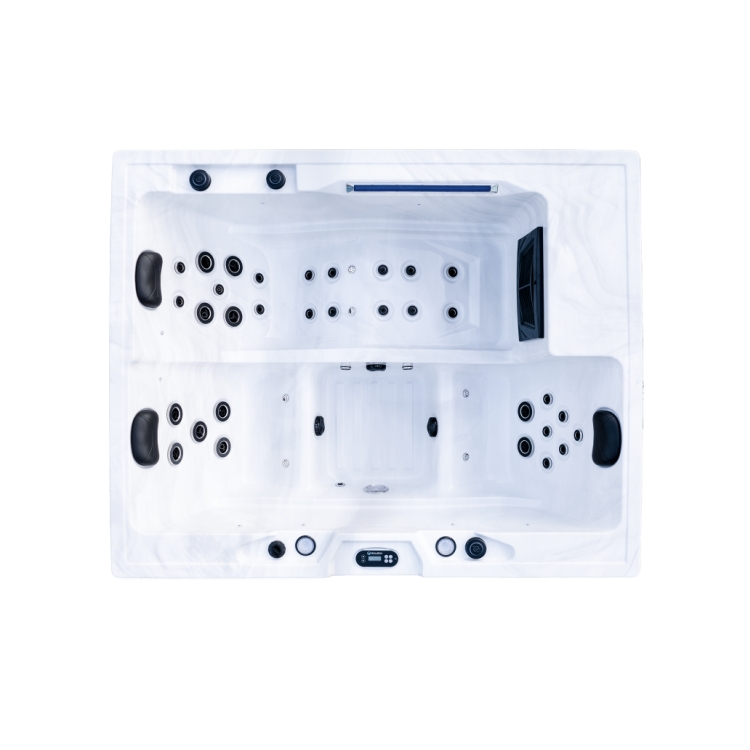
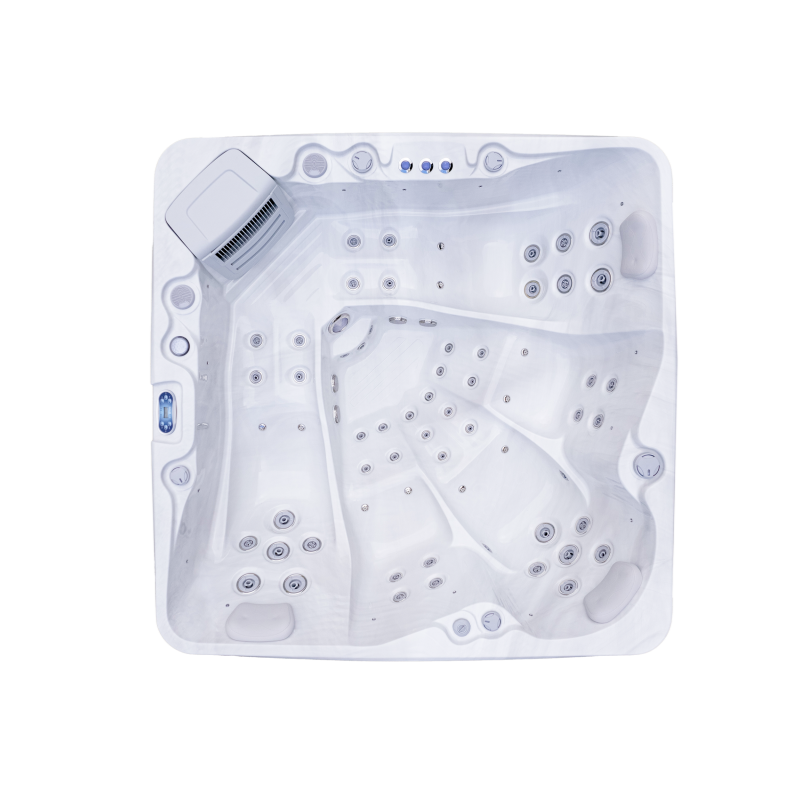
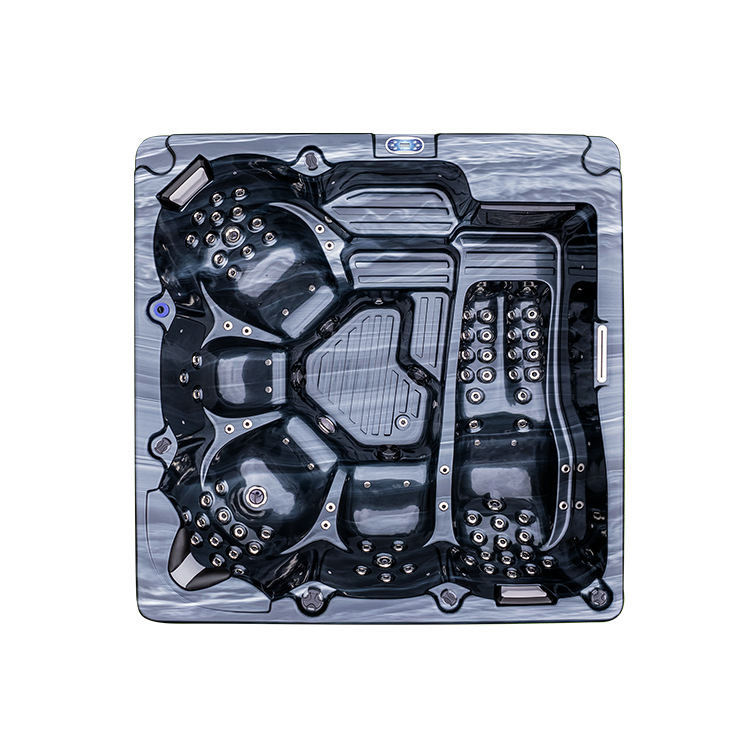
In today's world, where family leisure and healthy living are increasingly important, the swim spa hot tub, with its dual function of "swimming + spa treatment," has become an ideal choice for more and more families.
However, while enjoying a comfortable spa and exercise experience, many users often neglect proper use and maintenance. Incorrect habits can not only reduce the performance of the swim spa hot tub but also cause long-term damage to the equipment, shortening its lifespan.
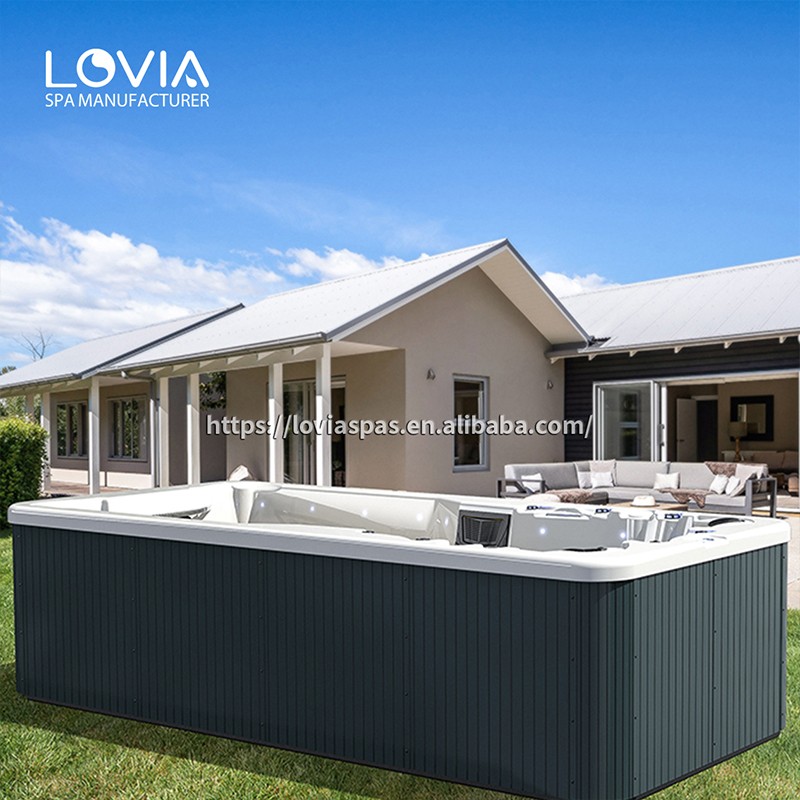
So, what habits can "ruin" your swim spa hot tub?
This article will analyze common mistakes and correct practices from multiple perspectives, including water quality maintenance, operating habits, environmental management, and usage details, to help you maintain your spa system more scientifically.
Why do incorrect usage habits accelerate the aging of a swim spa hot tub?
Many people believe that a swim spa hot tub is a durable device that only requires regular water filling and operation. However, this high-tech device actually contains a complex circulation system, filtration system, jet pump, heating unit, and electronic control module.
Any improper operation or neglect of maintenance will cause physical wear, chemical corrosion, or system blockage of these components.
For example:
• Using untreated hard water can lead to scale buildup, clogging nozzles and pipes;
• Neglecting water balance can corrode the inner tank and electric heating system;
• Failure to replace the filter for a long time can allow bacteria to grow, reducing the spa's effectiveness.
Therefore, maintaining good usage and maintenance habits is key to extending the lifespan of the swim spa hot tub and ensuring its stable performance.
What happens if you don't replace or clean the filter for a long time?
The filtration system is the "lungs" of the swim spa hot tub.
It continuously circulates and filters, separating impurities such as skin debris, hair, makeup residue, and dust from the water, keeping it clear. If you don't clean or replace the filter cartridge for a long time, problems will gradually appear:
• Weakened water flow: A clogged filter cartridge will hinder water pump circulation, resulting in reduced jet power.
• Increased motor load: The circulation pump will operate under high load to maintain water flow, causing the motor to overheat and shorten its lifespan.
• Bacterial Growth: Contaminated filters become breeding grounds for bacteria and algae, affecting health and spa effects.
• Water Quality Deterioration: Water becomes cloudy, develops an odor, and can even irritate the skin and respiratory system.
The correct approach is:
• Clean the filter cartridge every 2 weeks, rinsing with clean water or a dedicated cleaning solution;
• Replace the filter cartridge every 3 to 6 months to maintain efficient system circulation.
This small maintenance action can significantly extend the overall lifespan of the swim spa hot tub.

What components will be damaged by using ordinary tap water or hard water?
Many users directly use tap water or well water when filling the tub without testing the water quality.
However, tap water often contains high concentrations of calcium and magnesium ions, chlorides, and rust particles. These substances can have multiple effects on the swim spa hot tub:
• Scale Formation: Calcium and magnesium ions in hard water easily deposit at high temperatures, forming stubborn scale that clogs the nozzles and heating elements.
• Corrosion of metal components: Excessive chloride or iron ion content can corrode the pump body, connectors, and stainless steel components.
• Sensor errors: Scale buildup on temperature or flow sensors can cause inaccurate system readings, affecting heating and safety control.
Therefore, it is recommended that users use softened water or filtered purified water for the first fill or water change.
Regularly test water hardness and pH levels, maintaining the pH between 7.2 and 7.6 to ensure optimal operation of the swim spa hot tub.
What are the effects of neglecting water balance on the swim spa hot tub?
Water balance is crucial for maintaining the health of a spa system.
If the water's pH is too low or too high, it will negatively impact the equipment and human health:
• Low pH (acidic): Corrodes the acrylic inner wall, metal fittings, and heating elements.
• High pH (alkaline): Causes scale buildup, resulting in cloudy water and nozzle clogging.
• Chlorine Imbalance: Too much chlorine can irritate the skin and eyes, while insufficient chlorine can promote algae growth.
Many users mistakenly believe that "clear-looking water is fine," but in reality, the chemical balance in water cannot be determined by the naked eye.
Regularly use water quality test strips or a water quality meter to maintain pH, alkalinity, and chlorine levels within safe ranges. This is a crucial step in protecting the swim spa hot tub from chemical damage.
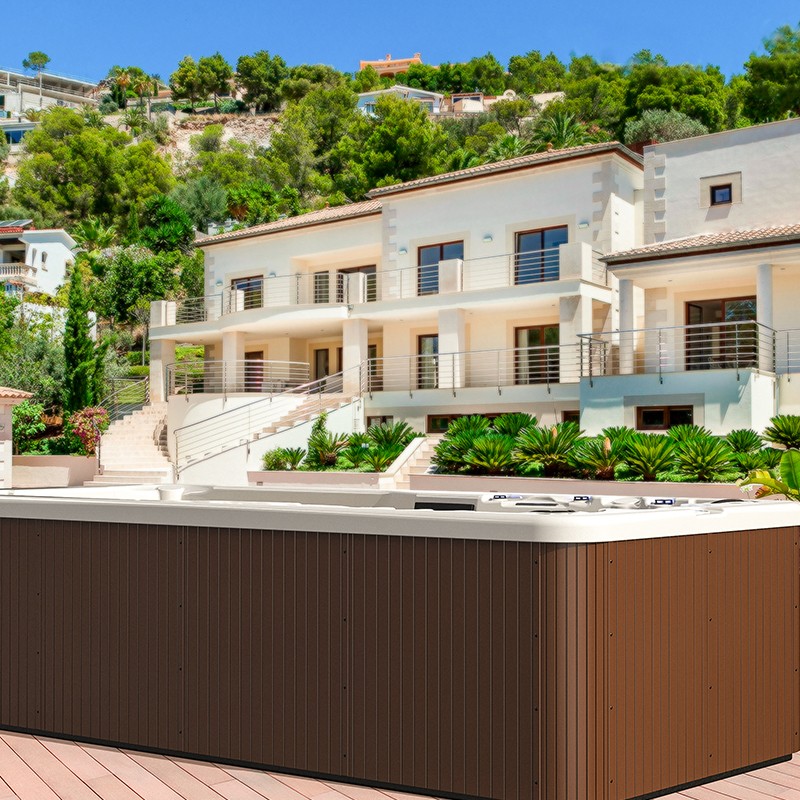
Can I add bubble bath liquid or essential oils at will?
Many people add bubble bath liquid, bath salts, or essential oils to their swim spa hot tubs to create a relaxing atmosphere.
However, this practice is very dangerous for the equipment.
• Foam Residue: Excessive foam from bath liquids can enter the filtration system, causing blockages.
• Chemical Deposits: Essential oils or salts easily react with minerals in the water, forming deposits that adhere to the inner walls of the pipes.
• Nozzle Damage: Some chemical components can corrode the nozzle rubber rings and seals.
For an aromatherapy or soothing effect, use a non-foaming spa aromatherapy product specifically designed for spa baths.
These products are designed with equipment compatibility in mind, ensuring they won't affect the filtration system or spray function.
What are the potential risks of not using a swim spa hot tub for extended periods?
Some users leave their swim spa hot tubs unused for long periods, such as during seasonal changes or when traveling, forgetting to clean and drain them before shutdown.
This negligence can lead to the following problems:
• Bacteria and algae growth in stagnant water;
• Mold and foul odor from residual water in the pipes;
• Pipe cracking due to freezing and expansion in low winter temperatures;
• Drying and aging of pump seals due to prolonged power outages.
The correct procedure is:
• If planned to be unused for more than two weeks, completely drain the water and clean the interior;
• Keep it dry and well-ventilated, and cover it with a dust cover;
• If unused for an extended period, disconnect the power and water supply, and thoroughly disinfect before restarting.
This prevents damage to the swim spa hot tub during inactivity, ensuring it remains clean and safe for reuse.
Will overuse of chemical cleaning agents backfire?
Many people frequently add large amounts of chlorine tablets or bleach to maintain clean water, believing that "more is cleaner."
However, excessive chemicals can seriously damage swim spa hot tubs.
• Corrosion of heaters and nozzles: High concentrations of chlorine can damage metal and rubber seals.
• Damage to acrylic surfaces: Excessive oxidants can cause discoloration and brittleness of the inner tank.
• Irritation of skin and respiratory tract: Excessive chemicals in the water, after evaporation, can affect human health.
Chemicals should be added precisely according to product instructions or test results, avoiding adding chemicals "by feel."
Maintaining moderate cleanliness is far safer than excessive disinfection and can also extend the lifespan of the swim spa hot tub.
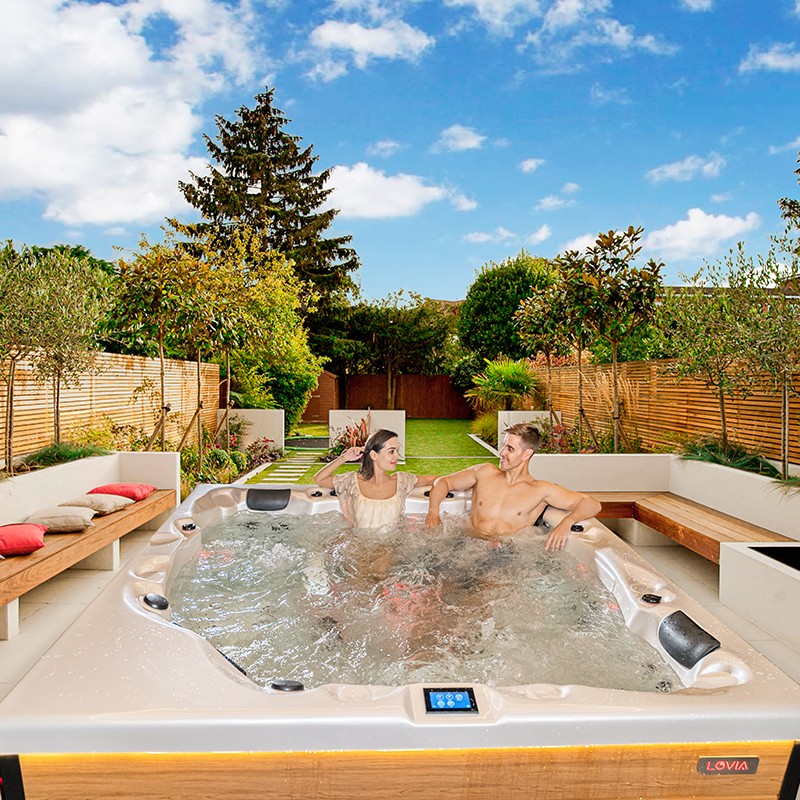
Is prolonged operation at high temperatures dangerous?
Some users like to set the water temperature very high (e.g., above 40°C) and keep it running in heating mode for extended periods.
While warm water can indeed promote relaxation, it presents potential risks:
• High temperatures accelerate the aging of rubber seals;
• Heating elements are prone to burnout due to prolonged high-load operation;
• Significant energy waste and increased electricity costs;
• Stress on the skin and cardiovascular system.
The ideal water temperature should be maintained between 36℃ and 38℃ for both comfort and safety.
When not in use, the heating mode should be turned off or switched to energy-saving mode to protect the equipment and reduce energy consumption.
Will neglecting external environmental factors and protection affect lifespan?
Besides water quality and operation, the external environment also determines the lifespan of a swim spa hot tub.
If installed outdoors, precautions should be taken against sun exposure, dust, frost, and animal damage.
• Direct sunlight: Prolonged exposure can cause the acrylic casing to fade and deform;
• Fallen leaves and dust: Entering the water can clog the filter and promote algae growth;
• Low winter temperatures: Freezing can damage the pipes;
• Pet scratching: External wood panels or wiring may be damaged.
Solutions:
• Use a dedicated waterproof cover to protect the equipment;
• Clean the outer casing and drain regularly;
• In extremely cold regions, install insulation or a thermostat/antifreeze device on the spa hot tub.
These seemingly minor maintenance details can keep your swim spa hot tub looking new.
Other Bad Habits That Cause Premature Aging of Your Swim Spa Hot Tub
Besides the main issues mentioned above, some often overlooked but common mistakes can also damage the equipment:
• Starting the water pump without filling it completely (easily burns out the motor);
• Wiping the acrylic surface with hard objects (causes scratches and water seepage);
• Neglecting electrical system grounding (poses a risk of electrical leakage);
• Frequently starting and stopping the heating device (increases system stress).
Each mistake can accumulate over time, leading to performance degradation or even complete system failure.
How to Establish Correct Usage and Maintenance Habits?
To maintain optimal performance of your swim spa hot tub, follow these basic principles:
• Maintain water balance: Regularly test pH, chlorine levels, and hardness.
• Maintain the filtration system: Clean every two weeks and replace it quarterly.
• Use chemicals appropriately: Add chemicals according to the recommended ratio, avoiding overdosing.
• Control the temperature: 36–38°C is optimal.
• Keep it clean: Wipe the inner and outer surfaces with a soft cloth.
• Use a dust and sun protection cover: Prevent debris from entering.
• Regularly check the electrical system and water pump's operating status.
These habits will not only extend the life of your equipment but also ensure clear water, a comfortable experience, and reliable safety every time you use it.
Can LOVIA SPA provide training or technical support for installation?
Yes, we do. LOVIA SPA offers comprehensive technical support for international Buyers, including detailed installation manuals, online training sessions, and after-sales consultation. Our engineers can assist your team remotely to ensure correct setup and operation.
Buying from LOVIA SPA Factory means you receive not only high quality spas at low cost but also professional service to support your business Sales and maintenance network.
