• Why Is My Spa Hot Tub Water Foaming?
    One of the biggest differences between a spa hot tub and a standard bathtub or swimming pool is the extremely high proportion of contaminants introduced by the human body. Many of these substances possess surfactant-like properties—and surfactants are precisely the key factor behind foam formation.
    2026-05-29
  • How to Determine if Spa Hot Tub Water Has Aged?
    Persistent Anomalies Appear in the Spa Hot Tub Water. When water has aged, certain "recurring" issues often arise, such as: • The water frequently takes on a milky-white appearance. • The water appears slightly cloudy but does not smell foul. • Fine foam tends to form easily on the water's surface.
    2026-05-28
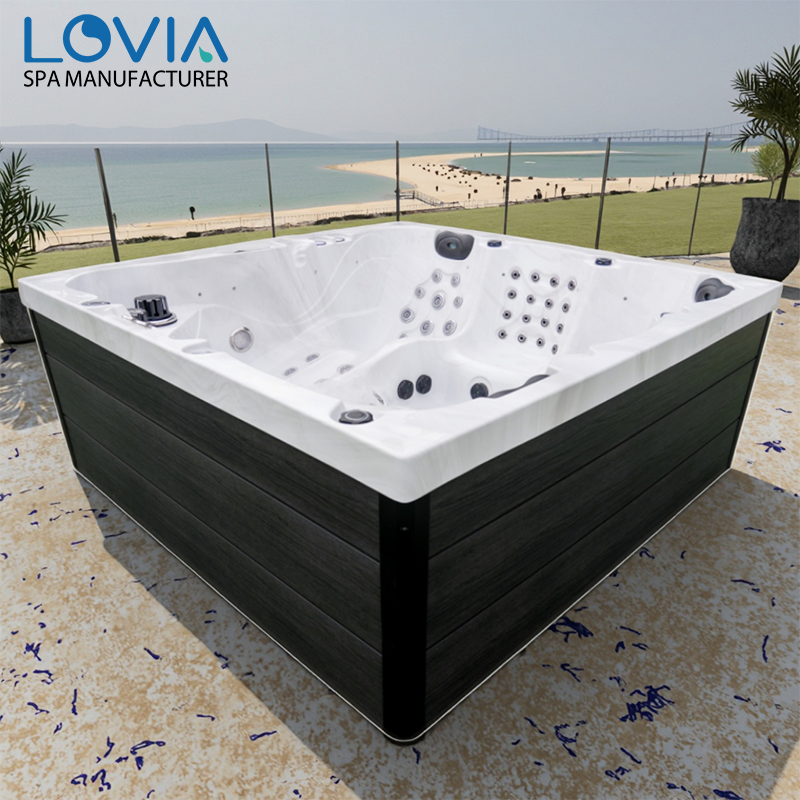
  • Is Soaking in a Spa Hot Tub for Two Hours Too Long?
    Based on a consensus of professional recommendations, the most reasonable duration for a single session is typically: Between 15 and 45 minutes. This time frame offers the following benefits: • It provides sufficient time for the body to relax. • It allows you to fully experience the therapeutic massage effects of the hot tub.
    2026-05-27
  • How Often Should I Add Chlorine to My Swim Spa Tub?
    In most cases, a swim spa tub requires a chlorine replenishment daily or every 1 to 3 days, ideally accompanied by regular testing of the residual chlorine levels in the water. However, underlying this conclusion are several prerequisites that must be understood.
    2026-05-26
  • How to Determine if Your Swim Spa Has Sufficient Water?
    The interior of a swim spa tub typically features: • Circulation intake ports • Filter intake ports • Current-generating system intake ports The rule of thumb is very clear: All intake ports must be completely submerged—covered by the water—with a certain margin of water sitting above them.
    2026-05-25
  • What Should You Do If the Residual Chlorine in Your Swim Spa Tub Is Too High?
    For most swim spa tubs, the ideal residual chlorine concentration is typically maintained within the range of 1.0 to 3.0 ppm (mg/L). • Below 1.0 ppm: Insufficient disinfection effectiveness • 1.0 – 3.0 ppm: Safe, effective, and comfortable • Above 3.0 ppm: May cause irritation and discomfort
    2026-05-22

Get the latest price? We will reply as soon as possible (within 12 hours)