

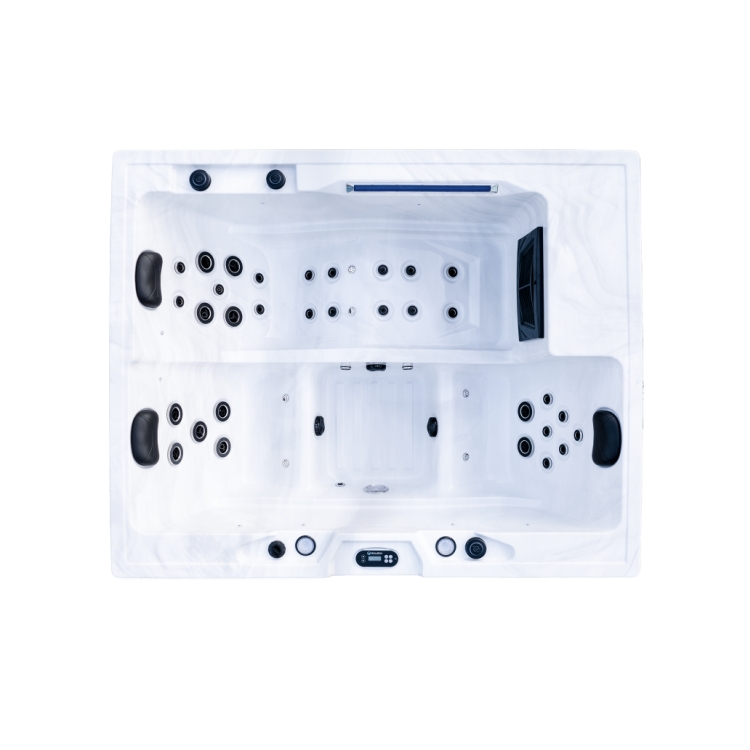
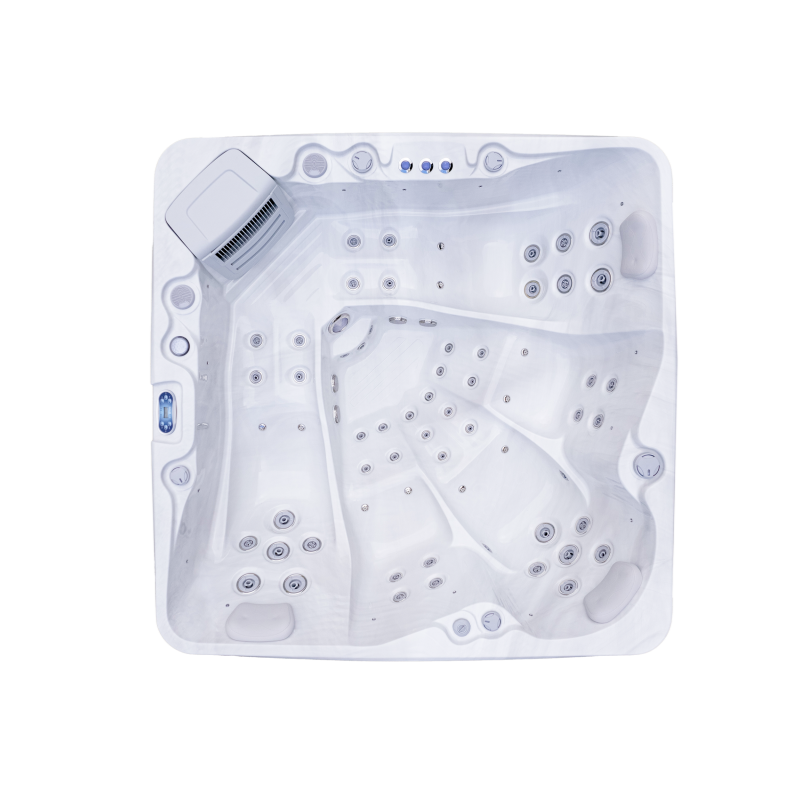
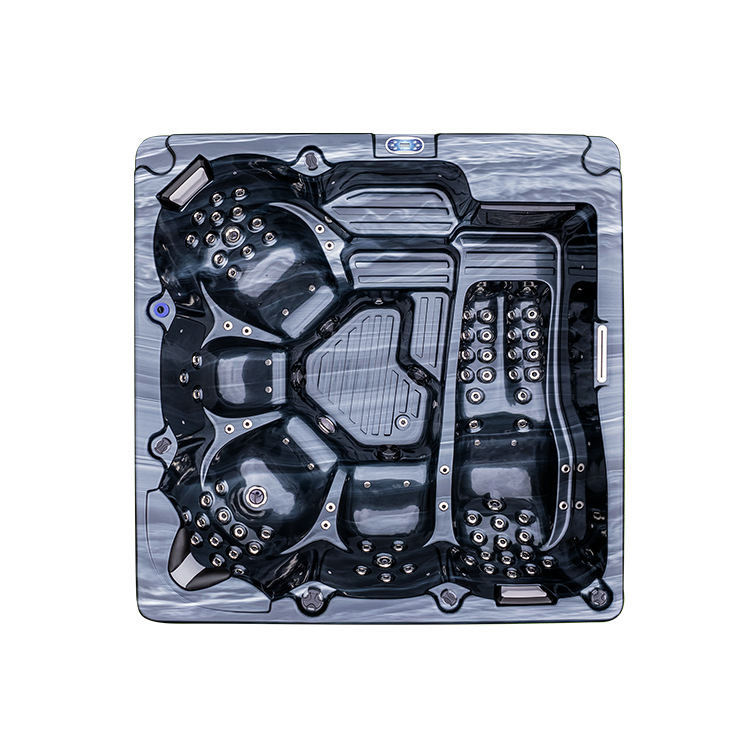
In recent years, driven by the rapid growth of the global wellness industry, the "backyard economy," and the rise of home spa culture, outdoor whirlpool hot tubs have become a key feature for many households, villa owners, resort hotels, and boutique guesthouses. From the backyard culture of North America and the garden-centric leisure lifestyles of Europe to the expanding high-end residential market in Asia-Pacific, the outdoor hot tub is evolving from a mere luxury indulgence into an essential amenity that enhances one's quality of life.
However, in stark contrast to the steady growth in sales, many consumers encounter issues—such as improper installation, inadequate maintenance, increased equipment failure rates, and shortened lifespans—after purchasing an outdoor whirlpool hot tub. Regrettably, these problems often stem not from serious manufacturing defects in the tubs themselves, but from a lack of necessary precautions during installation and maintenance.
In today’s fiercely competitive market, some suppliers focus heavily on product promotion and price wars while neglecting user education. They may highlight features like jet counts, LED lighting effects, and aesthetic designs, yet rarely provide customers with comprehensive information regarding installation requirements, safety standards, and ongoing maintenance. Consequently, many users mistakenly believe that a jacuzzi outdoor tub tub is no different from a standard bathtub—assuming that simply filling it with water and connecting the power is sufficient for long-term use.
In reality, a modern jacuzzi outdoor tub tub is a highly integrated hydrotherapy system comprising heating, circulation, massage, filtration, and ozone purification systems, alongside control units and various electronic components. These parts operate under conditions of high temperature, high humidity, and heavy loads, demanding rigorous standards for installation and maintenance. Statistics from the international spa industry indicate that over 60% of early-stage equipment failures are attributable to installation errors, improper maintenance, or user mishandling, rather than manufacturing defects.
For professional manufacturers, product delivery is never the end of the service journey. In recent years, companies specializing in spa equipment R&D and manufacturing—such as LOVIA®—have placed increasing emphasis on user guidance regarding installation and maintenance training. The industry has come to recognize that the true value of a jacuzzi outdoor tub tub can only be realized when high-quality equipment is paired with proper usage and care.
So, what are the key precautions that should be taken during the installation and maintenance of an outdoor whirlpool hot tub? How can you avoid common mistakes and extend the lifespan of your equipment? This article provides an in-depth analysis from multiple perspectives.
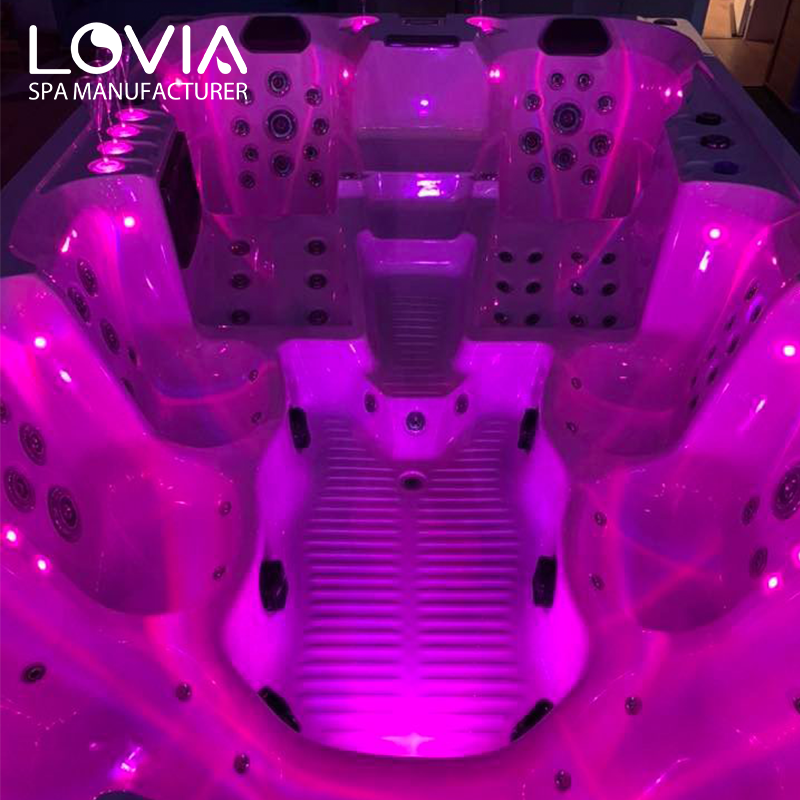
Why do installation and maintenance determine the lifespan of a jacuzzi outdoor tub tub?
When purchasing an outdoor whirlpool hot tub, many consumers focus on comparing specifications—such as the number of jets, acrylic material, control system brand, and insulation structure. While these factors certainly influence performance, long-term operation reveals that installation and maintenance are often more critical than the specifications themselves in determining the equipment's ultimate performance.
A jacuzzi outdoor tub tub designed to last over a decade can develop various issues within just a few months if installed improperly. For instance, an inadequate foundation can lead to structural deformation; a non-compliant power supply can damage the controller; and poor water quality management can cause scale buildup in the heater and pipe blockages. Once these problems arise, they not only incur high repair costs but can also compromise the operational stability of the entire unit.
Industry experience shows that user satisfaction with an outdoor whirlpool hot tub depends less on the product's initial specifications and more on its ability to operate reliably over the years. Therefore, proactive installation and maintenance are essential strategies for reducing the total cost of ownership.
What precautions should be taken before installing an outdoor hot tub?
1. Ensure the installation foundation has sufficient load-bearing capacity
The installation foundation is one of the most frequently underestimated aspects of an outdoor whirlpool hot tub project.
Many consumers assume that any flat area in the yard is suitable for the unit. In reality, however, a filled outdoor whirlpool hot tub occupied by users is far heavier than one might imagine. Take a standard six-person hot tub, for example: its dry weight ranges from 300 to 500 kg. Once filled with approximately 2,000 liters of water, the water alone weighs about 2,000 kg. Add six adults to the mix, and the total weight can easily exceed 3,000 kg.
This means the foundation must be capable of supporting several tons of weight over the long term, rather than merely remaining stable in the short run. A reinforced concrete platform is generally recommended, with thickness and structural design determined by the unit's dimensions and local building codes. For installations on wooden decks, it is crucial to assess structural load-bearing capacity beforehand and carry out professional reinforcement if necessary.
2. Ensure sufficient access space for maintenance around the unit
When planning the location for an outdoor whirlpool hot tub, many users aim to save space by embedding the unit into decking, platforms, or landscaping structures. However, failing to leave adequate access space makes future maintenance extremely difficult.
Outdoor hot tubs contain internal components such as control systems, circulation pumps, heaters, and various plumbing assemblies—all of which may require inspection or replacement. Industry best practice recommends leaving enough maintenance clearance, particularly on the side housing the control panel, and ensuring that technicians can easily remove the external skirting panels.
Proper access space not only reduces future repair costs but also minimizes the time required to resolve issues.
3. Plan the drainage system in advance
Drainage is one of the most frequently overlooked aspects during the installation phase.
Many users focus on how to fill the whirlpool hot tub but neglect how to discharge thousands of liters of wastewater later on. In reality, a 2,000-liter whirlpool hot tub typically requires a water change every three to four months. Without a well-planned drainage route, the maintenance process can become a major hassle.
It is advisable to incorporate drainage channels, floor drains, or dedicated drainage piping into the design during installation to prevent water discharge from damaging the garden landscape, building foundations, or surrounding areas.
What safety measures should be observed when connecting the power supply?
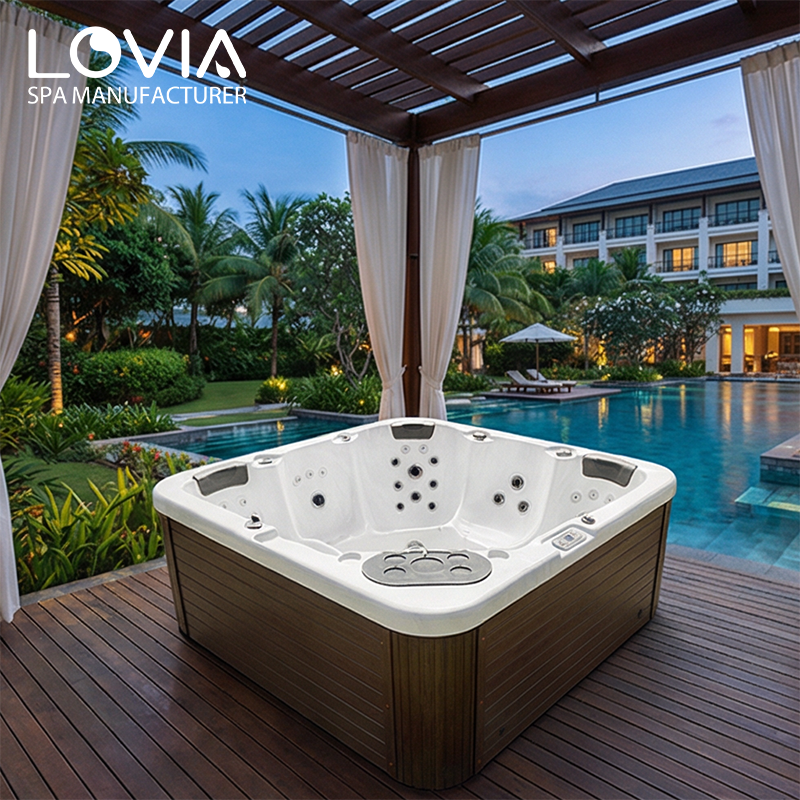
Electrical safety is a critical precaution for any jacuzzi hot tub outdoor. Since the equipment operates in an environment where water and electricity coexist, strict adherence to local electrical codes is mandatory.
First, ensure that all electrical installation work is performed by a licensed professional electrician. Modern outdoor whirlpool hot tubs are typically equipped with high-power heaters, circulation pumps, and massage pumps, with a total power rating that can reach several kilowatts or more. Incorrect wiring can not only damage the equipment but also lead to serious safety hazards.
Second, a compliant earth-leakage protection device must be installed. Major international markets generally require the use of RCD (Residual Current Device) or GFCI (Ground Fault Circuit Interrupter) systems to rapidly cut off power if leakage is detected. Proper grounding is equally important; a robust grounding system enhances both safety and the operational stability of the control system.
Finally, all outdoor wiring should be waterproof and UV-resistant, and protected by professional conduit systems to minimize the impact of long-term environmental exposure on the electrical system.
What precautions should be taken during the routine maintenance of a jacuzzi hot tub outdoor?
1. Establish a regular water quality management routine
Water quality management is one of the most critical aspects of outdoor whirlpool hot tub maintenance.
Because the water is kept warm for extended periods and users constantly release sweat, sebum, and various organic substances into the water, quality can deteriorate rapidly without effective management. Studies show that an adult soaking for 30 minutes can release hundreds of milliliters of sweat and significant amounts of organic contaminants into the water.
Therefore, it is recommended to test the following parameters at least once a week:
•pH level;
•Total alkalinity;
•Sanitizer concentration;
•Calcium hardness;
Regular testing and adjustment help effectively minimize bacterial growth, scale formation, and equipment corrosion.
2. Regularly clean the jacuzzi hot tub outdoor filter
The filtration system is vital for maintaining water quality in an outdoor whirlpool hot tub.
Over time, filters accumulate hair, dust, sebum, and other contaminants. Neglecting to clean them not only reduces filtration efficiency but also places an increased load on the circulation pump.
It is generally recommended to perform a basic cleaning every 2 to 4 weeks and a deep cleaning every 3 to 6 months, while also replacing the filter cartridge periodically based on usage frequency.
3. Prevent the equipment from running dry
Some users may temporarily drain the tub for cleaning but then start the system without refilling it with water.
In reality, operating the circulation pump or heater without water can cause equipment damage in a very short time. Heaters, in particular, are prone to overheating—triggering safety cut-offs or even sustaining permanent damage—when they lack the cooling effect of water flow.
Therefore, after every maintenance session, ensure the water level has been restored and verify that water is flowing smoothly through the circulation system before starting the equipment.
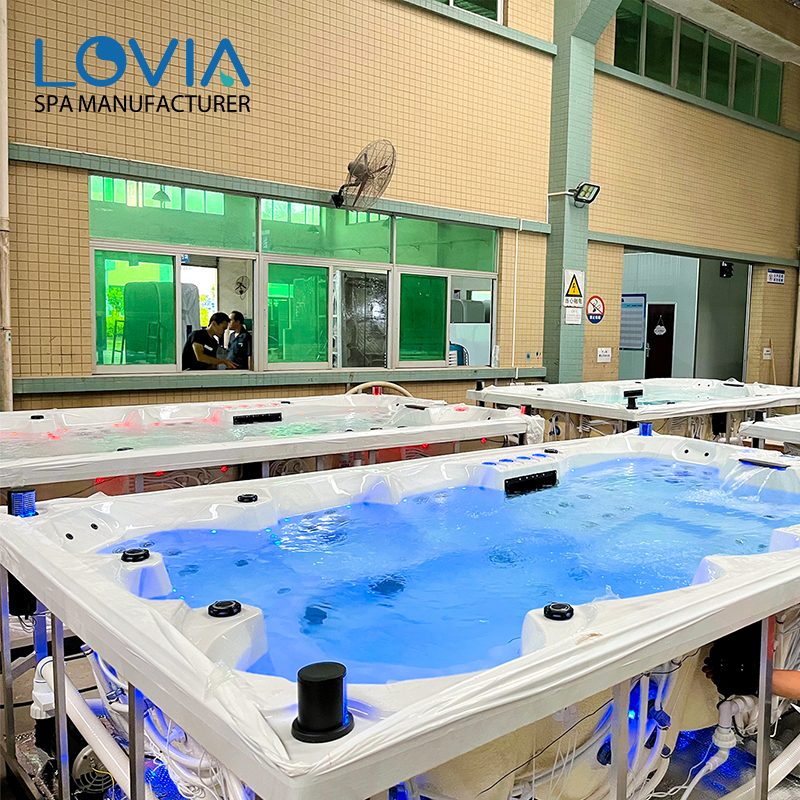
What additional precautions should be taken for jacuzzi hot tub outdoors during seasonal changes?
1. Winter freeze protection measures
For users in cold regions, winter is a critical period for outdoor whirlpool hot tub maintenance.
When the ambient temperature approaches or drops below freezing, residual water in the plumbing can freeze and expand, potentially damaging pipes, jets, and the circulation system. Therefore, if the unit is scheduled to operate continuously through the winter, ensure the freeze-protection system is functioning correctly and that a minimum safe water temperature is maintained.
If long-term shutdown is planned, the system should be completely drained of water, and winterization procedures should be carried out in accordance with the manufacturer's requirements.
2. Summer Sun Protection and Ventilation for Outdoor Hot Tubs
Although jacuzzi outdoor tub tubs are designed for outdoor environments, prolonged exposure to intense UV radiation can still affect the lifespan of the shell, cover, and certain plastic components.
Therefore, it is recommended to:
•Use a high-quality thermal cover;
•Regularly clean the surface of the cover;
•Ensure good air circulation around the unit;
•Prevent excessive temperatures in the control area caused by prolonged direct sunlight.
Proper environmental management helps maintain the unit's appearance and performance.
Why do more and more jacuzzi hot tub outdoor users value technical support from professional brands?
As the outdoor whirlpool hot tub market matures, consumers are realizing that the product itself represents only part of the value; technical support and after-sales service are equally important.
In recent years, professional spa manufacturers—including LOVIA®—have continuously improved their installation guidance and maintenance support systems, providing customers with detailed installation advice, water quality management guidelines, and technical training materials. This approach helps users avoid many common issues early on, thereby reducing the likelihood of future malfunctions.
Unlike suppliers who focus solely on sales, truly professional manufacturers prioritize the equipment's operational performance over the next 5, 10, or even more years. Consequently, consumers who choose brands with comprehensive technical support systems often enjoy a more stable and worry-free long-term user experience.
FAQ
What are the most commonly overlooked issues during outdoor whirlpool hot tub installation?
The most common issues include inadequate foundation load-bearing capacity, poor drainage planning, and insufficient space left for maintenance access; these problems often only become apparent during later maintenance stages.
Must a jacuzzi hot tub outdoor be installed by a professional electrician?
Yes. Because the process involves high-power equipment and an environment where water and electricity coexist, all electrical installation work should be performed by a licensed electrician in compliance with local regulations.
How often should the jacuzzi hot tub outdoor filter be cleaned?
It is generally recommended to clean the filter every 2 to 4 weeks, though the specific frequency should be adjusted based on the number of users and the frequency of use.
What precautions should be taken when shutting down a jacuzzi hot tub outdoor for the winter?
The plumbing lines should be completely drained of water, and winterization and storage procedures carried out according to the manufacturer's instructions to prevent cold-weather damage to the equipment.
How often should outdoor whirlpool hot tub water quality be tested?
For residential users, it is generally recommended to test pH levels, sanitizer concentrations, and total alkalinity once a week to maintain water quality stability.
Can proper maintenance really extend the lifespan of a jacuzzi hot tub outdoor?
Yes. Good installation and maintenance practices can significantly reduce the rate of equipment failure and ensure the hot tub operates reliably over the long term; many high-quality units can remain in stable operation for over a decade with proper maintenance.
