

The whirlpool hot bathtub has become part of many people’s lives due to its relaxing and soothing effects. The massaging effect of the hot water can help relieve muscle pain, improve blood circulation, and even help reduce stress. However, for people over 50, using a whirlpool hot bathtub may come with some risks, especially if their health has changed. These risks are mainly closely related to the body’s tolerance to high temperatures, the load on the cardiovascular system, and potential other health problems.
In this article, we will take a deep look at the health risks that people over 50 may face when using a whirlpool hot bathtub, analyze the effects of hot water on the body system in detail, and explain why people in this age group should carefully consider using a whirlpool hot bathtub.
What effects does the temperature of a whirlpool hot bathtub have on the human body?
The water temperature of a whirlpool hot bathtub is usually set between 37°C and 40°C, or even higher. For young people, this temperature can effectively soothe muscles and relax the body and mind. However, as people age, their ability to adapt to high temperatures gradually decreases, especially for people over 50, whose cardiovascular system, blood pressure regulation, and body heat dissipation mechanisms may no longer be as flexible and efficient as they were when they were young.
Effects of hot water on the cardiovascular system
When a person is in hot water, body temperature rises, blood vessels dilate, and blood flows to the surface of the skin to help the body dissipate heat. For healthy young people, this process is relatively harmless, and their cardiovascular system is able to adjust and adapt effectively. However, as people age, the elasticity of the cardiovascular system gradually decreases, the ability of blood vessels to dilate and contract decreases, and the heart's pumping efficiency may also be affected.
For people over 50, especially those who already have cardiovascular diseases (such as hypertension, arteriosclerosis, coronary heart disease, etc.), whirlpool hot bathtubs may put too much pressure on the heart. The sudden expansion of blood vessels may cause a sharp drop in blood pressure, and the heart needs to work faster to compensate for this change, increasing the heart load, which may cause heart problems such as arrhythmia, angina, and even heart attack.
Decreased ability to regulate body temperature
As people age, the body's temperature regulation mechanism gradually weakens. Young people's bodies are able to quickly dissipate heat through sweating, vasodilation, and other methods to maintain a stable body temperature. However, for people over 50 years old, the body's heat dissipation efficiency is reduced, and the body temperature tends to rise rapidly in a high temperature environment. In a whirlpool hot bathtub, it is difficult for the body to effectively dissipate heat through sweat evaporation or other methods, which may lead to excessive body temperature, or even heat exhaustion or heat stroke.
Risk of blood pressure fluctuations
The high temperature environment of a whirlpool hot bathtub causes blood vessels to dilate and blood pressure to drop. However, once you leave the whirlpool hot bathtub, the cold air contacts the skin and the blood vessels quickly contract, which may cause a rebound increase in blood pressure. This large fluctuation in blood pressure is very dangerous for people over 50 years old, especially for those who have high blood pressure or other vascular problems, and may cause dizziness, fainting, or even more serious health problems.
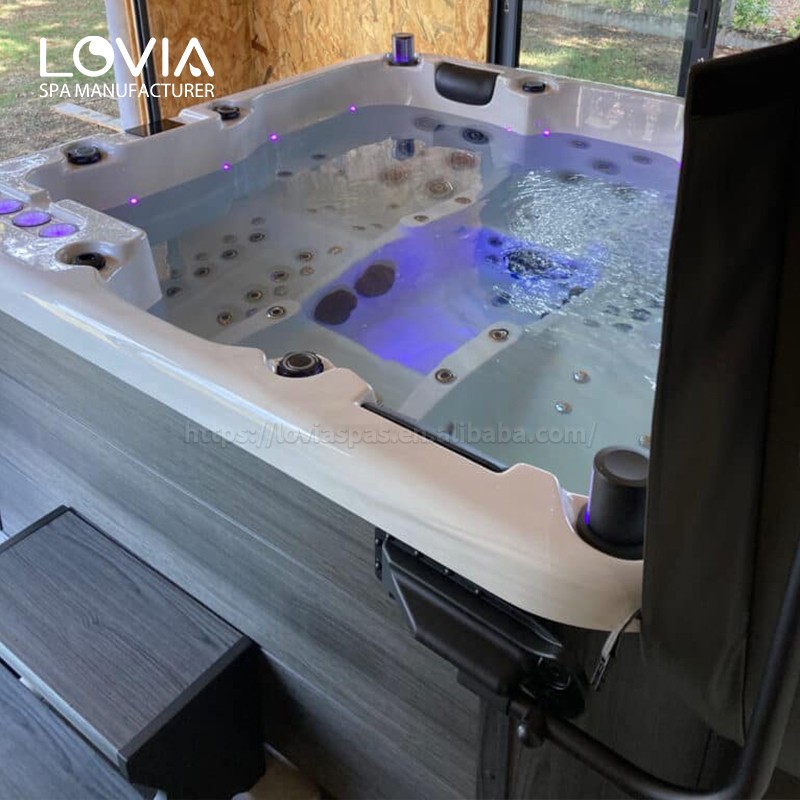
Why shouldn't people over 50 use a whirlpool hot bathtub?
Risks of using a whirlpool hot bathtub for the elderly:
1. Increased risk of heart disease
2. Excessive acceleration of blood circulation
3. Risk of fainting and falling
4. Joint and muscle problems
Increased risk of heart disease
As mentioned above, the high temperature of a whirlpool hot bathtub increases the workload on the heart. For people over 50, their heart function may have weakened, their blood vessels are less elastic, and their hearts cannot adapt to sudden temperature changes and blood flow fluctuations as quickly as when they were young. Studies have shown that there is a certain correlation between the use of whirlpool hot bathtubs and heart attacks, especially for those elderly people who already have heart disease or related symptoms. They are more likely to have sudden heart problems in a whirlpool hot bathtub.
Excessive acceleration of blood circulation
In a whirlpool hot bathtub, hot water causes blood to surge to the surface of the skin, causing blood pressure to drop, and the heart needs to work harder to pump blood to other parts of the body. For the elderly, this over-accelerated blood circulation puts an extra burden on the heart, which in turn causes problems such as heart discomfort, dizziness, and even arrhythmia.
Risk of fainting and falling
Hot water can cause blood vessels to dilate, causing blood pressure to drop, which is particularly dangerous for the elderly. A sharp drop in blood pressure may lead to insufficient blood flow to the brain, causing dizziness, weakness, and even fainting. Once fainting occurs, the risk of falling in the whirlpool hot bathtub is greatly increased for the elderly, and in severe cases, it may lead to drowning or falling injuries. In addition, when leaving the whirlpool hot bathtub, the rapid fluctuation of blood pressure of the elderly due to the sudden change in ambient temperature may also cause them to fall or lose balance next to the tub.
Joint and muscle problems
Many elderly people use whirlpool hot bathtubs to relieve joint pain or relax muscles. Hot water can indeed temporarily relieve stiff joints and muscles. However, excessive use or prolonged immersion in hot water may cause further discomfort to muscles and joints. For elderly people with chronic arthritis or other muscle problems, prolonged exposure to hot water may aggravate inflammation or injury.
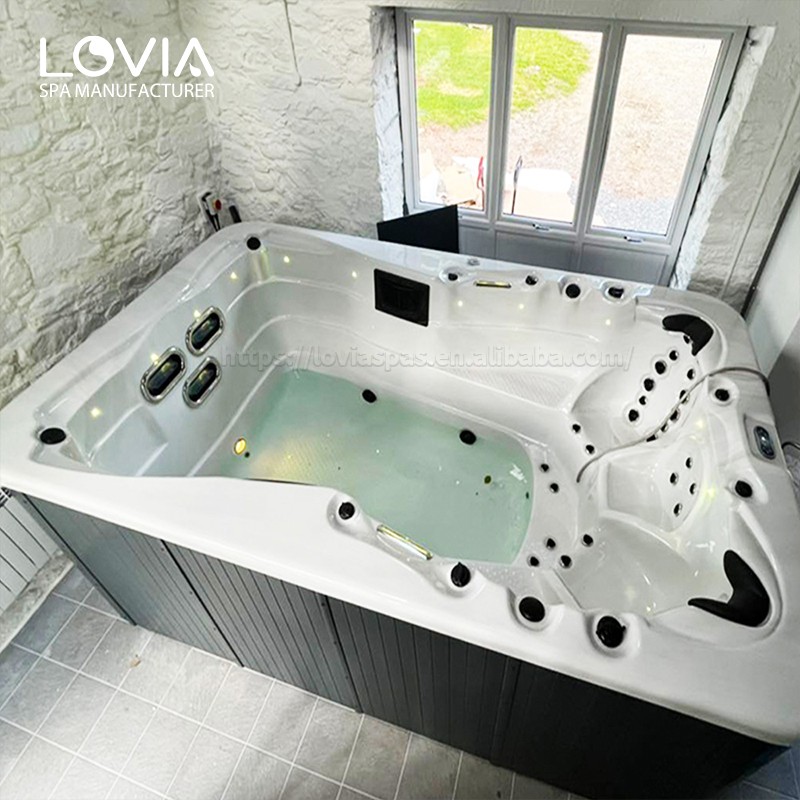
Restrictions on the use of whirlpool hot bathtubs due to specific health problems
Hypertension patients
For patients with hypertension over the age of 50, blood pressure fluctuations caused by whirlpool hot bathtubs are a major health risk. Soaking in hot water may cause blood pressure to drop, and leaving the tub may cause blood pressure to rise rapidly. This fluctuation not only puts additional pressure on the cardiovascular system, but may also cause dizziness, fainting, and in severe cases, may lead to cerebrovascular accidents (such as stroke).
Diabetics
Diabetics over the age of 50 often have blood circulation problems, especially blood flow to the lower limbs is often poor. High temperatures dilate blood vessels, and although they may improve blood flow in the short term, long-term use of whirlpool hot bathtubs may cause blood sugar fluctuations and increase the burden on the circulatory system. In addition, the sensitivity of nerve endings in diabetics is reduced, and they may not be able to sense excessively high water temperatures in time, resulting in an increased risk of scalding.
Arthritis and osteoporosis patients
For elderly people with arthritis or osteoporosis, whirlpool hot bathtubs may provide some pain relief in a short period of time. However, prolonged immersion in hot water may aggravate inflammatory responses in joints and bones, and may even cause joint stiffness. For osteoporosis patients, the risk of slipping when leaving the bathtub is also greatly increased, and the risk of fractures caused by falls cannot be ignored.
People with lung or respiratory diseases
The high humidity and high temperature in a whirlpool hot bathtub can have a certain impact on the respiratory system, especially for the elderly who already have asthma or chronic obstructive pulmonary disease (COPD). The high temperature environment may cause difficulty breathing, shortness of breath, and may even induce asthma attacks. For elderly people with respiratory diseases, the steam in the whirlpool hot bathtub may also aggravate lung discomfort.
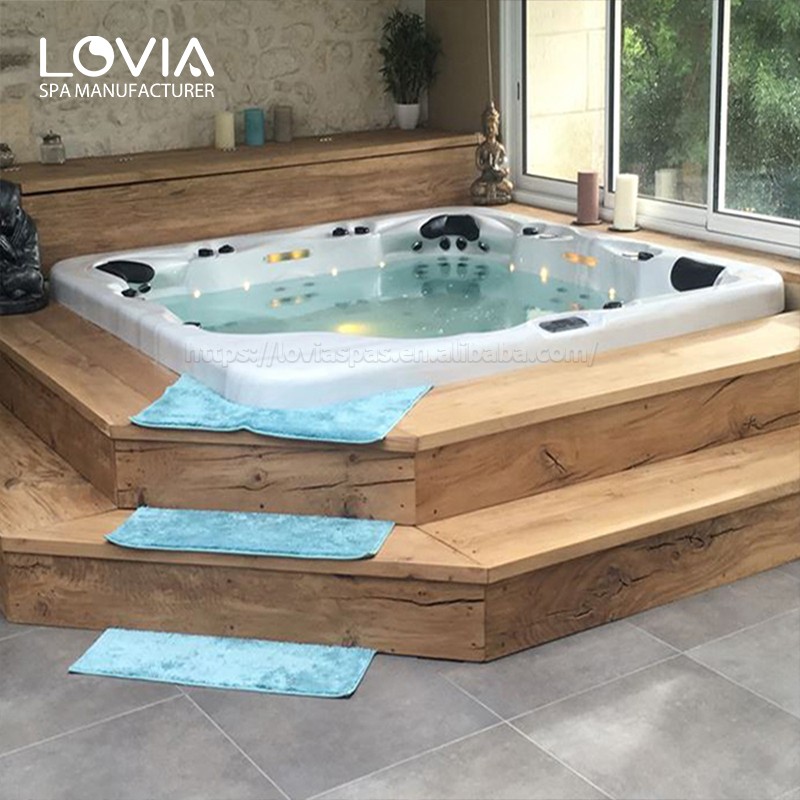
How can the elderly use the whirlpool hot bathtub safely?
Although the above risks cannot be ignored, this does not mean that people over 50 years old must not use the whirlpool hot bathtub. Correct use and appropriate precautions can help the elderly safely enjoy the relaxing effects of the whirlpool hot bathtub. Here are some suggestions to help the elderly use the whirlpool hot bathtub more safely:
Control the water temperature
When the elderly use the whirlpool hot bathtub, the water temperature should be controlled at no more than 37°C to avoid excessive water temperature causing pressure on the heart and blood vessels. It is recommended to measure the water temperature before use to ensure that it is suitable, and to pay attention to changes in water temperature at any time during the soaking process.
Shorten soaking time
Older people should not stay in the whirlpool hot bathtub for a long time. It is generally recommended to control the soaking time within 10 to 15 minutes to avoid hyperthermia or blood pressure fluctuations. Short soaks can help soothe muscles without putting too much stress on the cardiovascular system.
Enter and exit slowly
When entering and exiting the whirlpool hot bathtub, the movements should be slow to avoid postural hypotension. Handrails or other assistive devices can be used to help smooth entry and exit to prevent sudden changes in posture from causing a sudden drop in blood pressure or dizziness.
Avoid using on an empty stomach or after drinking
Older people may increase their health risks when using the whirlpool hot bathtub on an empty stomach or after drinking. Low blood sugar levels on an empty stomach can easily cause dizziness or weakness; while blood vessels dilate after drinking, coupled with the effect of hot water, may further lower blood pressure and increase heart stress. Therefore, it is recommended that older people eat a small amount of healthy food before using the whirlpool hot bathtub and avoid alcohol intake.
What is Lovia Spa’s experience in exporting spa equipment?
Lovia Spa has been exporting outdoor spas and swim spas since 2004. With over 20 years in international trade, we’ve built trusted partnerships in more than 60 countries. Our export team is fluent in logistics, customs, and international trade requirements, ensuring your orders are delivered smoothly and compliantly.
