

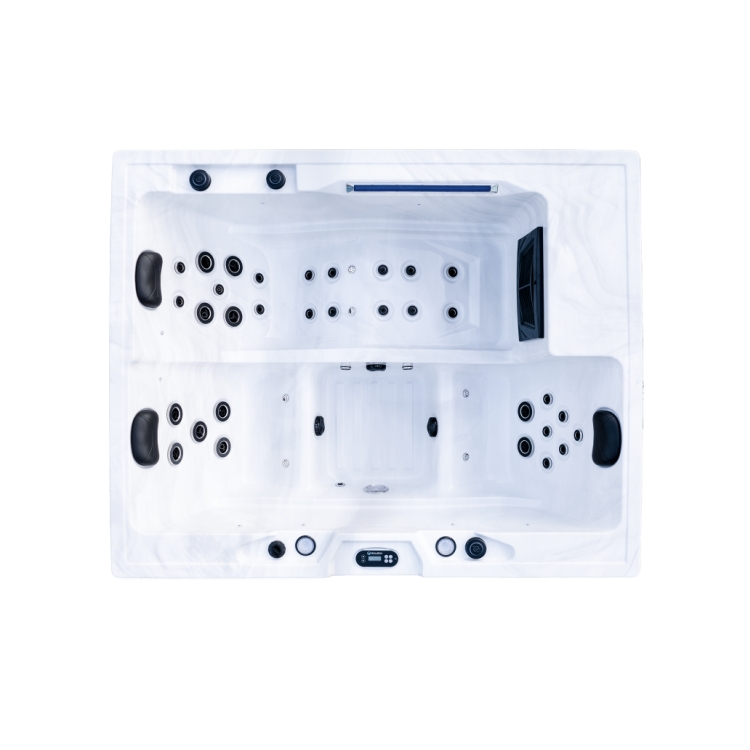
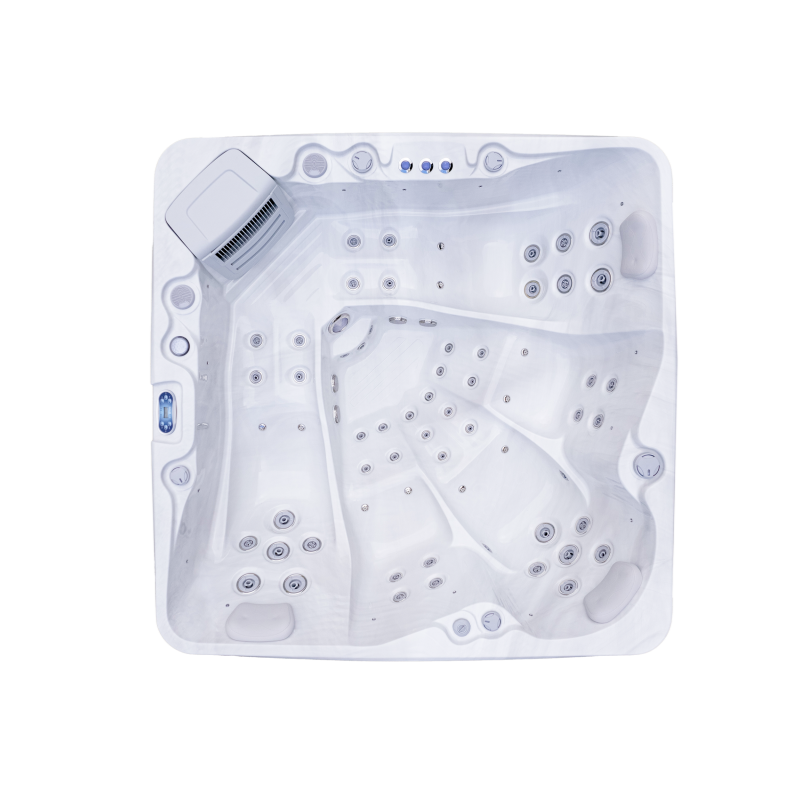
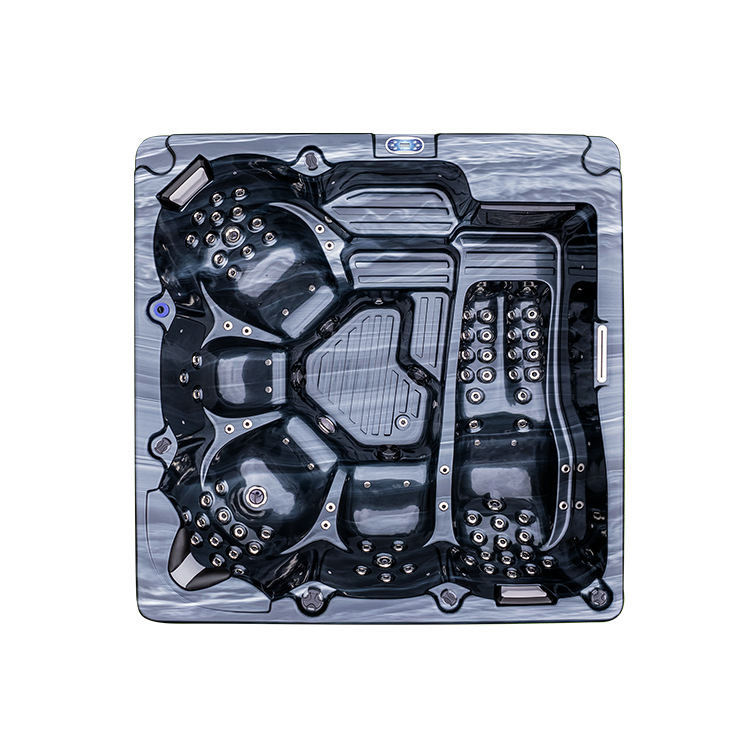
Whirlpool spa hot tubs offer a comfortable hydrotherapy experience in modern homes and fitness facilities, but these high temperatures can also be a breeding ground for bacteria, fungi, and algae. Therefore, whirlpool spa hot tub disinfection is crucial for ensuring health and comfort.
The most common disinfection methods are chlorine or bromine. So, which is better for whirlpool spa hot tubs? This article will provide a detailed analysis of the characteristics and applicable scenarios of each disinfection method.

Why is whirlpool spa hot tub disinfection necessary?
Whirlpool spa hot tubs are typically maintained at a warm temperature of 37°C to 40°C. This temperature is ideal for relaxation, but it also provides ideal conditions for microbial growth. If the water quality is not clean, the following problems may occur:
• Bacterial growth: Bacteria such as Pseudomonas aeruginosa and Staphylococcus aureus can cause skin or respiratory infections.
• Algae growth: Warm water environments can easily lead to algae growth, giving the water a greenish tint and increasing its slippery feel.
• Odor and turbidity: Human sweat, sebum, and cosmetic residue combine with water to produce unpleasant odors.
• Increased maintenance costs: Neglecting disinfection will deteriorate water quality, accelerate the aging of tub components, and increase cleaning and repair costs.
Therefore, scientific disinfection is not only important for health but also directly impacts the lifespan and quality of the whirlpool spa hot tub experience.

What are the chemical properties and mechanisms of action of chlorine and bromine?
1. Chemical Properties of Chlorine
Chlorine (Cl₂) is a strong oxidizing agent that forms hypochlorous acid (HOCl) and hypochlorite ions (OCl⁻) in water. These two substances are the components that actually perform the disinfecting action.
• Bactericidal Mechanism: Hypochlorous acid can destroy bacterial cell walls and viral proteins, rapidly killing pathogens.
• Oxidation: It can oxidize organic matter in water, such as sweat, oil, and cosmetic residue, preventing turbidity.
• Influencing Factors: pH significantly affects the disinfecting effectiveness of chlorine, with optimal disinfection performance at a pH of 7.2-7.8.
2. Chemical Properties of Bromine
Bromine (Br₂) in water primarily forms bromide ions (Br⁻) and hypobromous acid (HOBr). Hypobromous acid is more stable than chlorine and is particularly suitable for high-temperature water.
• Bactericidal Mechanism: Hypobromous acid also destroys microbial cell walls, but remains active longer at higher temperatures.
• pH Adaptability: Hypobromous acid maintains high disinfection effectiveness in water with a pH of 7-8, making it easy to maintain.
• Byproduct Effects: Bromines formed when bromine combines with organic matter still have some bactericidal potential and a mild odor.
By comparison, chlorine is slightly superior in terms of rapid bactericidal activity, but bromine is more suitable for whirlpool spa hot tubs due to its high-temperature stability and skin comfort.
Advantages and Limitations of Chlorine Disinfection in Whirlpool Spa Hot Tubs
1. Advantages of Chlorine
• Rapid Bactericidal Effect: Chlorine kills most pathogens and viruses within minutes.
• Low Cost: Chlorine preparations are commercially available and economical.
• Strong oxidizing power: Quickly breaks down organic pollutants, maintaining clear water.
• Easy to use: Can be added in tablet, powder, or liquid form, offering flexibility.
2. Limitations of Chlorine
• Rapid volatilization at high temperatures: The high temperatures of a whirlpool spa hot tub make chlorine more volatile, reducing its disinfecting effectiveness.
• Potential skin and eye irritation: Long-term contact may cause dryness, redness, itching, or stinging.
• Pungent odor: Chlorine has a distinct odor that some people find unpleasant.
• pH sensitivity: Frequent pH monitoring and adjustment are required, making maintenance more cumbersome.
Therefore, chlorine is suitable for users with limited budgets who value rapid disinfection, but it is not the best choice for those who are sensitive to odors and skin irritation.

Advantages and Limitations of Bromine Disinfection for Whirlpool Spa Hot Tub Disinfection
1. Advantages of Bromine
• High-temperature stability: Bromine maintains long-lasting disinfecting power in water at 37°C-40°C, making it ideal for whirlpool spa hot tub disinfection.
• Mild odor: Bromine has virtually no pungent odor, making it more comfortable.
• Skin-friendly: Reduces eye and skin irritation, suitable for sensitive individuals.
• Effective across a wide pH range: Maintains disinfection effectiveness within a pH range of 7-8.5.
• Effective byproducts: Bromine amines maintain disinfection capabilities, extending water quality stability.
2. Limitations of Bromine
• High cost: Bromine products are significantly more expensive than chlorine.
• Slightly slower oxidation capacity: Less efficient than chlorine in the treatment of large organic matter accumulations.
• Limited supply: Less readily available than chlorine in some areas.
Therefore, bromine is ideal for long-term, frequent whirlpool spa hot tub users who prioritize comfort and water quality stability.
Comparison of the Safety of Chlorine and Bromine for Whirlpool Spa Hot Tubs
• Skin and Respiratory System: Chlorine may cause dry skin or eye irritation in some people; bromine is relatively mild.
• Safe byproducts: Chlorine reacts with organic matter to form chloramines, which have a strong odor and can be irritating; bromine amines have a mild odor and provide a long-lasting disinfecting effect.
• Long-term effects: Bromine is more suitable for long-term maintenance of whirlpool spa hot tubs, reducing the accumulation of harsh chemicals.
Therefore, from a safety and comfort perspective, bromine performs better in hot tubs.
Whirlpool Spa Hot Tub Disinfection Guide
1. Water Quality Testing
• Residual chlorine or bromine concentration: Use test strips or a digital tester to maintain appropriate concentrations (chlorine: 1-3 ppm, bromine: 3-5 ppm).
• pH: Maintain a pH between 7.2 and 7.8 to ensure disinfection effectiveness and skin comfort.
• Total alkalinity and hardness: Avoid excessively soft or hard water that can cause scaling in pipes.
2. Disinfectant Addition Method
• Chlorine: Use tablets, powders, or liquids. Add according to the instructions before each use to maintain a consistent concentration.
• Bromine: Typically, slow-release bromine blocks or tablets are used, slowly releasing the solution through a float or built-in dispenser to maintain consistent water quality.
3. Whirlpool Spa Hot Tub Cleaning Cycle
• Weekly Cleaning: Clean the filter and tub lining to prevent dirt buildup.
• Monthly Water Change: Depending on frequency of use, change the water every 4-6 weeks and thoroughly clean the pipes.
• Pipe Flushing: Prevent bacterial and algae growth in the pipes and maintain safe water quality.
4. Usage Precautions
• Avoid mixing chlorine and bromine to prevent chemical reactions that reduce disinfection effectiveness.
• Keep disinfectants away from children and pets and use them strictly according to the instructions.
• Regularly monitor water quality to ensure the disinfectant concentration remains within a safe range.

Recommendations for Chlorine and Bromine Usage in Different Scenarios
• Home Whirlpool Spa Hot Tub: Bromine is recommended for frequent use and comfort.
• Gym or Commercial Whirlpool Spa Hot Tub: Chlorine is low-cost and provides a fast disinfection effect. Choose one based on your budget and usage.
• For Sensitive Skin: Bromine is gentler and reduces skin irritation and eye discomfort.
• Low-maintenance users: Bromine's high stability reduces the burden of frequent disinfectant additions and water quality testing.
Is constant disinfection required for a whirlpool spa hot tub?
Yes, continuous disinfection is necessary as long as the water is present, otherwise bacteria will rapidly grow.
Can chlorine and bromine be mixed?
It is not recommended, as mixing may reduce disinfection effectiveness and produce unpredictable chemical reactions.
Is bromine truly more suitable for a whirlpool spa hot tub than chlorine?
For high-temperature water and long-term maintenance needs, bromine offers greater stability and a more comfortable experience.
How can I determine if the water quality in a whirlpool spa hot tub is acceptable?
You can determine if the water quality is safe by testing for residual chlorine or bromine, testing for pH, and observing water clarity and odor.
Can LOVIA SPA provide spas for private home use?
Yes. LOVIA SPA manufactures spas ideal for home use, including outdoor spas, swim spas, and massage tubs. Buyers can request customized sizes, colors, jets, and electrical systems. We provide factory quotes, promotions, and low prices for single or bulk purchases.
All products are CE, ETL, SAA, ROHS, REACH, and ISO9001 certified. LOVIA SPA ensures high-quality spa products, professional guidance, and after-sales support, making it an excellent choice for homeowners seeking durable and luxurious spa solutions.
