

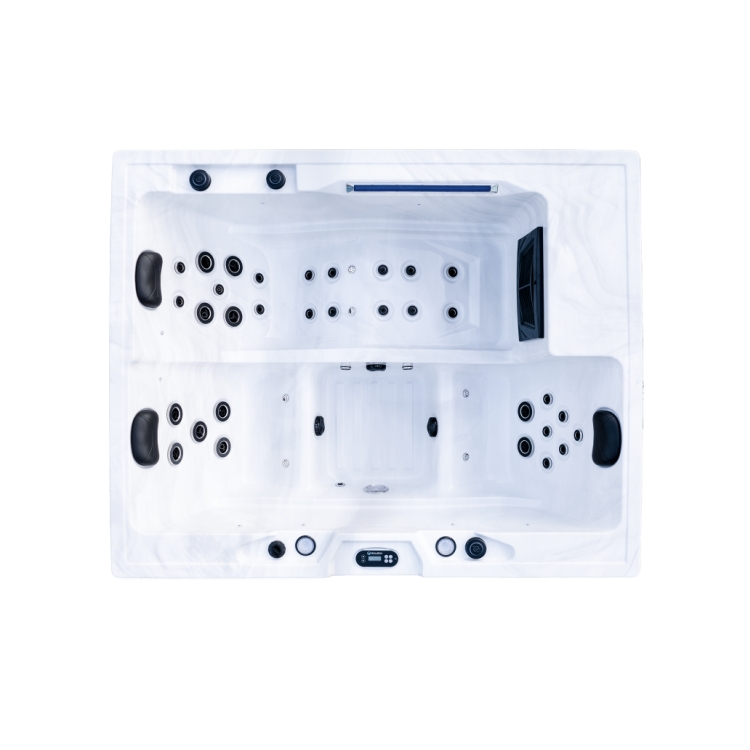
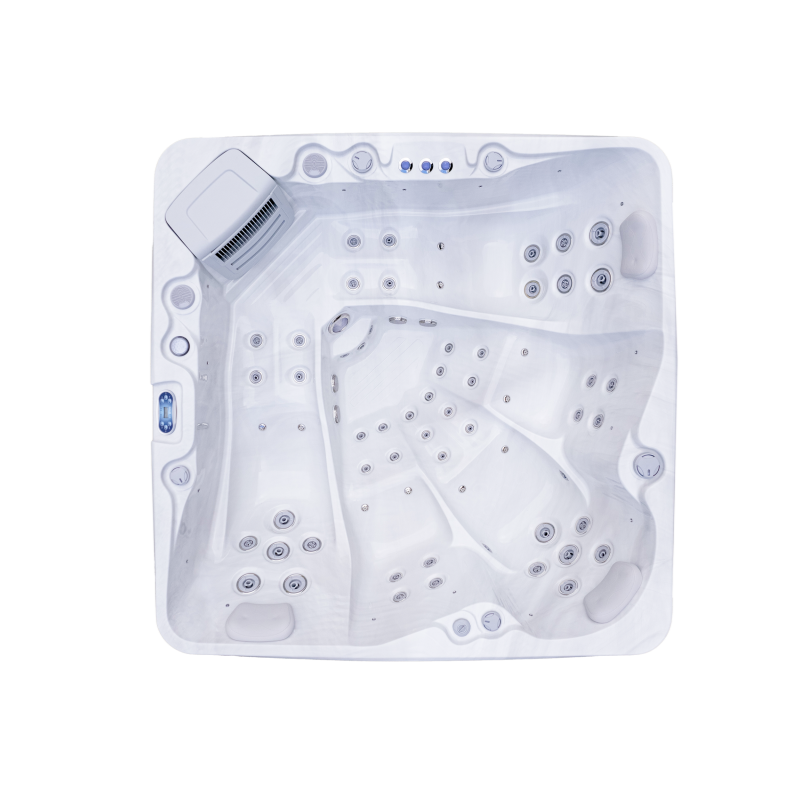
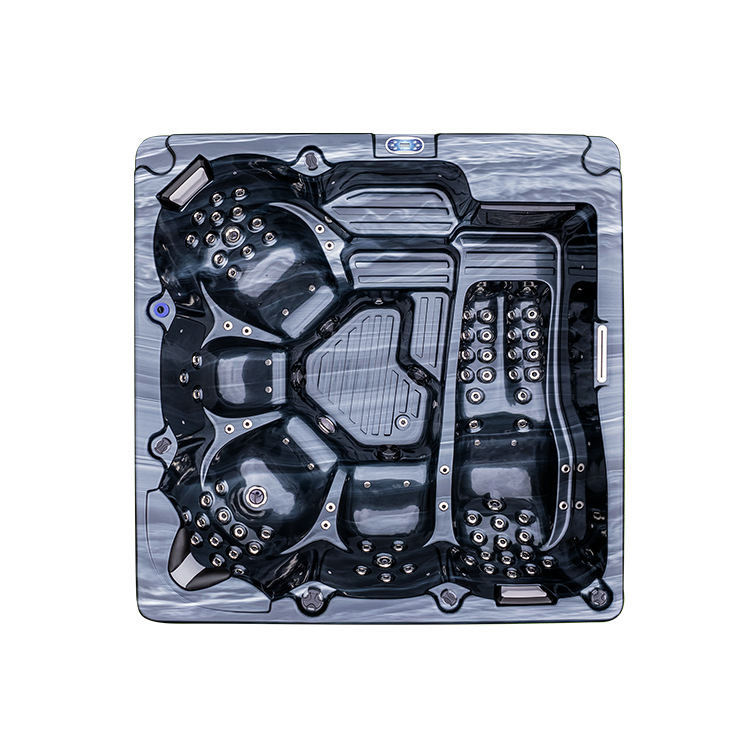
In daily use, the swim spa tub not only provides a comfortable spa experience and relaxation, but it's also an important decorative element in outdoor spaces.
However, over time, the tub exterior inevitably accumulates dust, water stains, pollen, grease, and even mold. Its dull appearance not only affects its aesthetics but may also shorten the tub's lifespan.
Therefore, choosing the right cleaning materials and methods is crucial to maintaining the durability and appearance of the swim spa tub exterior. This article will focus on the core question, "What's the best way to clean the exterior of a swim spa tub?", providing a detailed explanation from multiple perspectives, including material principles, cleaning agent selection, operating methods, and precautions.
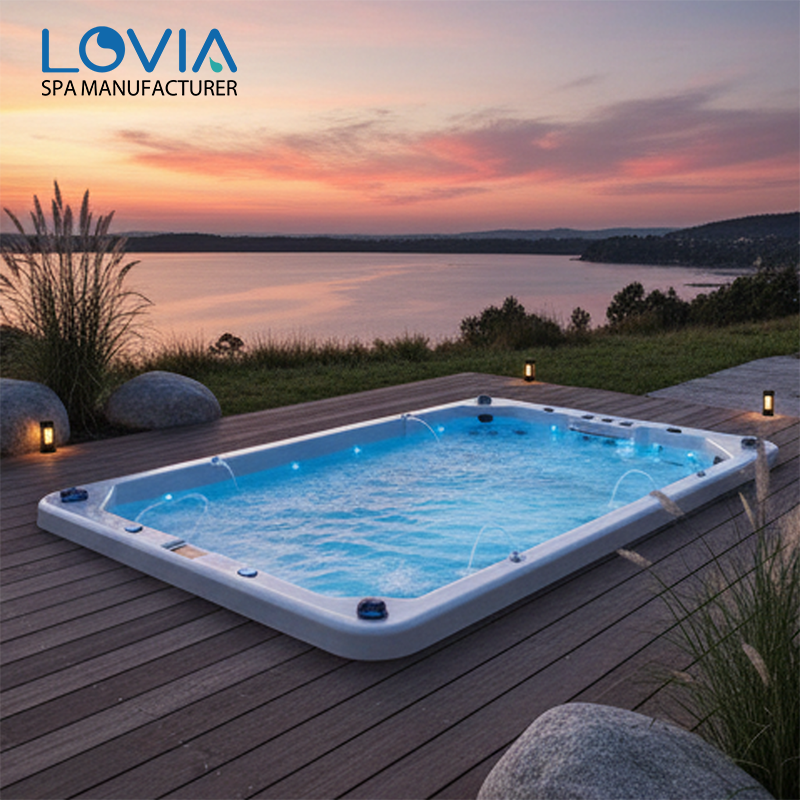
Why does the exterior of a swim spa tub need regular cleaning?
Many people focus on water quality cleaning but often neglect the maintenance of the exterior.
In reality, the swim spa tub shell is constantly exposed to the air, especially outdoors, and is affected by various pollutants, including:
• Airborne dust and pollen: These easily adhere to the surface, forming a difficult-to-clean film.
• Sun and rain: Ultraviolet rays can cause fading and oxidation, while rainwater can leave water stains.
• Moisture and humidity: Prolonged dampness can lead to localized mold growth.
• Chemical residues: Water splashes containing chlorine or cleaning agents can corrode the outer material.
• Fingerprints and grease: Frequent contact during use leaves fingerprints and grease that attract dust.
If not cleaned regularly, these contaminants will seep into the shell's surface, causing fading, stickiness, and reduced gloss, and may even create irreversible signs of aging on plastic or wood finishes.
Therefore, keeping the shell clean is not only an aesthetic issue but also a crucial measure for protection and extending its lifespan.
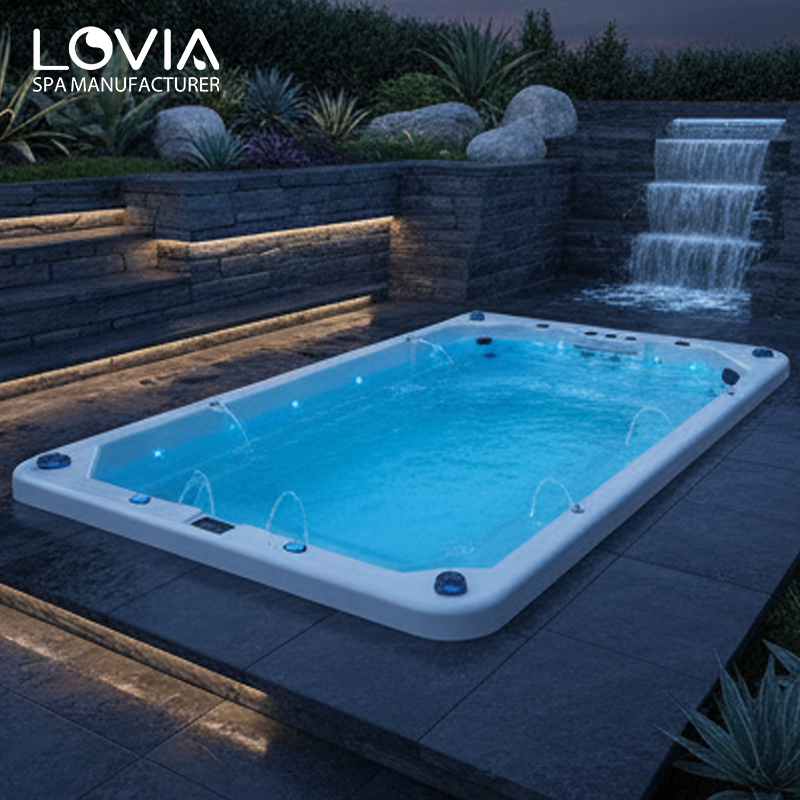
What are the common materials used for swim spa tub shells?
What are the key points for cleaning different materials?
Different models of swim spa tubs use different shell materials, and incorrect cleaning agents or wiping methods may actually cause damage. Common outer casings mainly fall into three categories:
1. Composite Plastic Panel
• The most common type, waterproof, sun-proof, and highly weather-resistant;
• Cleaning tips: Avoid using cleaners containing alcohol or ammonia to prevent fading;
• Can be wiped with warm water and a neutral detergent using a soft sponge.
2. Cedar/Teak Wood Panel
• Naturally beautiful, but susceptible to moisture and corrosion;
• Cleaning tips: Use a dedicated wood cleaner; do not use high-pressure water guns or cleaners containing bleach;
• After each cleaning, thoroughly dry and apply a protective oil.
3. Metal or Aluminum Alloy Decorative Panel
• Stable and durable, but prone to watermarks and oxidation spots;
• Cleaning tips: Avoid using acidic cleaners; use a slightly damp soft cloth and a small amount of dish soap;
• Can be used with a polishing cloth to maintain shine.
Therefore, before choosing a cleaning method, be sure to confirm the specific material of the swim spa tub's outer casing and then clean it accordingly for effective and safe cleaning.
Can I use household cleaners to clean the exterior of a swim spa tub?
Many people are used to using common household cleaners to clean outdoor products, but this is not recommended for swim spa tubs.
The reasons are as follows:
• Strong alkaline or acidic ingredients are too irritating: Bleach, bathroom cleaners, and products containing ammonia can easily damage the protective film on the surface.
• Residues are difficult to rinse off: Chemical residues may continue to corrode the surface in high temperatures or humid environments.
• Damage to shine and fading: Especially for plastic or composite panel exteriors, using the wrong cleaner can cause the surface to lose its original shine.
Recommended solution:
Use a low-corrosion, neutral cleaner specifically designed for spa equipment or outdoor furniture, such as:
• An environmentally friendly cleaner with a pH between 6 and 8;
• A cleaning formula that does not contain chlorine, alcohol, or ammonia;
• A biodegradable product that is safe for skin.
Such a cleaner will effectively remove dirt without damaging the exterior material.
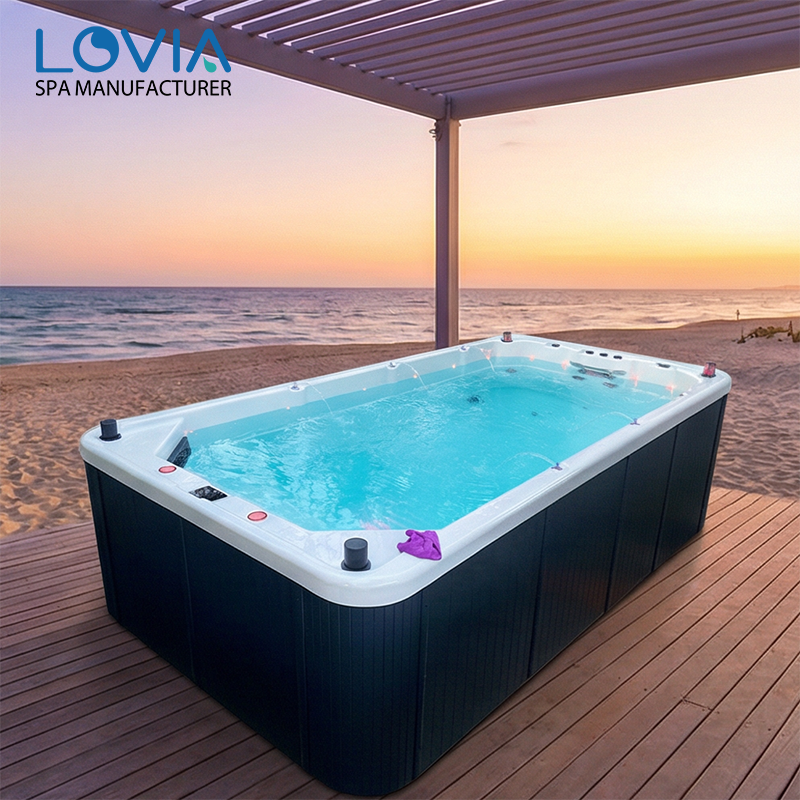
What are the correct steps for cleaning the exterior of a swim spa tub?
To keep the exterior of your swim spa tub looking new, follow this scientific cleaning sequence:
Step 1: Initial Dust Removal
• Gently sweep away surface dust with a dry cloth or soft brush;
• Avoid directly wiping dust with a wet cloth to prevent scratching the surface.
Step 2: Preparing the Cleaning Solution
• Add warm water to a bucket;
• Add neutral detergent according to the instructions and stir well.
Step 3: Gentle Scrubbing
• Use a soft sponge or microfiber cloth to gently scrub along the grain;
• For stubborn stains, scrub several times, but do not scrape vigorously.
Step 4: Rinse with Water
• Rinse thoroughly with clean water, ensuring no detergent residue remains;
• If the exterior is outdoors, use a low-pressure shower head.
Step 5: Drying and Inspection
• Dry the surface with a dry towel;
• Check for scratches or residual dirt, and repeat spot cleaning if necessary.
Step 6: Apply a Protective Coating (Optional)
• For plastic or wooden casings, apply a protective wax or wood oil as needed;
• This forms a waterproof film and improves UV resistance.
This entire process is simple and efficient, ensuring a smooth and durable swim spa tub casing.
What cleaning tools are unsuitable for swim spa tub casings?
Besides improper cleaning agent selection, many users use the wrong tools during cleaning, which can easily cause scratches or wear to the casing.
Tools not recommended include:
• Metal brushes, steel wool: Easily leave scratches on plastic or metal surfaces;
• Hard-bristled brushes or coarse cloths: Cause abrasion to glossy or wood-grain surfaces;
• High-pressure water guns: Although powerful, they can easily allow water to seep into the seams, causing internal dampness;
• Abrasive cleaning pastes: These abrasive cleaners can damage the protective coating, causing the surface to lose its shine.
Recommended tools:
• Soft sponge
• Microfiber cloth
• Soft-bristled cleaning brush
• Plastic scraper (for stubborn stains)
Choosing the right tools effectively cleans stains while keeping the casing intact.
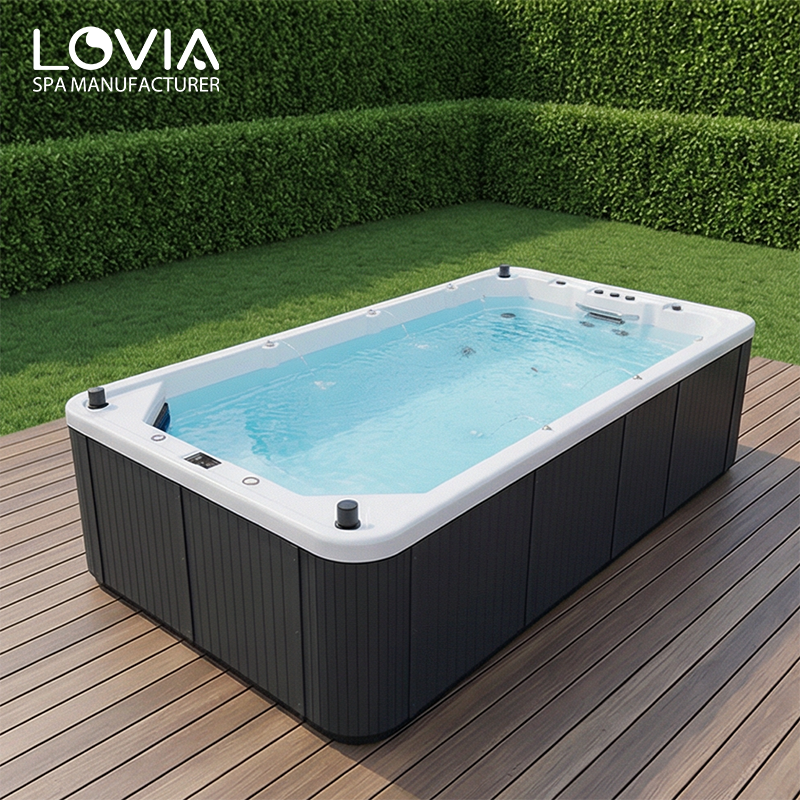
Can I use white vinegar or baking soda to clean the swim spa tub casing?
White vinegar and baking soda are common, environmentally friendly cleaning agents, suitable for certain situations, but not a cure-all.
Suitability of white vinegar:
• White vinegar effectively removes limescale and mold;
• Should be diluted before use (1 part vinegar + 3 parts water);
• Not recommended for metal panels or wooden casings to avoid corrosion or discoloration.
Suitability of baking soda:
• Baking soda powder neutralizes grease stains;
• It is recommended to use a soft sponge for gentle rubbing; do not rub directly with dry powder;
• Must be thoroughly rinsed with water after use to avoid powder residue.
Conclusion:
White vinegar and baking soda can be used as supplementary cleaning methods, but not as the primary method. It's best to use neutral detergents as the main cleaning agent to ensure safety and compatibility.
What are some important precautions when cleaning the swim spa tub casing?
• Avoid cleaning in direct sunlight: High temperatures will cause the cleaning agent to dry quickly, leaving marks;
• Do not clean while the device is plugged in: Ensure the power is off before cleaning;
• Do not use excessive amounts of wax-based polish: It will affect the appearance and attract dust;
• Cleaning frequency: Outdoor-installed swim spa tubs should be cleaned every 2-4 weeks;
• Regularly check the casing seals: Prevent moisture from seeping into the internal structure.
How to keep the swim spa tub casing shiny after cleaning?
To keep the casing looking brand new for a long time, the following maintenance methods can be adopted:
• Keep dry: Wipe the outer wall dry promptly after use to reduce watermarks;
• Use a protective agent: Spray a layer of plastic or wood protectant monthly;
• Cover and protect: When not in use for extended periods, use a dust cover or sunshade;
• Regular polishing: The plastic casing can be restored to its shine with a soft polishing cloth.
These small details can often significantly extend the aesthetic lifespan of the swim spa tub casing.
What cleaning method is best for the swim spa tub casing?
In summary, the best way to clean the swim spa tub casing is:
1. Use a neutral, non-corrosive cleaner;
2. Use a soft sponge or microfiber cloth;
3. Avoid high-pressure washing, strong acids and alkalis, and abrasive cleaning pastes;
4. Keep dry after cleaning and use a protective agent appropriately.
Proper cleaning and maintenance methods not only keep the swim spa tub looking new for a long time, but also prevent material aging and bacterial growth, keeping it healthy, beautiful, and durable.
What payment protections does LOVIA SPA offer to ensure safe international transactions?
LOVIA SPA uses secure payment channels such as T/T bank transfer with a clear 30% deposit policy and 70% balance before shipment. We also provide production photos, videos, and quality inspection reports to reassure Buyers throughout the Purchasing process. As an experienced Manufacturer, we understand global trading standards and maintain transparent contracts, official Quotes, and reliable delivery timelines.
Wholesale clients can Buy with confidence knowing that our long-standing Factory reputation ensures safe, efficient, and professional handling of each order.
