

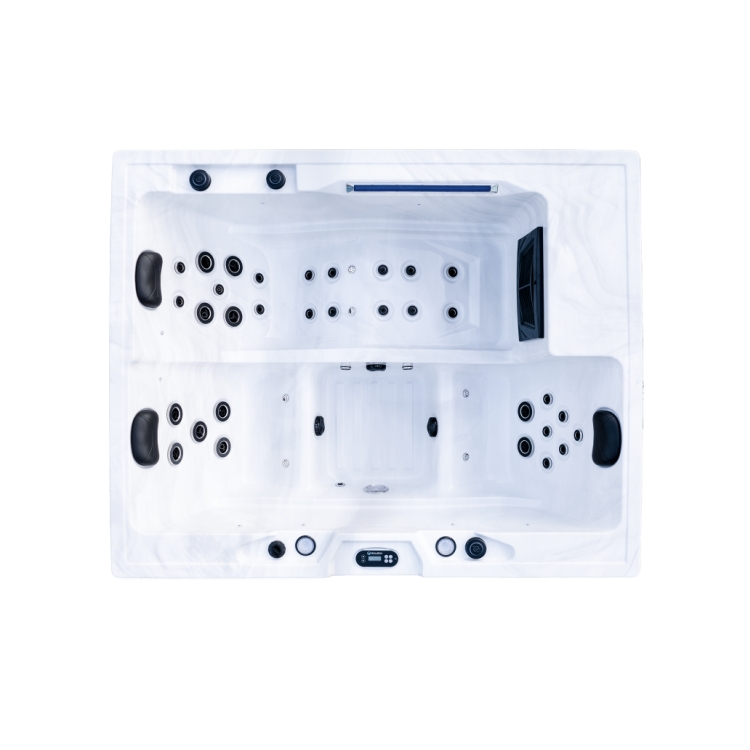
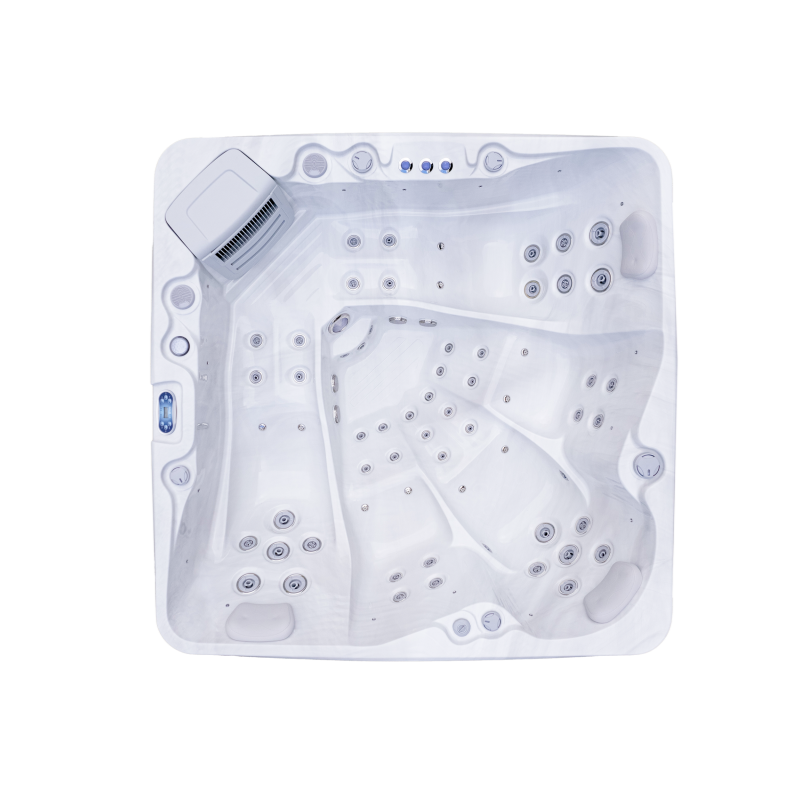
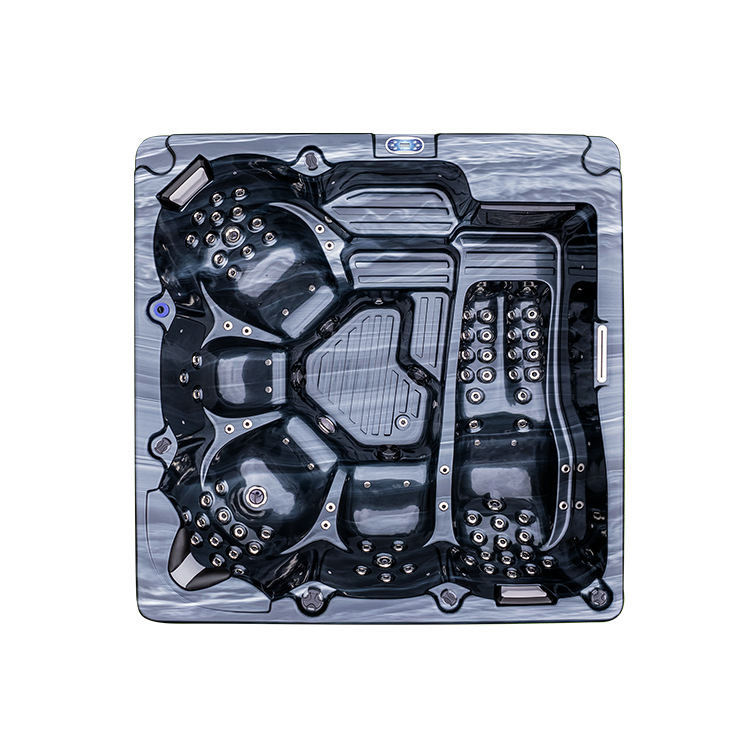
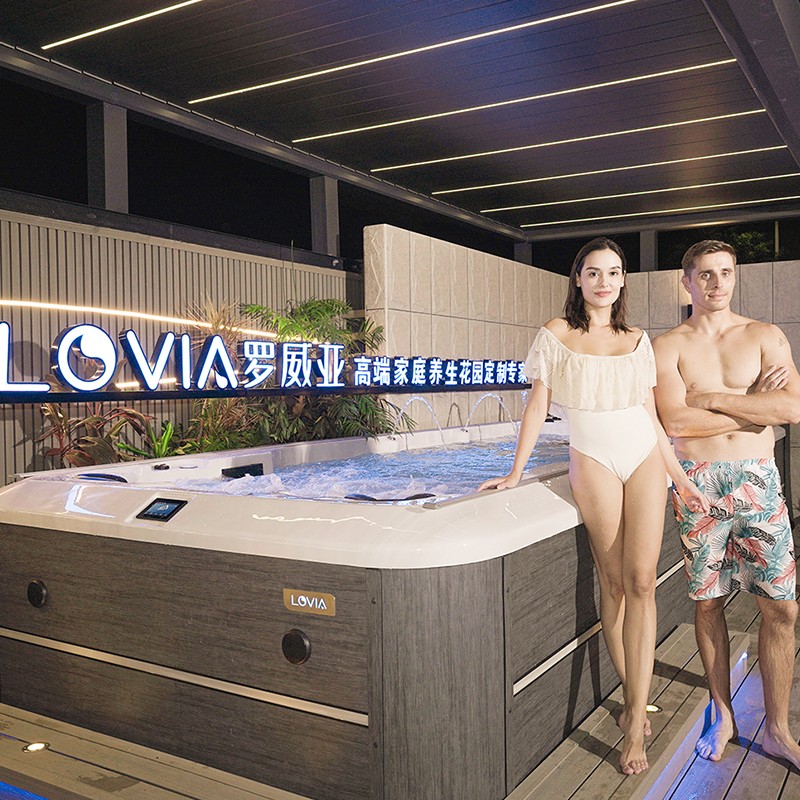
Swim spa hot tubs are increasingly popular in homes due to their combination of exercise, relaxation, and spa functions. However, if bacteria and microorganisms in the water are not effectively controlled, they can affect water quality safety and user health.
Therefore, understanding sterilization methods and scientific management techniques for swim spa hot tubs is essential knowledge for every user.
This article will comprehensively analyze what can effectively kill bacteria in swim spa hot tubs from multiple perspectives, including water quality management, disinfection technology, and physical and chemical methods.
What causes bacterial growth in swim spa hot tubs?
Before discussing sterilization methods, it's necessary to understand why bacteria easily multiply in swim spa hot tubs.
The main reasons include:
• High temperature environment: Swim spa hot tub water temperatures are typically maintained at 26–32°C, a temperature ideal for bacterial growth.
• Contaminants introduced by the human body: The user's body, skin, sweat, and cosmetic residues all become nutrient sources for bacteria.
• Low water flow: Compared to large swimming pools, bathtubs have a smaller water volume and shorter circulation time, creating stagnant areas where bacteria can easily grow.
• High humidity: The high humidity around the bathtub makes it easy for mold and bacteria to grow and cross-contaminate.
These environmental characteristics necessitate professional sterilization and water quality maintenance measures for swim spa hot tubs to ensure long-term safe use.

What chemical methods can kill bacteria in swim spa hot tubs?
1. Chlorine disinfection
Chlorine is the most commonly used water treatment chemical and can kill most bacteria, viruses, and algae. Common chlorine sources in swim spa hot tubs include:
• Liquid chlorine: Easily soluble in water, providing rapid sterilization.
• Chlorine tablets or granules: Convenient to use, dissolves slowly, and maintains a stable chlorine content.
• Precautions: The chlorine content needs to be controlled between 1–3 ppm. Too low a concentration will not kill bacteria, while too high a concentration can irritate the skin and respiratory tract.
2. Bromine Disinfection
Bromine is also a commonly used water disinfectant, particularly suitable for the high-temperature environment of a swim spa hot tub. Its characteristics include:
• More stable in high-temperature water, less volatile.
• Has a sustained killing effect on bacteria and viruses.
• Easy to use, can be added with bromine tablets or powder.
3. Oxidizing Agent Disinfection (Ozone, Hydrogen Peroxide)
Oxidizing agents achieve sterilization by destroying bacterial cell membranes and protein structures. Common methods include:
• Ozone disinfection: Strong oxidizing power, can quickly kill bacteria and viruses, but requires a professional generator.
• Hydrogen peroxide: Leaves no residue, friendly to water and the environment, but concentration control is necessary.
Chemical disinfection is the core method of daily maintenance of a swim spa hot tub, which can significantly reduce the number of bacteria in the water in a short time.
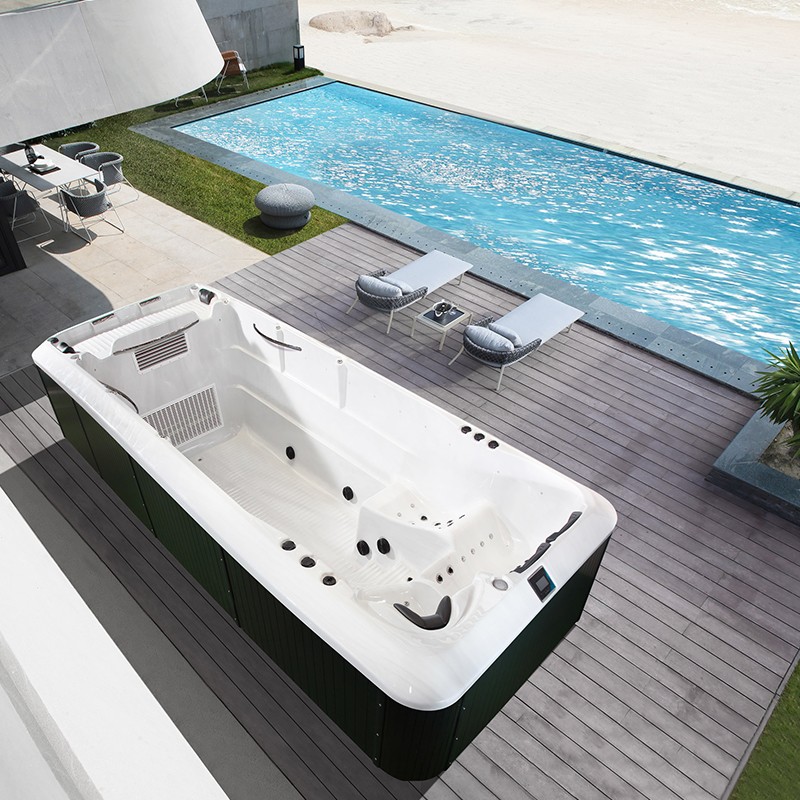
Are there physical methods to kill bacteria in a swim spa hot tub?
Besides chemical methods, physical disinfection methods are also an important means of maintaining the safety of water quality in a swim spa hot tub.
1. Ultraviolet (UV) Sterilization
UV sterilization uses ultraviolet light to destroy the DNA structure of bacteria and viruses, rendering them unable to reproduce. Its advantages include:
• No chemical additives required: No increase in chlorine or bromine usage.
• Rapid sterilization: Water is sterilized as soon as it passes through the UV lamp.
• Suitable for high-temperature environments: Effectively sterilizes even in hot water in a swim spa hot tub.
2. High-Temperature Sterilization
Water temperatures above 60°C can kill most bacteria, but household swim spa hot tubs typically don't maintain such high temperatures for extended periods. Therefore, high-temperature sterilization is more often used for periodic deep cleaning than daily use.
3. Mechanical Filtration
Through high-efficiency filter cartridges and circulation pumps, swim spa hot tubs remove suspended microorganisms and impurities from the water, indirectly reducing the environment for bacterial growth. Filter types include:
• Sand filter: Effective for large particles.
• Activated carbon filter: Adsorbs organic matter, reducing conditions for bacterial growth.
• High-density polyester or fiber filter cartridges: Finely filter microorganisms, providing support for chemical disinfection.
Physical methods are often used in conjunction with chemical disinfection to create multiple layers of protection and improve disinfection efficiency.
What are the daily maintenance procedures for swim spa hot tub water quality?
1. Regularly test water quality
• pH test: Maintaining a pH of 7.2–7.8 helps with chemical disinfection.
• Disinfectant concentration test: Ensure chlorine or bromine levels are within a safe and effective range.
• Turbidity test: Observe water clarity to assess circulation and filtration effectiveness.
2. Regular water changes
Even with chemical and physical disinfection measures, long-term use still requires regular partial water changes, generally every 2–4 weeks, to ensure water cleanliness and disinfection effectiveness.
3. Clean bathtub surfaces and showerheads
Bacteria easily adhere to the surfaces of showerheads, edges, and underwater pipes. Regular cleaning includes:
• Rinsing or disassembling and cleaning the showerheads.
• Scrubbing the inside of the bathtub to prevent algae and bacteria growth.
• Clean or replace the filter cartridge regularly.
With routine maintenance, the effectiveness of chemical and physical disinfection methods can be maintained stably over a long period.
What design features of a swim spa hot tub contribute to disinfection?
• Circulating water system: Continuous flow reduces dead zones and helps ensure even distribution of chemical disinfection.
• High-efficiency jet design: Water flow washes over the nozzles and edges, reducing bacterial adhesion.
• Intelligent control system: Automatically monitors water temperature, pH value, and disinfectant concentration, improving the accuracy of disinfection.
The combination of reasonable design and scientific maintenance greatly improves the water quality safety of the swim spa hot tub.
How should chemical and physical disinfection be used in combination?
• Routine use: Maintain basic water quality disinfection with chlorine or bromine, while using mechanical filtration to remove impurities.
• High-intensity disinfection: Regularly use UV or ozone disinfection to enhance bacterial killing.
• Periodic deep cleaning: High-temperature cleaning and thorough scrubbing of nozzles and pipes completely eliminate attached bacteria.
This multi-pronged sterilization strategy, combining chemical and physical methods, is key to ensuring the long-term safety of water quality in swim spa hot tubs.

How to safely sterilize a swim spa hot tub at home?
• Follow the manufacturer's recommended dosage and operating guidelines.
• Regularly test water quality to ensure disinfectant concentration and pH levels are within safe ranges.
• Rinse or circulate water after each use to prevent rapid bacterial growth.
• Regularly deep clean the nozzles, filter cartridges, and tub surfaces.
• Combine physical methods (UV, mechanical filtration) with chemical methods to create a comprehensive sterilization solution.
Through scientific operation, home users can safely and effectively kill bacteria in their swim spa hot tubs.
What can kill bacteria in a swim spa hot tub?
Swim spa hot tubs, due to their warm water and high humidity, are very prone to bacterial growth.
Effective sterilization methods include:
• Chemical disinfection: chlorine, bromine, ozone, hydrogen peroxide.
• Physical sterilization: UV light, high-temperature treatment, mechanical filtration.
• Optimized Design: Circulating water flow, jet system, intelligent control.
• Routine Maintenance: Water quality testing, periodic water changes, cleaning of nozzles and filters.
By combining chemical and physical sterilization methods with scientific maintenance, the swim spa hot tub can be used safely year-round, ensuring clean water and low bacterial levels, allowing users to enjoy a worry-free swimming and spa experience.
How can LOVIA SPA help me expand my business as a distributor?
LOVIA SPA supports distributors with exclusive pricing, product training, and marketing resources. We offer region-based protection for serious partners and stable Wholesale Prices to ensure long-term cooperation.
As a trusted manufacturer, we maintain consistent quality, reliable supply, and low production costs—giving distributors a profitable advantage. Start your partnership with LOVIA SPA to buy high-quality spas directly from the factory with full brand and service support.
