

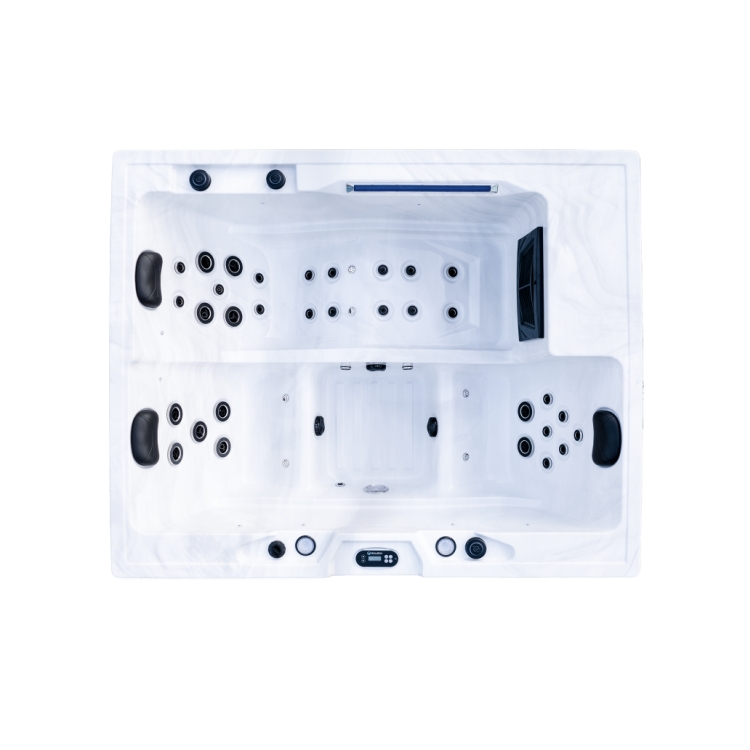
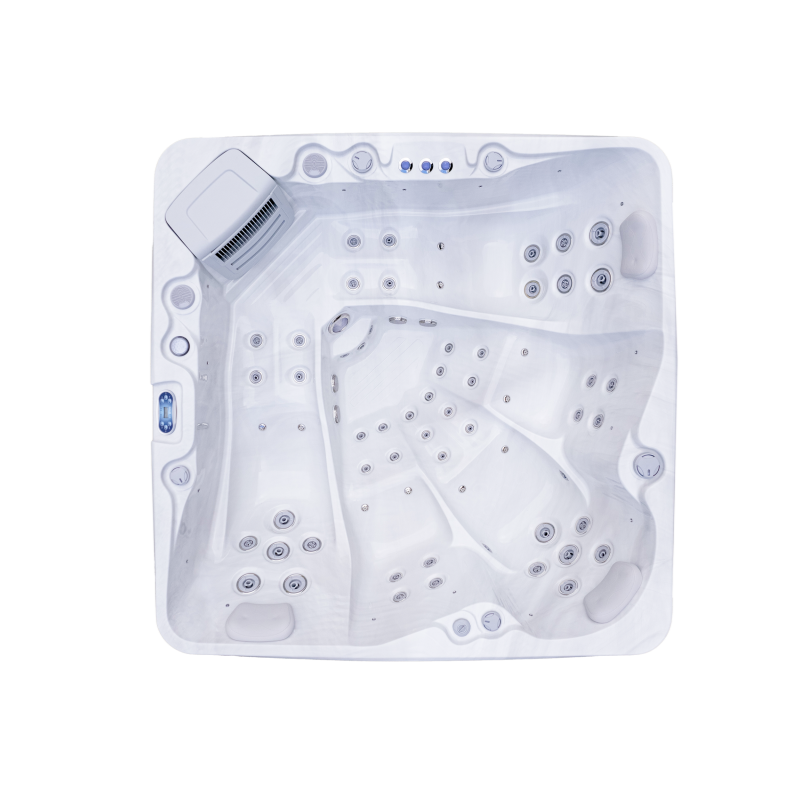
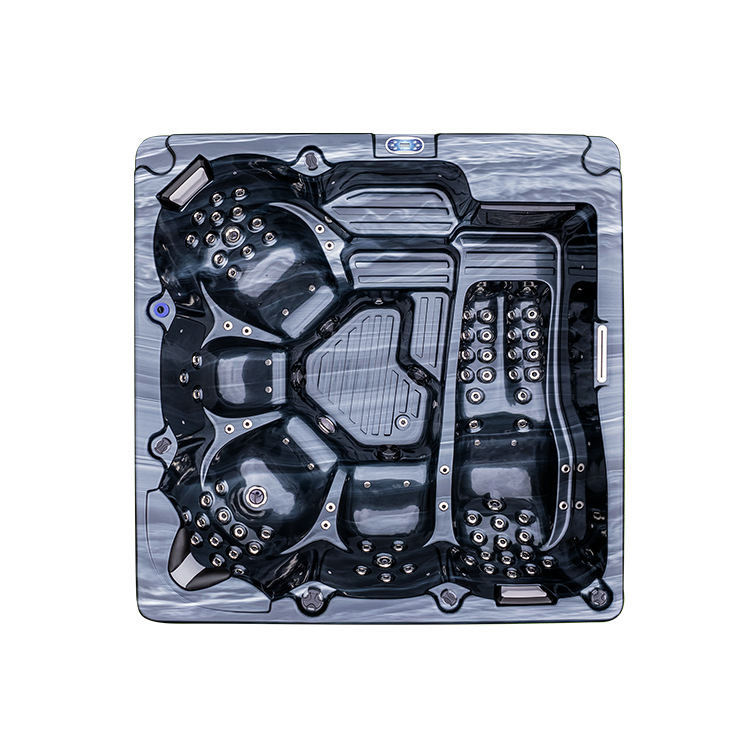
When discussing health, relaxation, and body conditioning, spa hot tubs and steam saunas are often compared. Both rely on a "thermal environment" to influence the body's state and are considered closely related to metabolic activity. However, in reality, the ways, pathways, and bodily responses of whirlpool spa hot tubs and steam saunas affect metabolism differ significantly.
So, what are the differences between spa hot tubs and steam saunas at the metabolic level? Why do they produce different physical sensations? This article will systematically analyze the essential differences in the impact of these two heat therapy methods on metabolism from a physiological perspective.

What is metabolism? Why does a thermal environment affect metabolism?
Metabolism refers to the sum of all chemical reactions within the human body, mainly including:
• Energy production and consumption
• The conversion and utilization of nutrients
• The generation and excretion of metabolic waste
Metabolic levels directly affect physical vitality, recovery ability, and overall health.
Why do both spa hot tubs and steam saunas affect metabolism?
Both whirlpool spa hot tubs and steam saunas alter the body's internal environment through external heat stimulation, prompting the body to activate a series of regulatory mechanisms, including:
• Thermoregulation
• Blood circulation regulation
• Nervous system response
• Changes in energy expenditure
These regulatory processes form the basis for the impact on metabolism.
How does a spa hot tub affect metabolism?
What are the characteristics of heat transfer in a spa hot tub?
Spa hot tubs utilize water as a heat transfer medium, characterized by:
• High heat transfer efficiency
• Large area of contact between water and skin
• Stable and uniform temperature distribution
In a whirlpool spa hot tub, the body is completely enveloped in warm water, with heat continuously and evenly transferred to the skin and superficial tissues.
How does a spa hot tub alter basal metabolic state?
When the body is immersed in a spa hot tub, especially when the water temperature is maintained at 100–102 degrees Fahrenheit, the following changes occur:
• Dilation of skin and superficial blood vessels
• Increased blood circulation
• Moderate increase in heart rate
These changes mean the body needs to expend more energy to maintain circulatory and temperature balance, thus temporarily increasing metabolic activity.

Why is a spa hot tub considered "gentler"?
Compared to a steam sauna, a spa hot tub has the following characteristics in stimulating metabolism:
• Slower changes
• More even body load
• Less likely to cause drastic fluctuations in the metabolic system
This is because the water temperature can usually be precisely controlled, and no localized overheating areas are formed.
What is the mechanism of action of a steam sauna on metabolism?
How does the thermal environment of a steam sauna differ?
Steam saunas utilize high-humidity air heat transfer, and their environmental characteristics include:
• Higher air temperature
• Near-saturation humidity
• Concentrated heat on the body surface
Compared to a whirlpool spa hot tub, the thermal stimulation of a steam sauna is more direct and concentrated.
Why do steam saunas cause excessive sweating?
In a steam sauna, due to the humid and hot air, sweat evaporation efficiency decreases, causing the body to increase sweating as an attempt to dissipate heat.
This process:
• Rapidly increases surface metabolic activity
• Increases short-term energy expenditure
• Promotes fluid circulation
From a metabolic perspective, this is a more "aggressive" regulatory mechanism.
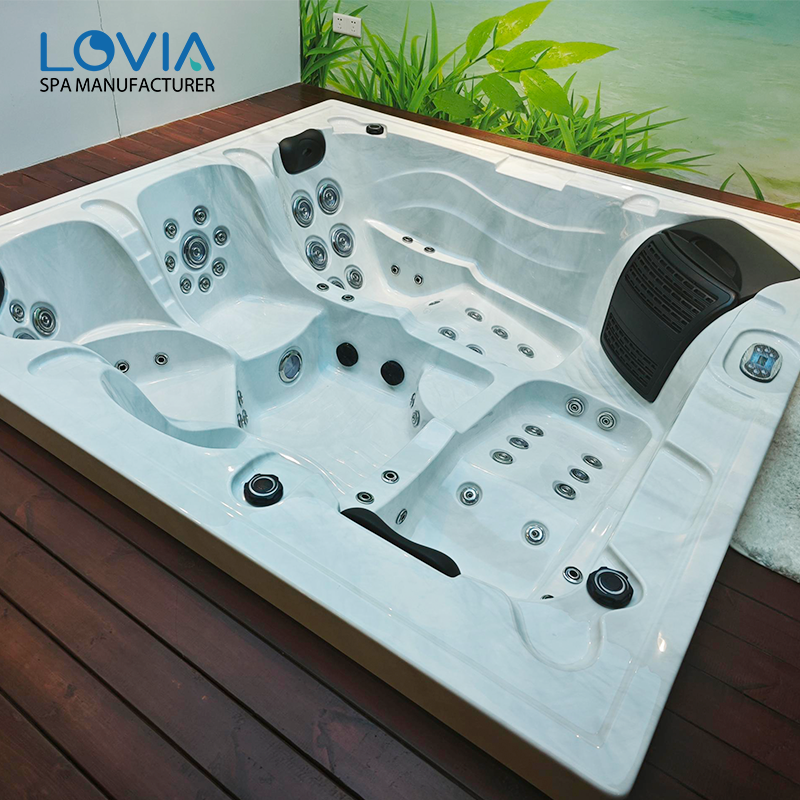
Is a steam sauna a stronger metabolic stimulus?
Yes. Steam saunas typically trigger:
• A more noticeable increase in heart rate
• Larger fluctuations in body temperature
• A stronger nervous system stress response
This means that steam saunas tend to have a stronger metabolic stimulus, but are also more dependent on the body's tolerance.
What are the fundamental differences in metabolic pathways between a spa hot tub and a steam sauna?
Which type of metabolic regulation does a spa hot tub emphasize?
The effects of a spa hot tub on metabolism are mainly reflected in:
• Increased metabolism driven by blood circulation
• Optimized energy utilization due to muscle relaxation
• Sustained metabolic support at a stable body temperature
It leans more towards circulatory and stable metabolic regulation.
Which metabolic mode does a steam sauna lean towards?
The effects of a steam sauna on metabolism are more concentrated in:
• Rapid increase in body temperature
• Humoral regulation triggered by profuse sweating
• Short-term high-intensity response of the nervous system
This method leans more towards stress-induced and short-term metabolic boost.
How does the effect on blood circulation alter metabolic performance?
How does a spa hot tub affect metabolism through circulation?
In a spa hot tub:
• Warm water promotes vasodilation
• Water pressure promotes venous return
• More even and stable blood circulation
This circulatory state helps to:
• Improve nutrient delivery efficiency
• Accelerate the transport of metabolic waste
• Support tissue repair-related metabolic processes
What are the differences in circulatory changes in a steam sauna?
While steam saunas also dilate blood vessels, due to the lack of water pressure:
• Blood is more concentrated on the skin's surface
• Circulation distribution is less balanced than in a whirlpool spa hot tub
• The heart experiences relatively greater regulatory stress
Therefore, its metabolic boost relies more on short-term physiological stress.
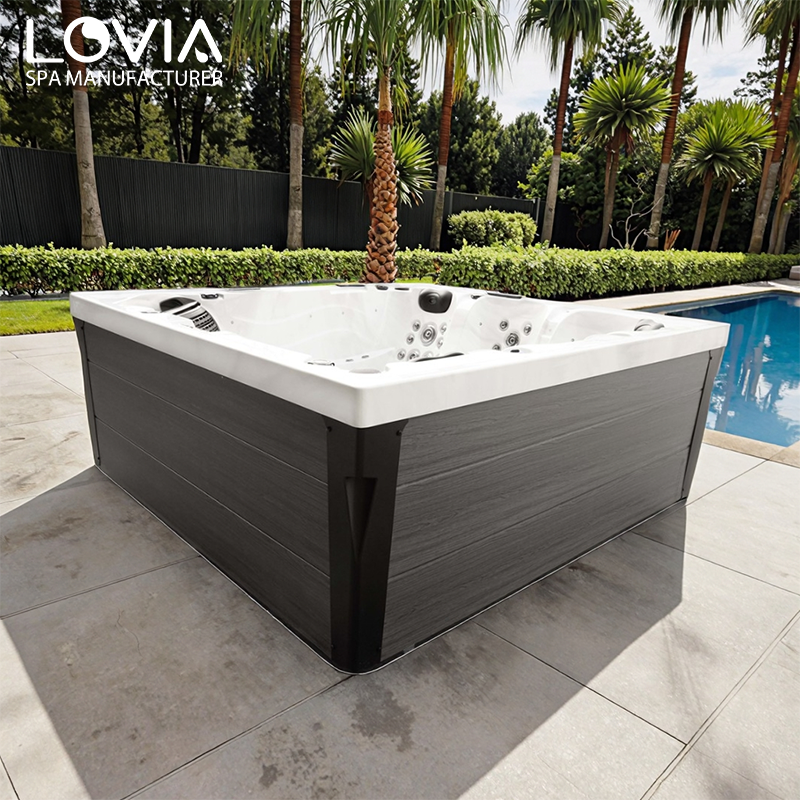
What are the differences in muscle metabolism between spa hot tubs and steam saunas?
How do spa hot tubs affect muscle metabolism?
Spa hot tubs combine:
• Warm water
• Buoyancy
• Hydrotherapy
These factors work together to allow muscles to:
• Reduce energy waste
• Improve local circulation
• Increase metabolic efficiency
This is a way to optimize metabolism while relaxing.
Do steam saunas affect muscle metabolism in different ways?
Steam saunas primarily affect muscle metabolism indirectly through:
• High-temperature stimulation
• Nervous system excitation
It doesn't directly relax muscles, but rather stimulates metabolic responses through overall body temperature changes.
From a metabolic stability perspective, how do the two differ?
Why is a spa hot tub better at maintaining metabolic balance?
Spa hot tubs offer the following advantages:
• Precise water temperature control
• Even heat distribution
• Body in a supported and relaxed state
This results in a more gradual, steady increase in metabolism, rather than drastic fluctuations.
Does a steam sauna cause more metabolic fluctuations?
Due to the higher temperature and humidity in a steam sauna environment:
• Greater stress on the body's regulatory mechanisms
• More concentrated and shorter-lived metabolic changes
• Higher demands on individual tolerance
This is a key reason for the significant differences in metabolic performance between the two.
Which is more metabolically "friendly," a spa hot tub or a steam sauna?
How do we understand "metabolic friendliness" from an overall metabolic perspective?
"Metabolic friendliness" is not just about the magnitude of the metabolic increase, but also includes:
• Whether the burden on the body is manageable
• Whether regulation is stable
• Whether it contributes to the coordinated functioning of the overall circulatory system
In this respect, whirlpool spa hot tubs show a clear advantage.
Why do many people find spa hot tubs easier to tolerate long-term?
This is because whirlpool spa hot tubs:
• Have a gentler effect on metabolism
• Are less likely to cause severe discomfort
• Allow the body to adapt more naturally
This isn't due to insufficient metabolic stimulation, but rather because the method is more in line with the body's regulatory logic.
What are the core differences in metabolism between spa hot tubs and steam saunas?
From a comprehensive perspective of metabolic mechanisms, the essential differences between the two are mainly reflected in the following aspects:
Spa hot tubs:
• Improve metabolism through warm water, water pressure, and circulation
• Provide a more stable and longer-lasting metabolic boost
• Focus more on the overall system's synergistic regulation
Steam saunas:
• Stimulate metabolism through high temperature and humidity
• Produce a stronger but shorter-lasting metabolic response
• Rely more on the body's tolerance
In short, spa hot tubs tend to provide "gentle and continuous" metabolic support, while steam saunas tend to provide "concentrated and rapid" metabolic stimulation.
How Long Is the Delivery Time for LOVIA SPA Products?
LOVIA SPA maintains efficient production planning to ensure timely delivery of whirlpool spa hot tub, outdoor spa, and swim spa orders. Standard delivery time is within 30 days after deposit confirmation. This stable lead time helps buyers plan inventory and project schedules accurately. All shipments are arranged from Huangpu Port, China, supporting smooth international export. Buyers benefit from predictable supply timelines and factory-controlled production efficiency.
