

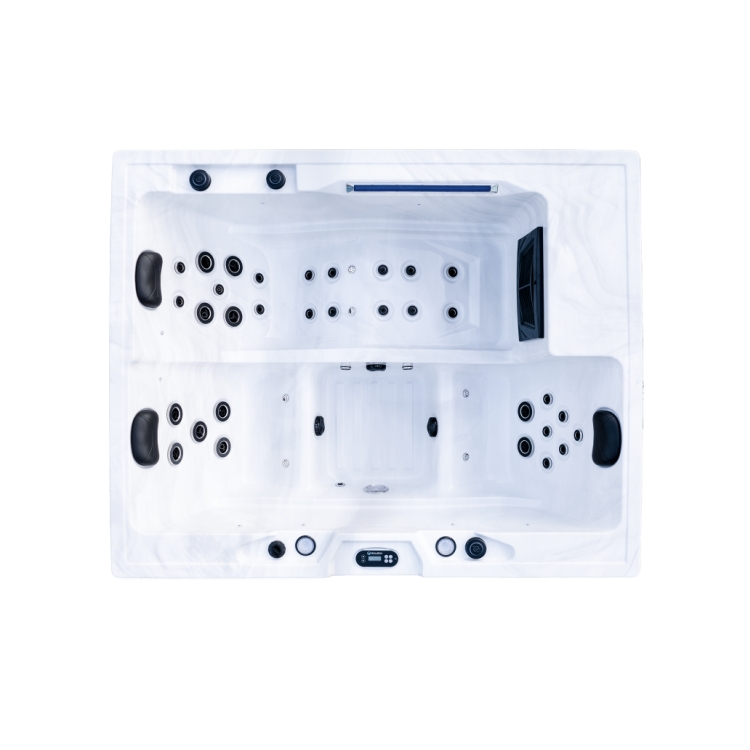
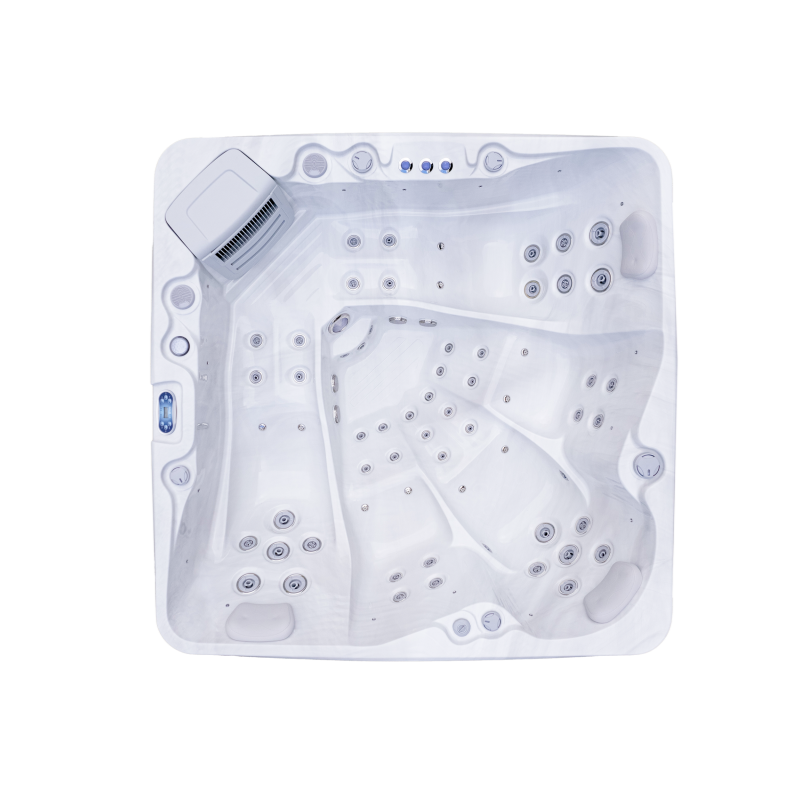
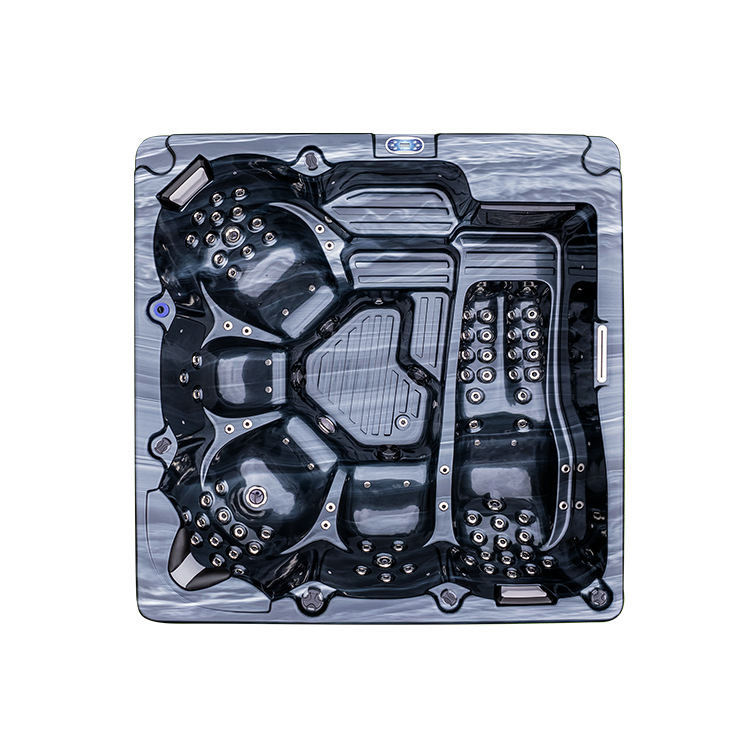
As a comfortable and relaxing amenity in modern homes, hot tubs are increasingly popular with consumers. Whether in the cold winter or the warm summer, hot tubs provide an ideal environment for relaxation, rejuvenation, and stress relief.
When choosing a hot tub, a key decision consumers face is whether to choose an outdoor plug-and-play hot tub or an indoor hot tub. Each type of hot tub has its own advantages and features, but they differ significantly in installation, use, maintenance, and user experience.
This article will detail the key differences between outdoor plug-and-play hot tubs and indoor hot tubs, helping consumers better understand the pros and cons and choose the one that best suits their needs.
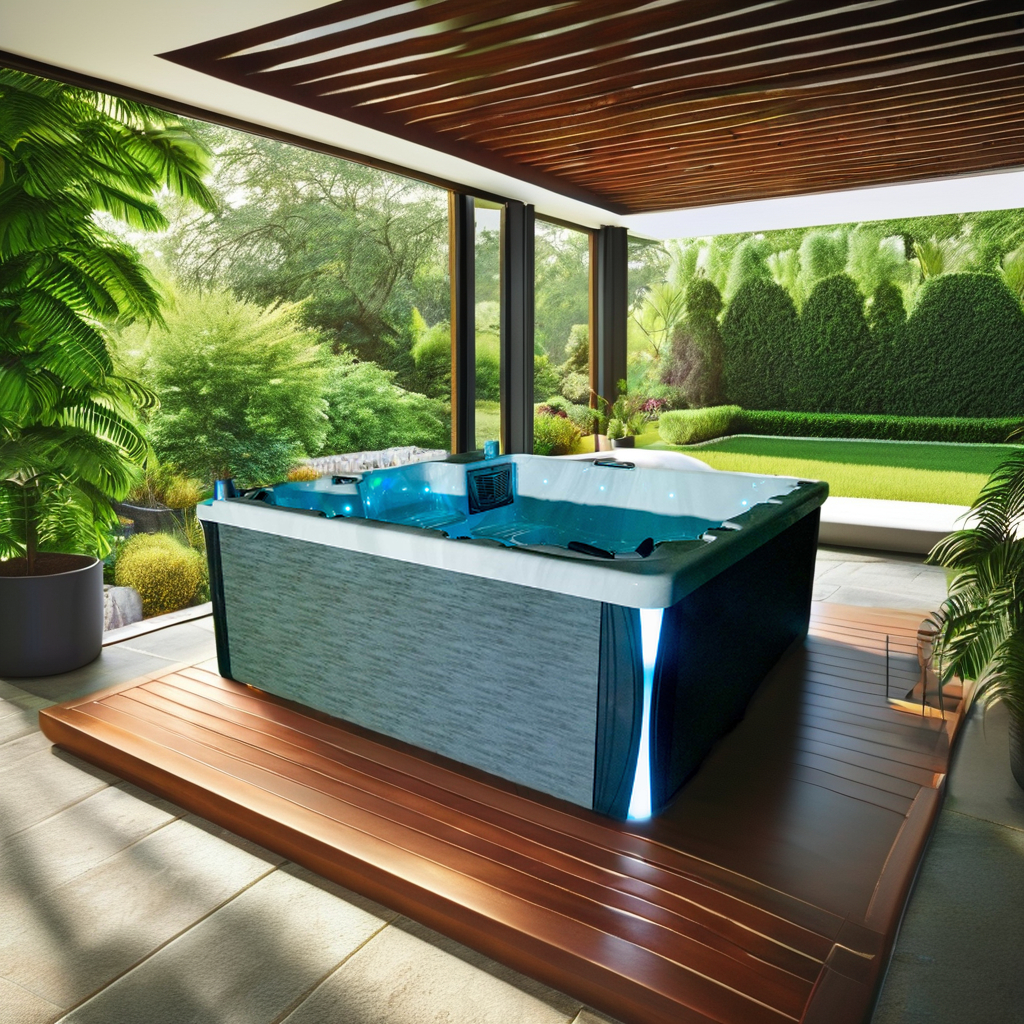
Outdoor Plug-and-Play Hot Tubs vs. Indoor Hot Tubs: Installation Methods
One of the most significant differences between the two types of hot tubs is the installation method.
1. Outdoor Plug-and-Play Hot Tubs
The most significant feature of outdoor plug-and-play hot tubs is their simple installation process. These types of hot tubs typically come pre-assembled; users simply place them in a suitable outdoor location and plug them into a standard electrical outlet to begin use. The plug-and-play design greatly simplifies installation, eliminating the need for complex plumbing and electrical work.
· Low Installation Requirements: Plug-and-play hot tubs require no dedicated plumbing or electrical connections; all you need is ample outdoor space and a standard 220V power outlet.
· High Flexibility: Thanks to their easy installation and removal, plug-and-play hot tubs can be easily moved, making them suitable for homes that may relocate or need to change the tub's location at any time.
· Large Footprint: Typically placed on a patio, patio, or garden, these hot tubs require a flat, sturdy foundation to support their weight, especially when filled with water.
2. Indoor Hot Tubs
Indoor hot tubs are more complex to install than outdoor plug-and-play hot tubs. They typically require professional installers, as they involve wiring, plumbing, and positioning the tub. These hot tubs are typically permanently installed in a bathroom or a specific indoor space.
· Complex Installation: Indoor hot tubs require a dedicated water supply and drainage system, in addition to an electrical connection to operate the heater and water pump. · High Space Requirements: Indoor hot tubs require a dedicated room or area, which may be limited by the existing design of the home, especially if the bathroom is small.
· Fixed Installation: Once installed, indoor hot tubs can be difficult to move, so their placement requires careful planning.
Outdoor Plug-and-Play Hot Tubs vs. Indoor Hot Tubs: Usage Scenarios
Outdoor plug-and-play hot tubs and indoor hot tubs also have very different usage scenarios.
1. Usage Scenarios for Outdoor Plug-and-Play Hot Tubs
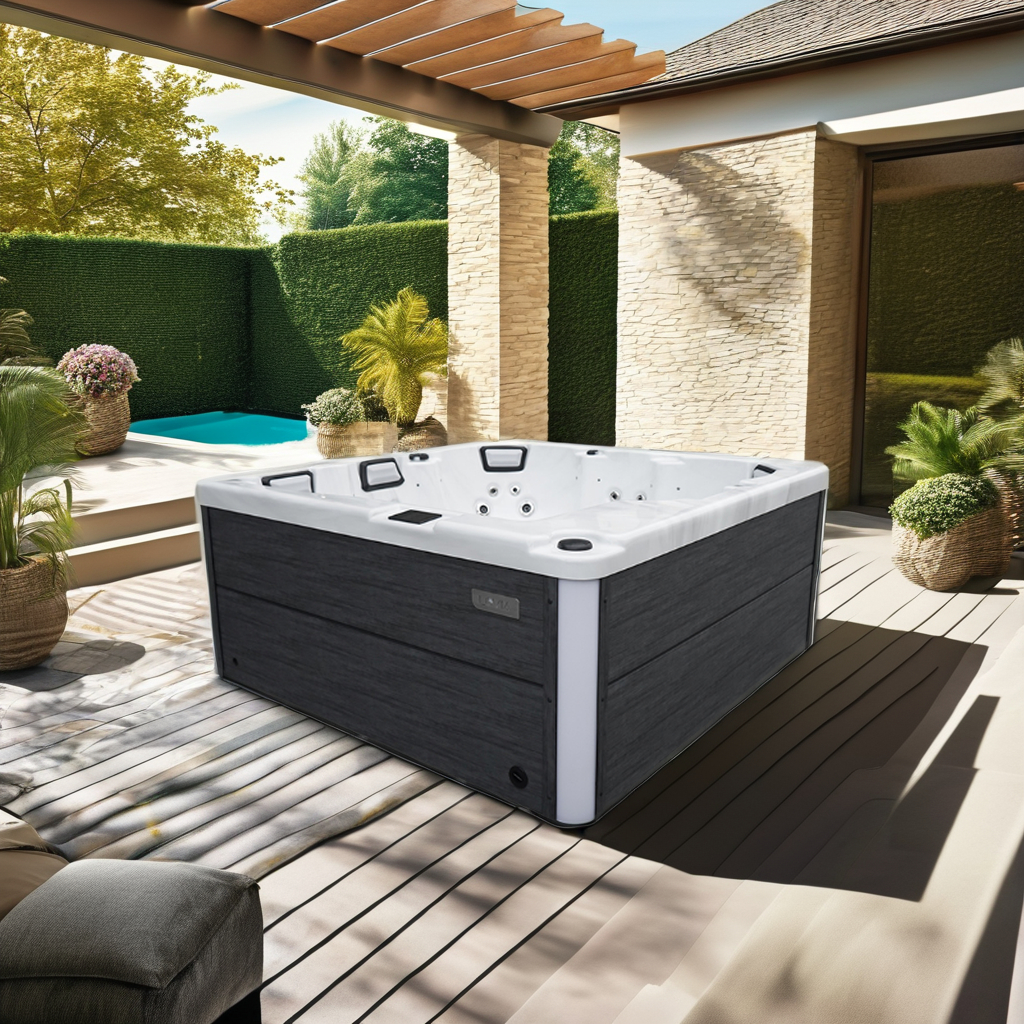
Outdoor plug-and-play hot tubs are suitable for those who enjoy a hot tub experience outdoors in a natural setting. They can be installed in a garden, on a terrace, or by the pool, allowing users to enjoy a warm, hydrotherapy experience under the stars and in the sunshine.
· Outdoor Ambience: The open space outdoors offers a greater sense of freedom, especially on summer nights or winter days. Soaking in hot water, enjoying the fresh air and the surrounding natural environment, can be particularly relaxing.
· Weather Influence: The use of outdoor hot tubs is significantly affected by weather conditions. During the cold winter months, while the warm water of a hot tub is relaxing, the chilly air outside may not be suitable for extended periods of time. In summer, however, high temperatures outdoors may make a hot tub experience less than ideal.
· Suitable for gatherings: Outdoor hot tubs are often used for family gatherings or social events. Their spacious design and convenient plug-and-play functionality make them a great attraction.
2. Indoor Hot Tub Usage Scenarios
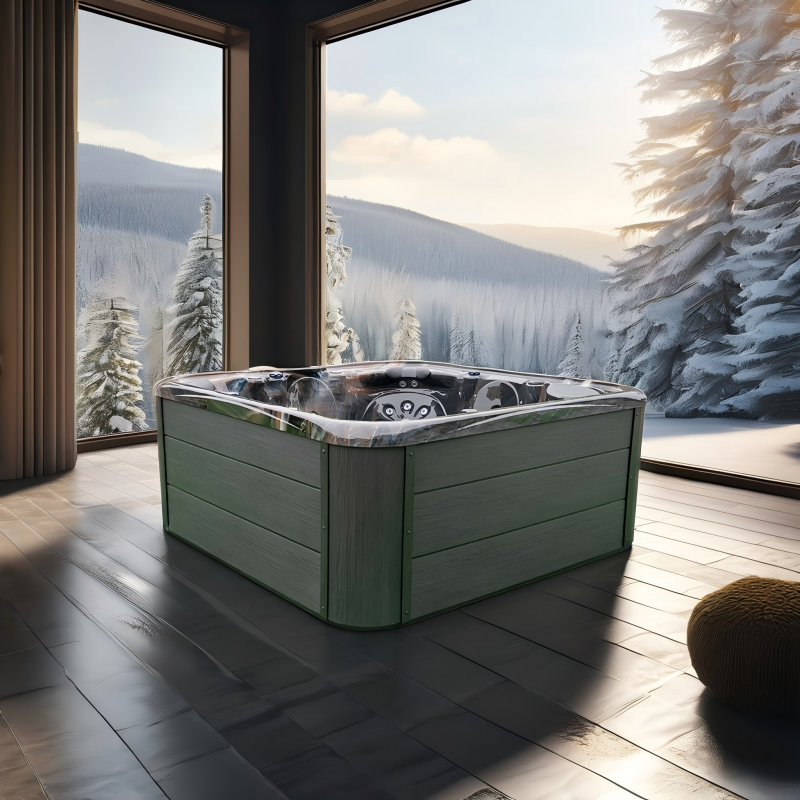
Indoor hot tubs are more suitable for those who prefer to relax in a private space. They can be installed in a bathroom, basement, or recreational area, allowing users to enjoy a hot tub at any time, regardless of the weather.
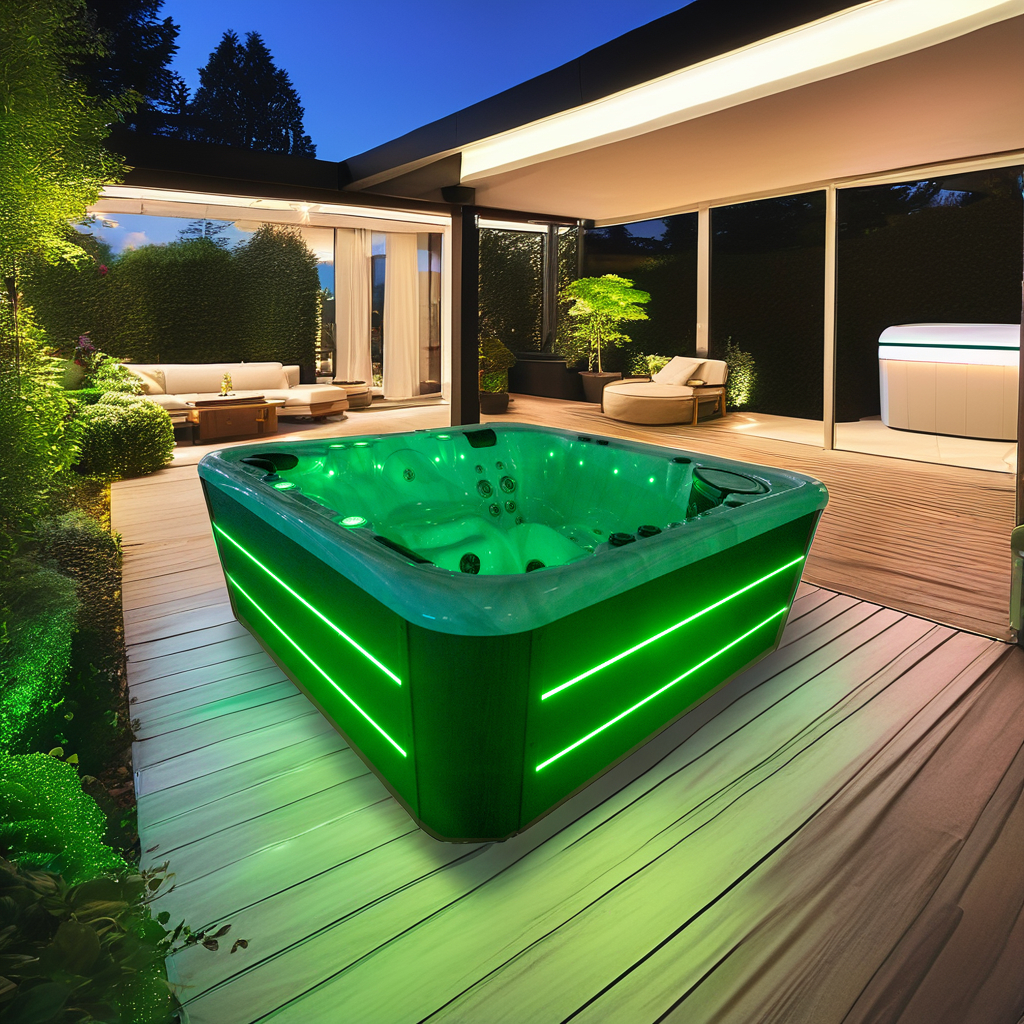
· Privacy: Indoor hot tubs offer greater privacy, making them suitable for those who prefer not to be exposed outdoors. Whether early in the morning or late at night, users can enjoy a relaxing moment in complete privacy.
· Weather-aware: Whether in the heat or the cold, indoor hot tubs maintain a constant temperature indoors, unaffected by the weather. This makes them more practical and convenient year-round.
· Small Family Recreation Spots: Indoor hot tubs are often designed as private spas, allowing users to enjoy the benefits of hydrotherapy and massage in the privacy of their own home without having to visit a public bath or onsen.
Maintenance and Care for Outdoor and Indoor Hot Tubs
Both outdoor and indoor hot tubs require regular maintenance and care to ensure proper operation and extend their lifespan. However, due to their different environments, the focus of maintenance varies.
1. Maintenance of Outdoor Hot Tubs
Outdoor hot tubs face additional environmental challenges, including weather changes, dust, leaves, and other natural elements. To ensure long-term performance, the following are some common maintenance requirements:
· Frequent Cleaning: Due to their outdoor location, outdoor hot tubs are more susceptible to accumulation of debris such as dust and leaves. Therefore, regular cleaning of the filter, drainage system, and interior of the tub is particularly important.
· Protective Measures: To extend the lifespan of the tub, it is recommended to cover the tub when not in use to prevent the ingress of dust and debris. Using a high-quality, insulated cover can also reduce heat loss and save energy, especially during cold winter months.
· Weather-Resistant Materials: The exterior material of an outdoor hot tub needs to be weather-resistant to prevent damage from prolonged exposure to sunlight, rain, and extreme weather.
2. Indoor Hot Tub Maintenance
Indoor hot tubs are relatively simple to maintain because they are not subject to the effects of the outdoor environment. However, indoor use also presents unique maintenance requirements:
· Ventilation Requirements: Because indoor hot tubs generate humidity over time, the bathroom or installation area requires a good ventilation system. Failure to do so can cause dampness and mold on walls, ceilings, and other fixtures.
· Regular Draining and Cleaning: Even in indoor environments, minerals and chemicals in water can form deposits on the tub's interior and filter. Therefore, regular cleaning and water replacement are necessary to ensure water cleanliness and the unit's efficiency.
· Filter Replacement: Indoor hot tubs also require regular maintenance and replacement of their filtration systems to ensure smooth water flow and prevent bacterial growth.
Outdoor Plug-and-Play Hot Tubs vs. Indoor Hot Tubs: Energy and Cost
Besides differences in installation and use, the energy consumption and long-term costs of outdoor plug-and-play hot tubs and indoor hot tubs also differ.
1. Energy Consumption of Outdoor Plug-and-Play Hot Tubs
Because they are located outdoors, especially during colder months, outdoor plug-and-play hot tubs require higher heating requirements, especially in cooler environments. To maintain a constant water temperature, a tub heater requires more energy to offset heat loss. Therefore, outdoor hot tubs typically have higher energy consumption.
· High Heating Costs: In cold weather, outdoor hot tub heaters need to run continuously to maintain water temperature, which can significantly increase electricity bills.
· Energy Saving Measures: To reduce energy consumption, users can use energy-saving mode, lower the water temperature during off-peak hours, and use an insulating cover.
2. Energy Consumption of Indoor Hot Tubs
Indoor hot tubs, because they are located in a relatively stable temperature environment, typically do not experience significant heat loss, resulting in lower energy consumption.
· Constant Temperature Reduces Costs: Because indoor hot tubs are enclosed and unaffected by weather, the water temperature remains relatively stable, requiring less frequent heating and resulting in lower long-term energy costs.
· High Power Requirements: Although the daily energy consumption is lower, installing an indoor hot tub may require dedicated power wiring, increasing initial installation costs.
Do you support brand labeling or OEM manufacturing?
Yes, we specialize in OEM and private label production, helping businesses develop their own spa brands. Whether you're a startup or an established distributor, we can integrate your logo, packaging, and design ideas into our production process. Our factory has over three decades of experience, making us one of the most reliable OEM spa manufacturers in China.
You’ll receive factory-direct quotes, fast lead times, and consistent quality. Leverage our production capacity and wholesale expertise to build your brand at low cost and high value.
