

When using outdoor spa hot tubs, water quality management is a critical issue. Outdoor spa hot tubs are often exposed to the outside environment, including weather changes, temperature fluctuations, and seasonal precipitation. Many people may have such questions: If it rains, can rainwater be used directly as a water source for outdoor spa hot tubs, or is rainwater suitable for direct entry into the tub?
This article will explore the impact of rainwater on outdoor spa hot tubs in depth, analyze the characteristics of rainwater, potential risks, and how to use rainwater scientifically to ensure a safe and comfortable spa experience.
Water quality requirements for outdoor spa hot tubs
1.1 Importance of water quality
As a leisure and relaxation facility, the water quality of outdoor spa hot tubs is directly related to the health and comfort of users. In order to maintain the cleanliness of the water, the water in the spa hot tub must be carefully filtered, disinfected, and temperature-controlled to ensure that the water does not contain harmful bacteria, impurities, and other contaminants. At the same time, the suitability of water quality is also closely related to the user's skin health, respiratory health, and overall relaxation effect.
1.2 Water quality standards
Different outdoor spa hot tubs may have different water quality requirements, but generally speaking, clean and appropriately warm water is ideal. Common water quality management standards include:
● pH value: usually maintained between 7.4 and 7.6.
● Chlorine content: The appropriate chlorine content can effectively kill bacteria, generally maintained between 1 and 3ppm.
● Water temperature: The temperature is usually maintained between 36°C and 40°C, which helps relax muscles and relieve stress.
● Water clarity: The water must remain clear and free of impurities.
Therefore, water from any source that meets these basic water quality requirements can be used in spa hot tubs.

Characteristics of rainwater
2.1 Source and composition of rainwater
Rainwater is a natural phenomenon in which water vapor in the atmosphere falls to the ground after cooling and condensing. The composition of rainwater mainly includes water, dissolved gases and particulate matter in the air. During the rainfall process, rainwater may come into contact with dust, pollutants, chemicals and microorganisms in the air, so rainwater itself may contain certain impurities.
2.2 Pollutants in rainwater
Although rainwater is a natural source of water, its quality does not always meet the standards of outdoor spa hot tubs. Here are some pollutants that rainwater may carry:
● Dust and particles: During rainfall, rainwater will carry dust and tiny particles from the air to the ground. These particles may mix into rainwater, causing the water to become turbid.
● Chemical pollutants: In urban environments, rainwater may absorb pollutants from the air, such as car emissions and factory exhaust. These chemicals may have an adverse effect on the water quality of spa hot tubs and may even cause damage to the skin and respiratory system.
● Bacteria and microorganisms: Bacteria, fungi and other microorganisms in the air may also attach to rainwater and enter the spa hot tub, which may pollute the water quality and even cause skin diseases or other health problems.
● Heavy metals and pollutants: In some areas with heavy industrial pollution, rainwater may also contain a certain amount of heavy metal substances, such as lead and cadmium, which are potentially harmful to health.
2.3 pH and hardness of rainwater
The pH of rainwater is usually acidic, usually between 5.5 and 6.5, which is lower than the pH of neutral water, which is 7. If acidic rainwater enters the outdoor spa hot tub directly, it may affect the pH balance of the water in the tub, causing skin irritation or damage to the tub surface. In addition, the hardness of rainwater may also be related to the geographical environment and climatic conditions of the region. Rainwater with excessive hardness may form scale in the tub, affecting water quality and equipment function.
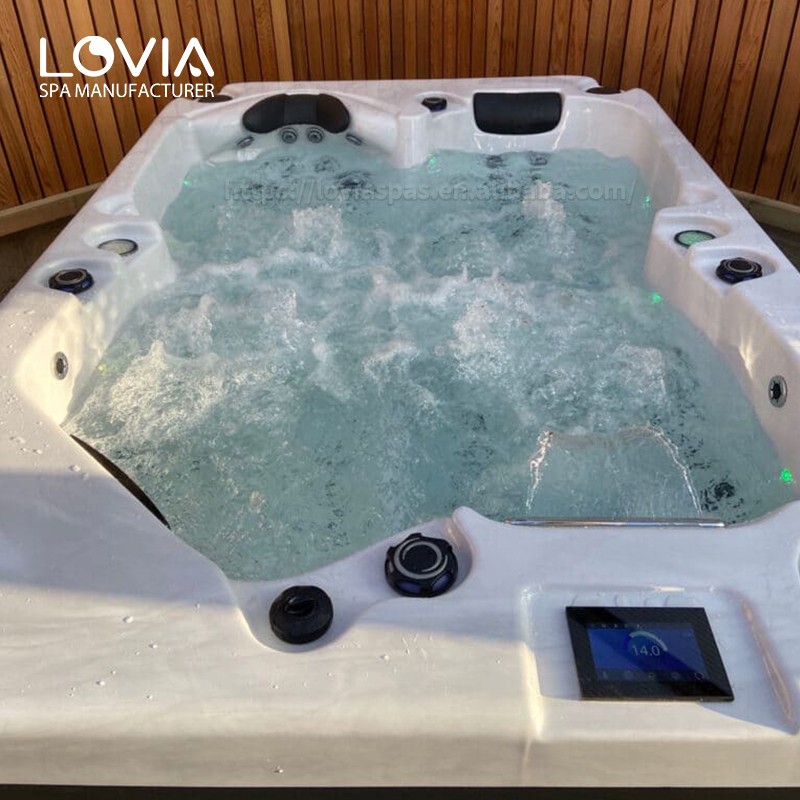
Potential impact of rainwater on outdoor spa hot tubs
3.1 Impact on water quality
Due to the above-mentioned pollutants that may be contained in rainwater, directly introducing rainwater into the outdoor spa hot tub may cause the following problems:
● Unstable water quality: Due to the uneven content of pollutants in rainwater, directly introducing rainwater into the outdoor spa hot tub will make the water quality unstable, resulting in reduced water clarity and even odor.
● Increased risk of bacteria and microorganisms: Bacteria and microorganisms in rainwater may cause skin problems or infections. Especially in a warm spa hot tub, bacteria and microorganisms are more likely to multiply, causing water pollution.
● Impact on chemical balance: The pH value of rainwater is usually low. If it is not properly treated, using rainwater directly may cause the acid-base balance of the water in the bathtub to be unbalanced, affecting the hydrotherapy effect and may corrode the internal equipment of the spa hot tub.
3.2 Damage to equipment of outdoor spa hot tub
Long-term use of inappropriate water sources, especially rainwater containing more impurities and pollutants, may cause damage to the equipment of outdoor spa hot tub. For example:
● Damage to water pumps and filtration systems: Particles and pollutants in rainwater may clog water pumps and filtration systems, reduce their working efficiency, and even cause equipment damage.
● Corrosion and stains: Chemicals and acidic substances in rainwater may corrode the surface and internal pipes of the spa hot tub, especially metal parts, such as the metal casing of the water pump, pipe joints, etc.
● Scale and sediment: Minerals and hardness substances in rainwater may deposit on the surface of the bathtub to form scale, affecting the appearance and function of the bathtub.
3.3 Potential risks to user health
If the bacteria and contaminants in rainwater are not properly treated, the direct use of rainwater may pose a risk to the health of users. Especially for people with sensitive skin, the chemicals, bacteria and other microorganisms in rainwater may cause allergic reactions, skin infections and other problems. In addition, the pollutants that may be contained in rainwater, such as heavy metals and chemicals, may also cause long-term harm to the human body.
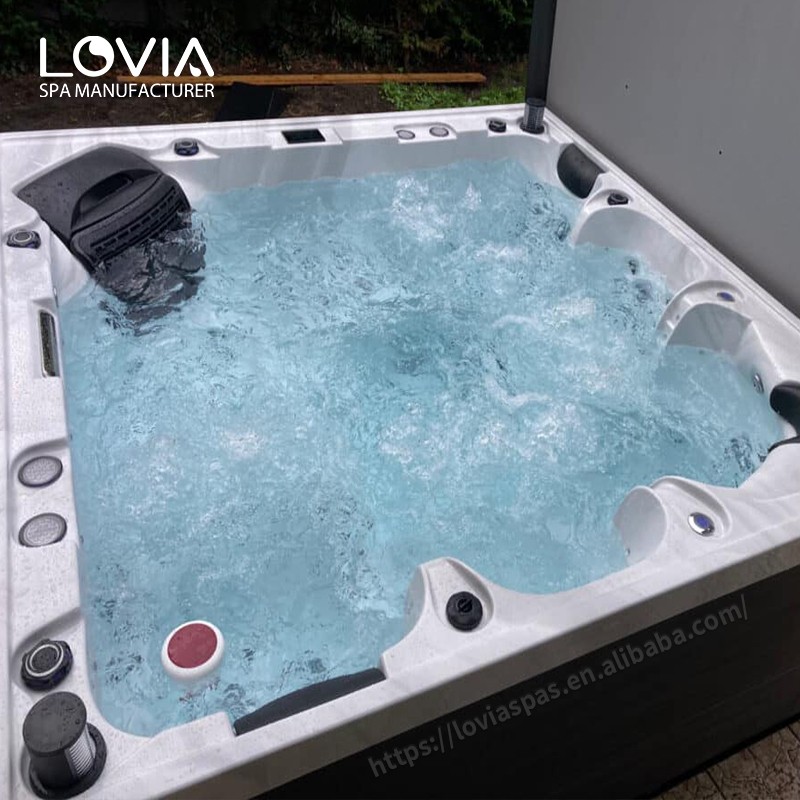
Spa hot tub: How to use rainwater scientifically?
Although there are certain risks in using rainwater directly as a spa hot tub water source, it can still be a beneficial resource if it is properly treated. Here are some ways to use rainwater scientifically:
4.1 Rainwater collection and filtration
By installing a rainwater collection system, rainwater after rainfall can be effectively collected. In order to ensure the quality of rainwater, a suitable filtration system should be installed to remove large particles of impurities, dust and other contaminants in rainwater. Using a fine filter or sand filter can greatly improve the cleanliness of rainwater.
4.2 Water quality adjustment
Before introducing rainwater into the outdoor spa hot tub, it is recommended to use professional equipment to test and adjust the water quality. According to the test results, the appropriate amount of chemical agents can be added to adjust the pH value of the water to ensure the balance of water quality. Water quality adjustment can not only improve the spa experience, but also ensure the normal operation of the bathtub equipment.
4.3 Regular cleaning and maintenance
Whether using rainwater or tap water, it is crucial to keep the spa hot tub clean and maintained. Regularly changing the water source, cleaning the pipes and equipment in the bathtub, and checking the working status of the filtration system can effectively prevent water pollution and maintain a healthy use environment.
As a natural resource, although rainwater can be used as a water source for outdoor spa hot tubs under certain conditions, the pollutants, acidic substances and bacterial microorganisms it contains make it unsuitable for direct use. In order to ensure the comfort and safety of the spa experience, users should avoid pouring untreated rainwater directly into the spa hot tub. If you decide to use rainwater as a water source, be sure to fully filter, purify and adjust the water quality to ensure the qualified water quality and safe operation of the bathtub equipment.
Looking for a low-price, high-margin outdoor spa hot tub manufacturer?
Guangzhou HuanTong has what you need. We offer OEM, ODM, and private label services for brands in over 30 countries. Our company’s large-scale operation and expert team ensure timely supply, competitive wholesale prices, and personalized support. From family-use hot tubs to commercial hydro spas, we cover all market demands. Ask about our current sales promotions and receive your custom quote today.
