

Maintenance and care for an outdoor spa hot tub are crucial to ensuring its longevity. Many spa hot tub owners may face the question: Is it appropriate to drain and leave the tub empty when it's not in use for an extended period?
At first glance, this may seem like a reasonable option, especially during the winter or during extended vacations. However, leaving an outdoor spa hot tub empty for extended periods can lead to a number of problems.
This article will explore the feasibility of this practice, the potential risks, and the proper maintenance procedures after draining a spa hot tub. This in-depth analysis will help readers understand whether draining a spa hot tub is a wise decision and provide specific advice to avoid potential problems.
Why should an outdoor spa hot tub be drained?
Draining an outdoor spa hot tub is a reasonable option in certain circumstances. Common scenarios include extended periods of inactivity, seasonal downtime, or maintenance. For example, many people may consider draining their spa hot tubs when they're no longer using them during cold winter months to prevent water from freezing and potentially rupturing pipes. Draining is also necessary if water quality deteriorates or if components like pumps and filters need replacement.
1. Seasonal Outages
Outdoor spa hot tubs are typically used more frequently during warmer months, but many people choose to stop using them during cold winter months. Draining them seems like a wise option to prevent freezing water in the pipes due to low temperatures. Frozen water can damage the spa hot tub's pipes, jets, and heating system, leading to costly repairs.
2. Extended Inactivity
Sometimes, spa hot tub users may be away from home or on vacation for extended periods. To save energy and avoid unnecessary water treatment maintenance, some users may choose to drain their spa hot tubs, believing this will reduce maintenance costs.
3. Water Quality Issues or Equipment Maintenance
Draining a spa hot tub is necessary when the water is contaminated or when certain components, such as the pump or filter, need to be replaced or repaired. In these cases, draining the spa hot tub is necessary to ensure cleaning or perform maintenance.
While draining the spa hot tub may seem necessary in these situations, simply draining it and leaving it empty isn't a simple solution.
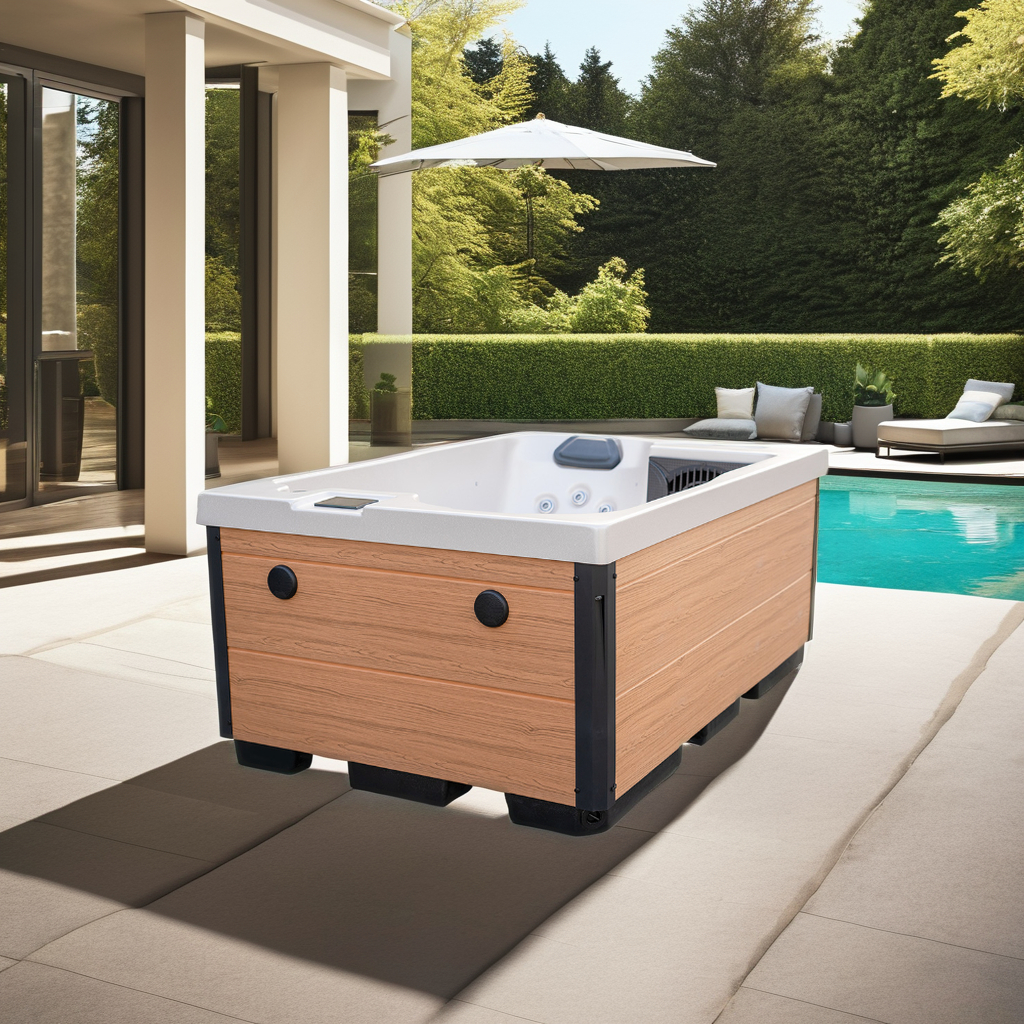
What are the risks of leaving a spa hot tub empty for extended periods?
While draining an outdoor spa hot tub is necessary in some situations, leaving it empty for extended periods carries a number of potential risks. These risks primarily relate to the spa hot tub's structure, plumbing, equipment, and sanitation.
1. Risk of Damage to Pipes and Pumps
The pipes and pumps in a spa hot tub are critical to its proper operation. When a spa hot tub remains empty for extended periods, residual water can accumulate inside the pipes and cause rust or corrosion. Even trace amounts of water can accumulate dirt over time, leading to blockages. If a spa hot tub is exposed to dry conditions for extended periods, rubber seals and gaskets may dry out and crack, leading to the risk of future leaks.
Furthermore, outdoor spa hot tub pumps typically rely on water as a lubricant to maintain proper operation. Prolonged dryness can damage pump components and increase the risk of equipment failure.
2. Damage to Surface Materials
Outdoor spa hot tubs are typically made of materials such as plastic, fiberglass, or acrylic, which can deform or degrade when exposed to sunlight, dry air, and temperature fluctuations. When a spa hot tub remains empty for extended periods, the internal materials are exposed to the air and environment, potentially causing aging, cracking, or discoloration. This is particularly prevalent in outdoor spa hot tubs located in direct sunlight.
Unoccupied outdoor spa hot tubs exposed to harsh winter temperatures can also face other problems. Even after being drained, small amounts of water remaining in the pipes can freeze in low temperatures, causing pipe ruptures or damage to the jets.
3. Bacterial and Fungal Growth
Even after a spa hot tub has been drained, small amounts of water may remain in the pipes, jets, and filters. Over time, these trace amounts of water can become a breeding ground for bacteria, fungi, and algae. Because this residual water is difficult to drain completely, bacteria and other microorganisms can grow, posing a hygienic risk during future use.
High humidity is particularly conducive to the growth of mold and other pathogens. If a spa hot tub remains empty for extended periods and lacks proper cleaning, users may be exposed to contaminated water when refilling and using it.

What are the proper maintenance steps after draining a spa hot tub?
If draining a spa hot tub is necessary, taking proper maintenance steps is crucial to protecting its equipment, pipes, and surfaces from damage. Below are some recommended steps to help users properly protect their equipment after draining their spa hot tub.
1. Completely Drain
When draining an outdoor spa hot tub, it's crucial to ensure that all water pipes, pumps, and filters are completely drained. This can be done by priming the drain pump and opening all drain valves. Ensuring that no water remains in the pipes is crucial to preventing freezing and rusting.
2. Cleaning and Disinfecting
After draining the spa hot tub, thoroughly clean and disinfect the interior of the tub and all equipment. Use a specialized cleaning agent to remove dirt and residue from the pipes, filters, and pump to prevent bacterial and fungal growth. Regular cleaning and disinfecting are key to maintaining a sanitary spa hot tub.
3. Protect Equipment and Surfaces
After draining the spa hot tub, cover the entire tub with a protective cover to prevent dust, leaves, animals, and insects from entering the tub. This cover not only keeps out foreign matter but also protects the tub from direct sunlight, slowing the aging process of the surface materials.
If the spa hot tub is located in a cold climate, consider covering the pipes and pump with additional insulation to prevent damage to the equipment from freezing temperatures.
4. Regular Inspection and Maintenance
Even if the spa hot tub is drained and not in use, users should still regularly inspect the equipment and pipes to ensure they are free of aging, corrosion, or cracks. Every few months, check the seals and gaskets to ensure they are not dry and cracked. If any problems are found, replace or repair them promptly.
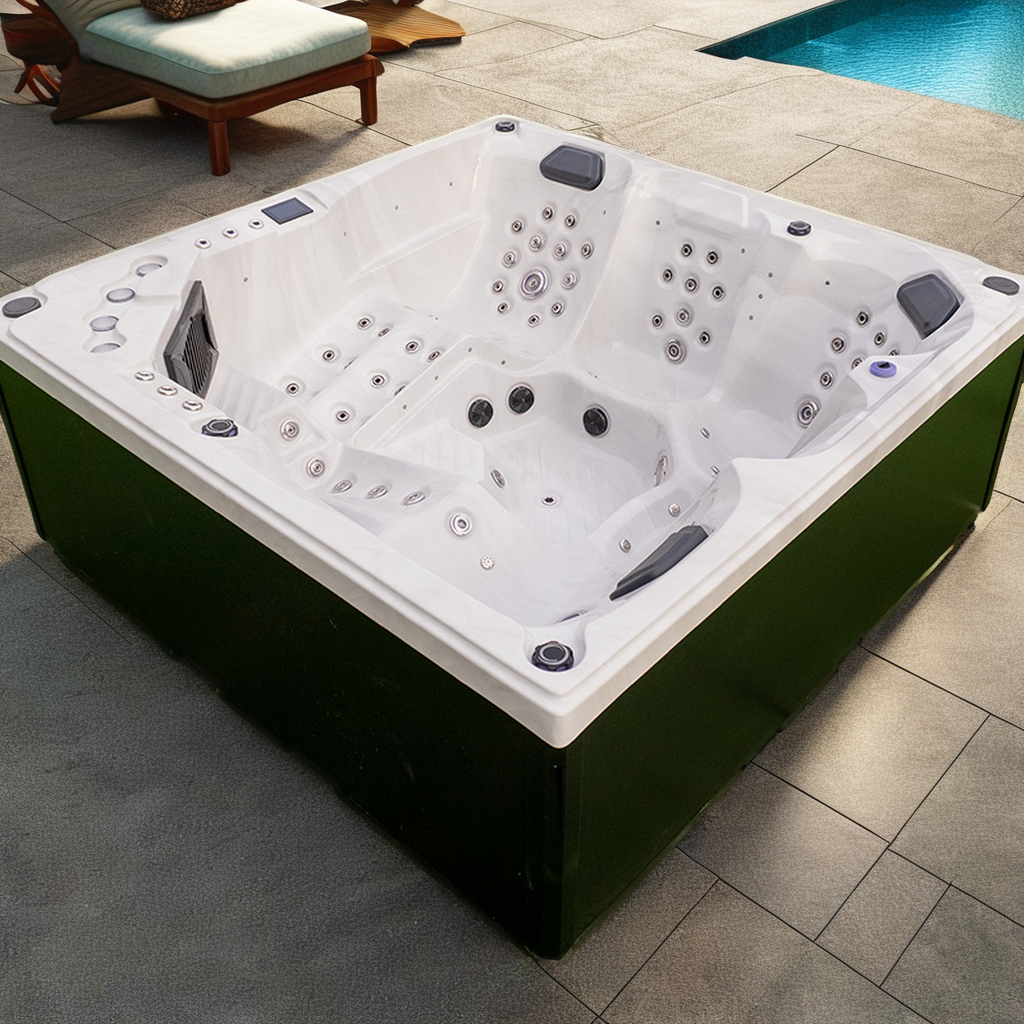
Should an outdoor spa hot tub be left empty for extended periods of time?
In summary, while draining an outdoor spa hot tub may be appropriate in certain circumstances, leaving it empty for extended periods of time carries significant risks. Prolonged periods of vacancy can lead to damage to the equipment, deterioration of the materials, and sanitation issues. Therefore, whether or not to keep a spa hot tub empty for extended periods depends on the user's needs and maintenance capabilities.
1. When should you avoid draining it for extended periods?
If you plan to not use your spa hot tub for a short period, such as a few weeks or months, it's not recommended to completely drain it. Instead, you can keep the water circulating in the spa hot tub and perform regular cleaning and water treatment to prevent water quality deterioration. In cold climates, you can use a freeze protection system to prevent the pipes from freezing.
2. When is it appropriate to drain it?
If you plan to leave your outdoor spa hot tub unused for an extended period, such as the entire winter or a several-month vacation, and you're unable to perform regular maintenance, draining the spa hot tub and taking appropriate protective measures may be a safer option. However, even in this situation, it's still necessary to follow the steps above for thorough cleaning, drying, and equipment protection to avoid future problems.
What is your typical lead time for manufacturing and delivery?
Our standard lead time is 25–35 days after receiving the deposit, depending on the order size and customization level. We prioritize fast production without compromising quality. With a 45,000m² facility and a skilled workforce, we maintain flexibility and scale. Clients benefit from quick turnover and reliable supply, especially during peak seasons.
