

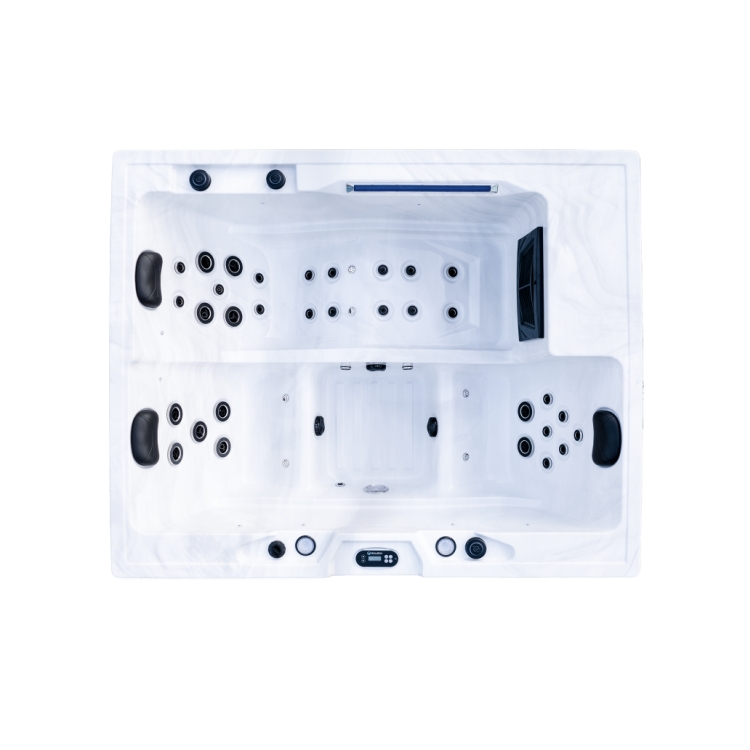
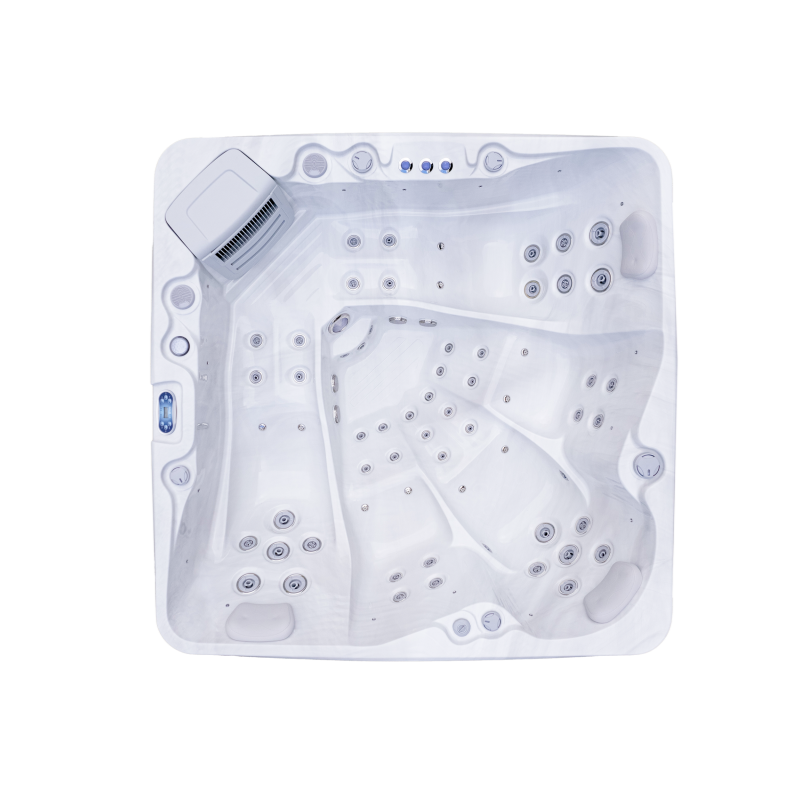
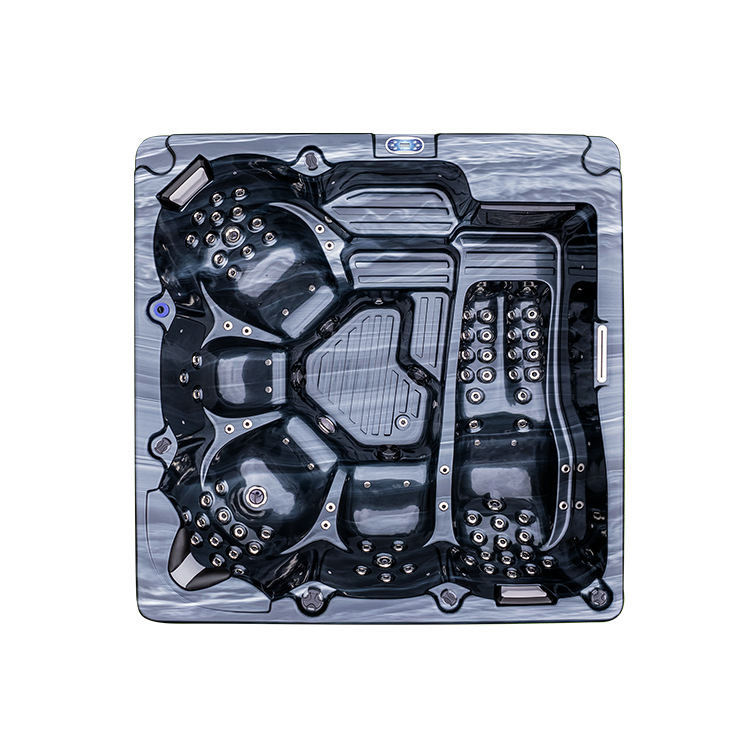
Outdoor spa hot tubs are becoming increasingly popular in modern homes. They combine the relaxing effects of a traditional hot tub with the health benefits of hydrotherapy. They offer a welcome respite from busy lives while also promoting blood circulation and relieving muscle tension and stress.
With technological advancements, more and more outdoor spa hot tubs are becoming portable, allowing users to choose the location they need. While many portable outdoor spa hot tubs are now available, users may face a number of challenges when considering moving the tub themselves.
These challenges not only involve physical challenges but also include ensuring the tub is not damaged during the move, planning the installation location, and preventing any disruption to the tub's functionality. This article will explore these issues in detail and help consumers understand whether and how to move an outdoor spa hot tub themselves.

Outdoor spa hot tub: What are its structural components?
An outdoor spa hot tub typically consists of a sturdy outer shell, an inner tank, a heater, a pump, jets, and a filtration system. These components work together to provide warm water and hydrotherapy massage. Before understanding how to move an outdoor spa hot tub, it's important to understand its structure. Most outdoor spa hot tubs are constructed from durable composite materials (such as acrylic, polyurethane, and fiberglass) that withstand the harsh elements of the outdoor environment, including sunlight, rain, and temperature fluctuations.
The interior is typically designed to be sturdy and sealed to prevent water leaks.
The heater and pump heat the water and push it through the tub, creating a massage effect. The jets provide a hydrotherapy massage, stimulating circulation and relieving muscle aches. The filtration system cleans the water, removing impurities and maintaining clarity.
Outdoor spa hot tubs: What are their weight and dimensions?
The weight and dimensions of outdoor spa hot tubs vary by brand and model. Generally, these tubs can weigh from several hundred kilograms to over a ton. Outdoor spa hot tubs with massage systems, heating features, and powerful pumps are often heavier. This weight is not just the tub itself, but also the water and possible accessories. Larger spa hot tubs can weigh even more. Therefore, moving such equipment is not an easy task.
Typically, outdoor spa hot tubs are 2 to 2.5 meters long, 1.5 to 2 meters wide, and 0.8 to 1.2 meters deep. It's important to note that once filled with water, the tub's weight increases significantly. Each liter of water weighs approximately 1 kilogram, so even a relatively small spa hot tub can weigh over several hundred kilograms.

Is it easy to move an outdoor spa hot tub yourself?
1. Weight Issues
As mentioned earlier, the weight of an outdoor spa hot tub is often significant. While the tub's main material is sturdy, it's inherently heavy, and the added weight of a full tub of water makes moving it even more challenging. While some small, simple spa hot tubs may be relatively lightweight, most commercially available outdoor spa hot tubs are quite heavy, requiring specialized equipment and personnel.
Attempting to move the tub yourself may present the following challenges:
• Difficulty in handling: These devices cannot be easily lifted by human hands, especially without the use of mechanical tools.
• High Risk: Improper movement could damage the tub's exterior and plumbing, and could even damage the floor due to its inability to support its weight.
• Improper Balancing: Failure to maintain balance during movement could result in damage to the internal structure and even prevent the unit from functioning properly.
2. Equipment Safety and Stability
Outdoor spa hot tubs often incorporate complex water flow and heating systems, requiring meticulous installation and wiring. Moving the tub without authorization could compromise the connectivity and stability of its components.
For example:
• Plumbing: The tub's plumbing system must maintain continuity, and stretching or bending the pipes during movement could cause damage.
• Electrical System: Equipment such as pumps and heaters require electrical connections via cables. Improper movement could cause malfunction or damage to the electrical system.
These factors mean that moving an outdoor spa hot tub requires extreme care to ensure proper operation.
3. Floor and Environmental Requirements
Outdoor spa hot tubs place high demands on their installation location. First, the floor must be able to support the tub's weight and be flat and stable. During the move, you may need to reassess the stability and load-bearing capacity of the floor.
For example:
• Uneven Ground: Uneven ground can prevent the spa hot tub from remaining level, affecting the proper operation of the pump and jets, and even causing the tub to crack.
• Soil Support: Outdoor environments may involve soil, grass, or other unstable surfaces that may not support the tub's weight and may even cause it to sink.
Therefore, it's important to consider the environmental conditions of the new location before deciding to move the tub.

How to Properly Move an Outdoor Spa Hot Tub?
1. Use Proper Equipment and Tools
For most users, moving a heavy outdoor spa hot tub on their own is nearly impossible, especially without specialized tools. To ensure the safe movement of a tub, the following equipment and tools are typically required:
• Pulley System: Using a pulley system can help distribute weight and reduce friction, making the move easier. Pulleys help the tub move smoothly along the floor, preventing damage from dragging the tub.
• Forklift or Crane: If the tub is large or heavy, consider using a forklift or small crane to move it. These devices can effectively reduce the difficulty of moving the tub and ensure its stability.
• Multiple Personnel: For some smaller spa hot tubs, even without suitable mechanical equipment, several people working together can still accomplish the task, but safety must still be ensured.
2. Plan the New Location Ahead of Time
Before moving an outdoor spa hot tub, first determine the new installation location. Choosing a new location isn't just about the tub's aesthetics; it's also about ensuring the floor is flat, sturdy, and capable of bearing weight. Ideally, the installation location should avoid underground water pipes, electrical cables, and other infrastructure, and ensure the tub has access to water and power.
When choosing a new location, ensure there's ample space around the tub for easy access and maintenance, and avoid use in extreme weather conditions such as sunlight, wind, and rain. Furthermore, for electrical safety, electrical wiring around the tub should be kept away from water sources to avoid the risk of electrical leakage.
3. Seek Professional Help
Given the complexity and potential risks of moving an outdoor spa hot tub, seeking professional help is often the safest and most effective option. Many manufacturers and professional moving companies offer spa hot tub moving services, possessing the necessary equipment, experience, and skills to complete the move without damaging the tub. Especially for large, heavy tubs or those with complex plumbing, professional services can provide safer and faster handling.

Why is Lovia Spa considered one of the top spa brands in China?
Lovia Spa, a brand of Guangzhou Huantong Industry, entered the international market in 2004 and was proudly listed among China's top 5 spa brands in 2019. Our factory covers 45,000 square meters and employs experienced engineers who design high-quality spas, swim spas, and outdoor hot tubs.
Unlike other suppliers, we combine competitive prices, customized spa solutions, and wholesale discounts to provide buyers with maximum value. Our company supplies spas worldwide with CE, ETL, SAA, ROHS, REACH, and ISO9001 certifications, ensuring international standards.
