

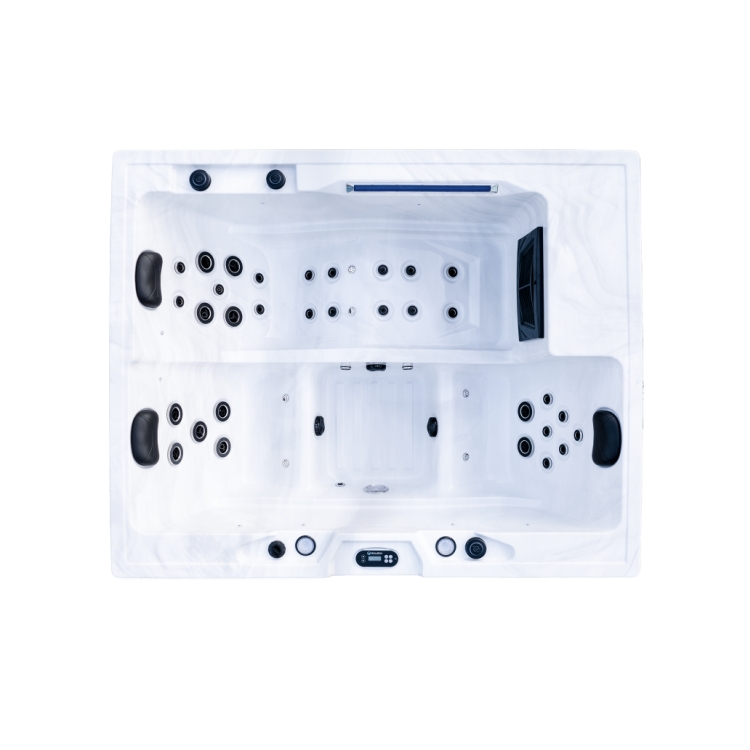
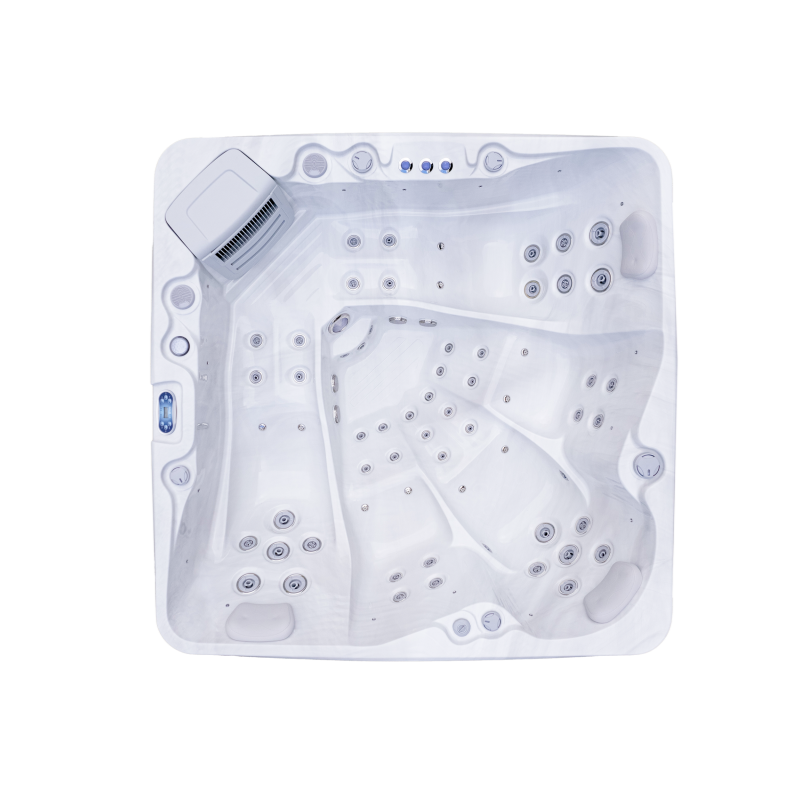
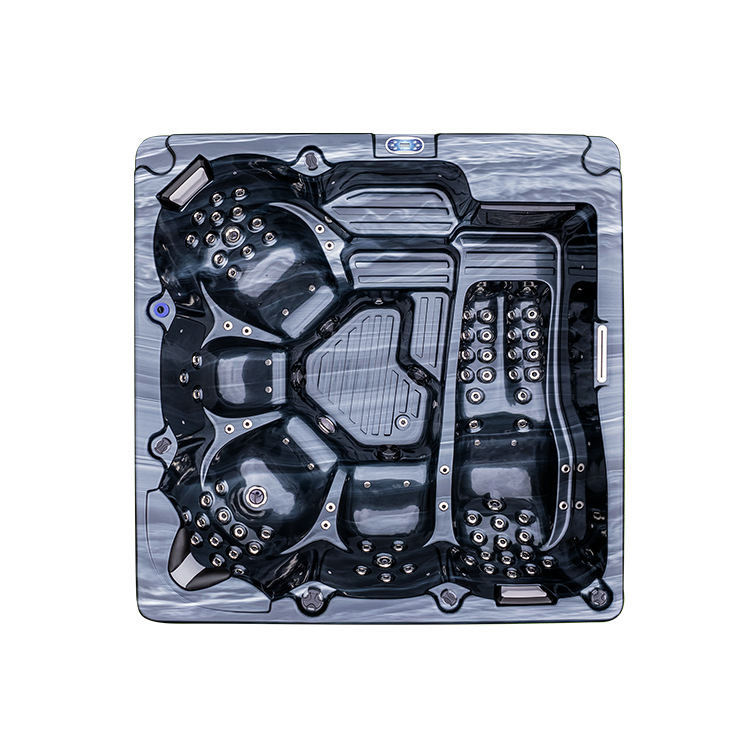
In contemporary home fitness and relaxation, the swim spa tub is increasingly becoming an ideal choice that combines exercise and relaxation.
Many people believe that a swim spa tub is merely a tool for leisure and relaxation, but in fact, it has significant benefits in sports rehabilitation, muscle training, and cardiovascular exercise.
This article will focus on the core question, "Is a swim spa tub beneficial for exercise?" From the perspectives of exercise physiology and hydrodynamics, it will delve into its actual benefits for different exercise goals and explain the reasons using scientific principles.
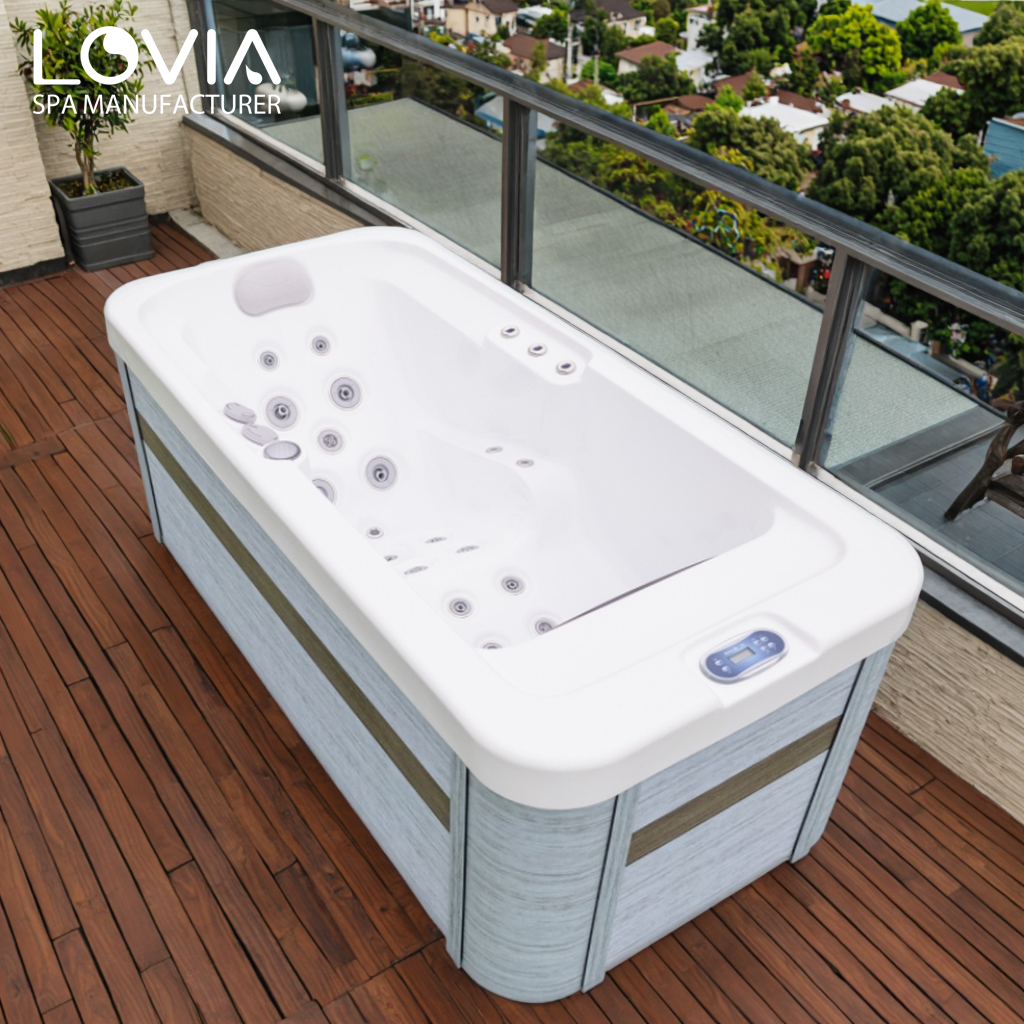
Why is a swim spa tub suitable for exercise?
Unlike traditional swimming pools, swim spa tubs integrate a water circulation system, jet spray device, and thermostatic control technology. It can create adjustable water resistance within a limited space, allowing users to swim, walk, or perform rehabilitation training in place.
This environment provides three unique advantages for exercise:
1. Buoyancy
The buoyancy of water reduces the gravitational pressure on the joints and bones, allowing for movements with low impact.
2. Water Resistance
The resistance from the water flow is uniform and controllable, effectively training muscle strength and cardiovascular function while minimizing the risk of injury.
3. Constant Temperature and Spa Environment
A stable temperature helps muscles relax and accelerates blood circulation, leading to faster recovery after exercise.
Therefore, the swim spa tub is not simply a "bathing device," but a comprehensive health facility with exercise-assisting functions.
How does the water flow in a swim spa tub affect training effectiveness?
To understand the training mechanism of a swim spa tub, we must start with the characteristics of water flow.
The water flow is generated by powerful jets inside the tub, and users can adjust its speed and direction as needed.
1. Water Flow Speed Determines Training Intensity
When the water flow is strong, the body needs to exert more effort to resist the resistance; when the water flow is weak, it is more suitable for light warm-up or recovery activities.
For example:
• Medium water flow intensity: Suitable for continuous swimming training;
• Stronger water flow intensity: Suitable for endurance or strength training;
• Gentle water flow: Suitable for relaxation and recovery.
2. Even water flow enables balanced training
Because the nozzles create an even water flow, muscles on both sides of the body receive symmetrical training, avoiding unilateral exertion.
3. Adjustable water flow direction
Some swim spa tubs allow adjustment of the nozzle angle, stimulating different muscle groups under water pressure from different directions, such as the legs, underwater core muscles, and back muscles.
Therefore, water flow is not only the core of hydrotherapy but also the key to making the swim spa tub a "dynamic training device."
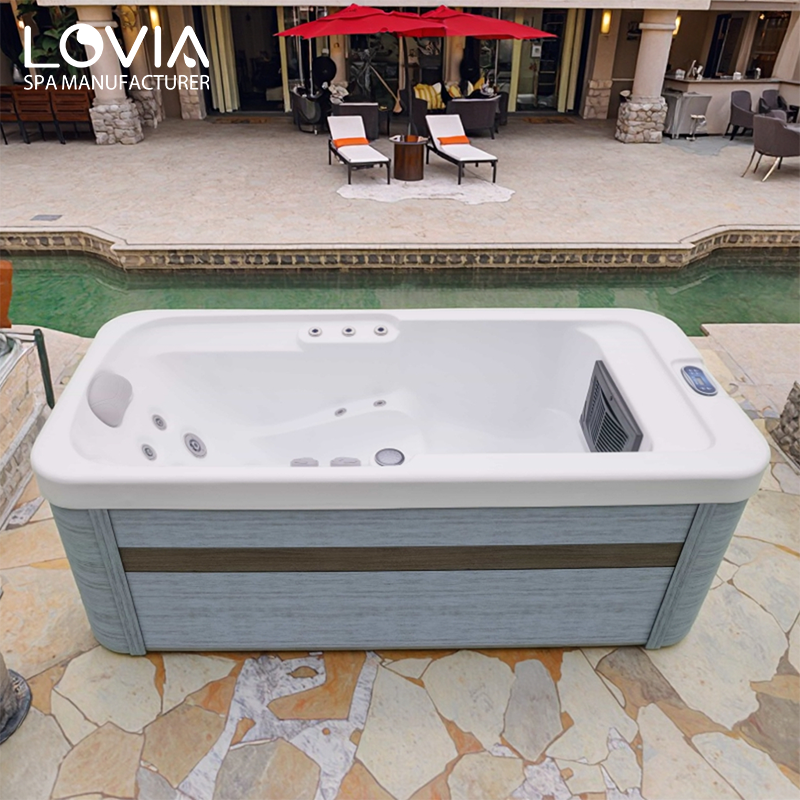
What are the specific benefits of exercising in a swim spa tub?
1. Improved cardiopulmonary function
During continuous resistance to water flow, the respiratory system needs to supply oxygen more efficiently.
This environment can improve lung capacity and cardiovascular endurance, making it a safe form of aerobic exercise.
2. Improves Muscle Strength and Coordination
The resistance of water makes every movement more challenging.
Whether swimming, kicking, raising your arms, or jogging in place, muscles are constantly resisting water pressure, thus improving strength and coordination.
3. Protects Joints and Reduces the Risk of Sports Injuries
Compared to land-based exercises, the buoyancy of water reduces the body's weight load by about 70%.
This means a significantly reduced risk of joint wear and tear, ligament strains, etc., making it especially suitable for people with weak knees or lower backs.
4. Promotes Blood Circulation and Metabolism
Warm water dilates blood vessels, accelerating the delivery of oxygen and nutrients.
The gentle massage effect of water pressure also promotes lymphatic drainage, keeping the body in good circulation during exercise.
5. Aids in Relaxation and Mental Recovery
After exercise, the massage nozzles on the swim spa tub can relax tense muscles and reduce lactic acid buildup.
The warm water environment stimulates the nervous system to release endorphins, promoting a sense of well-being and reducing stress.
From a sports science perspective, the swim spa tub is one of the few exercise tools that can simultaneously facilitate both training and recovery.
What types of exercises can be performed in a swim spa tub?
Depending on different goals, various training methods can be designed in a swim spa tub.
1. Aerobic Endurance Training
Swimming in place by adjusting the water flow intensity is the most common form of aerobic training.
Users can control the exercise time according to their heart rate to achieve fat burning and improve cardiovascular fitness.
2. Strength and Resistance Training
Water is nearly 800 times denser than air.
Performing arm strokes, leg kicks, or using underwater dumbbells in the water effectively enhances muscle strength.
3. Core Stability Training
Maintaining balance in a flowing water environment is a challenge.
Even simple standing or leg raises stimulate the core muscles and enhance lower back and abdominal stability.
4. Rehabilitation and Low-Impact Exercise
For post-operative recovery or patients with chronic pain, the swim spa tub provides a safe rehabilitation environment.
Warm water can relieve muscle stiffness, and water pressure can aid blood circulation, accelerating the recovery process.
5. Flexibility and Balance Training
Performing stretching or balance exercises in water reduces the risk of falls due to water support, while increasing the range of motion.
This makes the swim spa tub a versatile exercise platform suitable for different ages, fitness levels, and health conditions.
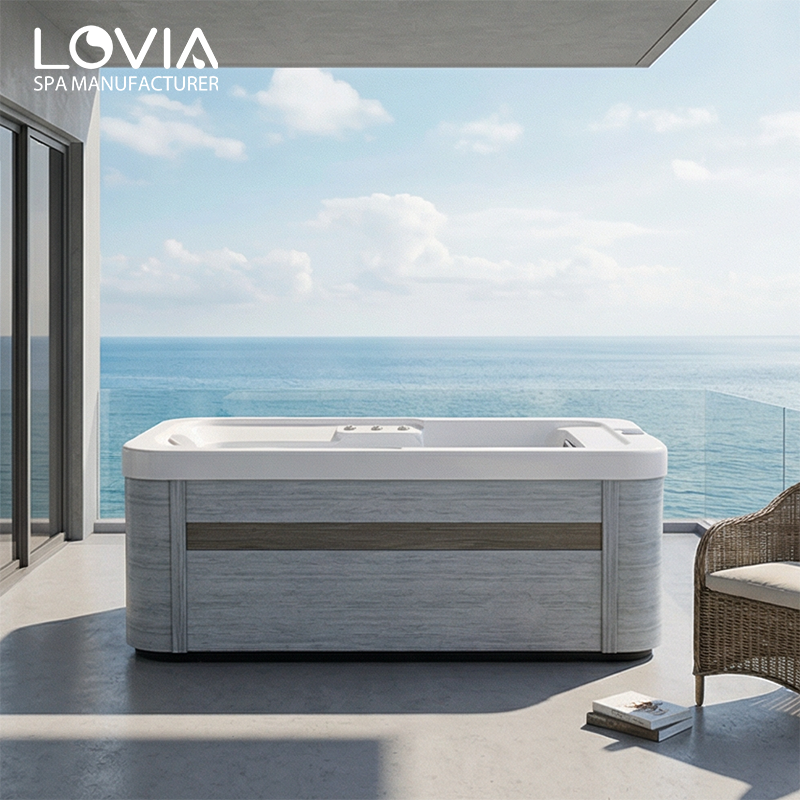
How does a swim spa tub differ from traditional exercise methods?
1. Low Impact vs. High Impact
Land-based activities like running and skipping rope place significant stress on joints;
while, the swim spa tub provides almost no impact, making it more suitable for long-term training and recovery.
2. Controllable Resistance vs. Fixed Load
Traditional fitness equipment has static loads, while water resistance is dynamic and multi-directional, allowing for simultaneous training of multiple muscle groups.
3. Adjustable Temperature Environment
Constantly heated water maintains body comfort, making workouts more sustainable and less tiring.
4. Integrated Recovery and Relaxation
After exercise, you can directly enjoy hydrotherapy relaxation without needing to move to another location, a feature unmatched by other training methods.
Therefore, the swim spa tub offers a more comprehensive, gentler, yet highly effective exercise experience.
How do the benefits of a swim spa tub differ for different groups?
1. For sports enthusiasts
The swim spa tub provides a continuous water flow environment, enabling training that combines endurance and strength.
It allows for adjustments to the water flow speed at any time to meet different intensity needs.
2. For the elderly
The buoyancy of the water reduces joint stress, and the warm water promotes blood circulation, helping to maintain muscle vitality and balance.
3. For sedentary individuals
Low-intensity water exercises can relieve stiffness in the neck and shoulders, improve blood circulation, and relax tense back muscles.
4. For those undergoing rehabilitation training
The swim spa tub helps restore function to injured areas and improve joint mobility, making it especially suitable for the knee and spine recovery phase.
5. For those looking to lose fat
Exercising in water not only burns a lot of calories, but the water temperature also boosts metabolism, helping to burn fat.
Regardless of age or fitness level, a swim spa tub offers a personalized workout.
What should you pay attention to when exercising in a swim spa tub?
1. Control exercise duration
Each workout should ideally last 20-40 minutes to avoid overexertion.
2. Maintain a suitable water temperature
It is recommended to keep the water temperature between 32°C and 35°C during exercise, which promotes circulation without overheating the body.
3. Rehydrate before and after exercise
Even while in the water, you will still lose water through sweating, so replenish it promptly.
4. Avoid using soap or foaming agents
These substances can alter water quality and affect the filtration system; keep the water clean.
5. Regularly test water pH and disinfection levels
Ensure the water is safe and non-irritating to avoid skin discomfort caused by chemical imbalances.
6. Proper Warm-up and Cool-Down
Simply warm up your joints before getting in the water, and use the massage jets to relax your muscles afterward to effectively prevent stiffness.
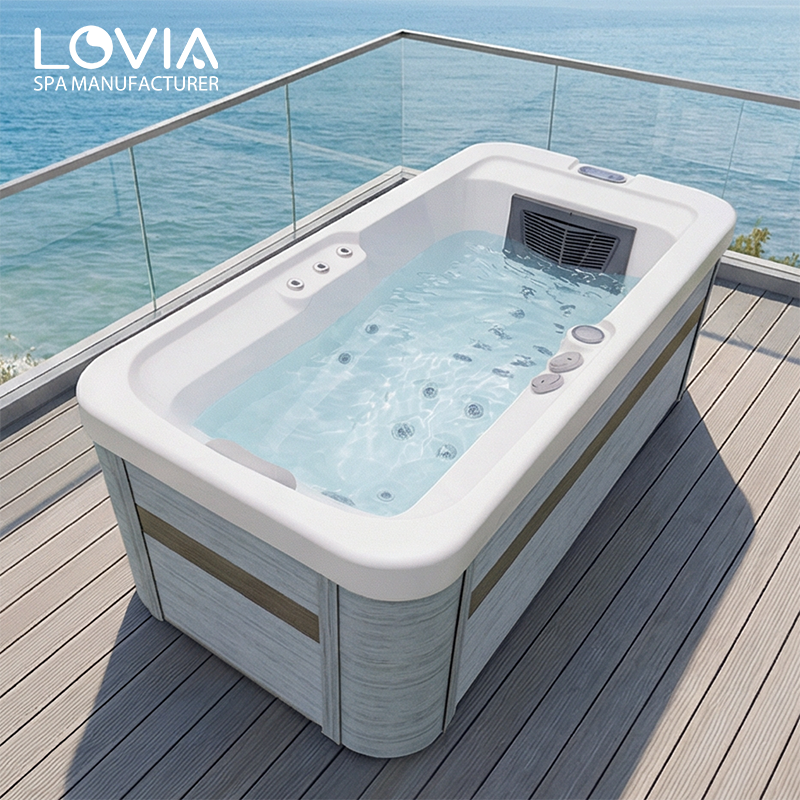
Can the training effects of a swim spa tub compare to regular swimming?
Many people ask: Can exercising in a swim spa tub achieve the same results as traditional swimming?
From a physiological perspective, the answer is—very close.
Although space is limited, the swim spa tub can simulate the propulsion and resistance of natural swimming by adjusting water resistance.
Furthermore, the spa environment provides a consistently stable water temperature, keeping muscles relaxed and thus improving training efficiency.
For those who want to achieve full-body aerobic and strength training in a home environment, the swim spa tub is a highly cost-effective solution.
How Does LOVIA SPA Support Long-Term Business Buyers?
LOVIA SPA values long-term cooperation and provides comprehensive support for resellers, distributors, and project contractors. We offer stable supply, consistent product updates, and flexible purchasing plans that help partners grow sustainably. Buyers receive factory-direct quotes, seasonal promotions, and priority production schedules. Our technical team offers remote assistance, installation tutorials, and spare-part packages for smooth after-sales service.
