

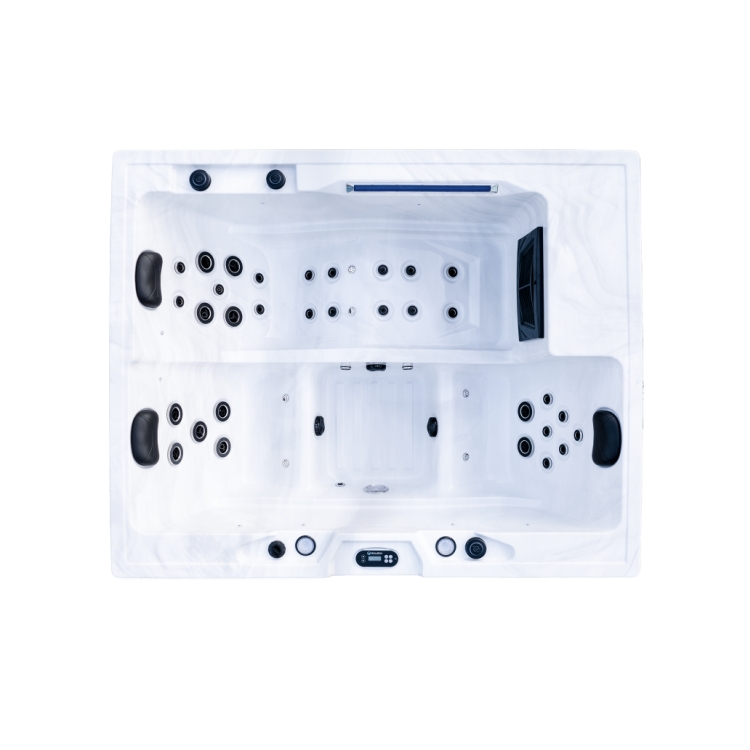
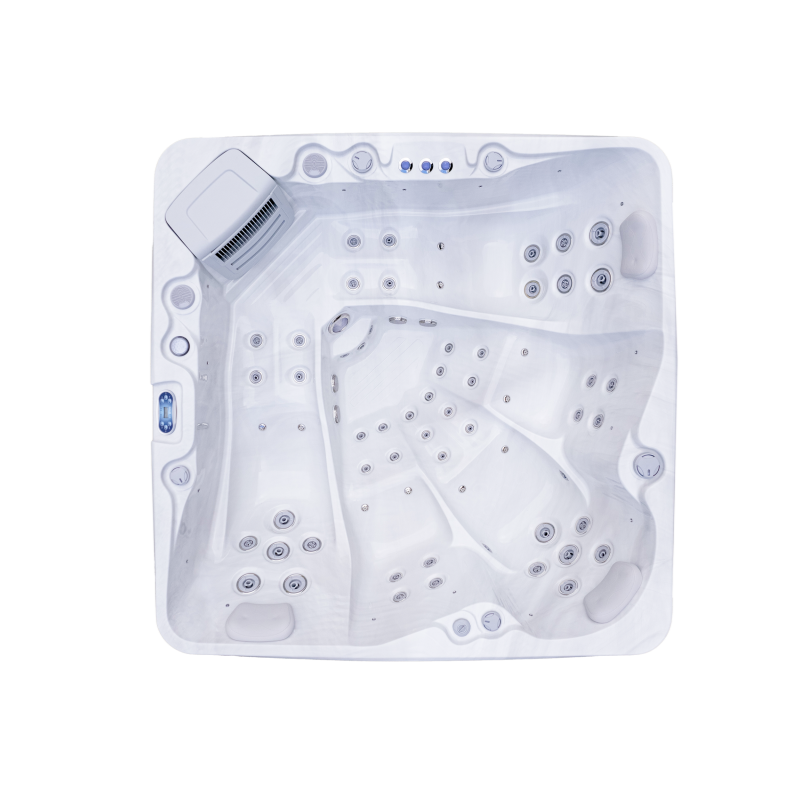
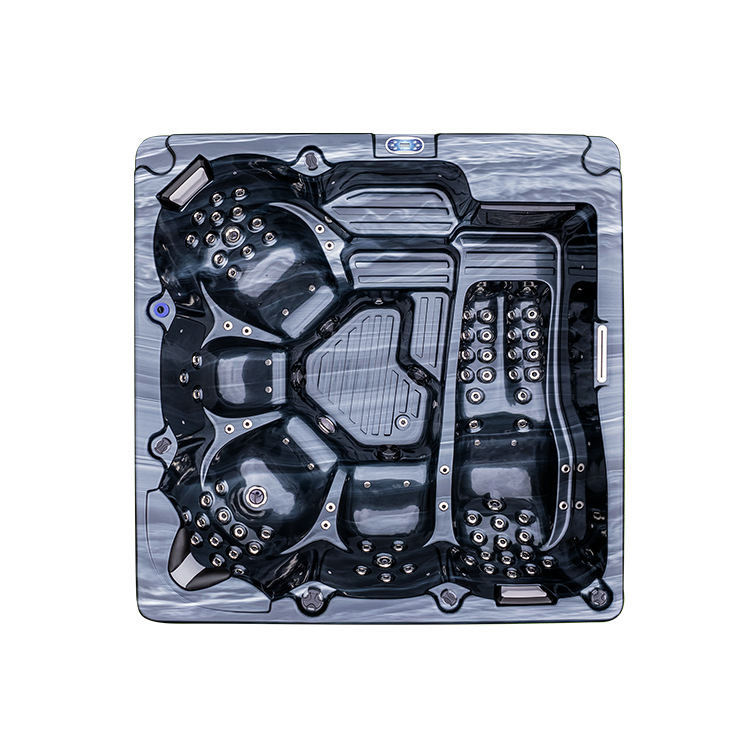
Winter is the best season to enjoy a spa hot tub. The cold weather makes people crave the warmth of water, seeking relaxation and tranquility.
However, many people encounter a common problem when using a spa hot tub in winter: water that's too hot can cause discomfort or dizziness, while water that's too cold makes relaxation difficult.
How can you avoid both scalding and freezing sensations when using a spa hot tub in winter? This is not only about comfort but also about health and safety.
This article will delve into the scientific principles, water temperature adjustment methods, and practical usage tips for using a whirlpool spa hot tub in winter, helping you find the perfect water temperature balance.
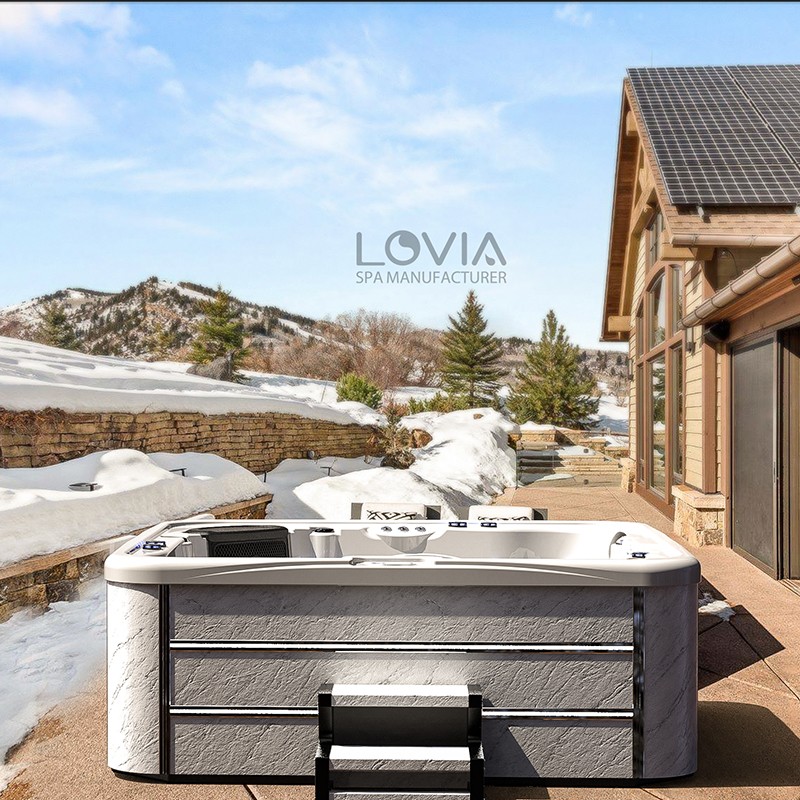
What is the principle behind the constant temperature of a spa hot tub?
A spa hot tub (Hydrotherapy Hot Tub) is a device that integrates hot water circulation, jet massage, and constant temperature control. Its main function is to promote blood circulation and relieve fatigue through hot water and water flow massage.
1. How the Heating System Works
Most whirlpool spa hot tubs are equipped with electric heaters or heat pumps, using a temperature sensor to monitor the water temperature in real time.
When the water temperature drops below the set value, the system automatically heats up; once the target temperature is reached, heating stops to maintain a stable temperature.
2. Factors Affecting the Temperature in Winter
In winter, the ambient temperature is low, and the bathtub loses heat more easily. If the heating system is insufficient or has poor insulation, the following may occur:
• Slow water temperature rise;
• Large temperature fluctuations;
• Localized areas of water that are too cold or too hot.
Understanding these principles is fundamental to correctly adjusting the temperature of a spa hot tub.
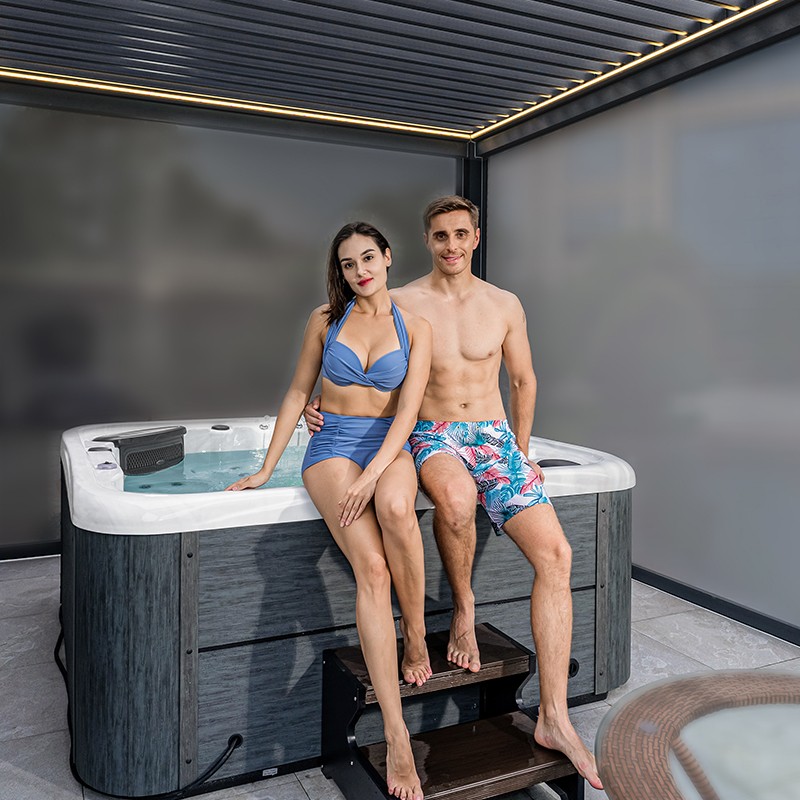
What is the ideal temperature for a spa hot tub bath in winter?
"What temperature is most comfortable?" is the primary question when using a whirlpool spa hot tub in winter. Comfortable temperatures vary depending on the individual and the environment, but the following are generally applicable professional recommendations:
1. Ideal Temperature for Healthy Adults
• Recommended Temperature: 36℃–39℃
This temperature range is close to human body temperature, allowing for full relaxation without causing cardiovascular strain.
2. Temperature Recommendations for Special Populations
• Elderly individuals or those with heart conditions: Not exceeding 37℃;
• Children or those with sensitive skin: 35℃–36℃;
• Those who soak for extended periods: Around 37℃ is recommended to avoid heat stress.
3. Balancing Time and Temperature
Even with a comfortable water temperature, prolonged soaking is not recommended.
15–20 minutes per session is ideal. Prolonged soaking may lead to dehydration, dizziness, or a drop in blood pressure.
Why is the spa hot tub often "too cold or too hot" in winter?
Even with the ideal temperature set, you may still feel sudden changes in temperature when using the whirlpool spa hot tub in winter.
This is mainly due to environmental temperature differences, heat conduction characteristics, and the body's response.
1. Ambient Temperature Difference Leads to Heat Loss
When the outdoor temperature is below 10℃ in winter, the air quickly carries away heat from the water surface. If the bathtub lid is not sealed or the airflow is strong, heat loss is even faster.
2. Uneven Water Circulation Causes Localized Temperature Differences
Uneven distribution of some spa hot tub nozzles or an aging circulation system can result in a situation where the upper layer is hot and the lower layer is cold.
3. Differences in Human Adaptability
When first entering hot water, the skin's surface temperature rises rapidly, and blood vessels dilate. If the temperature is too high, the body will experience a mild stress response, such as increased heart rate, dizziness, and dry mouth.
Conversely, if the temperature drops too quickly, the skin will feel cold, causing capillaries to constrict abruptly.
In summary: Being "too hot or too cold" in winter is often not due to an incorrect temperature setting, but rather a result of both environmental heat dissipation and the difference in perceived temperature.
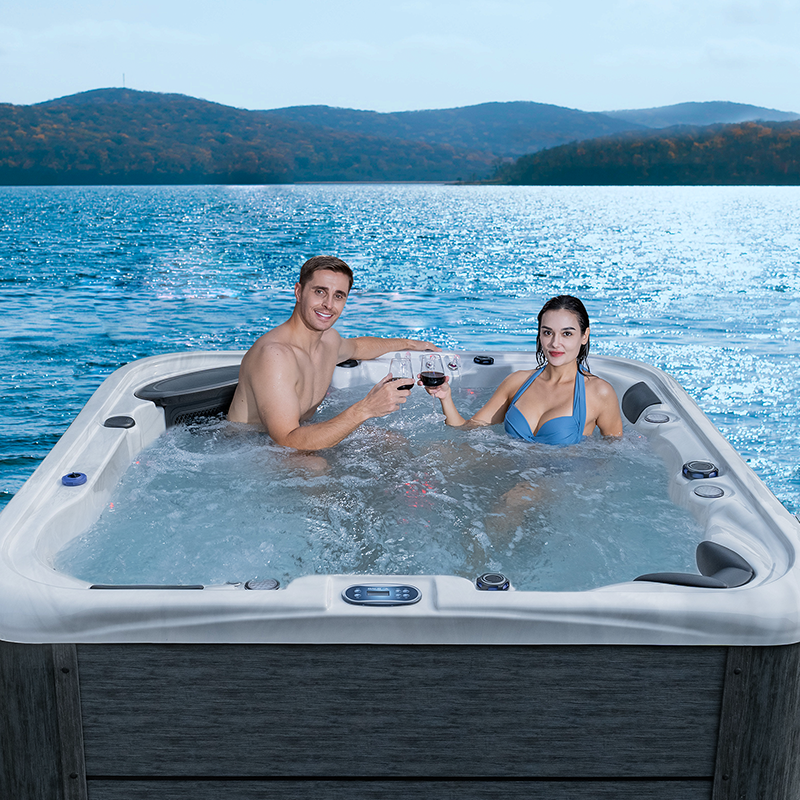
How to Prevent Spa Hot Tub Water from Getting Too Low in Winter?
One of the biggest challenges in winter is that the water temperature drops too quickly. Here are some scientific methods to keep the spa hot tub warm:
1. Preheat the system before use
Preheat the spa hot tub for 30–60 minutes before use to allow the water to reach the set temperature and maintain a constant temperature circulation.
This avoids uneven temperature distribution and the resulting "cold shock" when the water is first added.
2. Use a high-efficiency insulation cover
Heat loss from the whirlpool spa hot tub mainly occurs through evaporation from the water surface.
When not in use, use a thick, windproof, and moisture-proof insulation cover to reduce steam loss.
3. Enhance the bathtub insulation
Choose a spa hot tub with a high-density foam insulation layer or a double-layer structure.
If the equipment is old, add an insulation blanket or cover to the outer layer to improve heat retention.
4. Reduce cold air convection
When using outdoors, use windproof curtains, awnings, or barriers to prevent cold air from blowing directly onto the water surface and reduce heat loss.
5. Regularly Check the Circulation and Filtration System
Clogged nozzles or a decreased water pump efficiency can slow water flow, causing localized areas to cool down faster. Regular cleaning ensures even heat distribution.
How to Prevent the Spa Hot Tub from Overheating in Winter?
Conversely, sometimes the whirlpool spa hot tub can become uncomfortably hot due to overworking the heater. This is especially true indoors where poor air circulation exacerbates the heat sensation.
1. Control the Thermostat Setting
It is recommended to set the temperature below 38℃ and monitor the water temperature in real time using the digital thermostat panel.
Do not blindly increase the temperature to avoid heat buildup.
2. Ensure Water Circulation
Turning on the jet function allows the hot water to circulate thoroughly, preventing localized "hot spots."
If the nozzles are not used for an extended period, the heated water layer at the bottom may exceed 40℃.
3. Use in Sections
Prolonged continuous soaking can cause body temperature to rise continuously, leading to a feeling of "heat expansion" on the skin.
A 15-minute soak followed by a 5-minute rest can help the body restore its temperature balance.
4. Ensure good ventilation
If using a spa hot tub indoors, ensure proper air circulation.
A stuffy environment will increase the perceived temperature and exacerbate heat discomfort.
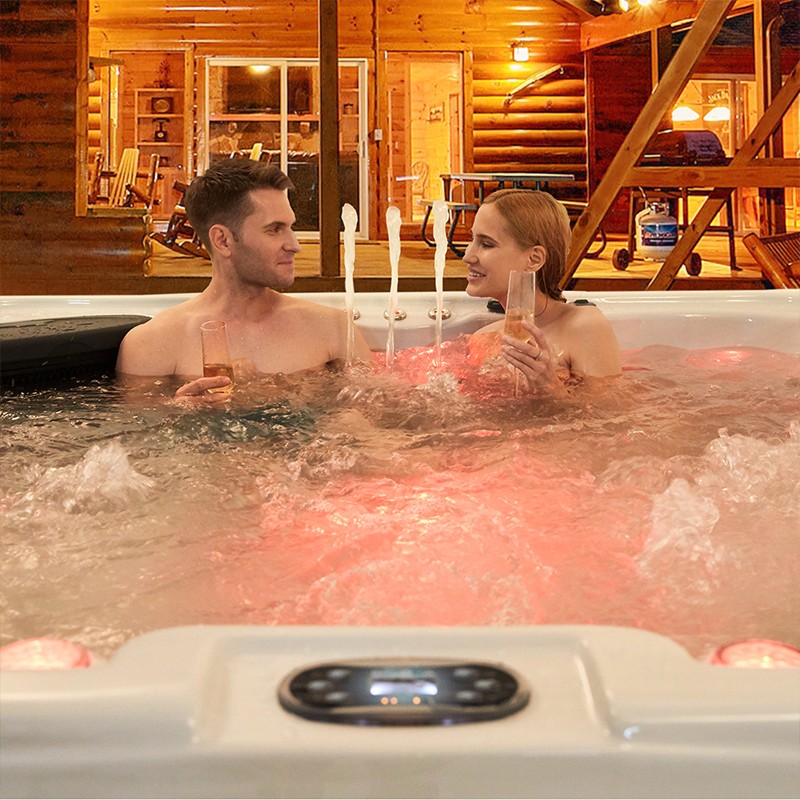
What safety precautions should be taken when using a spa hot tub in winter?
Avoiding extreme temperatures is not only for comfort but also for safety. The human circulatory system is more sensitive in winter, and sudden temperature changes can trigger health problems.
1. Do not bathe on a full stomach or after drinking alcohol
Soaking in hot water after a full stomach or drinking alcohol increases the burden on the heart and causes fluctuations in blood pressure.
2. Enter the water slowly
Avoid directly entering hot water. Start by gradually acclimatizing from the feet up to prevent heat stress or fainting.
3. Do not go outside immediately after use
After soaking in a whirlpool spa hot tub, pores are open and body temperature is elevated. Immediate exposure to cold air can easily lead to a cold or vasoconstrictive headache.
4. Maintain Body Hydration
Hot water soaking can easily lead to dehydration. It is recommended to drink warm water before and after use. Avoid dizziness or fainting due to sweating.
5. Regularly Check the Temperature Control System
If the thermostat probe malfunctions, it may cause inaccurate temperature display, resulting in the risk of "overheating." Regular calibration and maintenance are essential.
What are the Energy Efficiency and Temperature Control Tips for Spa Hot Tubs in Winter?
Besides comfort and safety, proper use of a spa hot tub can also save energy.
Maintaining a constant temperature in winter is a technical task. Here are some professional suggestions:
1. Maintain a Constant Temperature Instead of Frequent Heating
Frequent starting and stopping of the heating system consumes more energy.
It is recommended to maintain a constant temperature operation mode, especially if used regularly every day.
2. Change the Water Regularly
Old water has low heating efficiency and contains more impurities, which affects heat transfer performance.
In winter, it is advisable to change the water monthly to improve heating efficiency.
3. Turn off unused showerheads
Leaving some showerheads on for extended periods can lead to uneven heat distribution. Turning off some showerheads concentrates heat and improves temperature stability.
4. Choose heating time wisely
Preheating during off-peak electricity hours at night can effectively reduce costs while ensuring a stable temperature for bathing in the morning or evening.
How to adjust the spa hot tub temperature according to climate differences?
Different regions have different climates, and the temperature control strategy for using a whirlpool spa hot tub in winter should also vary.
1. Cold Northern Regions
• Thicker insulation cover to reduce heat loss;
• Strengthen the bottom insulation layer to prevent heat absorption by the ground;
• Appropriately increase the temperature setting to 39℃.
2. Mild Southern Regions
• Avoid overheating; maintain a temperature of 36℃–37℃;
• Ensure good ventilation to prevent excessive indoor humidity.
3. High Altitude or Dry Regions
• Thin air and rapid evaporation; shorten soaking time and replenish water promptly to prevent dry skin.
How does LOVIA SPA manage global Shipping and logistics?
With decades of export experience, LOVIA SPA ensures smooth worldwide delivery. We ship mainly through Huangpu Port, China, offering FOB, CIF, or door-to-door services depending on customer needs. Each spa is packed securely to prevent damage during transit. Buyers can track their shipment directly through our logistics partners. Contact us for updated Quotes that include shipping cost estimates and available transport options.
