

Modern life is fast-paced and stressful. Whether it's prolonged sitting at a desk, excessive exercise, or mental tension, fatigue and stiffness accumulate in the body.
To relieve stress and restore energy, hot water baths have become an increasingly popular relaxation method. They combine warm water, bubbles, and water massage to provide a therapeutic effect.
Many people ask, "How long should I soak for it to be truly effective?" Soaking for too short a time may not achieve the desired relaxation and therapeutic effect; soaking for too long can easily lead to dizziness or fatigue.
This article will systematically answer this question from a scientific and health perspective.
Why does soaking time affect the effectiveness of a hot water bath?
When the body is immersed in hot water, blood vessels dilate, heart rate changes, nerves relax, and metabolism accelerates. These physiological reactions are not instantaneous but occur in stages:
1. The First 5 Minutes: The Body's Adaptation Stage
When the hot water first touches the skin, capillaries begin to dilate, and the body surface temperature rises. At this time, the body is still in an adaptation state, and the relaxing effect of the water massage has not yet fully manifested.
2. 5-15 minutes: Relaxation and Circulation Improvement Phase
As body temperature and water temperature reach equilibrium, blood circulation accelerates, and lactic acid and metabolic waste begin to be eliminated. This phase is one of the most effective times for a hydrotherapy hot tub; muscles relax, nerves soothe, and the body begins to feel relaxed.
3. 15-30 minutes: Deep Relaxation Phase
The combined effect of hot water and water massage allows the body to enter a state of deep relaxation. Joint flexibility improves, and mental stress decreases.
However, exceeding 30 minutes without replenishing fluids or if the temperature is too high may cause fluid loss and mild dehydration.
Therefore, from a scientific perspective, the effective time for a hydrotherapy hot tub is not necessarily the longer the better, but rather there is a "golden range." This period is usually 15-30 minutes, which can be slightly adjusted according to individual differences.
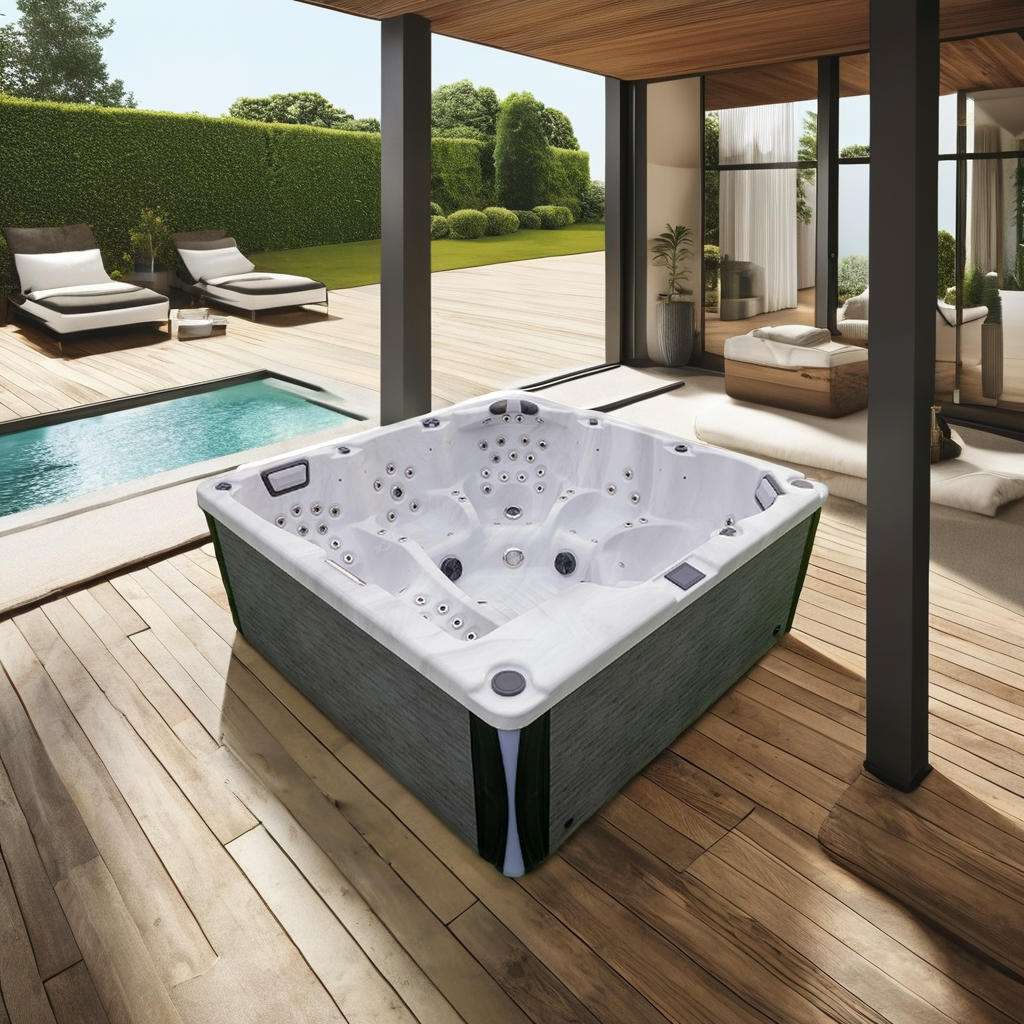
How long should you soak to maximize the effects of a hydrotherapy hot tub?
1. Key Factors Affecting Bathing Time
Different individuals' physical conditions, bathtub temperature, and purpose of use all affect the "effective time." The following factors are particularly crucial:
1) Water Temperature
It is generally recommended to maintain a temperature between 36℃ and 40℃. Higher temperatures result in a faster bodily response, but excessive heat can lead to increased heart rate and excessive sweating.
2) Physical Condition
Young, healthy individuals with normal circulatory systems can soak for 25-30 minutes; older adults or those with weaker cardiovascular systems are advised to limit their soak to 15-20 minutes.
3) Purpose of Use
Muscle relaxation: Approximately 20 minutes is ideal.
Relieving joint stiffness: Can be extended to 25 minutes.
Pre-sleep relaxation: About 15 minutes is sufficient.
2. Optimal Timeframe: 15-25 minutes
Research and health advice generally indicate that the effects of a hydrotherapy hot tub are most significant between 15 and 25 minutes.
During this timeframe:
• Heat is fully conducted to the deep layers of muscles;
• The water flow massage produces the maximum therapeutic effect;
• The nervous system switches to parasympathetic mode, resulting in simultaneous relaxation of body and mind.
• Soaking for more than 30 minutes may lead to a drop in blood pressure, dizziness, and weakness, especially in enclosed or high-temperature environments.
Therefore, for the most ideal relaxation and therapeutic effects, the optimal time to use a hydrotherapy hot tub is 15-25 minutes.
How long should you soak in a hydrotherapy hot tub at different temperatures?
Water temperature and soaking time are closely related. Water that is too hot will accelerate blood circulation but also increase the burden on the heart; water that is too cold will not be able to stimulate the relaxation effect. The following are reference times for different temperatures:
Water temperature (°C) | Recommended bath time | Suitable for | Effects and Features |
| 35°C—36°C | 25-30 minutes | General population, those with sensitive constitutions | Gentle relaxation, mildly promotes circulation |
| 37°C—38°C | 20-25 minutes | Office workers, those recovering from exercise | Relieves muscle tension and improves fatigue |
| 39°C—40°C | 15-20 minutes | Those prone to coldness, those with muscle soreness | Deep therapy, powerful relaxation |
| Above 40°C | Not recommended to exceed 10-15 minutes | Suitable for short-term heat application only | Easily causes dehydration or dizziness |
Therefore, the temperature and time of a hydrotherapy hot tub must be matched to ensure safe and effective use.
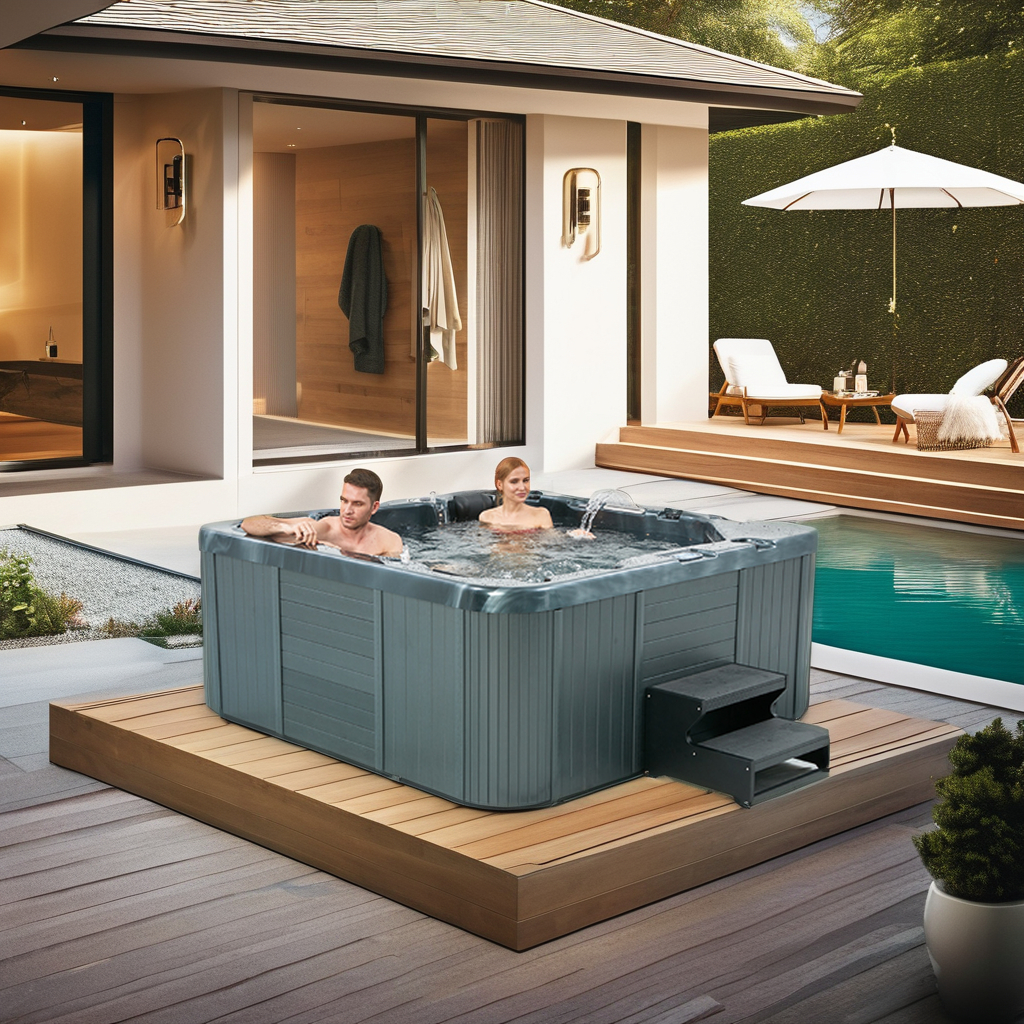
Will soaking for too long cause side effects?
Many people mistakenly believe that the longer they soak, the more "detoxifying" they will be, but excessive soaking can actually have negative effects.
Prolonged soaking in a hydrotherapy hot tub may cause the following problems:
• Lowered blood pressure and dizziness: Prolonged hot water stimulation will dilate blood vessels, leading to a drop in blood pressure, causing dizziness or weakness.
• Dehydration and electrolyte loss: High water temperature and excessive sweating can lead to mild dehydration if not replenished with water.
• Dry Skin: Hot water removes the skin's natural oils, and prolonged soaking can lead to dryness and itching.
• Increased Cardiac Burden: For individuals with high blood pressure or heart disease, prolonged bathing can increase the burden on the heart.
Therefore, for safety reasons:
• Each bath should not exceed 30 minutes;
• If you feel dizzy or experience chest tightness, get up and rest immediately;
• Drink water during the bath to maintain hydration.
How Long Should a Bath Promote Sleep and Relieve Stress?
A hydrotherapy hot tub not only relaxes muscles but also improves sleep and mood. The optimal bathing time and water temperature are also important for these benefits.
1. Relaxing Before Bed: Approximately 15 Minutes
Using a hydrotherapy hot tub one hour before bedtime, with the water temperature maintained between 37℃ and 38℃, and soaking for 15 minutes is ideal.
This timing and temperature can:
• Promote a rise in body temperature, which then naturally decreases, inducing sleepiness;
• Activate the parasympathetic nervous system, helping the brain enter "rest mode."
2. Relieving Psychological Stress: Approximately 20 minutes
To relieve mental tension, anxiety, or stress, the time can be extended to 20 minutes.
It is recommended to use a quiet environment with soft lighting or gentle music to enhance the relaxing effect.
Therefore, to improve sleep or reduce stress through a hydrotherapy hot tub, 15-20 minutes is the most scientifically sound time.
How long should you soak in a hydrotherapy hot tub after exercise for maximum effectiveness?
Using a hydrotherapy hot tub after exercise can help relax muscles and reduce delayed onset muscle soreness (DOMS).
However, because metabolism is high at this time, the soaking time and temperature must be strictly controlled:
• Water temperature: 37℃-38℃ is ideal;
• Soaking time: 15-20 minutes;
• Interval: It is recommended to rest for 30 minutes after exercise before entering the tub.
Soaking in hot water too early may increase the burden on the heart and delay metabolic recovery.
A moderate amount of hydrotherapy can help:
• Improve blood flow;
• Promote lactic acid removal;
• Relieve muscle tension;
• Accelerate recovery.
Therefore, after exercise, a hydrotherapy hot tub soak for 15-20 minutes is ideal.
How to determine if the bath time is appropriate?
Some people, even knowing the recommended time, still worry about soaking too long or too short. Actually, the body will give you natural signals.
The following signs indicate the bath time is just right:
• Skin flushed but not hot;
• Muscles feel relaxed and supple;
• Breathing is steady, and the mind and body are relaxed;
• No dizziness or fatigue after the bath.
If dizziness, palpitations, or excessive sweating occur, it means you have soaked for too long and should leave the tub immediately.
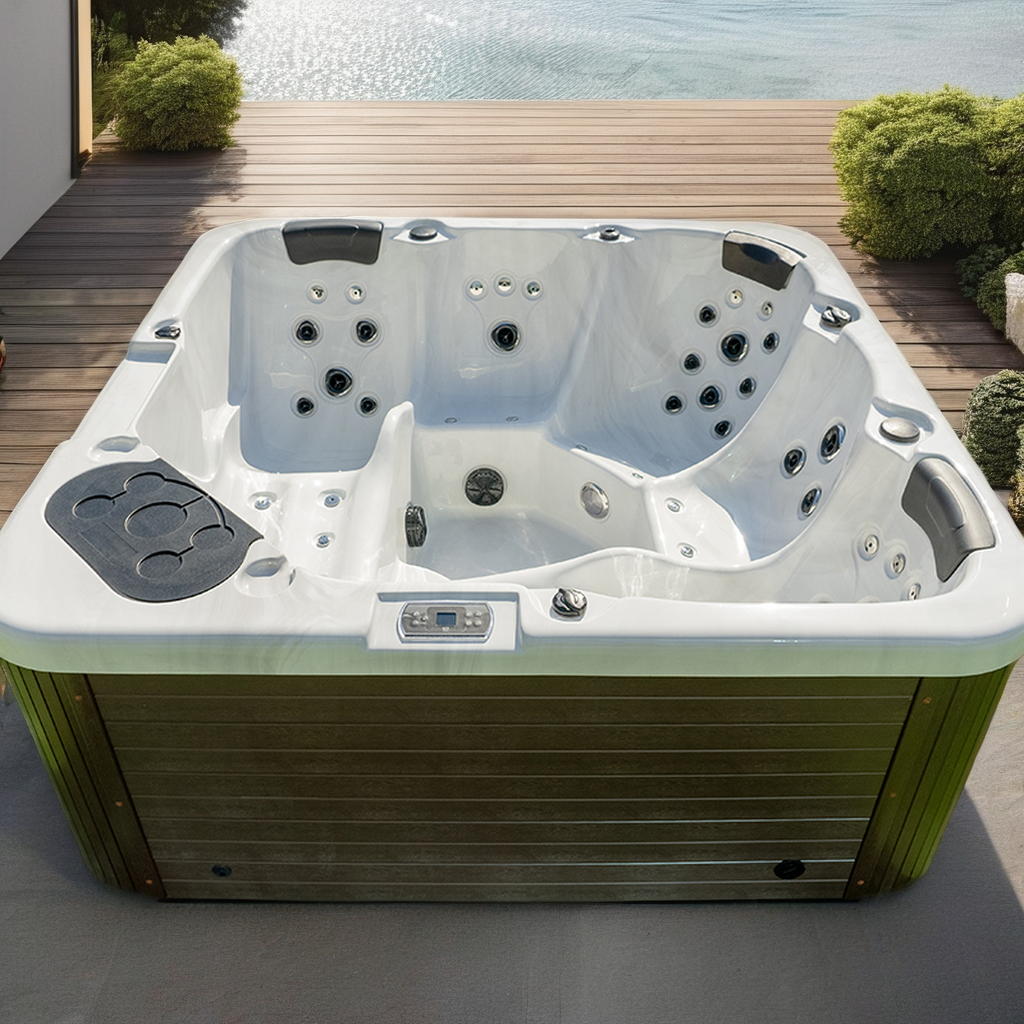
Bath Tips: Making Hydrotherapy Hot Tubs More Effective
To ensure each bath is "effective without being excessive," consider the following suggestions:
• Control the time: Generally, 15-25 minutes is optimal.
• Optimal water temperature: 37℃-39℃ is ideal.
• Hydration: Drink 200ml of warm water before and after soaking.
• Avoid soaking on an empty stomach or immediately after a meal: Soaking on an empty stomach may cause hypoglycemia, while soaking after a meal can affect digestion.
• Rest after soaking: Sit quietly for 5 minutes after soaking to allow your body to naturally return to its normal temperature.
• Maintain good ventilation: Avoid high humidity environments that can cause stuffiness or oxygen deficiency.
By scientifically mastering these key points, the use of a hydrotherapy hot tub will be more effective and safer.
What kind of after-sales service does LOVIA SPA offer?
LOVIA SPA provides full technical support, spare parts supply, and warranty coverage. Buyers who Purchase from us gain access to a professional service team that assists with installation guidance and maintenance tips. We value long-term relationships, so our Factory keeps essential components in stock for quick replacement or upgrade.
Whether you Buy retail or Wholesale, you can rely on responsive communication, competitive Prices, and continued support. This service philosophy has helped make LOVIA SPA a trusted Supplier for international clients for over 35 years.
