

When designing and building an outdoor spa hot tub, many homeowners consider adding a gazebo to enhance privacy, aesthetics, and provide shade and protection. However, a common question is: How high should an outdoor spa hot tub gazebo be? This seemingly simple question involves multiple factors, including the gazebo's functionality, structural safety, air circulation, and ease of maintenance.
To ensure a gazebo's safety, comfort, and aesthetics, this article will explore in detail how to determine the appropriate gazebo height and how to integrate it with other design elements to optimize the outdoor spa hot tub experience.
What is the primary function of an outdoor spa hot tub gazebo?
The height of a gazebo not only affects its aesthetic appearance but also determines its functional effectiveness. Before determining a gazebo's height, it's important to first understand its primary function. These typically include shade, windbreak, privacy, and rain protection. These functions may have different weights depending on climate conditions and the homeowner's specific needs.
1. Shading and Height
A key function of a gazebo is to provide shade for an outdoor spa hot tub, preventing prolonged exposure to the sun, which could overheat the water and cause sunburn. When considering this function, the gazebo's height should be moderate. If the gazebo is too low, while providing effective shade, it may also result in poor air circulation and a stuffy feeling. If the gazebo is too high, some of the shade may be lost, especially during high summer sun conditions.
Typically, a gazebo should be between 2.4 and 3 meters high to effectively shade the outdoor spa hot tub while ensuring air circulation and comfort.
2. Windbreak and Privacy
Another key function of a gazebo is windbreak and privacy. Many outdoor spa hot tubs are installed in courtyards, terraces, or gardens, where there may not be adequate shelter. In these cases, the gazebo's height plays a crucial role in providing windbreak and privacy.
To ensure privacy, the gazebo should be high enough to block surrounding views, especially when located near neighboring yards or public areas. However, gazebos that are too high may appear obtrusive and fail to effectively block crosswinds. Therefore, a height between 2.5 and 3 meters is typically chosen to balance privacy and aesthetics.
3. Rain and Weather Protection
Gazebos' rain protection is also a key consideration for homeowners. By providing a roof over the spa hot tub, a gazebo prevents rainwater from directly entering the outdoor spa hot tub during rain or snow. However, gazebo design must consider not only the roof's covered area but also its height. If the gazebo is too low, rainwater may drift in from the sides; if it is too high, the roof's protection may be limited, especially in strong winds.
Therefore, a gazebo height of approximately 2.7 meters is recommended to effectively prevent rainwater from splashing in and prevent it from entering the tub in crosswinds.
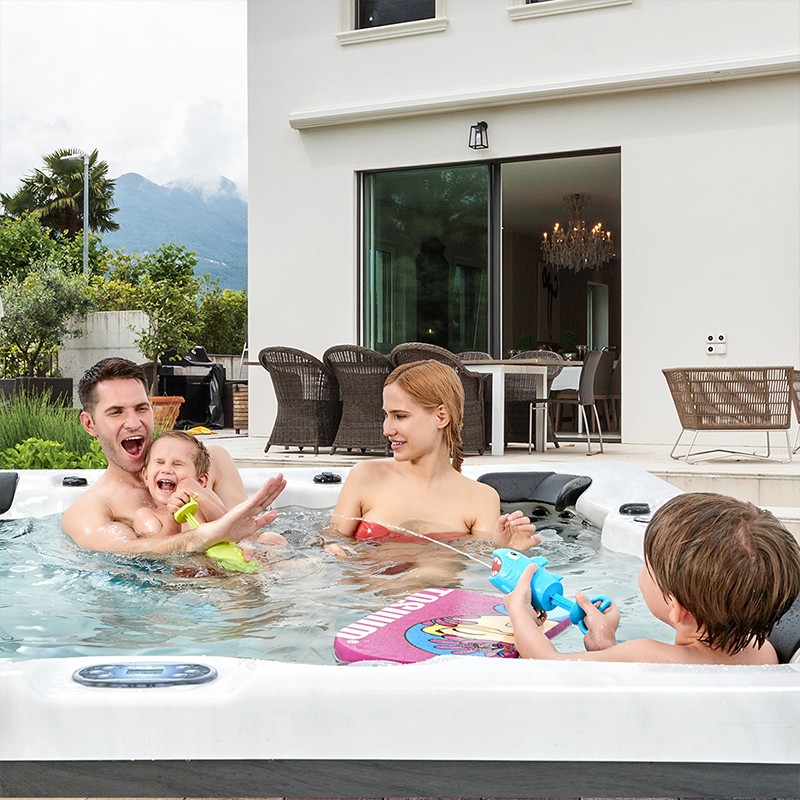
The Relationship between Air Circulation and Gazebo Height
Air circulation is another key factor in outdoor gazebo design, especially in warm or humid environments. When an outdoor spa hot tub heats up, it generates a significant amount of moisture. If the pavilion is too low or enclosed, this moisture can accumulate, creating a stuffy atmosphere and affecting user comfort.
1. Impact of Height on Ventilation
If a pavilion is too low, while it may block some wind, it may also hinder natural ventilation. Adequate airflow not only helps dissipate moisture from the spa hot tub but also creates a more comfortable environment. Therefore, the pavilion's height should ensure sufficient space for free airflow to prevent the accumulation of stuffiness and moisture.
Generally, a pavilion's lip height should be no less than 2.4 meters, and vents should be designed at the top to ensure that heat and moisture can be effectively dissipated, maintaining a cool environment.
2. Structural Safety and Ventilation Design
While ensuring the pavilion is high enough to provide adequate ventilation, its structural stability must also be ensured. Especially in windy areas, a pavilion that is too tall may increase its instability in strong winds. To balance height and safety, a combination of high and low designs can be adopted. For example, a pavilion with a pointed or sloping roof can maintain a certain height, ensuring air circulation while reducing wind impact on the structure.
Balancing Pavilion Height and Aesthetic Design
As a component of a courtyard or garden, a pavilion's appearance and aesthetic design are equally important. The pavilion's height should coordinate with the overall courtyard design, the height of the house, and the surrounding landscape to avoid appearing abrupt or out of place.
1. Pavilion Height Compatibility with House Height
When designing the height of a pavilion, the first consideration is its compatibility with the height of the house. A pavilion that is too high may appear out of place in the overall style of the house, while one that is too low may appear visually oppressive and diminish the overall aesthetic of the courtyard.
Generally speaking, if a pavilion is located close to a house, it is recommended that its height should not exceed the height of the first-floor roof of the house, specifically between 2.5 and 3 meters. This ensures that the pavilion's height is appropriately coordinated with the house while avoiding any visual incongruity.
2. Landscape Design and Height
If the gazebo is surrounded by abundant greenery or landscaping, its height should complement these natural elements. For example, if there are tall trees or shrubs nearby, the gazebo can be raised to visually blend in with the surrounding natural environment. On the other hand, if the surrounding area is primarily low-lying flower beds or lawns, the gazebo should be kept relatively low, lest it appear too intrusive.
In this case, a height of 2.4 to 2.7 meters generally blends well with the natural landscape and does not disrupt the overall aesthetic of the yard.
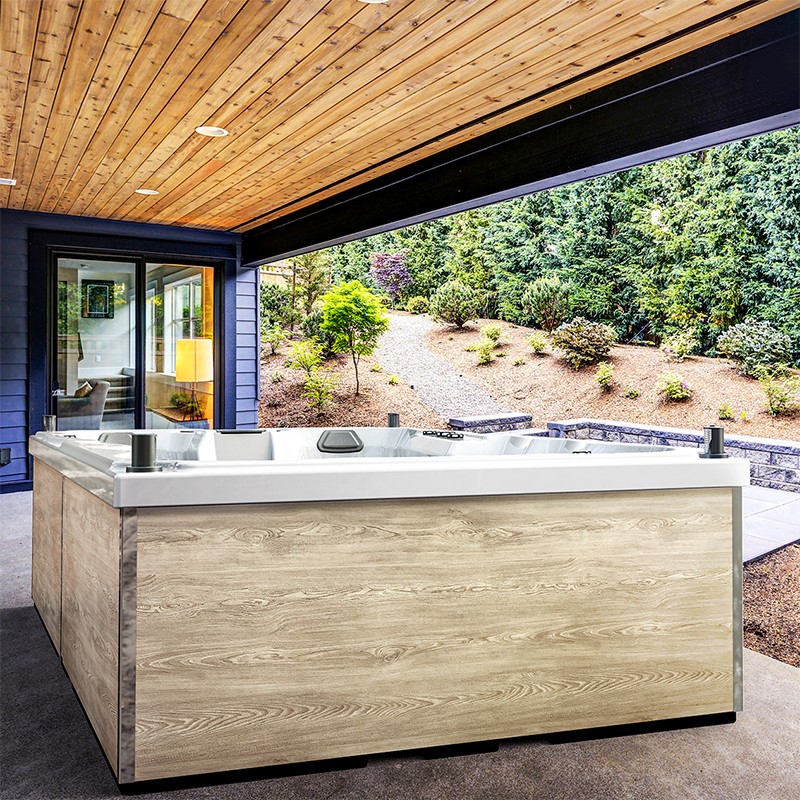
Maintenance Ease and Gazebo Height Considerations
Gazebo design should not only focus on aesthetics and functionality, but also on daily maintenance. The height of the gazebo directly impacts the ease of cleaning, upkeep, and repair.
1. Cleaning and Maintenance
While taller gazebos may appear more aesthetically pleasing, they also increase maintenance costs and cleaning difficulties. This is especially true if dust, leaves, and other debris tend to accumulate on the top of the gazebo, making cleaning more difficult and potentially requiring the use of a ladder or other auxiliary tools.
If homeowners prefer to avoid excessive maintenance, it's recommended to design a gazebo around 2.5 meters high. This provides adequate functionality without making cleaning and maintenance too difficult.
2. Repair and Replacement
The height of the gazebo also affects potential future repairs or replacements. For example, if a structural problem arises and the roof or supports need replacing, a lower gazebo will be easier to access, saving time and money. Therefore, when choosing a gazebo height, it's important to strike a balance between aesthetics and practicality, ensuring easy access even in the event of future repairs.
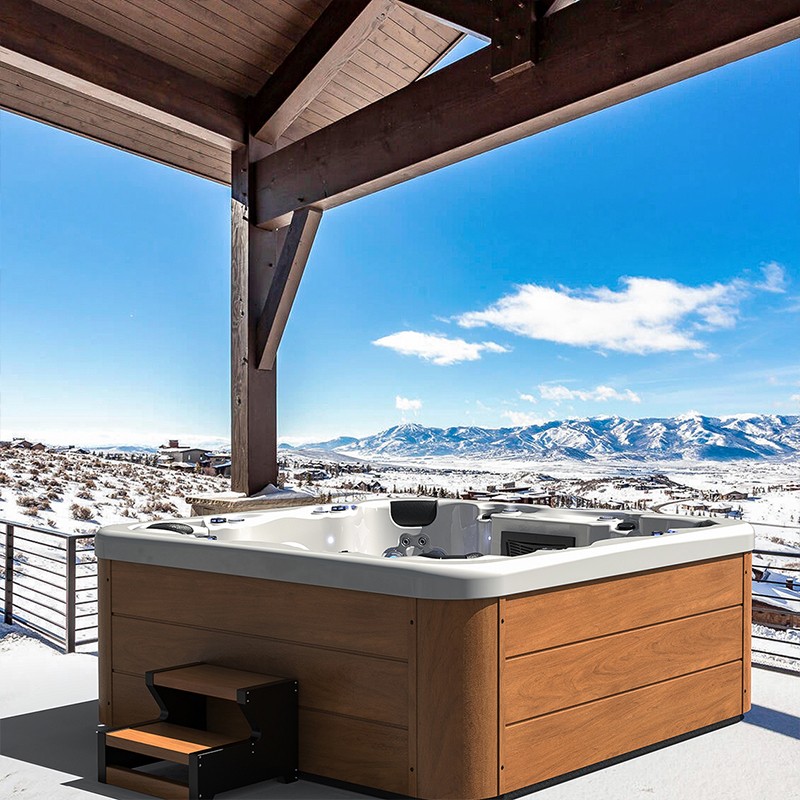
The Impact of Gazebo Material Selection on Height
Beyond height itself, the material choice of a gazebo can also have a certain impact on its design height. Different materials vary in weight, durability, and wind resistance, which influence the structural design and height selection of the gazebo.
1. Gazebos Made of Lightweight Materials
If a gazebo is constructed of lighter materials (such as aluminum alloy or plastic), the structure will be lighter and the supporting pressure will be reduced, allowing it to be designed slightly taller. However, lightweight materials generally have poor wind resistance. Therefore, even with lightweight materials, the height should be moderate to prevent the pavilion from becoming unstable in strong winds.
2. Pavilions Made of Heavy Materials
Gazebos constructed with heavy materials (such as wood or steel) are relatively stable and can withstand higher height designs. However, while taller pavilions offer better wind resistance, they also increase construction costs and difficulty. Therefore, when choosing heavy materials, the design height should typically not exceed 3 meters to ensure stability and control costs.
Can I get a low MOQ for a trial order before purchasing larger quantities?
Yes, we understand the importance of testing the market. We support small trial orders with competitive prices, giving you the opportunity to evaluate quality before committing to larger quantities. With direct factory support, even trial orders benefit from discount pricing, quality assurance, and full customization options. Let us provide a quote for your test order today to help you grow step by step.
