

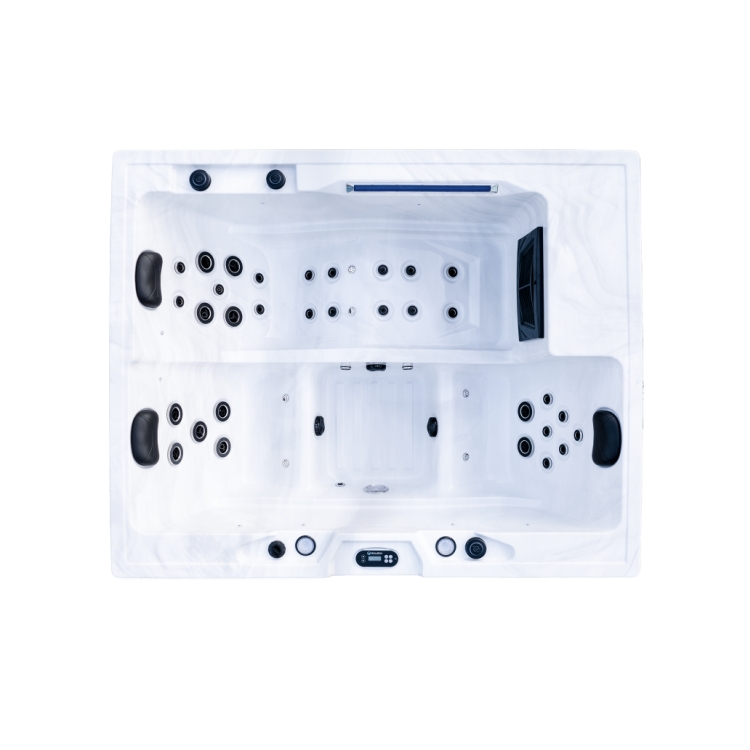
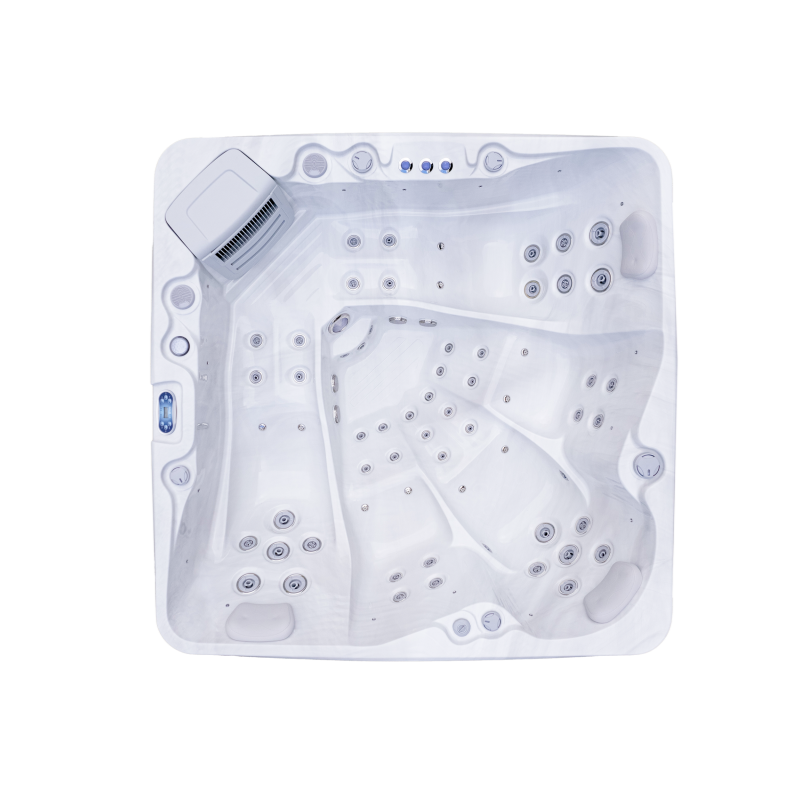
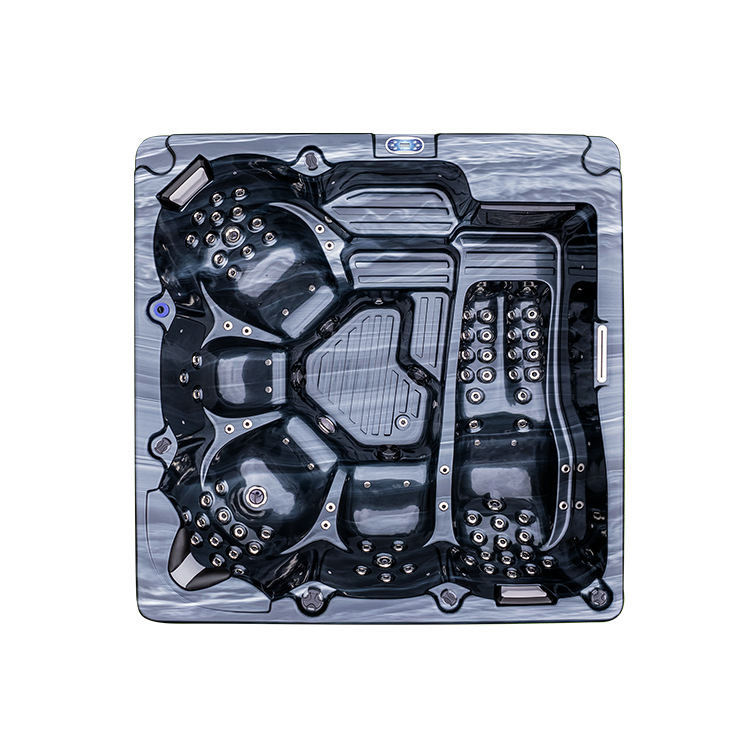
Swim spa tubs combine swimming training and spa relaxation functions, making them popular with families and fitness enthusiasts. However, when it comes to routine maintenance, many people wonder: do I need to vacuum my swim spa tub?
In fact, keeping your swim spa tub clean is not only about water quality, but also about the proper functioning of core components such as the circulation system, nozzles, and water pump.
This article will systematically analyze this issue from multiple perspectives, helping you fully understand how to clean your swim spa tub, whether a vacuum cleaner is needed, and how to scientifically maintain water quality and its internal structure.
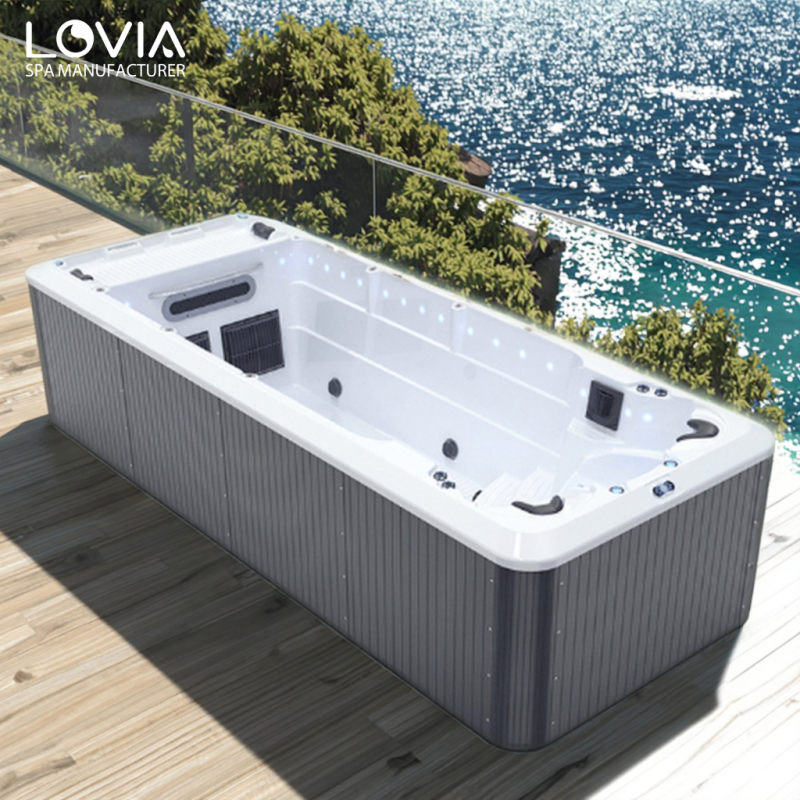
Why does a swim spa tub need regular cleaning?
Swim spa tubs are constantly exposed to water, human oils, dust, and external impurities. These factors can lead to cloudy water, algae growth, and even affect the lifespan of the device.
In the water circulation system, even tiny impurities can clog the filter or nozzles, affecting the intensity and direction of the massage water flow. Even with filtration devices and ozone disinfection systems, it's impossible to completely avoid the accumulation of particles and dust at the bottom.
Therefore, regularly cleaning the bottom and internal pipes of the swim spa tub is an important step in maintaining the long-term stable operation of the equipment.
Whether a vacuum cleaner is necessary in this process depends on the type of debris, the frequency of use, and the capability of the filtration system.
Is a vacuum cleaner suitable for cleaning a swim spa tub?
The primary use of a vacuum cleaner in cleaning a swim spa tub is to remove bottom sediment.
While most swim spa tubs have built-in HEPA filters, these systems mainly target floating debris in the water and are often ineffective against sand, leaves, hair, and fine dust deposited at the bottom.
This is where a dedicated underwater vacuum cleaner becomes particularly important.
Vacuum cleaners for pool or spa equipment generally fall into two categories:
• Manual vacuum cleaners: Connected to a hose or filtration system, these are manually operated to remove bottom debris.
• Automatic vacuum cleaners (robots): These can move autonomously, removing sediment and filtering the water.
If your swim spa tub is frequently used outdoors or has a high usage frequency, regular vacuuming is essential, as it effectively slows down wear and tear on the water pump and nozzles.
Where do impurities in a swim spa tub primarily come from?
To determine if a vacuum cleaner is needed, it's essential to understand the sources of these impurities.
Impurities in a swim spa tub generally originate from the following sources:
• Contaminants brought in by the body: such as skin dead skin cells, skincare product residue, and hair.
• Dust and pollen from the air: especially common in outdoor swim spa tubs.
• Fallen leaves and insect remains: frequently found in open environments.
• Scale and mineral deposits: hard water in areas can easily cause white crystals to form at the bottom.
These substances mostly accumulate at the bottom of the spa tub or near the water inlet, making them difficult for filtration systems to completely remove.
A vacuum cleaner is designed specifically for this purpose, effectively removing these visible deposits and keeping the tub clean.
What problems arise from not using a vacuum cleaner?
Many users believe that simply adding chlorine, disinfecting, and replacing the filter is sufficient. However, in reality, if bottom sediment is not cleaned regularly, the swim spa tub may experience the following problems:
• Cloudy water: Sediment is stirred up by the water flow, causing a cloudy appearance.
• Bacterial growth: Organic residue and the hot water environment provide ideal conditions for bacterial growth.
• Clogged nozzles: Fine sand or impurities enter the water pump system, causing a drop in water pressure.
• Reduced heating system efficiency: Dirt adhering to the heating element affects heat transfer efficiency.
• Poor water circulation: A clogged filter increases the load on the circulation system.
In the long run, these problems not only affect the user experience but may also shorten the lifespan of the swim spa tub.
Therefore, even if the filtration system is working properly, regular deep cleaning with a vacuum cleaner is still a necessary maintenance step.

What are the benefits of using a vacuum cleaner to clean the swim spa tub?
Cleaning your swim spa tub with a vacuum cleaner offers several significant advantages:
• Thoroughly removes bottom debris: Vacuum cleaners can directly remove sand, hair, dirt, and other sediment, making it more efficient than manual cleaning.
• Reduces chemical usage: Clean water means less consumption of disinfectants and purifiers.
• Protects the filtration system: Reduces the chance of impurities entering the circulation system, extending filter life.
• Maintains visual appeal and user experience: Clear water enhances the overall aesthetic and relaxation experience.
• Saves time and maintenance costs: Vacuum cleaners are easy to use and significantly reduce the frequency of manual cleaning.
For high-end swim spa tubs, vacuum cleaning is not only an additional maintenance measure but also an important step in maintaining equipment performance and hygiene standards.
Do all swim spa tubs need a vacuum cleaner?
The answer is not absolute.
Whether a vacuum cleaner is needed depends on several key factors:
• Installation location: Outdoor swim spa tubs tend to accumulate dust more easily and require regular vacuuming; indoor tubs can be cleaned less frequently.
• Frequency of Use: Frequent users require more frequent cleaning to maintain water quality.
• Filtration System Type: High-efficiency multi-layer filtration systems reduce sediment buildup at the bottom, but cannot completely replace a vacuum cleaner.
• Water Hardness: Hard water areas are more prone to sediment formation and should be cleaned regularly with a vacuum cleaner.
Therefore, not every swim spa tub requires a vacuum cleaner, but it is a highly cost-effective tool for maintaining clear water and reducing equipment wear in the long run.
What precautions should be taken when using a vacuum cleaner?
Proper use of a vacuum cleaner can prevent damage to the internal structure of the swim spa tub.
Here are some key points to note:
• Choose the appropriate model: Always choose a vacuum cleaner specifically designed for pool or spa equipment; avoid using a household vacuum cleaner.
• Turn off the recirculation system before cleaning: This prevents water flow interference or air intake during vacuuming.
• Move the nozzle slowly: This avoids stirring up sediment at the bottom, affecting cleaning effectiveness.
• Check the filter bag regularly: This prevents clogging and reduced suction power.
• Rebalance water quality after cleaning: After vacuuming, check the pH level and disinfectant concentration to ensure water safety.
These steps ensure efficient and safe vacuuming without causing structural damage to the swim spa tub.
What other cleaning methods are available if you don't want to use a vacuum cleaner?
If you don't want to use a vacuum cleaner, you can choose the following alternatives:
• Use a manual mesh bag: Removes floating debris, but has limited effectiveness on bottom deposits.
• Use a filter enhancer: Helps capture fine suspended particles.
• Regular water changes and rinsing: Thoroughly drain and clean the inside of the tub every so often.
• Use a dedicated spa cleaner: Dissolves grease and mineral deposits.
However, these methods are mostly supplementary and cannot completely replace the deep cleaning effect of a vacuum cleaner. For frequently used swim spa tubs, a vacuum cleaner remains a more efficient and reliable option.
What is the ideal cleaning frequency for a swim spa tub?
The key to keeping a swim spa tub clean is establishing a regular maintenance cycle.
General recommendations are as follows:
• Daily: Remove floating debris and check water quality.
• Weekly: Clean the filter and check the nozzles.
• Every two weeks or month: Clean the bottom with a vacuum cleaner.
• Every three months: Thoroughly drain the system and clean the pipes and walls.
This maintenance schedule ensures efficient operation of the spa system and extends the overall lifespan of the swim spa tub.
Is LOVIA SPA a One-Stop Spa Manufacturing Supplier?
LOVIA SPA acts as a one-stop supplier for spa hot tubs, outdoor spas, and swim spas. Buyers can source multiple product types from one factory, simplifying purchasing and logistics.
