

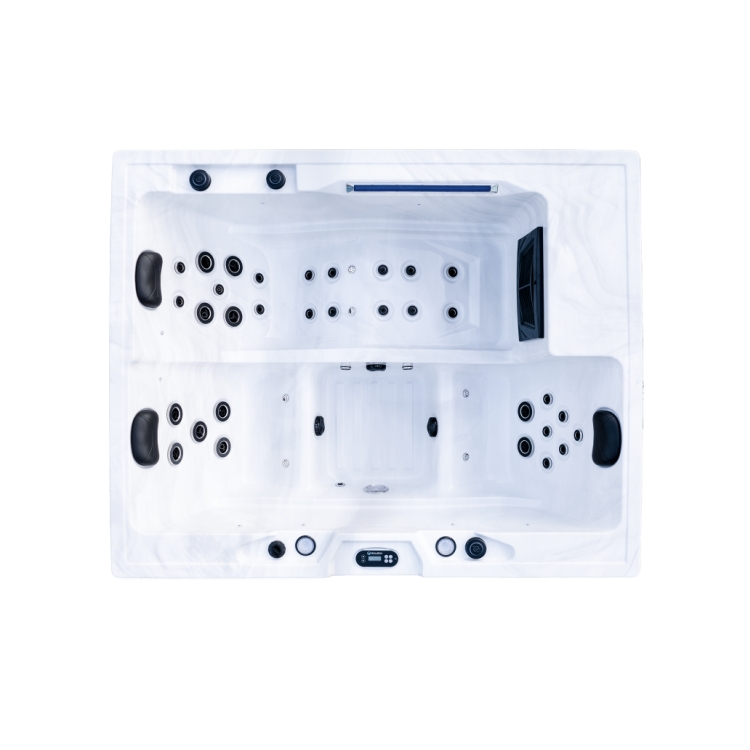
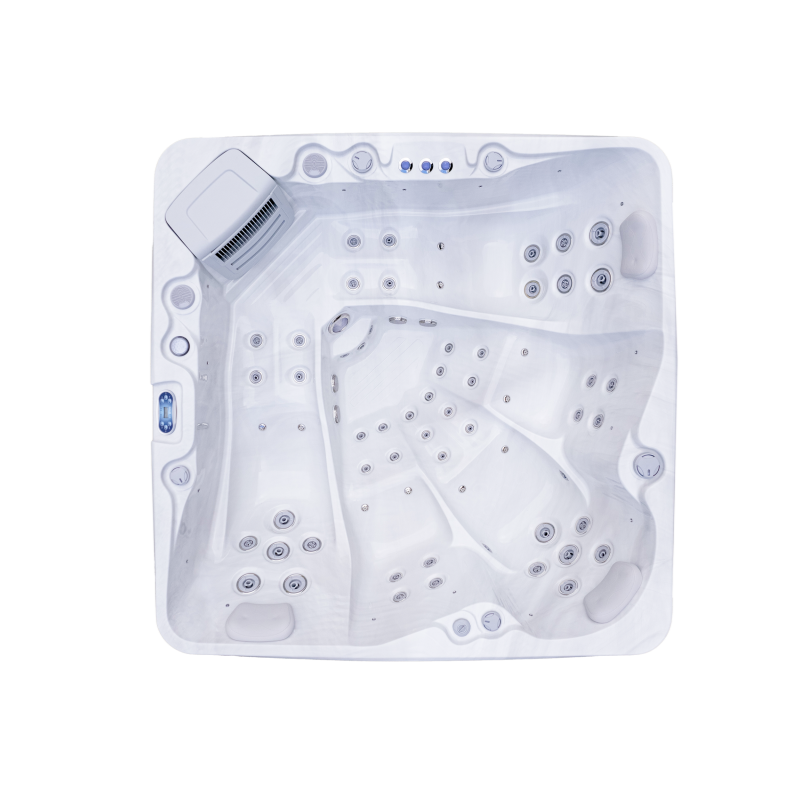
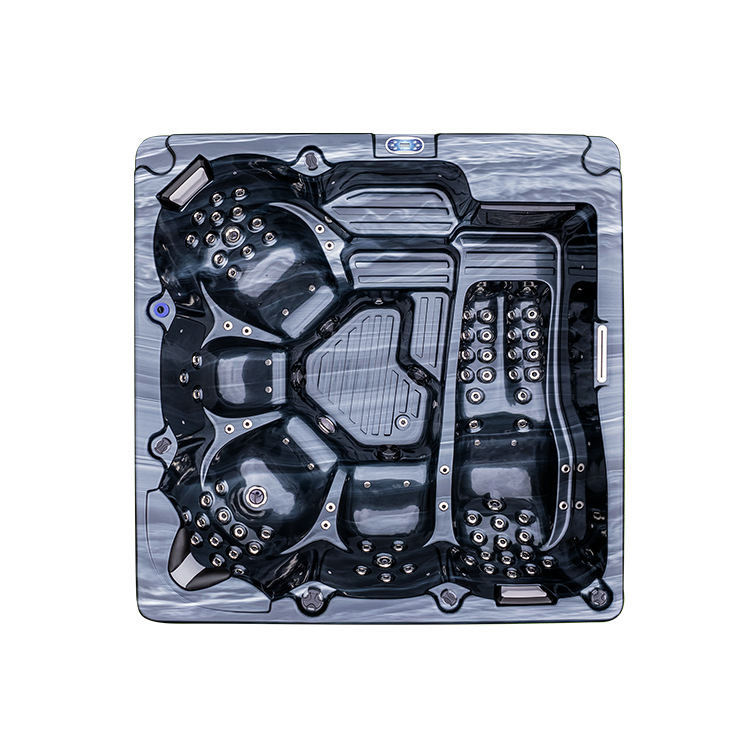
Why would I want an outdoor hot tub with an ozone generator? What are the benefits of having one?
In recent years, driven by the global trend toward healthy living and the booming "backyard" and vacation economies, consumers are increasingly interested in high-quality outdoor leisure facilities. Outdoor hot tubs, once the exclusive luxury of a select few high-end households, are now becoming a common feature in villas, boutique guesthouses, resort hotels, and commercial wellness projects. For many consumers, purchasing an outdoor whirlpool hot tub is not merely about enjoying a massage or relaxation; it is about cultivating a lifestyle defined by health, comfort, and quality.
However, as more users begin to actually use these whirlpool hot tubs, they often encounter an issue long overlooked by the industry: the quality of the experience depends less on the number of massage jets or the aesthetic design, and more on the excellence of the water management system.
In fact, many standard outdoor whirlpool hot tubs on the market emphasize jet counts, LED lighting effects, and visual styling during sales, while rarely highlighting the importance of the water treatment system. Consequently, users often face practical problems after just a few months of use—such as cloudy water, overpowering disinfectant odors, skin irritation, cumbersome maintenance, and the need for frequent water changes. These issues not only detract from the user experience but also drive up long-term maintenance costs.
It is against this backdrop that outdoor whirlpool hot tubs equipped with ozone generators are attracting increasing attention from both consumers and professional buyers. Ozone technology is already widely used in drinking water purification, medical sterilization, swimming pool treatment, and high-end spa equipment; its powerful water purification capabilities are rapidly becoming a key feature of modern outdoor hot tubs.
So, why are more people opting for jacuzzi outdoor spa tubs with ozone generators? What tangible benefits does this feature offer? This article provides a comprehensive analysis.
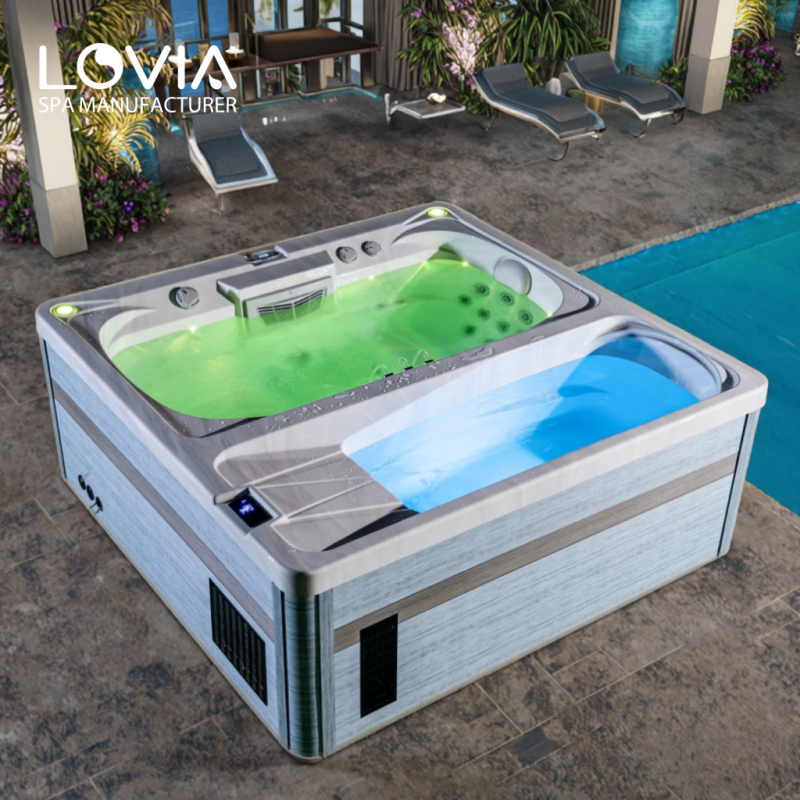
Long-standing water quality management challenges in the outdoor hot tub industry
Many first-time buyers assume that simply having a filtration system will naturally resolve any water quality issues. The reality, however, is far more complex. A standard residential outdoor whirlpool hot tub typically holds between 1,000 and 2,500 liters of water and operates at temperatures ranging from 37°C to 40°C. From a microbiological perspective, this is the optimal temperature range for the proliferation of many bacteria and microorganisms. Furthermore, during use, bathers release sweat, sebum, skincare product residues, sunscreen, and various organic contaminants into the water.
Data from the international pool and spa industry indicates that an adult releases over 0.5 liters of sweat, along with significant amounts of metabolic waste, during a 30-minute soak. Contaminants accumulate rapidly with frequent use by family members or continuous client turnover in commercial settings. Relying solely on standard filtration systems is often insufficient to maintain water quality effectively.
Consequently, many owners of traditional outdoor hot tubs frequently encounter the following issues:
•Gradual loss of water clarity;
•Increasingly strong chlorine odor;
•Eye and skin irritation;
•Formation of bacterial biofilms within the plumbing;
•The need for frequent water testing and chemical dosing;
•A significant increase in the frequency of water changes.
These issues not only detract from the enjoyment of the hot tub but also lead many consumers to realize that a superior water treatment system is far more important than simply increasing the number of jets.
What is an ozone generator, and how does it work in a jacuzzi outdoor spa tub?
Ozone (O₃) is a reactive oxygen molecule composed of three oxygen atoms and possesses powerful oxidizing capabilities. In nature, ozone absorbs ultraviolet radiation and inhibits microbial activity; in industrial and water treatment applications, it is recognized as a highly efficient and eco-friendly disinfection technology.
Outdoor hot tubs equipped with ozone generators typically produce ozone using either corona discharge or ultraviolet technology, injecting it into the water flow via the circulation system. Once in the water, ozone rapidly oxidizes bacteria, viruses, organic contaminants, and odor-causing molecules, breaking them down into simpler, safer substances. After completing the purification process, the ozone naturally decomposes back into oxygen, leaving behind no long-term chemical residues. Compared to traditional methods relying on chlorine or bromine disinfectants, ozone systems can handle the bulk of oxidation and sterilization tasks, thereby significantly reducing the need for chemical agents. This is a key reason why an increasing number of high-end jacuzzi outdoor spa tubs now feature ozone systems as standard equipment.
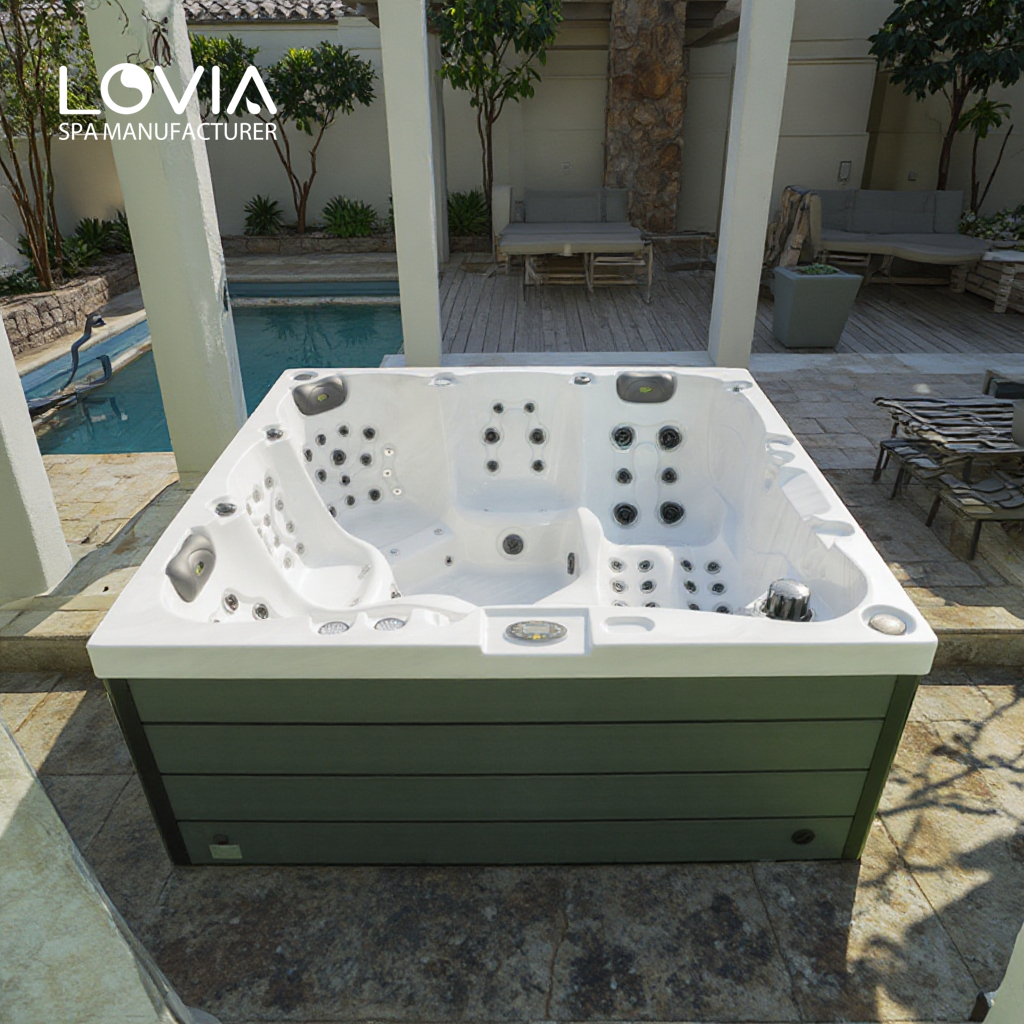
What are the core advantages of jacuzzi outdoor spa tubs equipped with ozone generators?
1. Superior water purification capabilities
For outdoor whirlpool hot tubs, water quality is a pivotal factor in the user experience. Ozone’s oxidizing power is more than 1.5 times that of chlorine, and its sterilization speed far exceeds that of traditional chlorine disinfectants. Research shows that ozone rapidly inactivates E. coli, Staphylococcus aureus, Legionella, and various viruses and microorganisms.
This means that jacuzzi outdoor spa tubs with ozone generators can process contaminants more quickly, keeping the water clear and transparent over the long term. Ozone systems offer distinct advantages in maintaining stable water quality, particularly during family gatherings, high-traffic usage, or commercial operations.
2. Significant reduction in chemical disinfectant usage
Traditional outdoor whirlpool hot tubs often require the continuous addition of chlorine tablets or bromine compounds to maintain safe disinfection levels. However, heavy reliance on chemical agents can lead to side effects such as skin irritation, eye redness, pungent odors, and hair damage.
Ozone systems actively break down contaminants during the water circulation process, thereby significantly reducing the reliance on chemical disinfectants. Industry experience indicates that a properly configured ozone system can typically cut chlorine consumption by 50% to 80%. For both residential and commercial users, this not only enhances comfort but also lowers long-term maintenance costs.
3. Effective elimination of odors and turbidity
Many consumers believe that whirlpool hot tub odors stem from the disinfectants themselves; in reality, most pungent smells are caused by chloramines—byproducts formed when chlorine reacts with organic contaminants from the human body.
Ozone preferentially breaks down these contaminants, preventing odors at the source. Consequently, outdoor whirlpool hot tubs equipped with ozone generators typically offer a fresher water environment, free from the overpowering smell of disinfectant. Additionally, ozone effectively reduces water turbidity, making the overall spa experience more comfortable and natural.
4. Inhibiting Biofilm Formation in Piping
Many users focus on water clarity but overlook the hygiene of the internal piping systems in outdoor whirlpool hot tubs. In reality, bacterial growth is often more severe within jet lines, circulation systems, and concealed waterways.
Over time, microorganisms form biofilms on the inner walls of the piping. These biofilms not only harbor bacteria but are also difficult to eliminate completely using standard chlorine disinfectants. Ozone, however, travels with the circulating water deep into the entire piping system, continuously oxidizing areas where biofilms form; this reduces the risk of bacterial accumulation and helps maintain long-term hygiene throughout the hot tub system.
5. Reducing Maintenance Effort and Operating Costs
For many household users, frequent hot tub maintenance is a major inconvenience. Traditional systems often require repeated checks of residual chlorine levels, pH adjustments, chemical dosing, and periodic deep cleaning.
Integrating an ozone system significantly improves water quality stability, simplifying maintenance tasks. For operators of hotels, resorts, and vacation rentals, this translates to reduced labor requirements, lower chemical procurement costs, and a more consistent customer experience. From a long-term operational perspective, these advantages often outweigh the initial purchase cost.
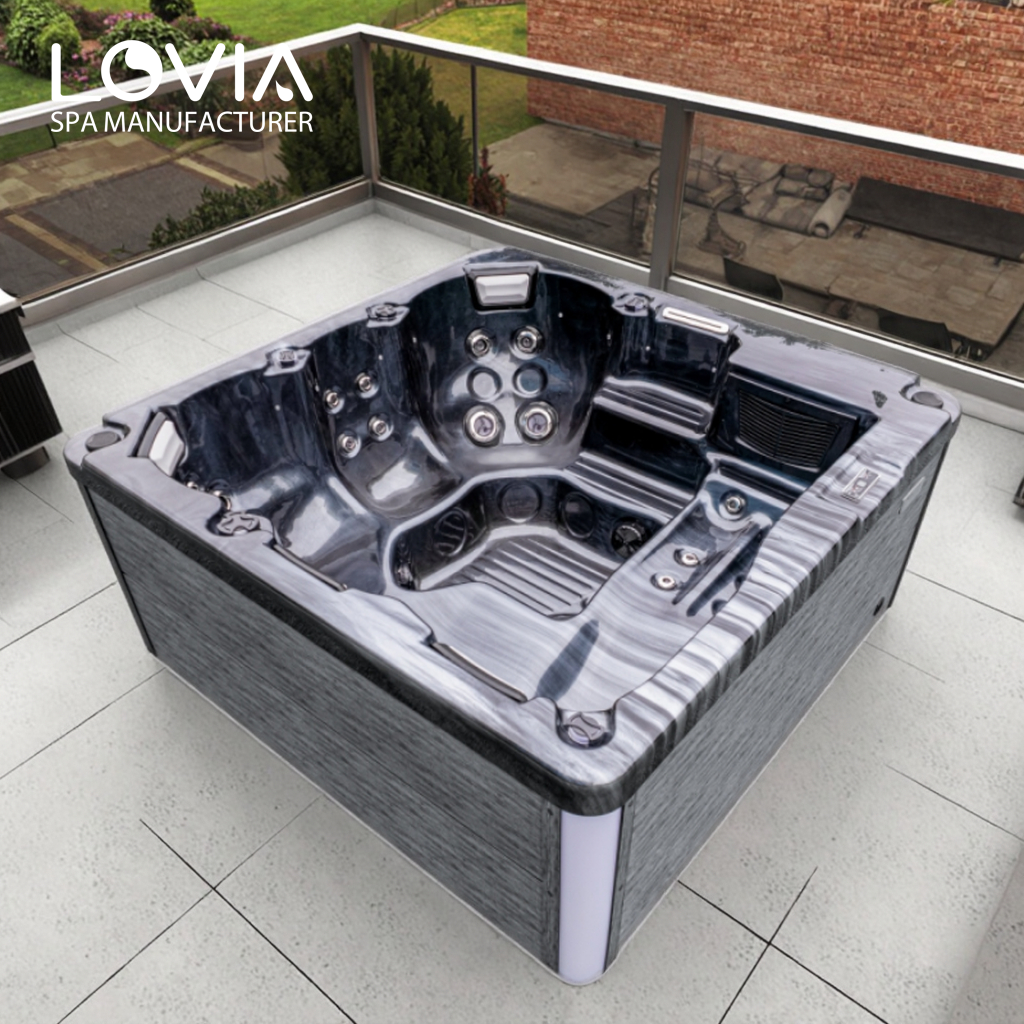
Why Are High-End Outdoor Hot Tubs Increasingly Prioritizing Ozone Technology?
Over the past decade, the global spa industry has shifted from competing on "basic equipment specifications" to competing on "comprehensive user experiences." Consumers no longer focus solely on jet counts or aesthetic design; instead, they increasingly value health, safety, energy efficiency, and the long-term usage experience.
In European and North American markets, ozone systems have become a key feature of many high-end jacuzzi outdoor spa tubs. The reason is simple: users want to spend more time enjoying their spa rather than dedicating significant time to water quality maintenance.
Future industry competition will not center on isolated functional parameters but rather on the overall user experience. The synergistic design of water circulation systems, filtration systems, thermal insulation structures, smart controls, and ozone purification technology will become a crucial benchmark for a high-quality outdoor whirlpool hot tub.
How Do You Choose a Truly Excellent Ozone-Equipped Outdoor Hot Tub?
When purchasing, consumers should look beyond the mere presence of an ozone generator and evaluate the soundness of the entire system design.
First, attention should be paid to the output capacity and stability of the ozone generator. While low-quality ozone systems may come as standard equipment, their actual output is often insufficient to achieve optimal purification results. Circulation system design is also critical, as ozone is most effective only when thoroughly mixed with the water flow. Furthermore, the filtration system, insulation structure, and smart control system all significantly impact the overall user experience.
For professional manufacturers, ozone technology is not merely an isolated component but a vital part of the entire water treatment ecosystem. Only through the synergistic operation of the ozone, filtration, and circulation systems can a jacuzzi outdoor spa tub deliver peak performance.
How does LOVIA® view the future direction of outdoor whirlpool hot tubs?
As global consumer demand for healthy living and high-quality spa experiences grows, the outdoor whirlpool hot tub industry is evolving toward greater intelligence, energy efficiency, and health-oriented features.
As a company dedicated to the R&D and manufacturing of spa equipment, LOVIA® prioritizes overall product performance over single selling points. In terms of design philosophy, LOVIA® emphasizes circulation and filtration efficiency, water treatment system optimization, energy efficiency, and long-term operational stability. Unlike products that rely heavily on aesthetic-focused marketing, modern, high-quality outdoor whirlpool hot tubs require a balance between structural design, insulation performance, smart controls, and water quality management.
Especially given the increasing global emphasis on hygiene, safety, and ease of maintenance, ozone purification technology has become a key trend in modern jacuzzi outdoor spa tub development. For manufacturers, the ability to deeply integrate ozone technology into the overall system will be a crucial factor in future product competitiveness.
FAQ
1. Do jacuzzi outdoor spa tubs with ozone generators completely eliminate the need for chlorine disinfectants?
No, they cannot be completely replaced. Ozone primarily handles rapid oxidation and sterilization but has a short lifespan in water; therefore, it is usually used in conjunction with small amounts of chlorine or bromine disinfectants. Most mainstream high-end outdoor hot tubs currently employ a combination of "ozone plus low-dose chemical disinfection."
2. Will the ozone system significantly increase electricity costs?
No. Most ozone generators used in outdoor whirlpool hot tubs have a power rating of only 5W to 30W; compared to heating systems that consume several kilowatts of power, their energy consumption is negligible.
3. Does the ozone generator require maintenance?
Yes, it requires periodic inspection. Generally, it is recommended to inspect the ozone system's operating status every 6 to 12 months and to perform maintenance or replace components based on usage frequency and equipment type.
4. Is it worth it for residential users to choose a jacuzzi outdoor spa tub with an ozone system?
If the household is large, usage is frequent, or there is a desire to reduce chemical usage and simplify maintenance, a jacuzzi outdoor spa tub equipped with an ozone generator typically offers greater long-term value.
5. Can an ozone system extend the lifespan of an outdoor whirlpool hot tub?
To a certain extent, yes. Because ozone reduces the amount of chemicals required, it helps lower the risk of corrosion on plumbing, seals, heaters, and circulation system components, thereby contributing to the long-term, stable operation of the whirlpool hot tub.
