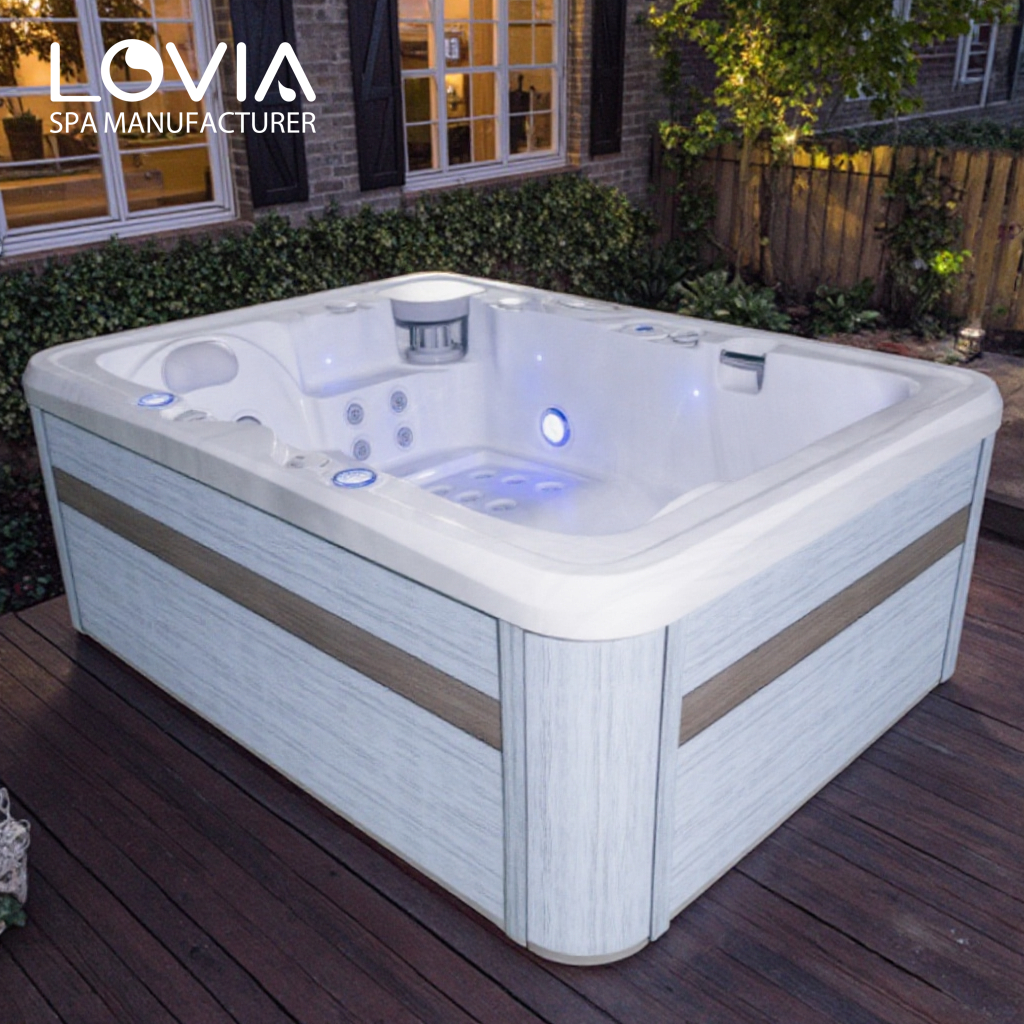

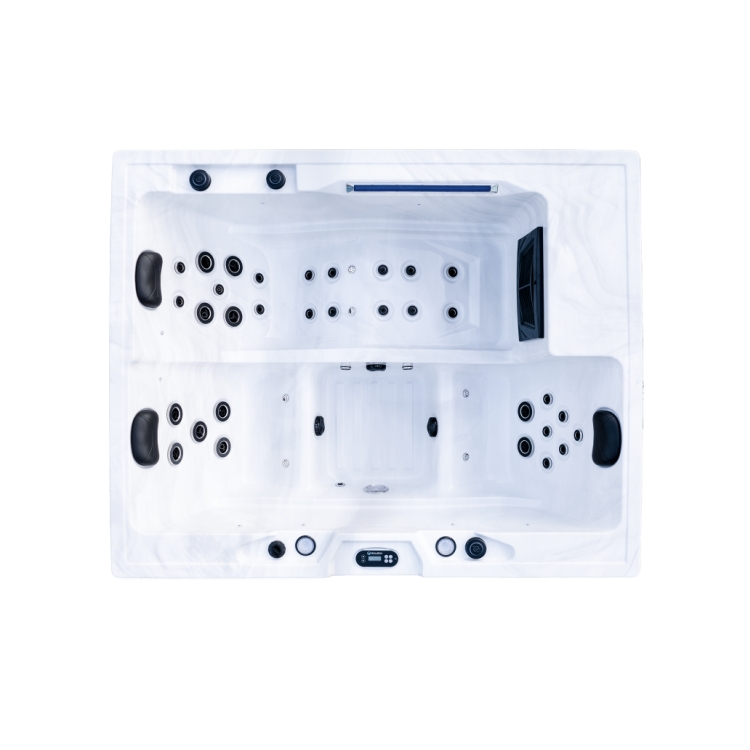
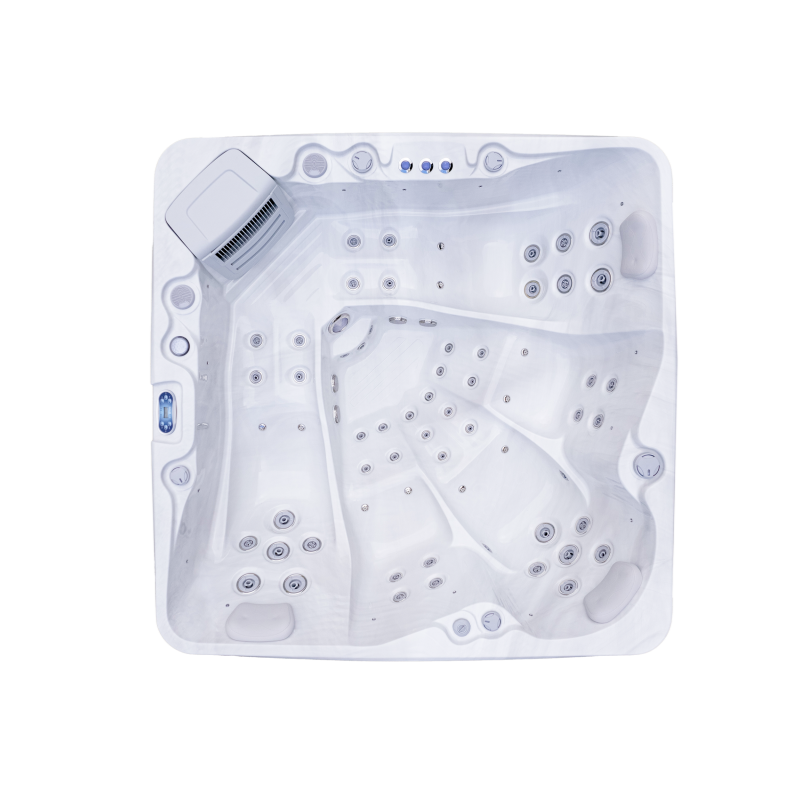
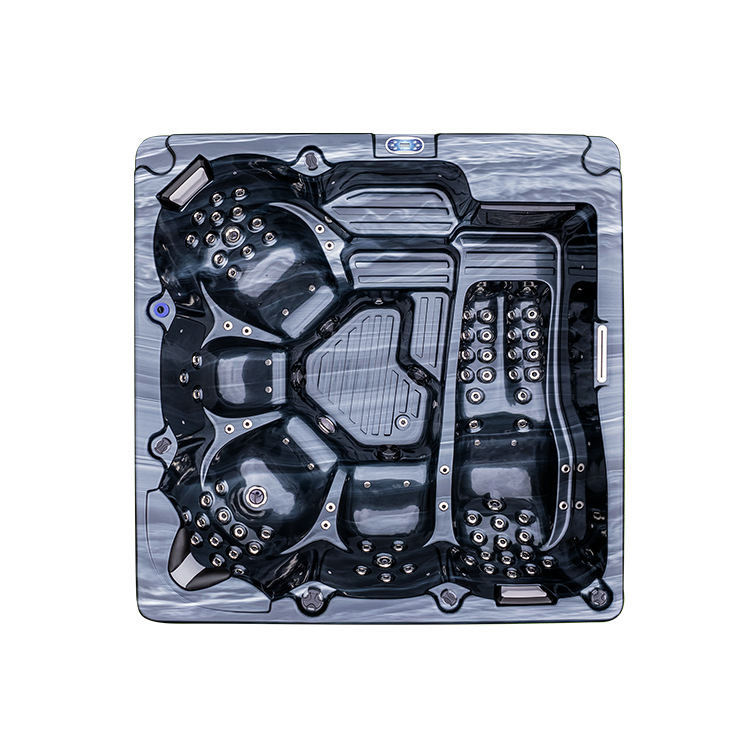
In mature markets such as North America, Europe, and Australia, outdoor spa hot tubs are no longer mere luxuries; they have increasingly become an integral part of home wellness, leisure, and social interaction. However, during the purchasing and installation process, many consumers overlook a critical factor that determines their user experience for years to come: exactly where should the spa hot tub be installed?
Industry data reveals that over 35% of after-sales issues stem not from the equipment itself, but from a poor choice of installation location. While many buyers focus heavily on features like jet count, heating systems, control panels, and aesthetics, they often neglect the profound impact the installation environment has on the unit's lifespan, operational efficiency, and user comfort. Regrettably, some suppliers prioritize closing the sale by highlighting product specifications rather than systematically helping customers evaluate the installation site. This leads to subsequent problems such as drainage difficulties, maintenance hassles, increased energy consumption, noise disturbances, and even structural safety concerns.
In reality, a high-quality spa hot tub can lose more than half of its performance potential if installed in the wrong spot. Conversely, a well-designed unit installed correctly can deliver a comfortable, healthy, and efficient experience throughout a service life of over a decade. Therefore, understanding how to select the right installation location is far more important than many realize when shopping for a spa hot tub.
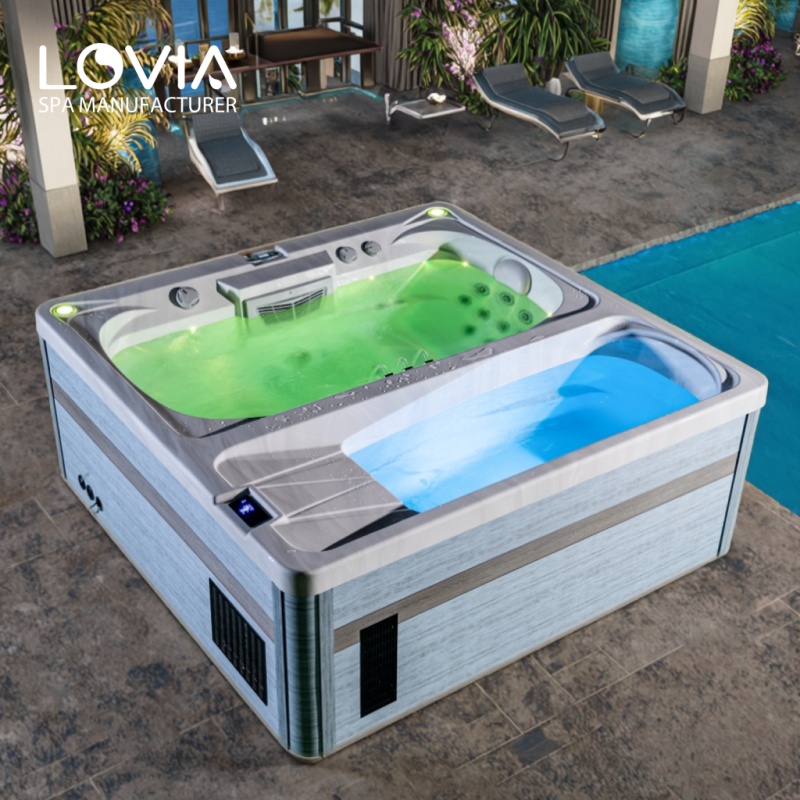
Why does the installation location directly affect the value of a spa hot tub?
Many people assume that an outdoor spa hot tub can simply be placed anywhere there is open space in the yard. In fact, however, a jacuzzi spa hot tub is a complex piece of equipment integrating water circulation, heating, massage, electrical control, and structural load-bearing systems.
Take a standard 5-to-6-person spa hot tub as an example: its dry weight typically ranges from 300 to 500 kilograms, but this figure often exceeds 2,000 kilograms when filled with water. When the weight of the users is added, the total load can reach 2,500 kilograms or more. This means the installation site must meet not only spatial requirements but also long-term structural load-bearing standards. At the same time, a spa hot tub requires continuous connection to power, water treatment, and drainage systems. Poor placement not only increases long-term maintenance costs but can also impair the equipment's operating efficiency.
Industry experience shows that a well-chosen installation site can reduce energy consumption by 15% to 30% and significantly extend the equipment's lifespan. Conversely, improper placement can force the unit to operate under high loads for extended periods, thereby increasing the risk of malfunction.
Therefore, for anyone planning to purchase a jacuzzi spa hot tub, the installation location is a critical component of the overall project planning.
How do you choose the right location for an outdoor spa hot tub?
Step 1: Prioritize the foundation and load-bearing capacity
Whether for a residential garden or a commercial project, load-bearing capacity is the primary factor to consider when installing an outdoor spa hot tub. Many consumers prefer installing them on wooden decks for the aesthetic appeal and compatibility with modern garden design. However, many standard decks are not designed to support concentrated loads exceeding two tons.
According to construction standards, the design load for most residential decks is approximately 40 to 60 pounds per square foot, whereas a water-filled jacuzzi spa hot tub often exerts a localized load far exceeding this level.
Therefore, before installation, it is essential to evaluate:
•Whether the concrete foundation is sufficiently thick;
•Whether the base has been properly compacted;
•Whether the wooden structure can be reinforced;
•Whether there is a risk of long-term subsidence;
•Whether soil erosion might occur after drainage.
Generally, pouring a reinforced concrete platform with a thickness of 100mm to 150mm offers the most stable and reliable installation solution.
For high-end projects, professional manufacturers typically provide detailed load data during the design phase. For instance, LOVIA® provides comprehensive equipment weight specifications and installation recommendations tailored to specific models, helping clients assess structural safety in advance and avoid the extra costs associated with later modifications.
Step 2: Fully consider privacy and the user experience
An outdoor spa hot tub is more than just a piece of equipment; it is a vital part of a space dedicated to family relaxation and socializing. Many users discover only after installation that a neighbor's window overlooks the jacuzzi spa hot tub area, or that pedestrians on the street have a direct line of sight to the tub. Such privacy concerns often significantly reduce how frequently the tub is actually used.
According to surveys by the North American Spa Association, privacy ranks among the top three factors influencing user satisfaction.
Therefore, when planning the installation site for a spa hot tub, the following factors should be carefully considered:
•Lines of sight from neighboring homes;
•Overlooking views from second-story structures;
•Proximity to streets and public areas;
•Nighttime lighting conditions;
•The screening effectiveness of yard fences and landscaping.
Ideally, the spa hot tub should be situated in a relatively private area while still offering a pleasant view.
Many high-end residential projects create semi-open spaces using elements such as hedges, landscape walls, wooden screens, and outdoor curtains, thereby balancing a sense of openness with privacy.
This type of design not only enhances the user experience but also significantly improves the overall aesthetic appeal of the yard.
Step 3: Properly Plan the Distance from the Main House
Many users mistakenly believe that the further the outdoor spa hot tub is from the house, the better, assuming this prevents moisture issues for the building.
In reality, placing it too far away creates a host of other problems.
For example:
•Inconvenience when traveling to and from the spa hot tub in winter;
•Increased costs for power supply lines;
•Greater difficulty with maintenance;
•Complexity in installing drainage systems;
•Reduced frequency of use.
Industry research indicates that when an outdoor spa hot tub is located more than 30 meters from the home's entrance, actual usage frequency drops by approximately 40%. Consequently, most professional designers recommend placing the hot tub within 5 to 15 meters of the house.
This distance ensures convenience while preventing equipment noise from disturbing indoor living spaces. It also effectively lowers installation costs and simplifies future maintenance.
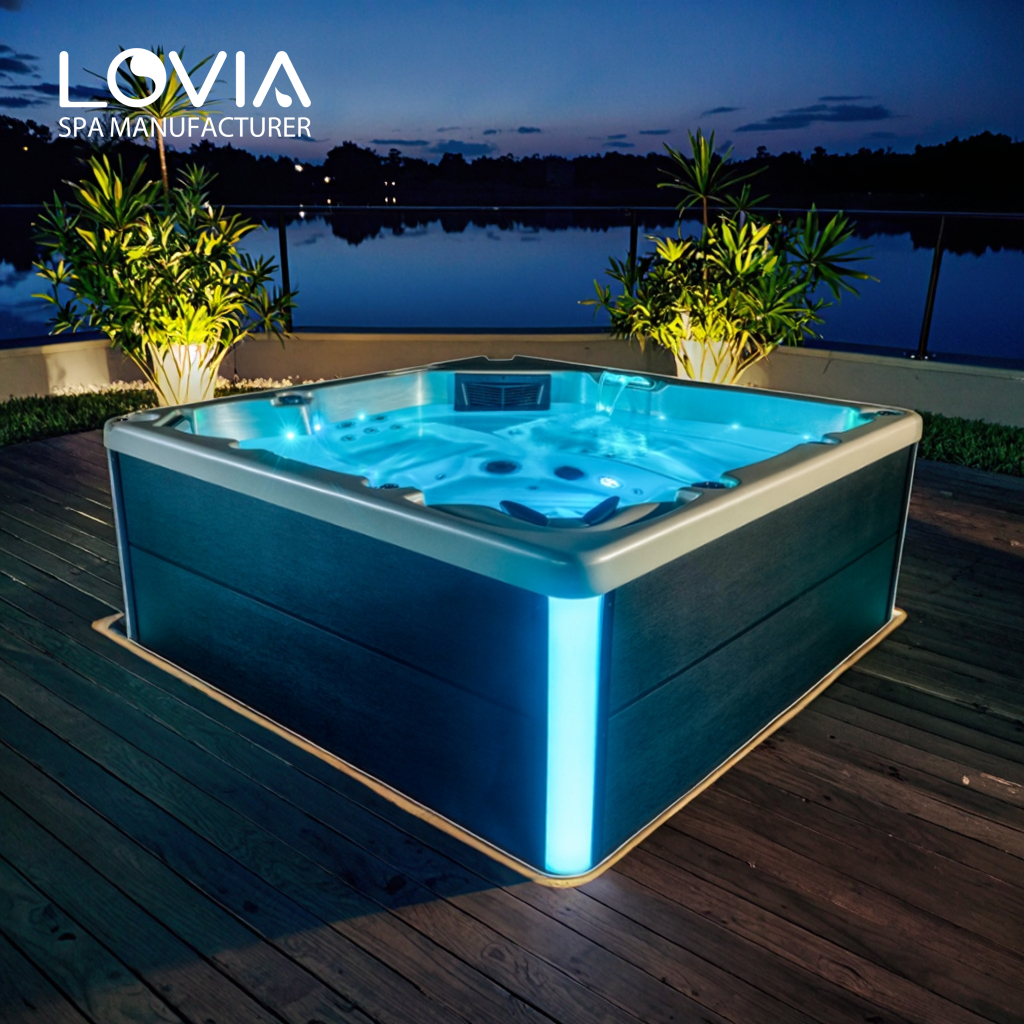
Step 4: Consider Sunlight and Wind Patterns
Many consumers overlook natural environmental factors when selecting a site. In fact, wind direction and sunlight exposure directly impact the energy efficiency of the jacuzzi spa hot tub.
In cold regions, strong winds accelerate heat loss. Research indicates that in environments with sustained wind speeds exceeding 15 km/h, heat loss from a jacuzzi spa hot tub without wind protection measures can increase by more than 20%.
Therefore, the ideal installation site should avoid areas exposed to prevailing winds.
The environment can be optimized through measures such as:
•Using buildings as windbreaks;
•Designing landscape walls;
•Planting hedges as windbreaks;
•Installing a gazebo or pavilion structure for protection.
At the same time, exposure to natural sunlight helps maintain water temperature.
However, it is important to note that prolonged exposure to intense UV radiation can accelerate the aging of the spa's shell.
Consequently, some users opt for gazebos, pergolas, or retractable roof systems to strike a balance between shade and natural light.
Step 5: Allow sufficient space for maintenance and servicing
This is one of the most commonly overlooked aspects by users.
Many people try to save space during installation by placing the spa right against a wall or embedding it into a deck. While this may look attractive in the short term, it creates significant challenges for long-term maintenance. In reality, all key components of an outdoor spa hot tub—including pumps, control boxes, heaters, and filtration systems—require regular servicing.
If technicians cannot access the sides of the unit, future repairs might necessitate dismantling fences or even moving the entire spa.
Therefore, industry best practices recommend:
•Leaving a maintenance clearance of at least 60 to 90 cm;
•Ensuring ample operating space on the side with the control panel;
•Providing easy access to the filter area for removal;
•Planning the route for lifting/hoisting the unit in advance.
•Professional manufacturers usually provide detailed installation diagrams.
For instance, LOVIA® offers installation layout advice during project delivery to help clients avoid future maintenance difficulties.
Step 6: Drainage system planning determines the long-term user experience
Many consumers view an outdoor spa hot tub merely as a vessel for water, overlooking the fact that it will need to be drained hundreds of times over its lifespan. A standard jacuzzi spa hot tub typically holds between 1,000 and 2,000 liters of water.
Without a proper drainage plan, issues may arise, such as:
•Water pooling in the yard;
•Damage to the lawn;
•Erosion of the foundation;
•Neighbor disputes;
•Muddy conditions around the unit. Therefore, the following must be planned prior to installation:
•Drainage direction;
•Ground slope/grading;
•Rainwater system connections;
•Municipal drainage tie-ins;
•Emergency discharge routes.
A well-designed drainage system not only enhances convenience but also helps protect the landscape and the building's foundation.
Step 7: Consider Future Upgrade Needs
With the evolution of smart homes and outdoor living spaces, more users are likely to add the following in the future:
•Outdoor kitchens;
•Leisure gazebos;
•Landscape lighting systems;
•Audio systems;
•Swim spa equipment;
•Cold plunge/therapy equipment.
Consequently, when planning the location for an outdoor spa hot tub, one should look beyond immediate needs and consider lifestyle changes over the next five to ten years. Allocating space for future expansion can significantly enhance the overall value of the investment.
This is a key reason why many professional design teams are adopting a holistic "wellness space" planning approach.
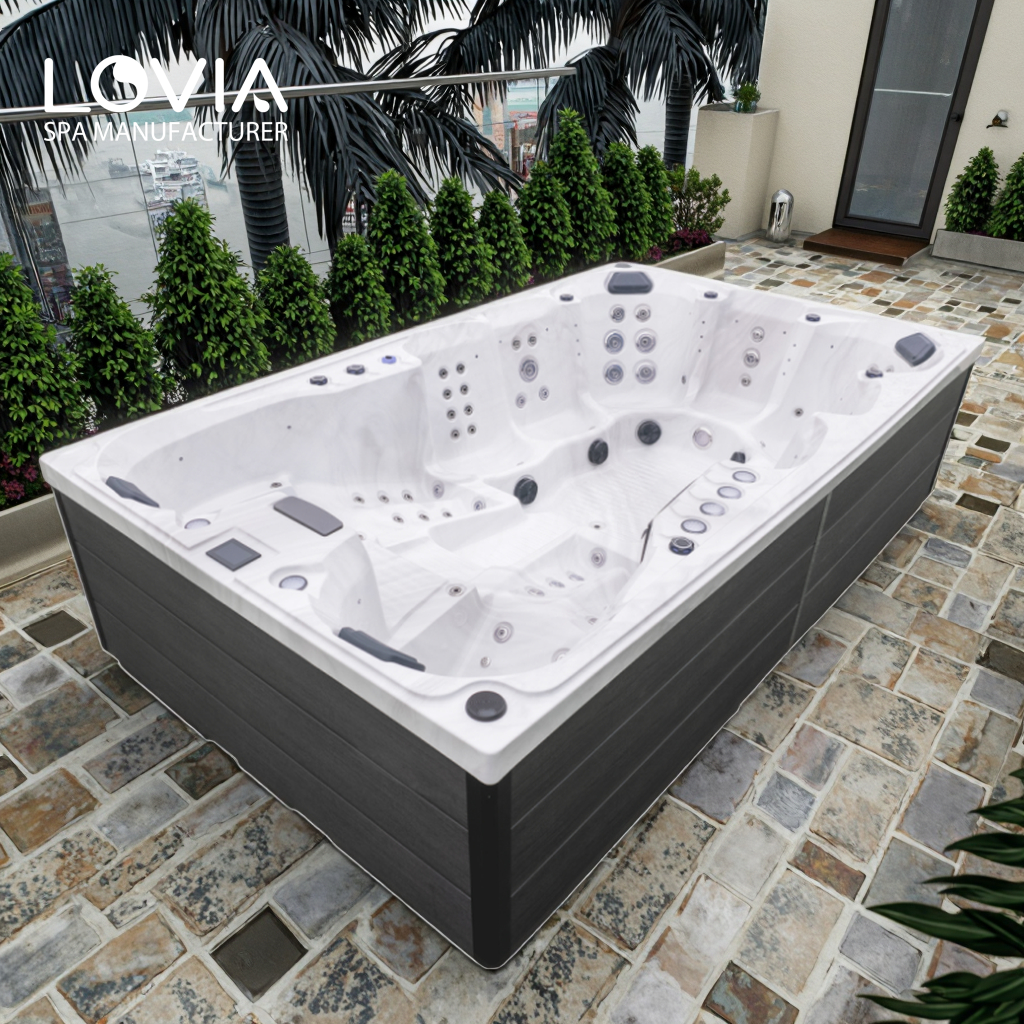
Why Do Professional Brands Prioritize Installation Guidance?
Many brands in the industry focus heavily on sales while overlooking the importance of installation planning.
In reality, mature outdoor spa hot tub manufacturers prioritize the experience across the project's entire lifecycle.
Take LOVIA®, for example; having long served residential homes, resorts, and high-end real estate projects globally, the company focuses not only on equipment performance but also on how the installation environment impacts the user experience.
From the product design stage, LOVIA® considers ease of maintenance, structural load-bearing requirements, and installation compatibility, providing detailed technical documentation to help clients plan their projects more effectively.
This approach minimizes future issues while boosting long-term operational efficiency and user satisfaction.
FAQ
Is it better to install a jacuzzi spa hot tub in the yard or on a deck/terrace?
Both are viable options, provided the deck has sufficient load-bearing capacity. Generally, a concrete base in the yard offers greater stability, whereas a deck installation often provides superior views.
What is the ideal distance between the spa hot tub and the house?
A distance of 5 to 15 meters is usually recommended; this ensures convenient daily use while facilitating electrical connections and maintenance.
Does an outdoor spa hot tub require a dedicated drainage system?
A dedicated drainage solution is recommended to prevent issues such as standing water in the yard and potential damage to the foundation. Can LOVIA® spa hot tubs be installed outdoors for year-round use?
Yes. High-quality LOVIA® outdoor spa hot tubs are specifically designed for outdoor environments and operate reliably across all seasons.
Does LOVIA® provide installation guidance?
Yes. LOVIA® offers customers installation advice, technical drawings, load-bearing data, and project planning support to help ensure efficient installation and setup.
What are LOVIA®'s primary customer segments?
LOVIA® products are widely used in a variety of settings, including private homes, villa gardens, resort hotels, boutique guesthouses, real estate developments, and commercial wellness centers.