

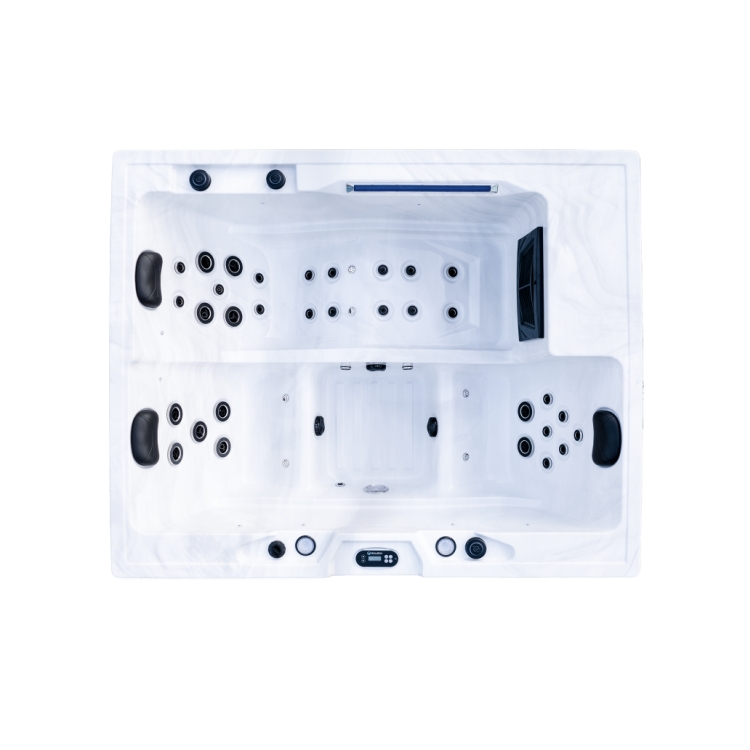
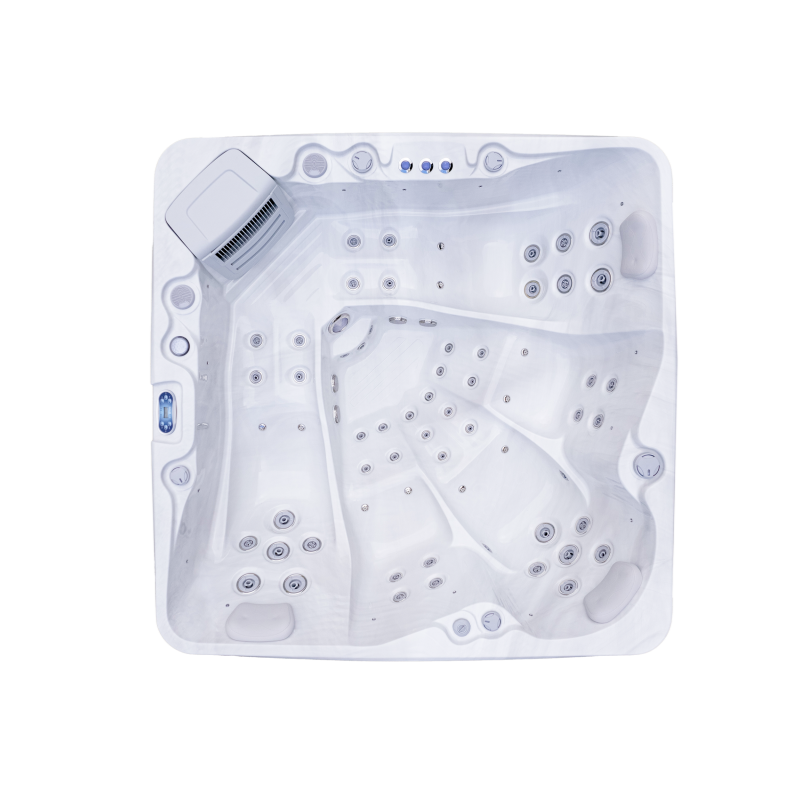
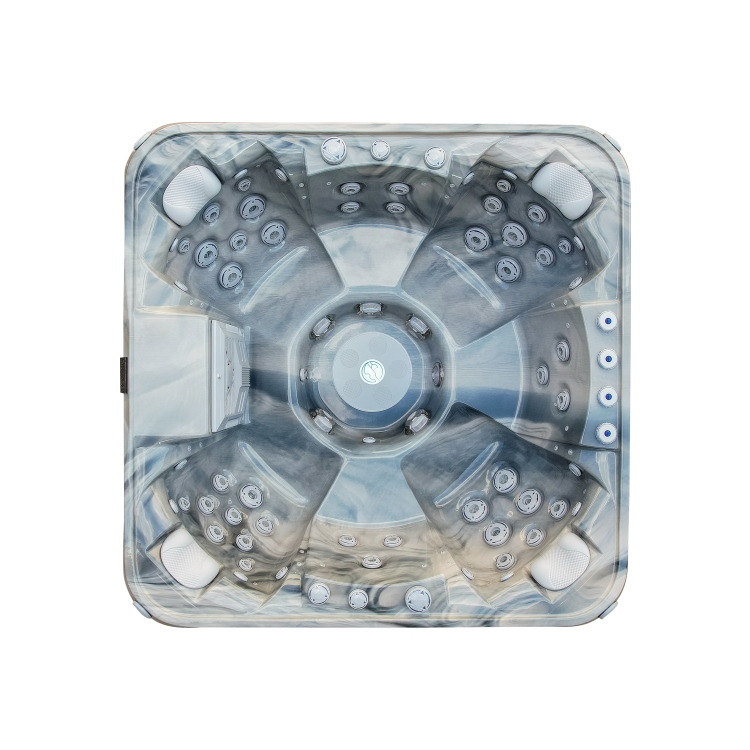
A swim spa tub combines the functions of a swimming pool and a jacuzzi, offering aquatic exercise and a relaxing spa experience. Its use is becoming increasingly popular in both homes and commercial settings. However, due to its warm, humid, and relatively enclosed water environment, it can easily become a breeding ground for bacteria and microorganisms.
Many users often wonder: How do I know if my swim spa tub has bacteria? This article will systematically analyze how to identify and manage bacterial problems from multiple perspectives, including water quality, chemical indicators, physical signs, and daily maintenance, ensuring a safe and comfortable spa experience.
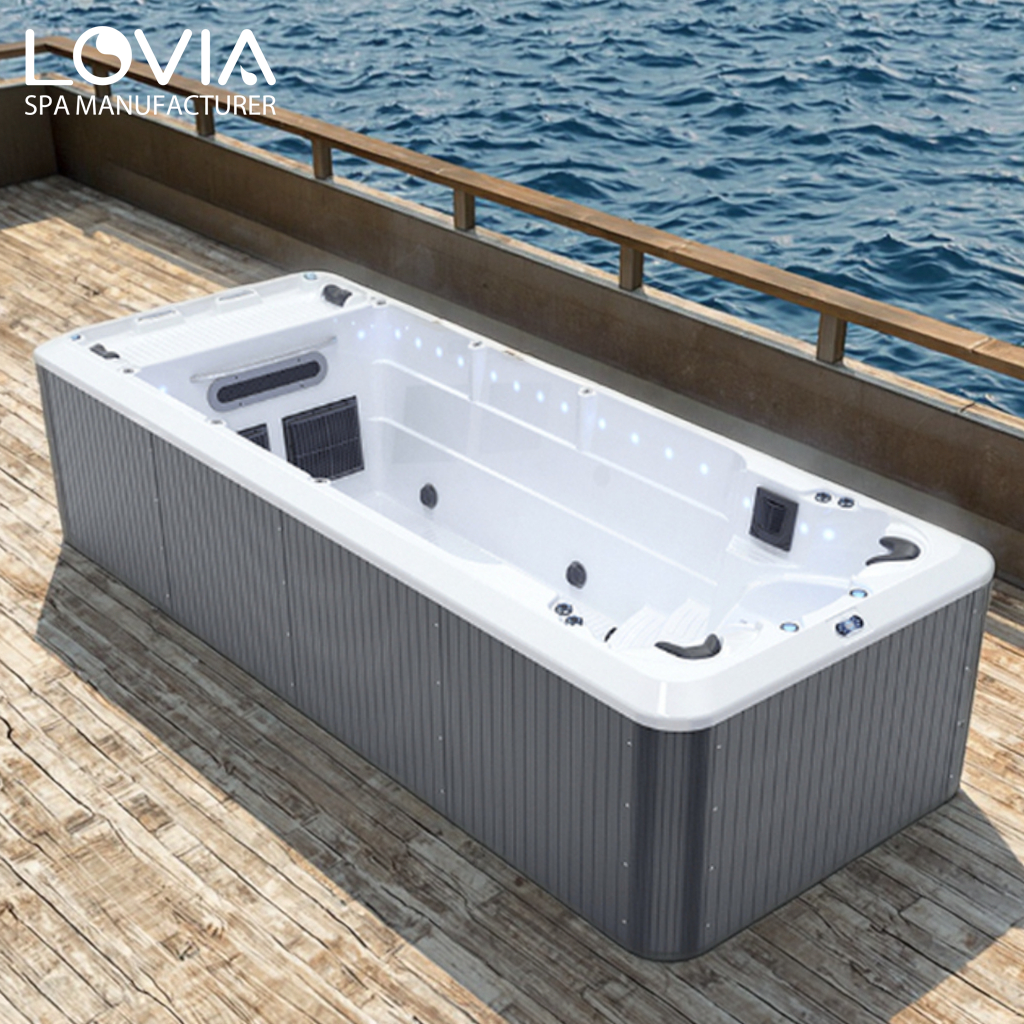
Why are swim spa tubs prone to bacterial growth?
1. Warm Water Environment
Swim spa tubs are typically maintained at a temperature of around 37°C to 40°C, which is the most suitable environment for bacteria and microorganisms to grow. Warm water not only promotes microbial reproduction but also accelerates the decomposition of organic matter, providing nutrients for bacteria.
2. Enclosed and Small Water Volume
Compared to large swimming pools, swim spa tubs have a relatively enclosed water volume and smaller size. Slow water circulation, numerous dead zones, and easy accumulation of sediment create ideal conditions for bacterial growth.
3. Organic Matter Accumulation
Human skin flakes, sweat, skincare product residue, and cosmetic residue entering the water become nutrient sources for bacteria. Long-term accumulation promotes rapid microbial reproduction and may form biofilms.
4. Improper Water Quality Management
• Insufficient disinfectant: Low chlorine or bromine concentrations are ineffective at killing bacteria.
• pH imbalance: Affects disinfectant activity, allowing bacteria to survive in the water.
• Clogged or aging filter: Reduces the filtration capacity for suspended particles and microorganisms.
These factors all lead to an increase in the number of bacteria in the water, thus affecting safety.

How to determine if bacteria are present in a swim spa tub?
The presence of bacteria can be scientifically assessed from three aspects: physical signs, chemical indicators, and sensory experience.
First aspect: Physical signs
1. Turbidity
Turbidity in the swim spa tub is one of the most direct signs. Aggregation of bacteria and microorganisms, and redispersement of suspended matter, make the water appear unclear. Especially noteworthy is persistent turbidity rather than turbidity caused by short-term agitation.
2. Biofilm Formation
Biofilms are thin, slimy layers that often adhere to the walls of the swim spa tub, nozzles, or bottom filters.
This film is a sign of bacterial community growth and can become a long-term habitat for microorganisms.
3. Abnormal Water Flow or Bubbles
Excessive bacterial or algal growth can lead to uneven water flow or abnormal nozzle output. Uneven bubble size or abnormal noise during bubble spa treatments may also be signs of bacterial growth.
Second Aspect: Chemical Indicator Assessment
1. Abnormal pH Value
• Ideal pH value: 7.2-7.8
• A pH value that is too high or too low will reduce the activity of disinfectants and increase the chances of bacterial survival.
• Detection Method: Measure the water using test strips or an electronic pH meter.
2. Insufficient Disinfectant Concentration
• Commonly Used Disinfectants: Chlorine (1-3 ppm), Bromine (3-5 ppm)
• Insufficient concentration means reduced disinfection effectiveness, making it easier for bacteria to grow.
• Measurement Method: Water quality test kit or test strips.
3. Organic Matter and Nitrate Accumulation
• Organic matter and nitrates are nutrient sources for bacterial growth.
• High levels indicate improper water management, requiring enhanced disinfection and circulation.
Third Aspect: Sensory Assessment
1. Odor
Odors may originate from bacteria, algae, or chemical reactions.
Common odors include a putrid smell, a pungent chlorine smell, or a musty smell.
2. Skin or Eye Discomfort
Itching, redness, or eye irritation after using a swim spa tub may be a sign of excessively high microbial concentrations in the water.
3. Water Color Changes
A greenish, yellowish, or turbid water color is a sign of bacterial or algal growth.
Swim Spa Tub Bacterial Detection Methods
1. Routine Water Quality Testing
Measure pH, disinfectant concentration, and calcium hardness weekly.
Use a portable water quality tester or test strips to quickly determine water safety.
2. Microbiological Testing
Professional laboratories can test for total bacteria count, E. coli, Pseudomonas aeruginosa, and other indicators in water.
Regular microbiological testing helps understand the types and concentrations of bacteria in the swim spa tub water, providing scientific guidance for water quality management.
3. Filter and Piping Monitoring
Regularly check filters, nozzles, and pipes for sediment buildup.
Slippery deposits or abnormal colors indicate bacterial growth.
4. Water Sample Culture Method (Professional Method)
Collecting water samples for culture provides a visual representation of bacterial counts.
Suitable for commercial locations or high-risk water bodies.
Frequently Asked Questions about Swim Spa Tubs
Can I determine the presence of bacteria based on water clarity?
Clear water does not necessarily mean the absence of bacteria. Microorganisms at low concentrations may not be visually noticeable, but they can still pose health risks.
Is an odor always caused by bacteria?
Odors may originate from chemicals, skincare product residue, or microorganisms. Even without bacteria, an odor indicates potential water quality abnormalities and should be tested promptly.
What if the water remains cloudy or has an odor after disinfection?
Possible causes include filter clogging, pH imbalance, or excessively rapid disinfectant consumption. The swim spa tub should be inspected, the water quality adjusted, and a portion of the water replaced if necessary.
How to prevent bacterial growth in a swim spa tub?
• Maintain water balance (pH, hardness, disinfectant concentration)
• Clean the filter and showerhead regularly
• Use the bathtub after showering
• Control water temperature and circulation time
• Change the water regularly
Daily Maintenance Recommendations For a Swim Spa Tub
1. Filter and pump maintenance
Clean the filter weekly to prevent clogging by suspended particles.
Check the pump and showerhead for smooth operation and efficient circulation.
2. Water balance adjustment
Regularly measure pH, calcium hardness, and disinfectant concentration.
Adjust the water quality to maintain it within safe ranges.
3. Water changes and deep cleaning
It is recommended to change the water in a household bathtub every 2-3 months.
Deep cleaning includes cleaning the bathtub walls, showerhead, pipes, and removing sediment from the bottom.
4. User Personal Hygiene
Thoroughly clean your body before entering the swim spa tub to reduce the amount of sweat, skincare products, and cosmetics entering the water.
Avoid entering the water with open wounds to reduce the risk of bacterial contamination.
5. Usage Records and Monitoring
Establish a water quality maintenance log to record data from each test.
Regular checks can promptly detect water quality anomalies.
Swim Spa Tub Advanced Maintenance and Monitoring
1. Water Quality Testing Form
Indicators | Ideal Value Range | Testing Frequency | Notes |
| pH value | 7.2-7.8 | Weekly | Water that is too acidic or alkaline needs adjustment |
| Chlorine concentration | 1-3 ppm | Weekly | Below 1 ppm promotes bacterial growth |
| Bromine concentration | 3-5 ppm | Weekly | Can be used as a disinfectant instead of chlorine |
| Calcium hardness | 150-250 ppm | Monthly | Low calcium levels can corrode equipment; high calcium levels can cause sedimentation |
| Total bacterial count | ≤200 CFU/ml | Quarterly or professional testing | Exceeding the standard requires water replacement and deep cleaning |
2. Filter Cleaning Procedure
Step 1: Turn off the swim spa tub pump and remove the filter.
Step 2: Rinse the filter surface with clean water to remove large particles.
Step 3: Soak in diluted disinfectant for 15-30 minutes.
Step 4: Rinse thoroughly and reinstall.
3. Impact Intensity and Usage Guidelines
Avoid jumping violently into the swim spa tub.
Control the pump's operating power to ensure even water flow.
For family bathtubs, it is recommended that 2-4 people use the tub simultaneously to prevent rapid deterioration of water quality.
How to determine if a swim spa tub has bacteria?
Determining the presence of bacteria in a swim spa tub requires a combination of physical signs, chemical indicators, and sensory experiences. Key signs include cloudy water, unusual odors, biofilm, abnormal pH levels, insufficient disinfectant, and skin or eye discomfort. Scientific methods include routine water quality testing, filter inspection, professional microbiological testing, and water sample culture.
Through proper daily maintenance, filter cleaning, water quality management, and user hygiene habits, bacterial growth can be effectively prevented, ensuring clean and safe water in the swim spa tub and making every spa experience comfortable and reliable.
