

A whirlpool hot tub is not only a relaxing device but also a hydrotherapy tool with certain therapeutic benefits. It combines heated water with jet massage to effectively relieve muscle tension, promote blood circulation, and reduce stress.
However, many users lack a clear understanding of the question, "Does the temperature of a whirlpool spa hot tub affect blood pressure?"
Some believe that hot baths can "improve blood circulation" and help lower blood pressure; others worry that high-temperature soaking may lead to increased blood pressure, dizziness, or even danger.
To answer this question scientifically, a systematic analysis is necessary, considering the body's physiological response mechanisms, the principles of blood pressure changes, the differences in effects at different temperatures, and safe usage standards.
This article will delve into the relationship between hot water temperature and blood pressure, providing professional advice to ensure your health and safety while enjoying the relaxation of a whirlpool hot tub.
Why is the temperature of a whirlpool hot tub related to blood pressure?
Blood pressure is determined by cardiac output and vascular resistance. Any external factor that affects vasodilation, vasoconstriction, or heart rate changes can cause fluctuations in blood pressure.
When we soak in a whirlpool spa hot tub, our bodies experience three main physical stimuli:
1. Temperature Stimulus
Hot water raises the skin's surface temperature, causing vasodilation and increased blood flow.
2. Hydrostatic Pressure
The uniform pressure exerted by the water on the body affects cardiac return and circulatory workload.
3. Jet Massage Effect
The jet massage effect promotes local circulation, relaxes muscles, and indirectly affects vascular tone.
Therefore, temperature changes in a whirlpool hot tub not only affect physical comfort but also directly impact the cardiovascular system. Both excessively high and low temperatures can cause changes in blood pressure.
The Physiological Mechanism of Hot Water's Effect on Blood Pressure
To understand the relationship between temperature and blood pressure, we must first understand the body's physiological responses to heat.
1. Hot Water Causes Vasodilation
When the skin comes into contact with water at 38–40°C, the skin's blood vessels automatically dilate to promote heat dissipation.
At this time, peripheral vascular resistance decreases, and blood pressure temporarily drops.
This phenomenon is called peripheral vasodilation, a natural regulation the body makes to maintain temperature balance.
2. Blood Flow Redistribution
As more blood flows to the skin and superficial tissues, the heart needs to beat faster to maintain blood supply throughout the body, slightly increasing heart rate.
Although heart rate increases slightly, overall blood pressure usually decreases due to vasodilation.
3. Potential Rebound After a Hot Bath
When a person leaves the whirlpool spa hot tub, the skin cools rapidly, blood vessels constrict, and blood pressure may temporarily rise.
Therefore, some people may experience mild dizziness or fatigue after a hot bath; this is a normal short-term reaction.
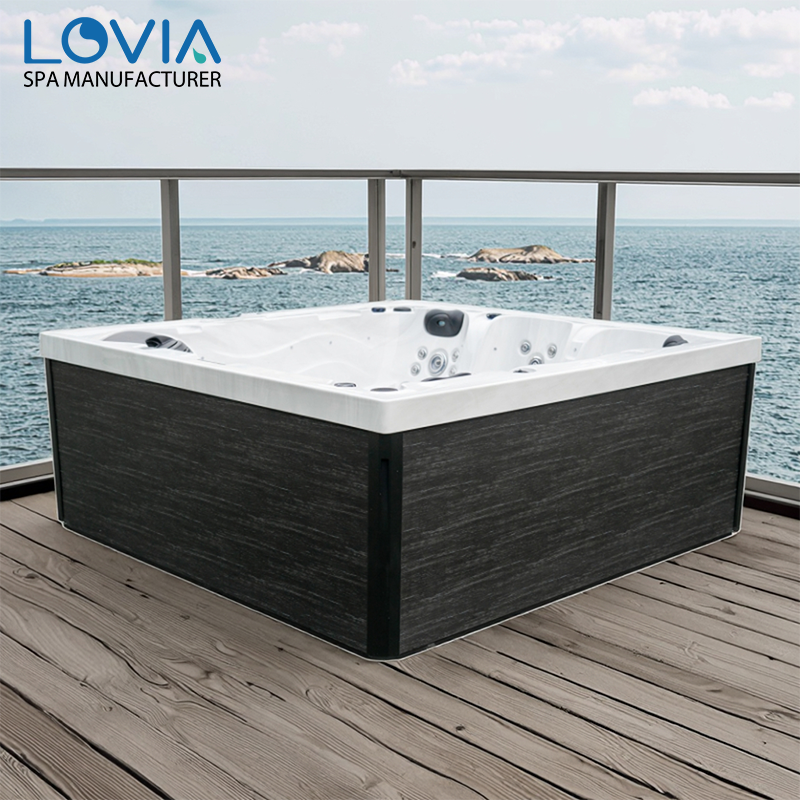
The Effect of Whirlpool Hot Tub Temperatures on Blood Pressure
The temperature of a whirlpool spa hot tub can usually be adjusted between 30°C and 40°C. The effect of different temperatures on blood pressure varies significantly.
Water temperature range | Typical effects on blood pressure | Physiological manifestations | Suitable for |
| 30–34℃ (warm water) | Minor effect, blood pressure remains relatively stable. | Comfort and relaxation, smooth circulation | All people |
| 35–37℃ (body temperature range) | Mild vasodilation, blood pressure decreases slightly. | Relaxation, slight increase in heart rate | Healthy adults |
| 38–40℃ (hot water) | Significant vasodilation, blood pressure decreases. | Sweating, significant increase in heart rate | Those without cardiovascular disease |
| Above 40℃ | Large fluctuations in blood pressure, increased heart rate. | Possible dizziness and fatigue | Not recommended for use |
Therefore:
The higher the temperature of the whirlpool spa hot tub, the more pronounced the effect on blood pressure—generally manifesting as a temporary decrease, but with an increased burden on the cardiovascular system.
Can a whirlpool hot tub lower blood pressure?
1. Can a hot bath be used to lower blood pressure?
While hot water can temporarily dilate blood vessels and lower blood pressure, this effect is a short-term physiological response and cannot replace medical methods for lowering blood pressure.
Over-reliance on hot baths may trigger a rebound effect, causing greater fluctuations in blood pressure.
2. Why do some people feel dizzy after bathing?
Hot water causes vasodilation, leading to increased blood flow to peripheral tissues.
When standing up from the whirlpool spa hot tub, insufficient blood return can cause a sudden drop in blood pressure, potentially resulting in orthostatic hypotension.
Therefore, after bathing, one should stand up slowly and sit quietly for a while before walking.
3. Is it safe for people with hypertension?
For well-controlled individuals with mild hypertension, a gentle hot bath (≤38℃) is safe.
However, if blood pressure fluctuates significantly or if taking medication, it should be used under the guidance of a doctor.
High-temperature baths (>40℃) may cause a sudden drop in blood pressure or arrhythmia and should not be attempted.
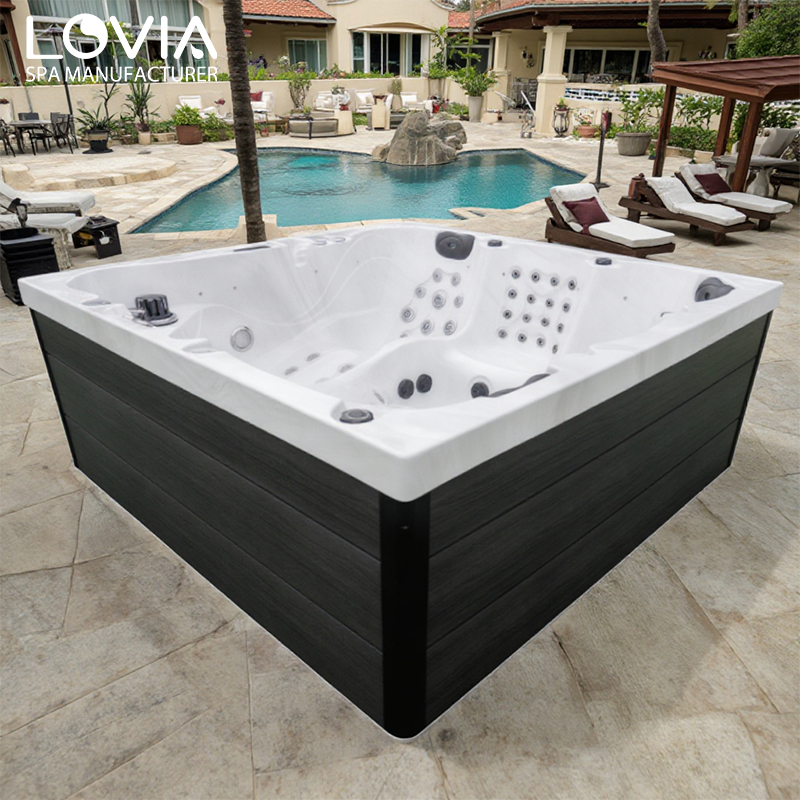
The Opposite Effects of Low or Cold Water in a Whirlpool Hot Tub on Blood Pressure
If the whirlpool spa hot tub is set too low, or if you suddenly switch from hot to cold water, it can trigger another reaction:
1. Vasoconstriction
Cold stimulation causes blood vessels in the skin to constrict, increasing peripheral resistance and raising blood pressure.
2. Sympathetic Nervous System Excitation
Cold stimulation activates the sympathetic nervous system, leading to an increase in heart rate and systolic blood pressure.
3. Potential Risks
For individuals with heart disease or high blood pressure, cold water stimulation may increase the burden on the heart; sudden changes in water temperature should be avoided.
The Effect of Hydrostatic Pressure in a Whirlpool Hot Tub on Blood Pressure
Besides temperature, the water pressure in a whirlpool spa hot tub also affects blood circulation.
1. Increased Blood Return to the Heart
The pressure of the water on the body during immersion pushes peripheral blood towards the heart, increasing the amount of blood returning to the heart.
Cardiopulmonary output increases, but due to vasodilation, overall blood pressure does not change significantly.
2. The Importance of Depth and Posture
When soaking in a seated position, water pressure is mainly concentrated in the lower limbs and abdomen.
If the whole body is soaked (e.g., below the neck), the pressure increases, raising the workload on the heart.
Therefore, people with high blood pressure are advised to soak in a half-body or seated position.
How to control the temperature to avoid blood pressure fluctuations when using a whirlpool hot tub?
To enjoy a hydrotherapy experience while maintaining stable blood pressure, temperature control and usage time are crucial.
1. Control the temperature within a safe range
• General population: Recommended water temperature 36–38℃.
• People with high blood pressure or heart disease: Not exceeding 37℃.
• Children or the elderly: Around 35℃ is suitable.
2. Control the soaking time
• First-time users: 10–15 minutes is sufficient.
• Regular users: 20–25 minutes is suitable.
• More than 30 minutes may lead to dehydration and low blood pressure.
3. Stay adequately hydrated
Hot baths easily lead to sweating and dehydration, which reduces blood volume and causes a drop in blood pressure.
It is recommended to drink 200-300ml of warm water before and after soaking.
4. Avoid soaking on an empty stomach or immediately after meals
After eating, blood flow is concentrated in the digestive system; soaking in a hot bath at this time increases the burden on the heart. Soaking on an empty stomach can easily lead to low blood sugar and a drop in blood pressure.
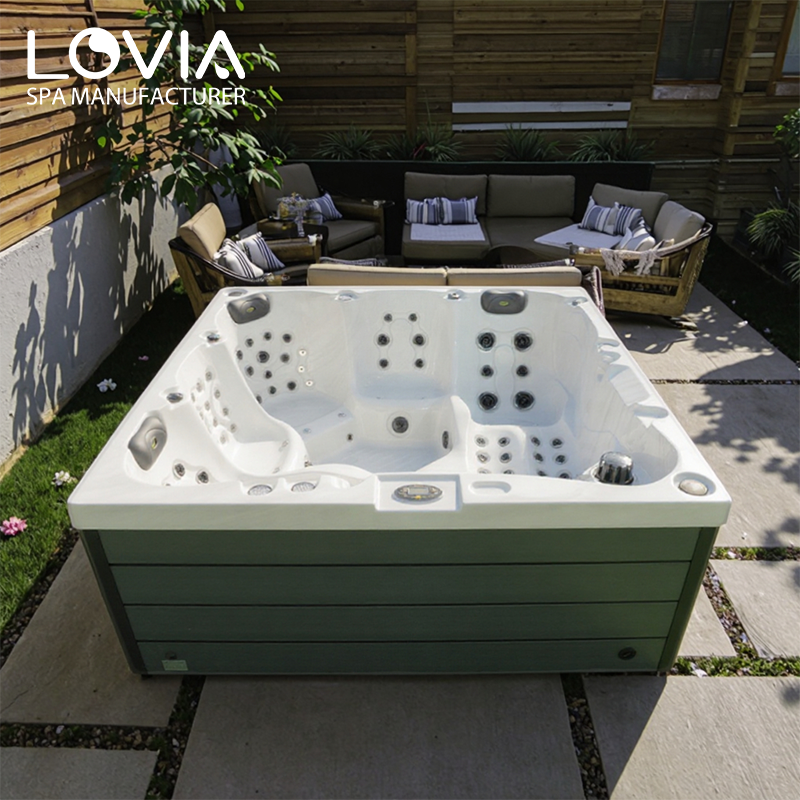
Health Recommendations for Using a Whirlpool Hot Tub
1. Monitor Blood Pressure Regularly
Especially for those with high blood pressure, low blood pressure, or cardiovascular disease, blood pressure changes should be monitored before and after soaking.
If dizziness, palpitations, or weakness occur, stop soaking immediately.
2. Avoid Using After Drinking Alcohol
Alcohol further dilates blood vessels, and the combined effect with a hot bath may cause a sudden drop in blood pressure.
3. Ensure Ventilation During Use
The hot steam environment increases the burden on the heart; ensure good ventilation in the bathroom or outdoors.
4. Start Gradually
When using a whirlpool spa hot tub for the first time, start with a lower temperature and shorter duration, gradually adapting.
Precautions for Special Populations Using Hot Baths
Population Categories | Recommended temperatures | Usage time | Precautions |
| Patients with hypertension | ≤37℃ | 10–15 minutes | Monitor blood pressure and avoid getting up quickly |
| Patients with hypotension | 36–38℃ | Within 10 minutes | Avoid prolonged soaking to prevent dizziness |
| Patients with heart disease | ≤36℃ | Doctor's recommendation | Do not immerse in high temperatures or fully soak |
| Elderly individuals | 34–36℃ | Around 10 minutes | Water level should not exceed chest height |
| Normal healthy individuals | 36–39℃ | 20–25 minutes | Rest and rehydrate appropriately |
The Scientific Relationship Between Whirlpool Hot Tub Temperature and Blood Pressure
Physiological mechanisms and experimental data clearly show that:
The temperature of a whirlpool spa hot tub does indeed affect blood pressure.
• Increased temperature → Vasodilation → Temporary drop in blood pressure;
• Excessively high temperature or prolonged soaking → Increased heart rate and circulatory burden;
• Excessively low temperature → Vasoconstriction → Increased blood pressure.
Therefore, safe practices include:
✅ Maintaining the water temperature between 36–38℃;
✅ Limiting soaking time to no more than 25 minutes;
✅ Avoiding sudden temperature changes, using on an empty stomach, or after drinking alcohol;
✅ Special populations should consult a doctor before use.
Using a whirlpool spa hot tub scientifically not only provides relaxation and relief but also improves circulation and metabolism without affecting blood pressure, making it a safe and effective hydrotherapy method.
What Are the Payment Terms When Purchasing From LOVIA SPA?
LOVIA SPA offers clear and widely accepted payment terms to support international trade. Our standard payment method is T/T, with 30% deposit required to confirm the order and the remaining 70% paid before shipment. This payment structure helps buyers manage purchasing budgets while ensuring secure production scheduling.
As a professional manufacturer and supplier, LOVIA SPA provides transparent pricing, detailed quotations, and clear cost breakdowns to support wholesale purchasing, bulk orders, and long-term supplier cooperation.
