

Why Are More and More Families Prioritizing Outdoor Spa Hot Tubs?
Over the past few years, a distinct trend has been steadily gaining momentum within the global consumer market: people are beginning to redefine the meaning of "home." It is no longer merely a living space, but is gradually evolving into a comprehensive environment for relaxation, healing, socializing, and health management. Against this backdrop, spa hot tubs—once exclusive amenities found only in select high-end resorts and private villas—are increasingly capturing the attention of everyday households. However, the rapid growth of the industry has also exposed a critical issue that many consumers have long overlooked: the vast disparity in quality among whirlpool spa hot tub products on the market. Many brands prioritize the "sale" itself, failing to genuinely address the core consumer need for a superior "long-term ownership experience."
Many first-time buyers are initially swayed by features such as a "luxurious appearance," a high "jet count," or a "lower price point." Yet, upon actual use, they discover a significant disconnect between their expectations and the reality of the experience. Common issues include jets that—despite their high numbers—lack the nuanced sequencing required for effective massage therapy; poor heat retention capabilities that lead to drastically increased electricity consumption during winter months; excessive noise levels that disrupt nighttime relaxation; and even more serious defects such as leaks, control system malfunctions, or material degradation and cracking. This represents a persistent, underlying pain point within the industry: to cut costs, some manufacturers skimp on investments in materials, insulation, electrical stability, control systems, and after-sales support—leaving consumers to shoulder the burden of subsequent maintenance costs and operational risks for years to come.
For those who genuinely value a high quality of outdoor living over the long term, a whirlpool jacuzzi tub is never merely an "impulse purchase"; rather, it is a long-term investment inextricably linked to their health, family relationships, and overall lifestyle. Its true value lies not simply in the act of soaking in hot water, but in its capacity to genuinely help users physically rejuvenate, alleviate mental stress, optimize sleep quality, and enrich family interactions.
Relevant lifestyle studies indicate that, amidst high-pressure work environments, over 40% of adults suffer from sleep disorders of varying severity. Furthermore, the fatigue, anxiety, and muscle tension induced by chronic stress have emerged as significant underlying health risks in modern urban life. Concurrently, an increasing number of wellness and rehabilitation centers are embracing outdoor hydrotherapy as a non-pharmaceutical, complementary method for physical recovery. It is precisely for these reasons that truly high-quality spa hot tubs are now garnering significant attention—because they offer not just comfort, but a sustainable solution for the continuous enhancement of one's quality of life.
How Do Spa Hot Tubs Truly Enhance Quality of Life?
Many consumers harbor a misconception regarding outdoor spa hot tubs: they view them merely as "oversized bathtubs." In reality, the true essence of a whirlpool jacuzzi tub lies in its "hydrotherapy system," not simply in its function as a "water-holding vessel." Through the combined effects of heat therapy, hydro-massage, ergonomic body support, and ambient atmosphere, these systems exert a positive influence across multiple dimensions—ranging from physical recovery and mental relaxation to family life.
From Physical Recovery to Deep Relaxation: Why Are Spa Hot Tubs More Effective Than Ordinary Baths?
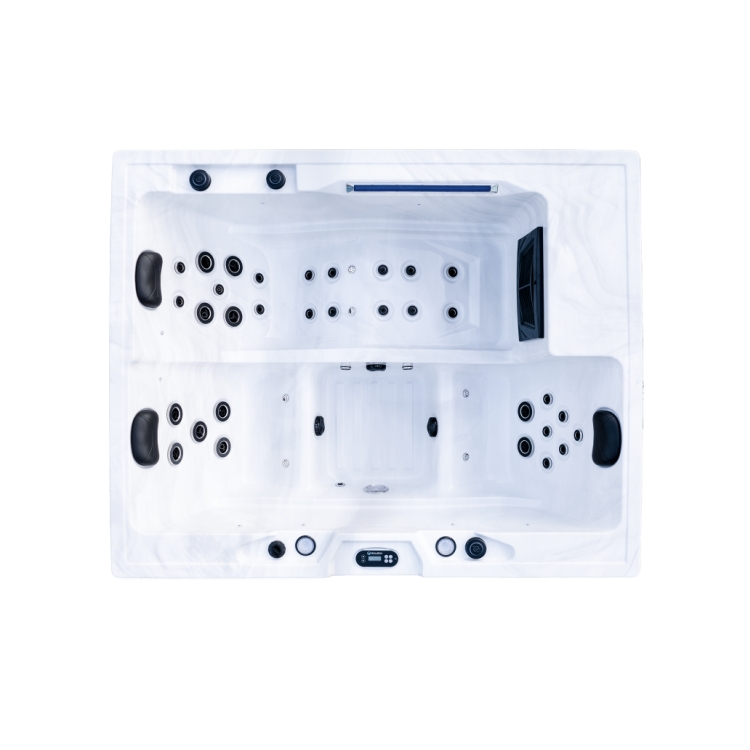
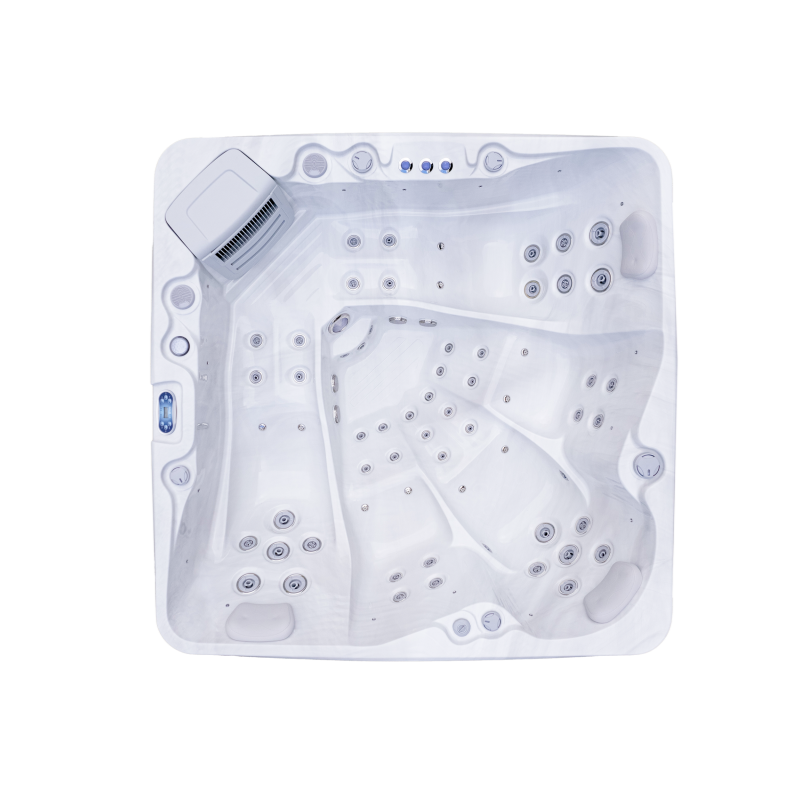
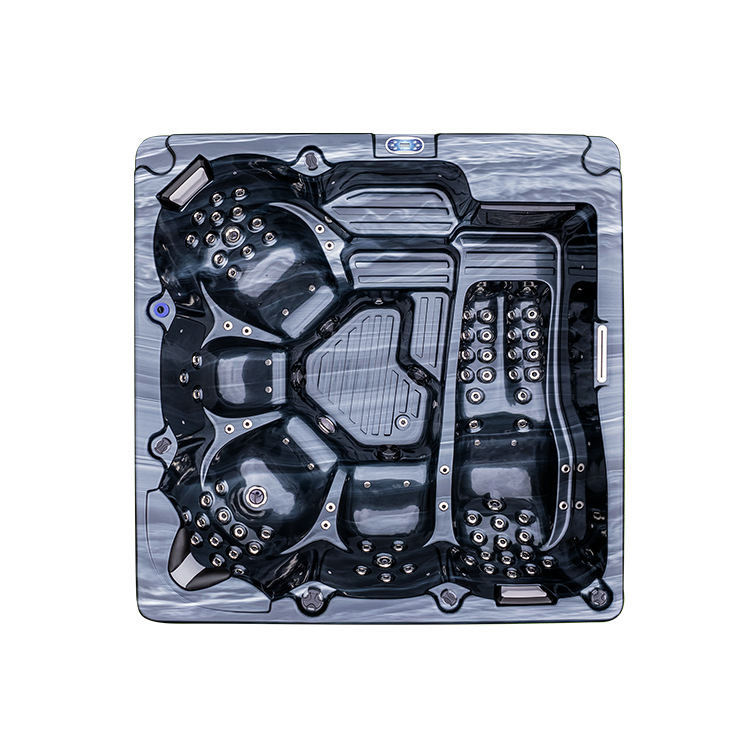
While a standard bathtub offers the opportunity for a hot soak, it struggles to provide a truly effective system for physical recovery. Spa hot tubs, however, are different; they typically feature anywhere from 30 to 90 jets—depending on the specific model—to create customized massage patterns. Through precisely engineered water flow targeting areas such as the back, lower back, legs, shoulders, neck, and feet, these systems enable multiple parts of the body to achieve a deeper level of relaxation.
For instance, individuals who spend long hours working at a desk often suffer from stiff shoulders and necks, as well as lower back fatigue, while sports enthusiasts are prone to leg soreness or muscle tightness. High-quality outdoor whirlpool hot tubs utilize a powerful pump system—typically ranging from 2 to 5 horsepower—to generate consistent water pressure. Combined with intelligently angled jets, this mechanism delivers a continuous massage effect to specific muscle groups, thereby aiding in muscle relaxation and physical recovery.
From the perspective of heat therapy, a warm environment naturally promotes physical relaxation and stimulates local blood circulation, causing feelings of tension to gradually dissipate. When users immerse themselves in water temperatures ranging from 38°C to 40°C, their bodies transition from a state of high tension—often carried over from the day—into a more relaxed mode. This shift is not merely a fleeting moment of indulgence, but rather an integral component of long-term health management.
It is worth noting that a truly superior outdoor spa hot tub prioritizes a "systemic experience." The principle is not simply "the more jets, the better"; rather, the key lies in the logical arrangement of the jets, the stability of the water pressure, and the layered depth of the massage experience. An indiscriminate accumulation of jets can actually result in ineffective, jarring impacts that fail to deliver a genuinely comfortable and soothing experience.
Why Are More and More Families Coming to View Spa Hot Tubs as "Home Wellness Appliances"?
In modern family life, an increasingly evident issue has emerged: people may be physically present together, yet they rarely engage in genuine interaction. Mobile phones, television screens, and work-related notifications constantly encroach upon precious family time; while individuals may have physically returned home, their minds often remain mentally tethered to their work. Outdoor spa hot tubs, however, offer a distinctly different spatial dynamic.
When family members step together into a warm, tranquil outdoor setting, external distractions diminish, making it easier for people to engage in natural conversation. Many families report that, compared to sitting in the living room watching TV, chatting in an outdoor whirlpool hot tub actually fosters a more authentic and profound communication experience. For couples, it serves as a space to stabilize emotions and enhance interaction; for parents and children, it becomes a low-distraction, high-engagement method of spending quality time together.
While this shift may seem subtle, the cumulative improvement in family atmosphere over time is often remarkably evident. Fundamentally, an improved quality of life entails more than just physical comfort; it also encompasses greater emotional stability, smoother interpersonal relationships, and an overall increase in family happiness.
Sleep Quality and Stress Management: The Long-Term Value of Spa Hot Tubs
If fatigue is the norm for modern people, then poor sleep is an even more pervasive issue.
Data indicates that the average sleep quality among adults is in steady decline, and chronic sleep deprivation further compromises immune function, work efficiency, and emotional stability. Many people turn to sleep aids, yet they often overlook a critical point: sleep disorders are frequently closely linked to chronic stress, mental tension, and insufficient physical recovery. Spa hot tubs can help alleviate this problem to a significant degree, with their core mechanism rooted in relaxation.
When immersed in a warm environment, the body gradually enters a state of deep relaxation; mental stress subsides, and emotions stabilize. Once the soak is complete and the body gradually transitions out of the warm environment, the subsequent shift in body temperature facilitates an easier transition into sleep. Consequently, many long-term users make a nightly soak in their outdoor whirlpool hot tub a regular habit—particularly during periods of intense work pressure.
Why Does a Spa Hot Tub’s Insulation System Directly Impact the Sleep Experience?
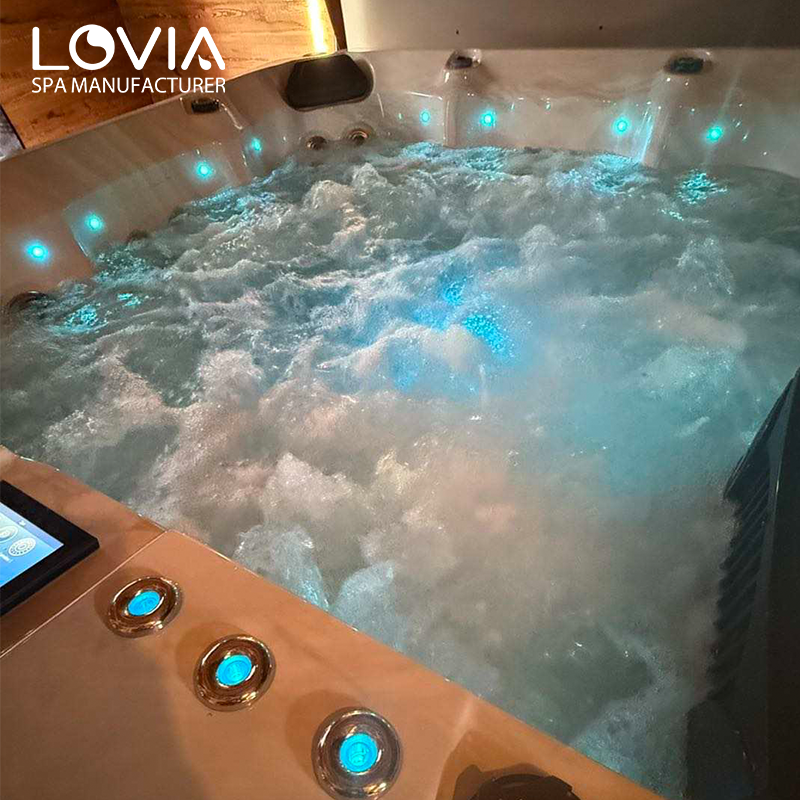
Many consumers overlook a simple reality: if a whirlpool spa hot tub lacks effective insulation, users often face longer wait times for the water to heat up—or may even abandon using it altogether due to unstable water temperatures.
High-quality products typically utilize 25 to 50 millimeters of closed-cell foam insulation. This material serves to slow down heat loss, reduce the energy burden associated with frequent reheating, and maintain a far more stable water temperature environment. This difference becomes particularly pronounced when using the spa outdoors during the winter months. A stable thermal environment not only enhances comfort but also makes it easier for users to establish a regular usage routine—and consistency is, in fact, the fundamental basis for long-term improvements in quality of life.
What key capabilities should a high-quality spa hot tub possess?
A truly exceptional outdoor spa hot tub is never defined simply by having "more features equals higher sophistication," but rather by the integrity and completeness of its system design.
The Jet System: Beyond Quantity—Logic Is Paramount
In the industry, outdoor spa hot tubs typically feature between 30 and 90 jets. However, what truly determines the user experience is not the number of jets itself, but rather the logic behind their zoning and the design of the massage flow paths.
High-quality products typically feature differentiated configurations tailored to specific body zones—such as the shoulders and neck, lower back, thighs, calves, and soles of the feet—creating a layered therapeutic experience through varying water pressures and angles, rather than simply delivering a uniform water flow across all areas.
If the jet design lacks logical coherence, users often perceive nothing more than "water splashing against them," failing to achieve true relaxation.
The Pump System and Power Output: The Foundational Engine of the Massage Experience
Pump power typically ranges from 2 to 5 horsepower. Insufficient power results in a weak massage force, while excessive power can lead to increased noise levels or wasted energy; therefore, the pump's output must be carefully balanced and matched with both the number of jets and the internal fluid dynamics system.
Superior whirlpool jacuzzi tubs strike a balance between robust power delivery and quiet operation, ensuring that the hydrotherapy session provides effective therapeutic force without becoming overly intense or stimulating.
The Control System: The Intelligent Foundation Behind a Comfortable Experience
Today, many sophisticated spa products widely utilize Balboa digital control panels, often featuring Wi-Fi connectivity extensions. This allows users to manage temperature settings, filtration modes, and heating cycles with greater ease and convenience.
For instance, users can remotely activate the heating system before arriving home, ensuring the spa is at its ideal temperature and ready for use immediately—rather than having to wait tens of minutes (or longer) after they get back. While this may seem like a minor detail in the user experience, in the long run, it directly influences how frequently the spa is actually used.
Heaters and Filtration Systems: The Key to Long-Term, Stable Operation
Heaters in outdoor spa hot tubs typically range from 3 to 5 kilowatts in power, designed to meet the demands for rapid heating and consistent temperature retention across various environmental conditions.
Filtration systems commonly employ either cartridge filters or DE (Diatomaceous Earth) filters. Both methods prioritize continuous purification capabilities, helping to maintain stable water quality and reduce the frequency of maintenance tasks. For outdoor whirlpool hot tubs intended for long-term operation, the effectiveness of the filtration system determines not only the hygienic quality of the water but also the subsequent long-term maintenance costs. How Does LOVIA® Leverage Professional Manufacturing Capabilities to Address Challenges in the Spa Industry?
In the current market for outdoor spa hot tubs, a common trend is that many brands prioritize marketing and packaging over the long-term user experience. However, a truly mature manufacturing philosophy requires a holistic approach—optimizing across multiple dimensions: materials, structural integrity, thermal insulation, electrical stability, and maintenance costs.
Why Do Materials Determine the Lifespan of a Spa Hot Tub?
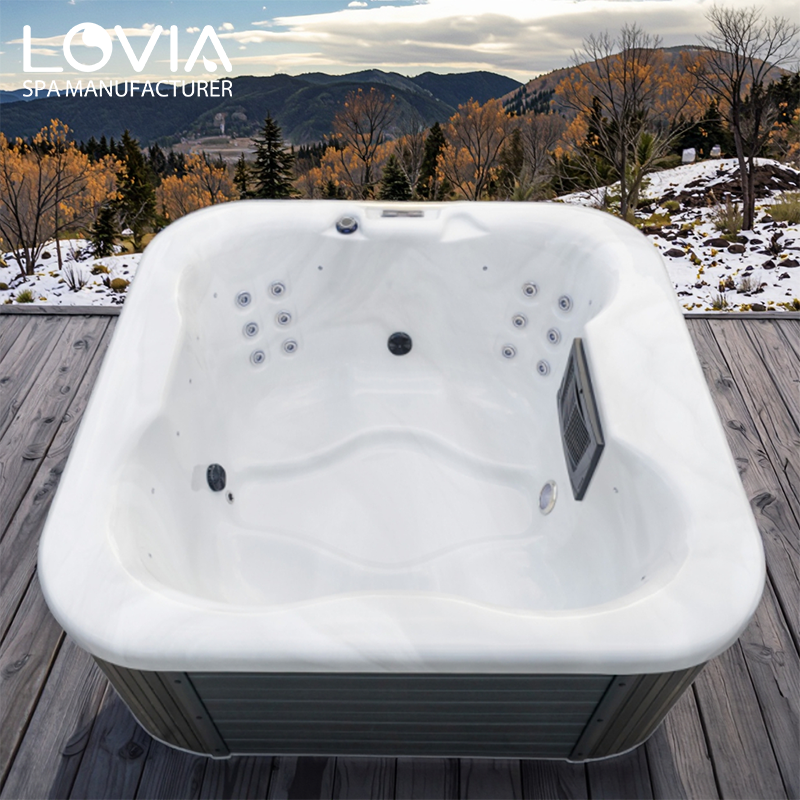
LOVIA® outdoor spa hot tubs utilize premium Aristech acrylic materials imported from the USA. Their key advantages lie in superior weather resistance, corrosion resistance, and adaptability to long-term outdoor environments. Unlike certain lower-grade materials—which are prone to yellowing, aging, or cracking—high-quality acrylic maintains its stability even when exposed to prolonged temperature fluctuations and UV radiation.
For the user, this difference may not be apparent on the very first day of ownership, but it will become increasingly evident over the years to come.
Why Can There Be No Compromise on a Spa Hot Tub's Electrical and Safety Systems?
Outdoor environments impose stricter safety requirements; consequently, whirlpool jacuzzi tubs typically need to support various electrical configurations—such as 220V, 380V, or 110V—and accommodate operating currents ranging from 30A to 50A to ensure the stable, synchronized operation of both the heating and spa systems.
Many consumers focus solely on the price of a whirlpool jacuzzi tub while overlooking the critical importance of electrical stability. Should the control system fail or the power supply design prove inadequate, the user experience suffers, and maintenance costs are likely to rise.
Therefore, a truly mature brand prioritizes long-term operational stability over short-term sales figures.
How Do You Choose the Spa Hot Tub That Is Truly Right for You?
When shopping for an outdoor whirlpool hot tub, consumers are advised not to focus exclusively on price and aesthetics, but rather to prioritize the evaluation of the following key aspects: First, is the jet layout ergonomically designed? Second, is the pump power appropriately matched to the jet system? Third, does it feature an effective thermal insulation system? Fourth, is the control system stable and user-friendly? Fifth, are both the materials and the after-sales support infrastructure of a high, mature standard?
The outdoor spa hot tub that is truly "right for you" is one that you will still be eager to use five—or even ten—years down the road, rather than a piece of equipment that gradually falls into disuse shortly after purchase.
FAQ: Common Questions About LOVIA® Spa Hot Tubs
What is the Warranty Policy for LOVIA® Spa Hot Tubs?
LOVIA® offers a modular warranty system designed to alleviate user concerns regarding long-term usage:
(1) Structural Warranty: 5 years;
(2) Shell Warranty: 3 years;
(3) Jets, Valves, Drains, Pillows, Suction Systems, Skirting, and Plumbing: 2 years;
(4) Electrical Systems: 2 years;
(5) Filtration Systems: 2 years;
(6) Other Accessories: 2 years.
How many jets do LOVIA® whirlpool jacuzzi tubs feature?
The number of jets varies depending on the specific outdoor spa model; typically, they are equipped with 30 to 90 jets to accommodate diverse user preferences regarding massage intensity, seating configurations, and relaxation needs.
What is the pump power of LOVIA® spa hot tubs?
Depending on the model, pump power typically ranges from 2 to 5 horsepower, striking a balance between effective massage performance, stable operation, and energy efficiency.
What materials does LOVIA® use?
LOVIA® utilizes Aristech acrylic materials imported from the USA. These materials feature excellent weather resistance, corrosion resistance, and long-term stability, making them ideally suited for use in outdoor environments.
What control systems do the whirlpool jacuzzi tubs use?
Most LOVIA® whirlpool hot tub models are equipped with the Balboa digital control system, which also supports optional Wi-Fi extensions, allowing users to conveniently manage settings and adjust parameters remotely.
What are the specifications for the hot tub heaters, filtration systems, and electrical components?
LOVIA® outdoor whirlpool hot tubs typically feature a 3 kW heater and, depending on the specific model, utilize either Cartridge or DE filtration systems. Electrical specifications support 220V, 380V, and 110V configurations, with a typical current range of 30A to 50A, designed to meet the diverse market demands and installation requirements of various environments.
